
Commercial Trucks For Sale Near Hazelwood, Missouri

Have commercial truck to sell? List it here to reach thousands of buyers.
Commercial Trucks Near Hazelwood, Missouri
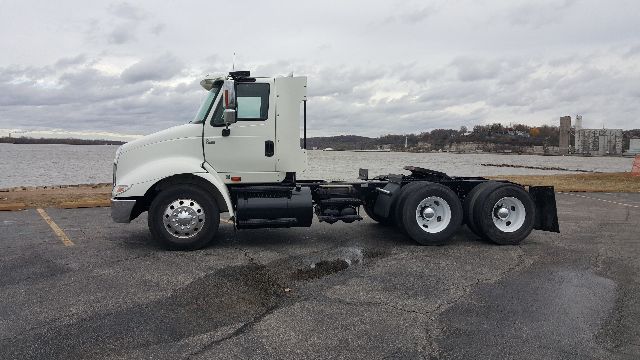
Powertrain and chassis specs matter more than brand preference once the application is clear. Buyers usually compare diesel versus gas engines, automatic versus manual transmissions, front and rear axle ratings, suspension type, fuel capacity, and brake setup. Medium-duty trucks often show up with gas V8 power and automatic transmissions for delivery, municipal, or service work, while heavier tandem-axle conventionals are more likely to carry diesel engines, 10-speed or automated transmissions, and higher rear axle capacities for tractor or vocational use. Wheelbase, frame rating, PTO readiness, and tire size should be checked early because they directly affect upfit compatibility, turning radius, and payload.
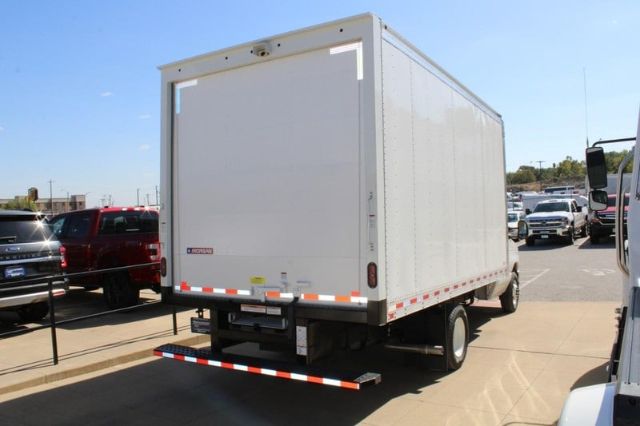
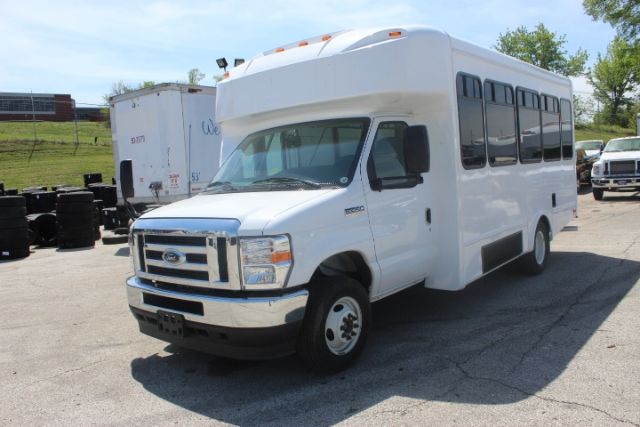
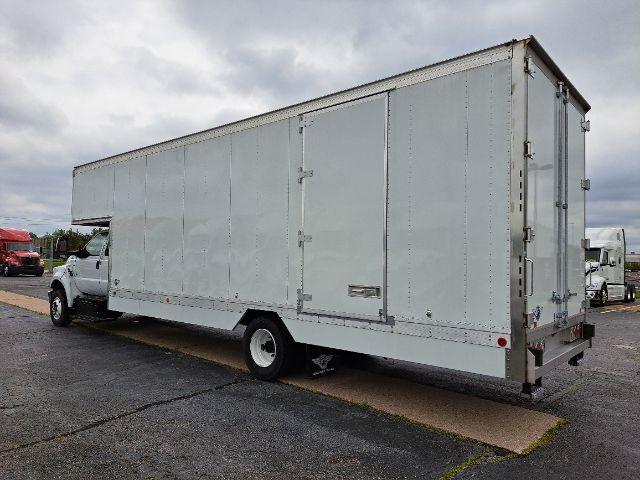
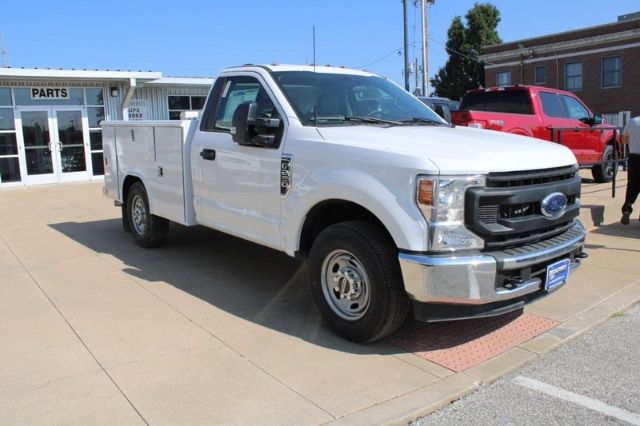
Body and vocational equipment can drive value as much as the cab and chassis. A moving van may include attic space, dock bumpers, walkboards, side doors, and interior height specs that affect cube and loading efficiency. A service truck may have a Reading or similar utility body, exterior compartments, trailer brake controller, dual batteries, and upfitter switches. Refuse trucks often use specialized bodies and hydraulic arm systems where packer condition, ejector operation, and axle wear points deserve close attention. Bus and shuttle configurations bring another layer of evaluation, including passenger count, wheelchair lift setup, non-CDL capacity, and body manufacturer support.
For used trucks, condition should be judged by service history, brake and tire life, rust exposure, hours if applicable, and signs of frame or body fatigue around mounting points. For new trucks, buyers usually focus on warranty coverage, lead time, emissions package, and how well the spec fits the intended route. In the Hazelwood and greater Missouri market, many buyers prioritize dependable cold-start performance, practical gearing for mixed urban and highway use, and simple serviceability through regional dealer networks. A well-matched truck lowers operating cost faster than a truck with extra features that do not support the job.
Frequently Asked Questions about Commercial Trucks Near Hazelwood, Missouri
What types of trucks are commonly included in a general trucks-for-sale category?
A general trucks-for-sale category often includes day cab tractors, medium-duty box trucks, service and utility trucks, refuse trucks, shuttle buses, and other vocational chassis. The category is broad by design, so buyers should filter by application first, then by GVWR, axle setup, cab style, and body configuration. The same page may include both highway-oriented units and highly specialized municipal or commercial equipment.
How do I choose between a medium-duty truck and a heavy-duty truck?
The best choice depends on payload, body size, route type, and licensing requirements. Medium-duty trucks are typically used for delivery, moving, service work, and lighter vocational jobs where maneuverability and lower operating costs matter. Heavy-duty trucks are better suited for high GVW applications, tandem-axle work, tractor duty, and severe-service cycles. Axle ratings, frame strength, and intended body or trailer requirements should make the decision clear.
What specs should I check first when comparing trucks?
Start with GVWR or GCWR, axle ratings, wheelbase, engine type, transmission, and suspension. Those specs determine what the truck can legally carry, what bodies or trailers it can handle, and how it will perform on the route. After that, review fuel capacity, brake type, tire size, PTO or hydraulic compatibility, and cab features that affect driver comfort and uptime.
Are gas engines or diesel engines better for commercial trucks?
Gas engines are common in lighter and medium-duty commercial trucks where lower upfront cost, simpler emissions systems, and shorter urban routes are priorities. Diesel engines are still preferred for heavier loads, higher annual miles, towing, and applications that demand strong low-end torque and long-duty-cycle durability. The better option depends on mileage, payload, idle time, maintenance capability, and total cost of ownership rather than fuel type alone.
What should I inspect on a used vocational truck before buying?
Focus on the truck’s service records, engine and transmission condition, brake and tire wear, suspension play, frame condition, and signs of corrosion or accident repair. On vocational units, inspect the body, hydraulic systems, PTO components, electrical controls, and mounting hardware just as closely as the chassis. Specialized equipment such as refuse packers, service bodies, wheelchair lifts, or moving van structures can add major value, but deferred repair in those systems can also become a significant expense.