
Commercial Trucks For Sale Near Hays, Kansas

Have commercial truck to sell? List it here to reach thousands of buyers.
Commercial Trucks Near Hays, Kansas
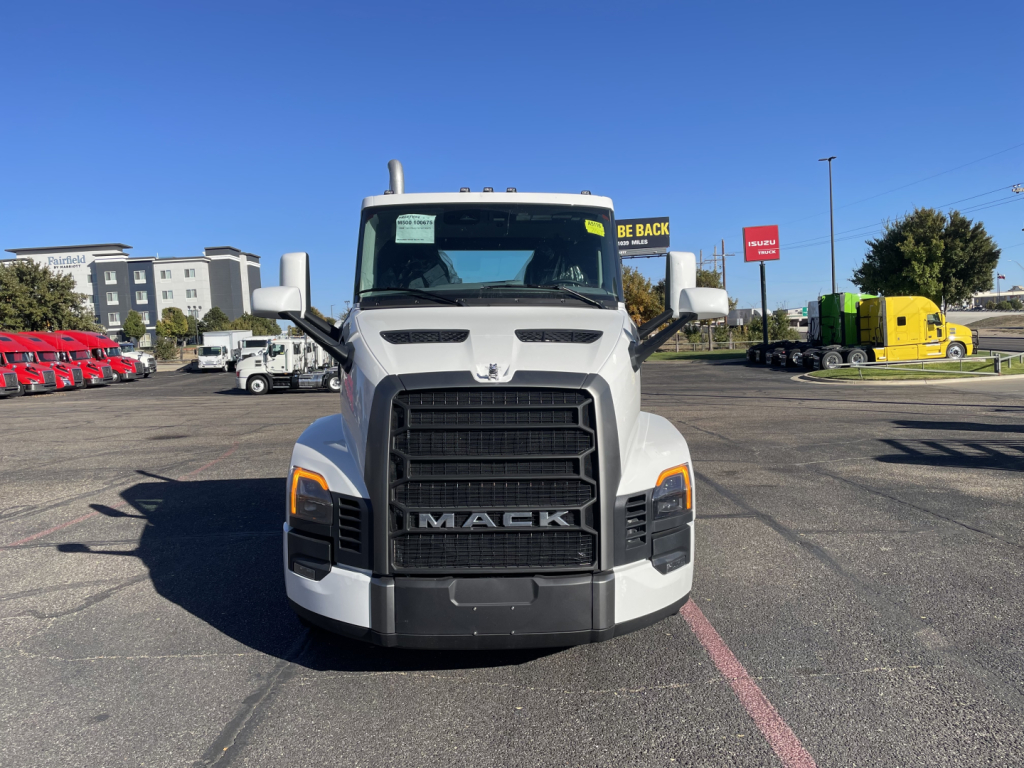
On-road tractors in this category commonly include tandem axle day cabs and sleeper trucks with 12,000 to 14,600 lb front axles, 40,000 lb rears, and GVWRs above 52,000 lbs. Engine ratings in the mid-400 to 500 horsepower range are common, especially in Mack MP8, Mack MP13, and Volvo D13 platforms. Automated manual transmissions such as Mack mDRIVE and Volvo I-Shift are popular because they improve driver consistency, reduce clutch wear, and help with fuel economy. Rear axle ratios matter more than many first-time buyers expect. A 2.47 or 3.08 ratio generally points to fuel-efficient highway use, while a 3.25 or 3.98 ratio better suits heavier loads, starts in rough terrain, or vocational duty where low-speed pulling power matters.
Dump trucks and other vocational trucks require closer attention to axle capacity, suspension design, and body specification. Tandem dumps in this class often run 18,000 lb front axles and 40,000 lb rears, paired with severe-duty suspensions like Camelback or similar multileaf setups. Body details such as AR450 floors, yard capacity, high-lift tailgates, electric tarps, and lighting packages directly affect service life and productivity. If the truck will spend time off pavement or in uneven pits, buyers should evaluate frame reinforcements, crossmember design, ground clearance, and transmission choice. Fully automatic transmissions like an Allison 4500 RDS remain a strong fit for stop-and-go vocational work because they simplify operation and hold up well in repeated low-speed cycles.
A good truck purchase starts with matching the spec to the lane, the payload, and the terrain. For regional freight, pay close attention to wheelbase, fifth wheel setup, fuel capacity, and suspension ride quality. For sleeper trucks, bunk layout, inverter capacity, HVAC options, and idle-reduction features can make a measurable difference in driver retention. For vocational work, focus on legal payload, body construction, PTO compatibility, and how the truck is expected to load, dump, and return all day. Buyers comparing trucks in Hays, KS should look beyond make and model and study the axle ratings, rear ratio, transmission family, suspension type, and intended duty cycle, because those details determine how well the truck will perform and how expensive it will be to operate.
Frequently Asked Questions about Commercial Trucks Near Hays, Kansas
What types of trucks are most commonly found in this category?
This category typically includes conventional day cab tractors, conventional sleeper tractors, and vocational trucks such as dump trucks. Day cabs are usually selected for local and regional hauling, sleepers are built for long-haul operations with driver amenities, and dump trucks are configured for construction, aggregate, road work, and municipal service. The category can include both highway and severe-duty specs, so buyers should start by narrowing the intended application before comparing brands or model names.
What truck specs matter most when comparing highway tractors?
The most important tractor specs are engine horsepower and torque, transmission type, rear axle ratio, wheelbase, axle ratings, suspension, and fuel capacity. A fuel-efficient sleeper may use a taller rear ratio and aerodynamic spec for long interstate runs, while a regional or heavier-haul day cab may need shorter gearing, a different fifth wheel position, and more aggressive axle or suspension options. These details affect payload capability, cruise RPM, maneuverability, and total operating cost.
How do I choose between a day cab and a sleeper truck?
A day cab is usually the better fit for routes where the driver returns home daily, where maneuverability matters, or where overall weight needs to be kept down. A sleeper is the better choice for over-the-road work, multi-day dispatches, and operations that need driver living space, storage, and hotel-load capability. The right choice depends on route length, customer freight patterns, driver expectations, and how much importance you place on wheelbase, weight, and resale demand.
What should I look for in a dump truck spec?
For a dump truck, focus on front and rear axle ratings, suspension type, body size, floor and side material, tailgate design, tarp system, and transmission. An 18K front and 40K rear tandem is common in this class, but the right legal payload depends on local bridge laws and the material being hauled. Buyers should also confirm hoist capacity, PTO setup, frame strength, and whether the truck will be used on pavement, in pits, or on rough jobsites where traction and durability are critical.
Are automated transmissions a good choice in modern trucks?
In most applications, yes. Automated manual transmissions such as mDRIVE and I-Shift are widely accepted in fleet and owner-operator service because they improve shift consistency, reduce driver fatigue, and can help protect the driveline. In vocational applications with heavy stop-and-go operation, a full automatic such as an Allison can still be the preferred setup because it offers smooth launch performance and easy operation in tight or uneven working conditions.