
Commercial Trucks For Sale Near Hauppauge, New York
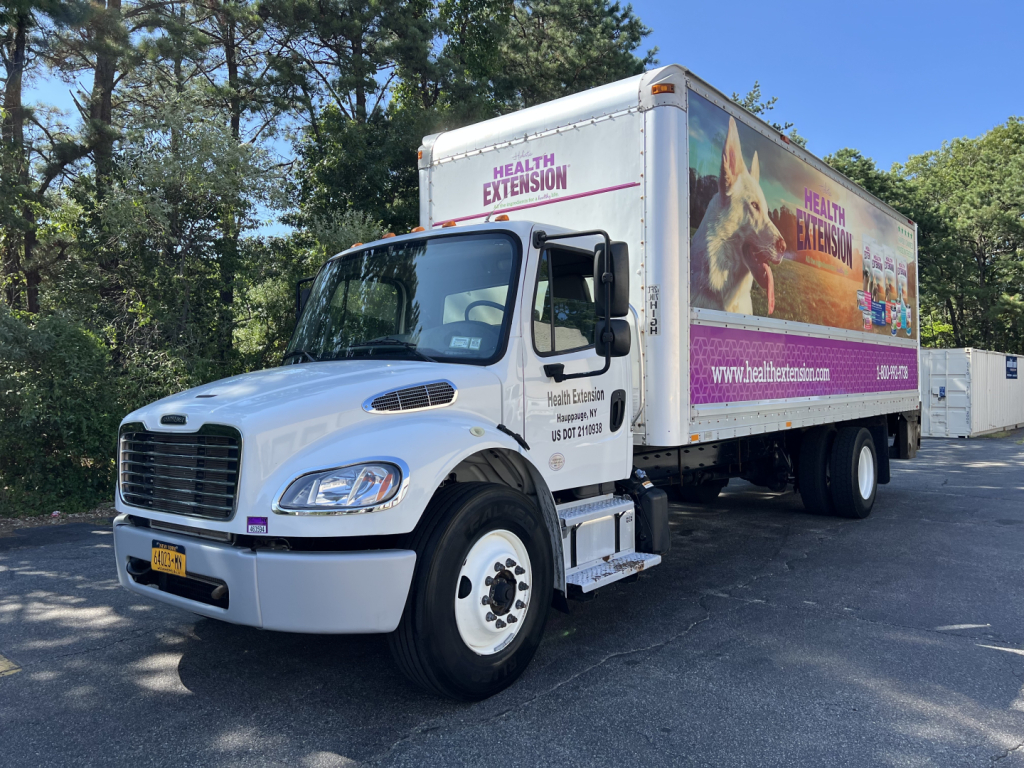
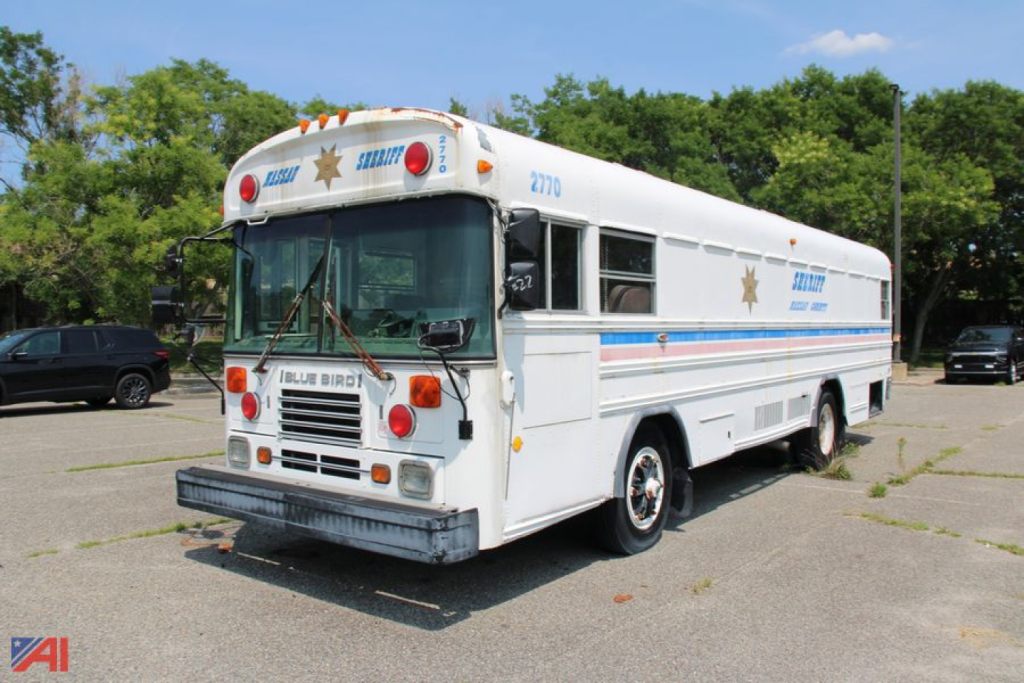
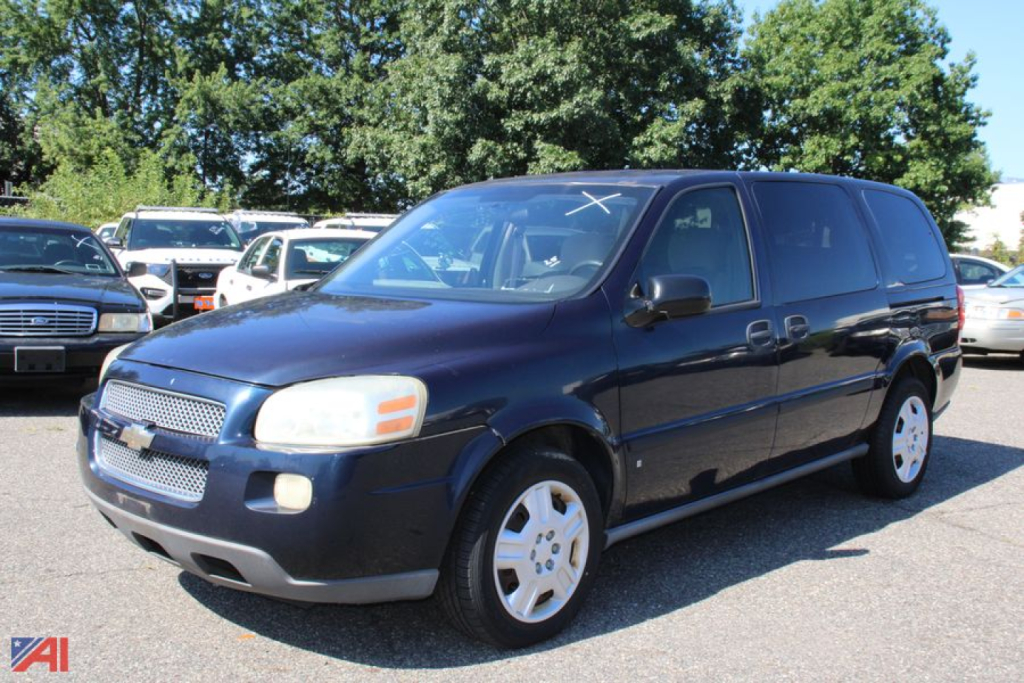
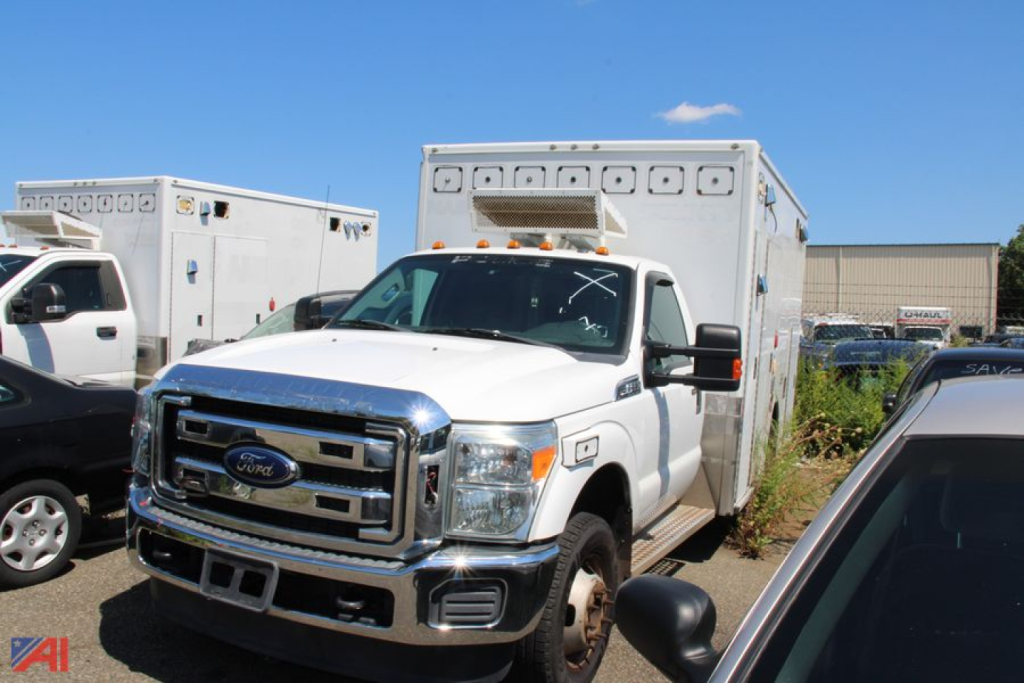
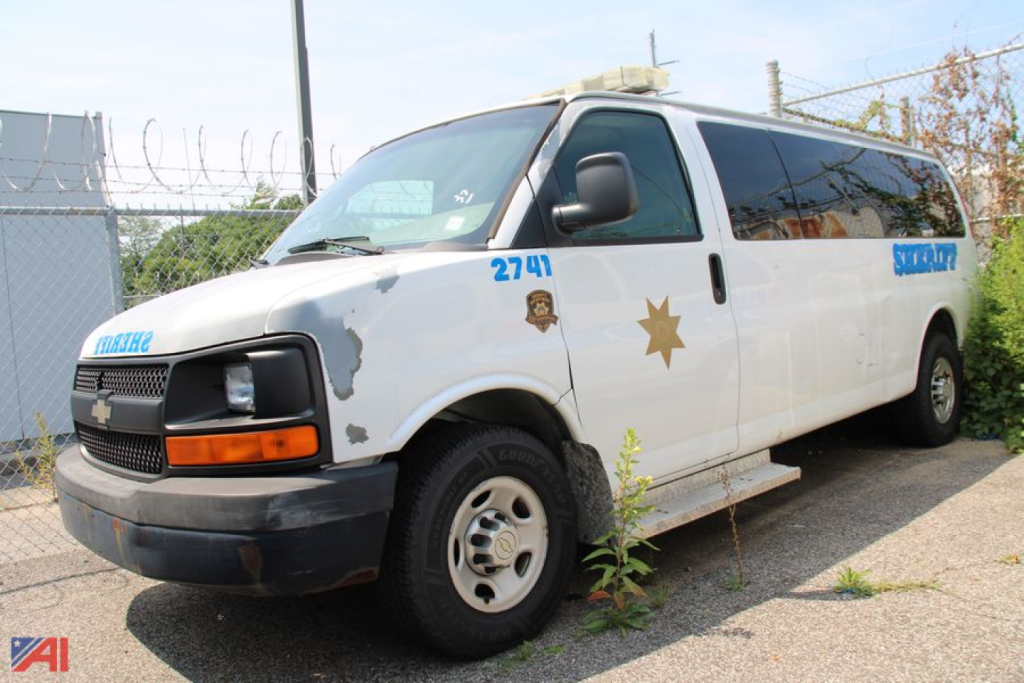
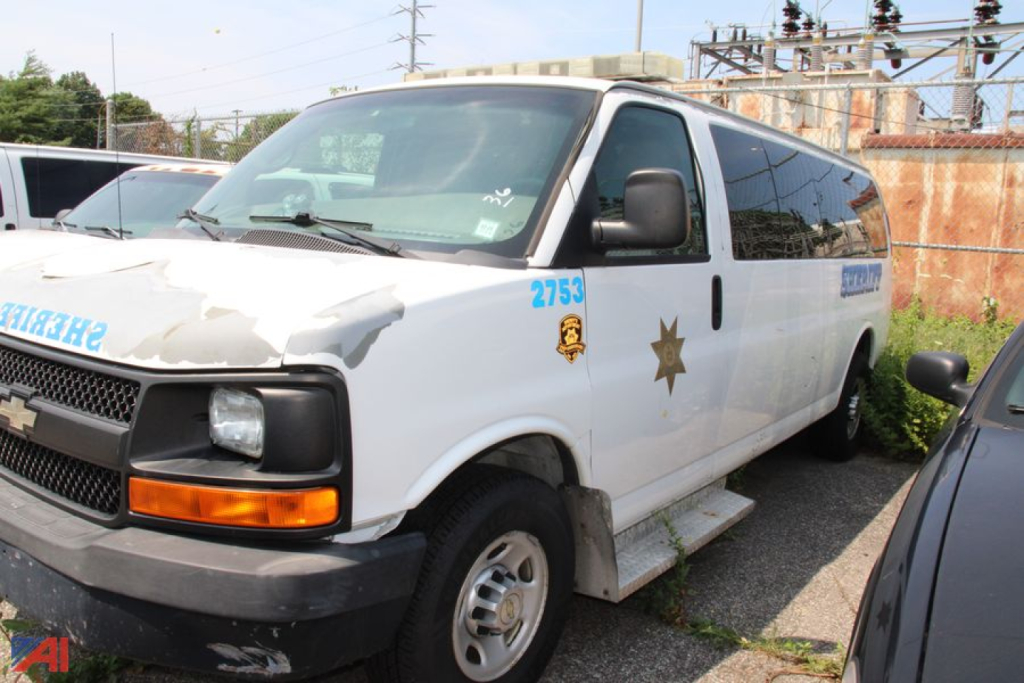
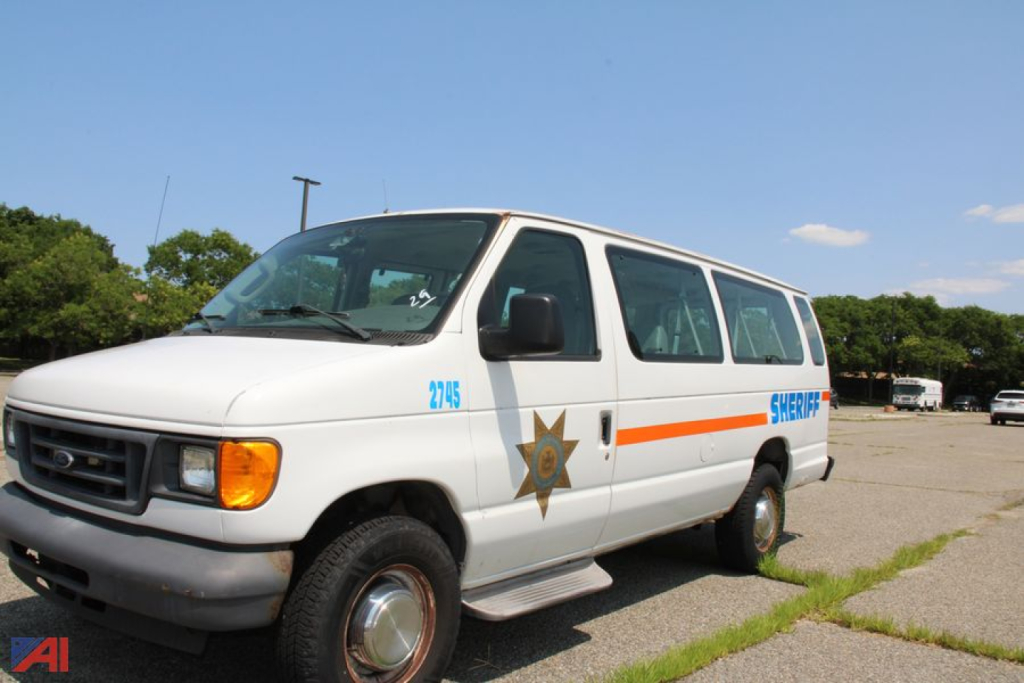
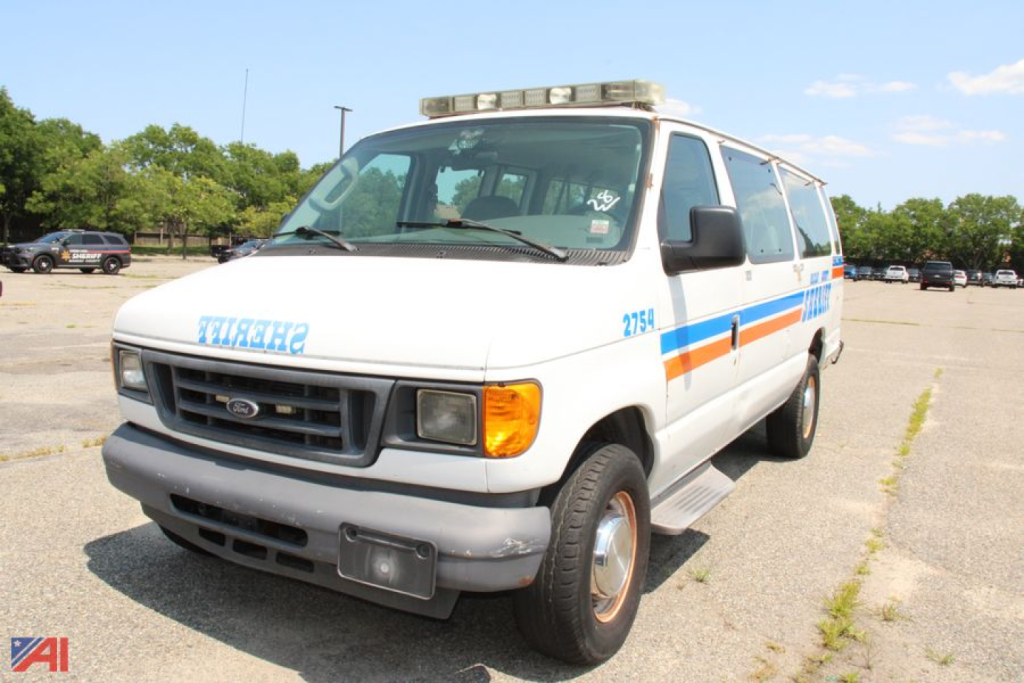

Have commercial truck to sell? List it here to reach thousands of buyers.
Commercial Trucks Near Hauppauge, New York
For general truck shopping, start with the chassis fundamentals: GVWR, wheelbase, cab configuration, drivetrain, engine hours where applicable, transmission type, rear axle ratio, and brake setup. On 4x4 and pickup models, buyers usually focus on bed length, towing capacity, front suspension condition, rust exposure, and the condition of wear items such as tires, steering components, and brakes. On medium-duty work trucks, the better questions involve frame condition, hydraulic or compaction system operation, PTO engagement, body mount integrity, and whether the truck was spec'd for municipal, refuse, or delivery service. In the New York market, corrosion, underbody condition, and prior snow or salt exposure deserve close attention because they can affect brake lines, crossmembers, wiring, and body hardware.
Specialty truck bodies need to be evaluated as equipment systems, not just as trucks. A refrigerated truck, also known as a reefer truck, should be checked for box insulation, door seals, floor condition, reefer unit hours, temperature pull-down performance, and service history on the refrigeration unit. A packer truck should be reviewed for hopper wear, packer blade condition, hydraulic leaks, cylinder performance, tailgate seal condition, and evidence of frame stress from repeated refuse duty. Buyers comparing used trucks across categories should also consider CDL requirements, bridge and route restrictions, maintenance support, and parts availability for both the chassis and the body manufacturer.
A broad trucks-for-sale page is most useful when you compare each unit against the work it will actually do. Payload is not the same as towing, and body style can matter more than model year if the application is specialized. Look closely at cab access, visibility, turning radius, idle hours, PTO operation, and how easily the truck can be serviced locally. For buyers in and around Hauppauge, a well-matched truck is one that fits regional roads, jobsite access, and daily duty cycle while keeping downtime, repair cost, and compliance risk under control.
Frequently Asked Questions about Commercial Trucks Near Hauppauge, New York
What should I look at first when comparing different types of used trucks for sale?
Start with application, GVWR, and body type. Those three factors narrow the field faster than make or model alone. A 4x4 pickup, a refrigerated truck, and a packer truck are built for completely different work, so the right choice depends on payload, route type, stop frequency, towing needs, and whether the truck carries cargo, tools, waste, or temperature-sensitive product. After that, review wheelbase, drivetrain, engine and transmission spec, body condition, and maintenance history.
How important is rust and corrosion on used trucks in New York?
Rust is a major buying factor in New York because road salt and coastal exposure can damage more than sheet metal. Buyers should inspect frame rails, spring hangers, brake and fuel lines, crossmembers, cab corners, electrical connections, body mounts, and underbody hardware. On vocational trucks, corrosion can also affect hydraulic lines, hoists, subframes, and tailgate components. Surface rust is common, but scaling, perforation, or weakened structural areas can turn a low-priced truck into an expensive repair project.
What is the difference between a refrigerated truck and a standard box or service truck?
A refrigerated truck includes an insulated cargo body and a refrigeration unit designed to hold a target temperature during transport. The truck itself matters, but the reefer system is equally important. Buyers should assess unit hours, cooling performance, insulation quality, evaporator and condenser condition, door seals, and any signs of water intrusion or floor damage. A standard box truck may look similar from the outside, but it does not offer the same thermal control or product protection.
What makes a used packer truck different from other medium-duty trucks?
A packer truck is a refuse body mounted on a medium-duty or heavy-duty chassis and is designed for repeated stop-and-go collection work. The body, hydraulics, hopper, packer blade, cylinders, and tailgate all need inspection in addition to the engine, transmission, and axles. These trucks often accumulate hard service hours even when mileage looks moderate. Buyers should pay close attention to hydraulic performance, body fatigue, leaks, and evidence of weld repairs or frame stress.
Are pickup trucks a practical option for commercial use compared with larger work trucks?
Yes, if the job fits the truck. A commercial pickup can be the right choice for contractors, inspectors, utility crews, municipal departments, and light towing applications where access, maneuverability, and lower operating cost matter more than maximum payload. Buyers should confirm axle ratings, towing setup, bed configuration, four-wheel-drive operation, and suspension condition. Once payload, body equipment, or PTO needs increase, a medium-duty truck usually becomes the better long-term fit.