
Commercial Trucks For Sale Near Hammondsport, New York
Have commercial truck to sell? List it here to reach thousands of buyers.
Commercial Trucks Near Hammondsport, New York
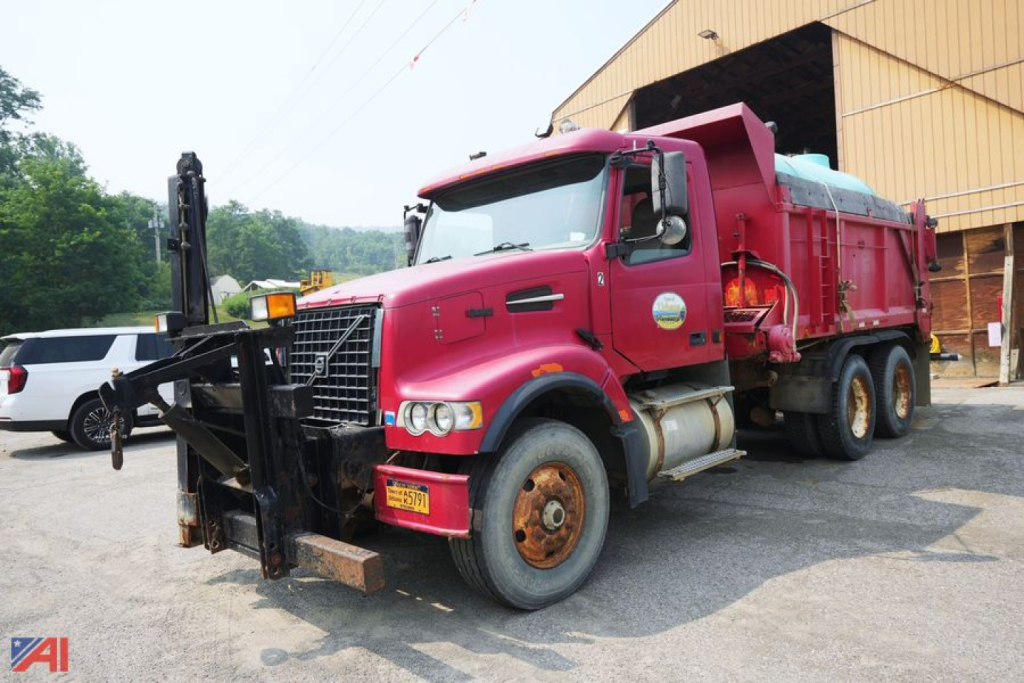
In this category, body and vocation matter as much as make and engine. Common truck types include dump trucks, day cabs, sleeper trucks, service trucks, flatbeds, stake bodies, box trucks, and cab and chassis units ready for upfit. Buyers comparing used trucks should pay close attention to gross vehicle weight rating, front and rear axle ratings, wheelbase, suspension type, transmission setup, and PTO provisions if hydraulic equipment is involved. For vocational units such as dump trucks, details like body material, hoist condition, tailgate configuration, tarp system, and differential lock setup can make a major difference in productivity and repair costs.
Powertrain selection should match the work cycle, not just the price tag. A heavy truck running short haul, hilly roads, or stop-and-go routes around the Finger Lakes may benefit from the right rear axle ratio, locking rears, and a transmission geared for low-speed pulling rather than fuel economy at interstate speed. Engine make, horsepower, torque rating, emissions system generation, and maintenance history all deserve close review. On older trucks, buyers typically inspect frame condition, rust at crossmembers and cab mounts, brake components, steering play, hydraulic lines, and signs of hard municipal or seasonal service. In New York, corrosion exposure from winter road treatment is a real factor, especially on vocational chassis.
A good truck purchase is usually about fit more than age alone. The best value often comes from a unit with the right spec for the job, a sound service record, and enough remaining capacity in the chassis, driveline, and body to handle your operating demands without constant downtime. For buyers sorting through many truck listings, it helps to compare intended use first, then narrow by class, axle layout, drivetrain, and body equipment instead of shopping by badge alone.
Frequently Asked Questions about Commercial Trucks Near Hammondsport, New York
What should I look at first when comparing trucks for sale?
Start with the truck’s intended job and duty class. Payload, body type, axle rating, wheelbase, and drivetrain configuration will tell you more about suitability than brand alone. A truck that is correctly spec'd for the work will usually perform better, wear more evenly, and cost less to operate than a cheaper unit that is overloaded or mismatched to the route.
What is the difference between a vocational truck and a highway truck?
A vocational truck is built for specialized work such as dumping, hauling materials, utility service, plowing, or equipment transport. These trucks often have heavier suspensions, PTO capability, locking differentials, and body-specific equipment. A highway truck is generally spec'd for freight movement and road mileage, with gearing, aerodynamics, and cab configuration aimed at transport efficiency rather than jobsite operation.
Why do axle ratings and GVWR matter on a used truck?
Axle ratings and gross vehicle weight rating determine how much weight the truck can legally and safely carry. They also affect registration class, bridge compliance, body compatibility, and long-term durability. If the truck’s front axle, rear axle, suspension, or frame is under spec for the work, repair costs and downtime can climb quickly even if the truck appears clean and well priced.
Are older trucks a good buy for municipal, farm, or construction use?
They can be, especially when the truck is mechanically sound and the spec matches the application. Older trucks are often simpler to maintain and may avoid some of the complexity found in newer emissions systems. The key is to inspect for rust, frame condition, hydraulic function, brake wear, steering components, and evidence of hard seasonal service. A well-maintained older vocational truck can still be a productive asset.