
Commercial Trucks For Sale Near Hammond, Indiana


Have commercial truck to sell? List it here to reach thousands of buyers.
Commercial Trucks Near Hammond, Indiana
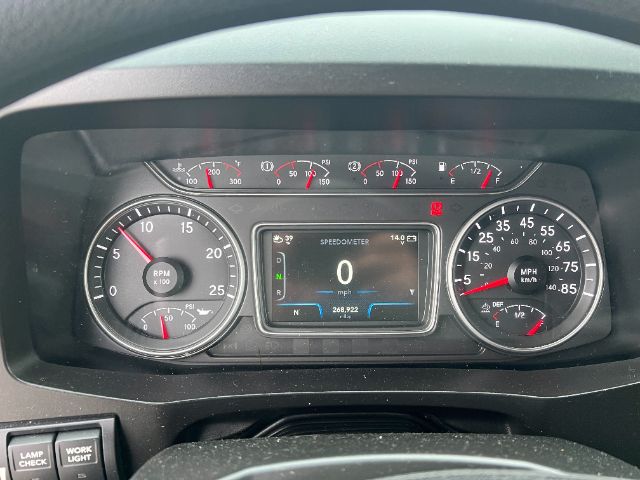
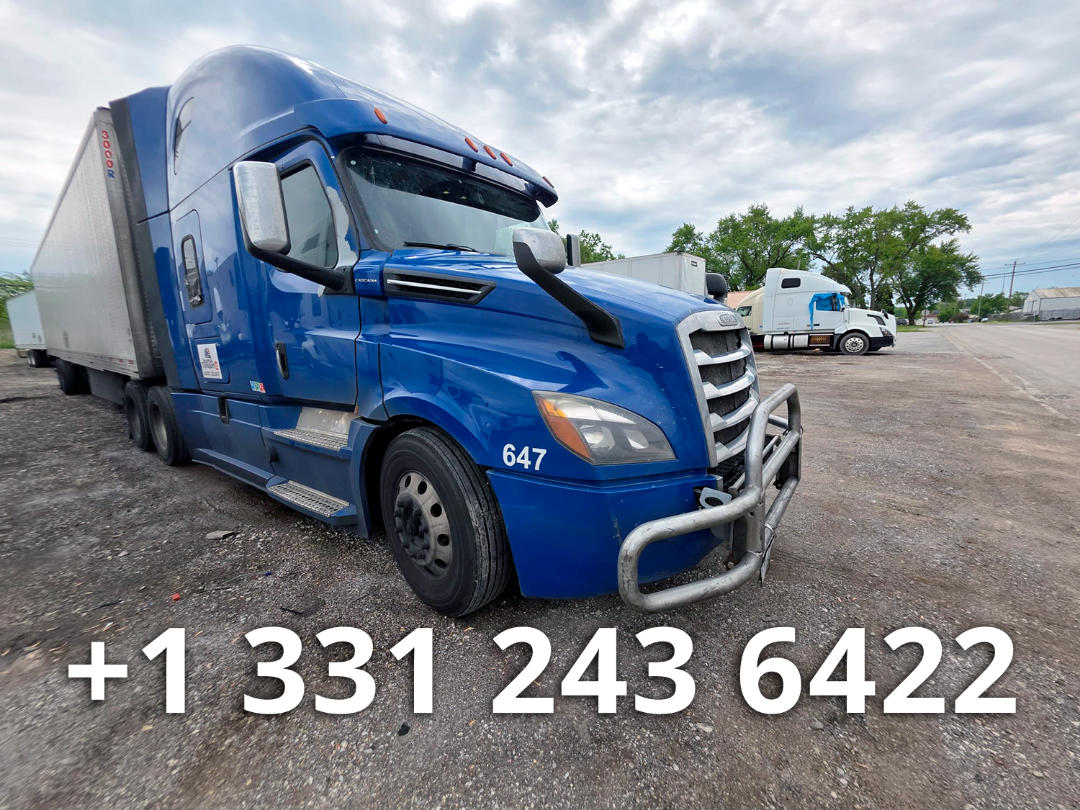
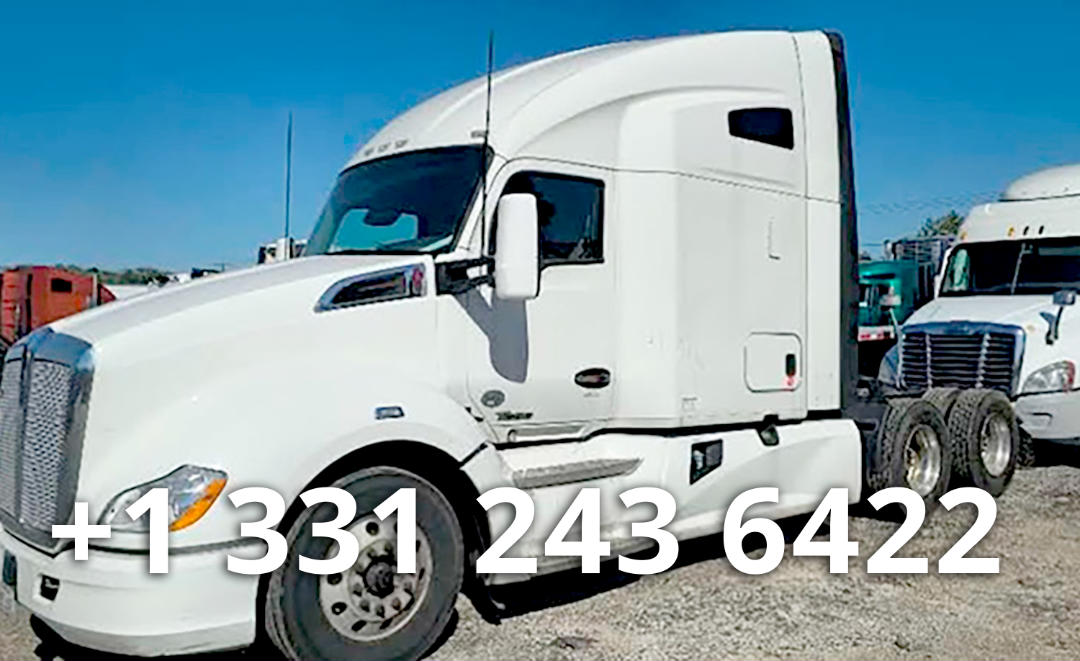
For highway tractors, common decision points include engine family, transmission type, wheelbase, rear axle ratio, sleeper size, and emissions system history. Late-model conventional sleepers such as a Kenworth T680 or Freightliner Coronado are designed for van, reefer, and general freight operations, with typical specs including a 12 to 15 liter diesel, automated manual or automatic transmission, tandem drive axles, and a fifth wheel set up for standard semitrailer work. Buyers should pay close attention to mileage, idle hours, service records, aftertreatment condition, and signs of prior drivetrain replacement. In Midwest operations, corrosion on frame rails, crossmembers, cab mounts, air tanks, and wiring connections also deserves a careful inspection.
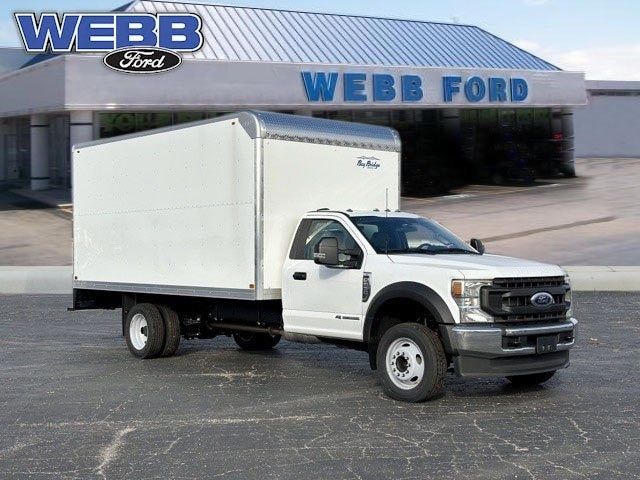
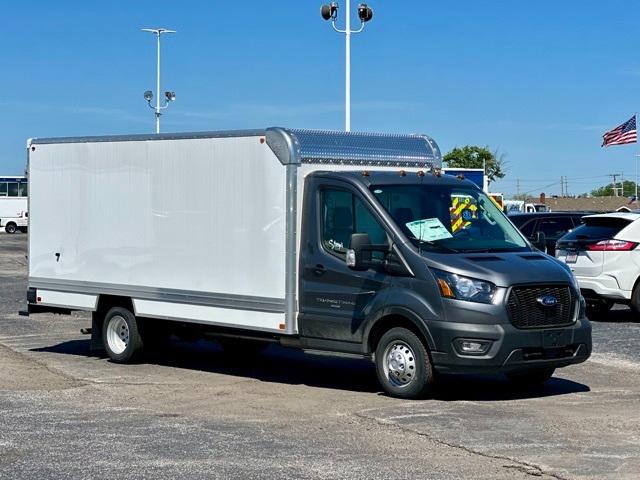
For box trucks, the priorities shift toward payload, cargo volume, door opening dimensions, and loading height. Common setups in this segment include Ford F-550 and Ford Transit-based dry van trucks with 16-foot bodies, single rear axles, and gasoline or diesel power depending on chassis. Important specs include GVWR, wheelbase, body construction, floor condition, liftgate presence, and whether the truck is CDL or non-CDL. A 9,950-lb GVWR unit is often chosen to stay below CDL thresholds, while a 19,500-lb GVWR truck offers more payload for heavier delivery work. Buyers moving pallets should confirm interior width between wheel wells, tie-down options, E-track, scuff liners, and dock-height compatibility.
Used truck buyers in Hammond should also factor in regional operating costs, registration class, insurance, and parts support for the make and engine. A truck that looks right on paper can still be expensive if tires, brakes, DPF service, injectors, or transmission work are due immediately. The best comparison method is to evaluate each truck by total cost to put it to work: purchase price, required repairs, remaining tread and brake life, engine hours, and fit for the route. That approach makes it easier to separate a true work-ready commercial truck from a unit that will need significant shop time before it earns revenue.
Frequently Asked Questions about Commercial Trucks Near Hammond, Indiana
What types of trucks are commonly available in Hammond, Indiana?
Hammond commonly sees a mix of sleeper tractors, day cabs, box trucks, and medium-duty commercial trucks because the area supports both regional freight and local delivery. Buyers near this market often compare tandem-axle road tractors for long-haul or dedicated lane work against single-axle box trucks for urban and suburban delivery operations. The local freight network and proximity to Chicago make both classes relevant depending on the business model.
How do I choose between a sleeper tractor and a box truck?
A sleeper tractor is the better fit for pulling semitrailers in over-the-road, dedicated contract, or regional freight service. A box truck is designed for self-contained cargo transport and is better suited for local delivery, moving services, route distribution, and final-mile work. The choice comes down to freight type, trailer needs, required payload, driver licensing, and whether overnight operation is part of the job.
What should I inspect first on a used commercial truck?
Start with the drivetrain, emissions system, tires, brakes, frame condition, and maintenance history. On a highway tractor, focus on engine blow-by, fault codes, transmission operation, fifth wheel wear, suspension condition, and DPF or SCR service records. On a box truck, add the cargo body, floor, roll-up door, roof, and liftgate if equipped. In northern markets like Northwest Indiana, rust and corrosion should be checked closely on structural and air system components.
Is GVWR important when buying a box truck?
GVWR is one of the most important box truck specs because it affects payload, registration, and CDL requirements. Trucks around 9,950 lbs GVWR are often selected to stay in a non-CDL class for lighter delivery work. Higher-GVWR units such as 19,500-lb chassis can handle more cargo weight but may bring different licensing, operating, and maintenance considerations. Buyers should match GVWR to actual route weight, not just body size.
What matters most when comparing late-model used sleeper tractors?
Mileage alone is not enough. Buyers should compare engine hours, maintenance records, transmission type, emissions history, tire and brake life, axle ratio, and any recent major repairs. A tractor with higher miles but documented service can be a better value than a lower-mile truck with deferred maintenance or missing components. The goal is to estimate total cost to operate over the first year, not just the purchase price.