
Commercial Trucks For Sale Near Halethorpe, Maryland
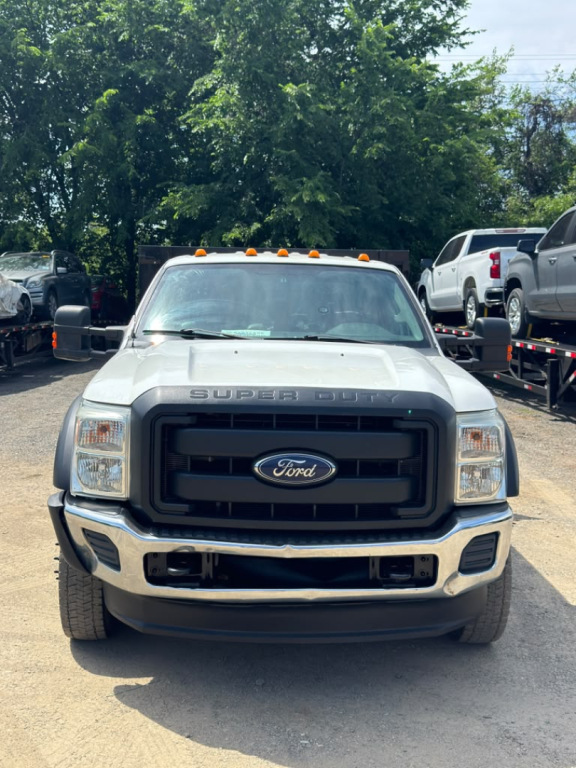
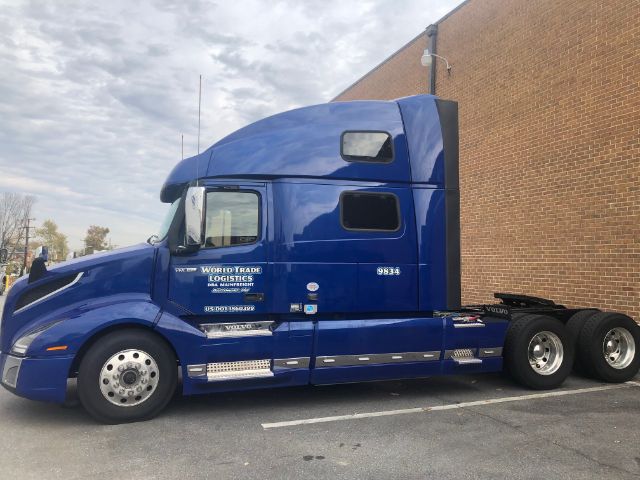
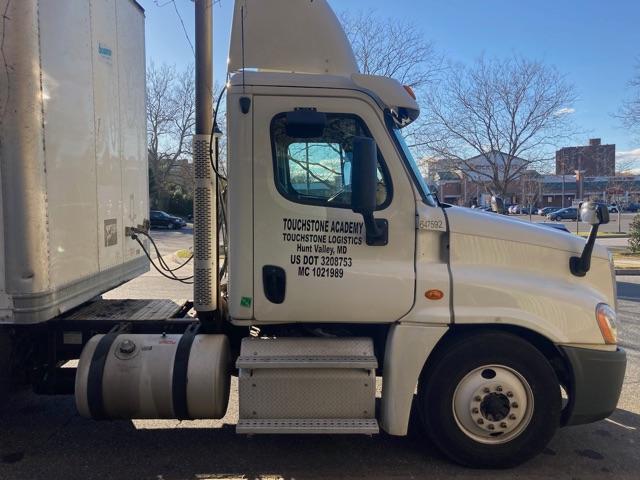
Have commercial truck to sell? List it here to reach thousands of buyers.
Commercial Trucks Near Halethorpe, Maryland
Frequently Asked Questions about Commercial Trucks Near Halethorpe, Maryland
What should I look at first when comparing used trucks for sale?
Start with the truck’s intended job, then match the core drivetrain and chassis specs to that work. Axle configuration, wheelbase, engine horsepower and torque, transmission type, rear axle ratio, and suspension setup affect payload, maneuverability, highway RPM, and trailer compatibility. A regional truck may prioritize tighter wheelbase, lighter weight, and easier ingress, while a long-haul sleeper tractor may need larger fuel capacity, a high-roof sleeper, and a drivetrain geared for fuel economy at cruise speed.
What is the difference between a sleeper tractor, a day cab, and a cab and chassis truck?
A sleeper tractor is built for over-the-road use and includes a sleeper compartment for driver rest, often with storage, bunk space, and hotel-load features such as inverters or APUs. A day cab removes the sleeper to reduce weight and overall length, which helps in local and regional operations with frequent stops. A cab and chassis truck is sold as the foundation for an upfit such as a dump body, rollback, service body, box, or specialized vocational equipment, so frame length, PTO capability, and axle ratings matter more than sleeper amenities.
Are automated manual transmissions common in used trucks?
Yes. Automated manual transmissions are now common across late-model highway trucks, especially in fleet-spec tractors from brands like Volvo and Freightliner. They can improve shift consistency, reduce driver fatigue, and help protect the driveline when operated correctly. Buyers should still verify clutch condition where applicable, software update history, fault codes, and whether the transmission programming matches the rear ratio and intended gross combined weight.
How important are wheelbase and axle configuration on a truck?
They are critical because they affect both legal and practical performance. A shorter wheelbase usually improves maneuverability in terminals, urban routes, and tight customer yards, while a longer wheelbase can support larger sleepers, additional fuel capacity, or specific body lengths. Single-axle trucks are often chosen for lighter regional work and lower operating weight, while tandem and tri-axle configurations are used when higher GVWR, better traction, or heavier trailer applications are required.
What maintenance and inspection items matter most on a used truck?
Service records, ECM data, aftertreatment history, brake wear, tire condition, suspension wear, and evidence of frame or cab damage should all be reviewed closely. On emissions-era trucks, buyers should pay special attention to DPF, SCR, EGR, and NOx sensor maintenance because deferred repairs can become expensive quickly. It also helps to confirm current inspection status, drivetrain leaks, fifth wheel condition, and any signs of uneven tire wear that could indicate alignment or suspension problems.