
Commercial Trucks For Sale Near Greenville, Ohio

Have commercial truck to sell? List it here to reach thousands of buyers.
Commercial Trucks Near Greenville, Ohio
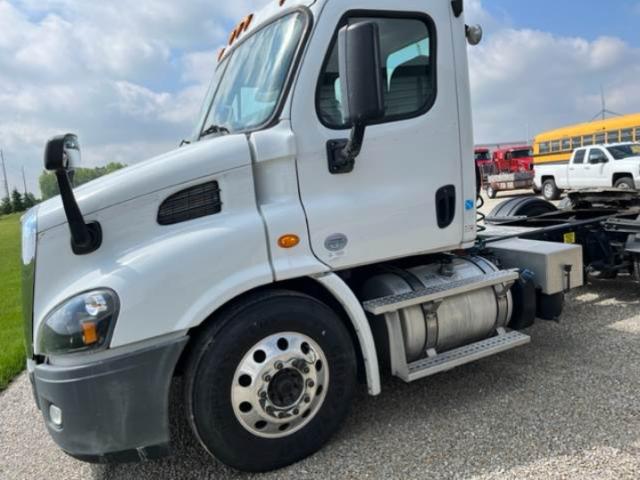
For highway tractors, key specs typically include engine make, horsepower, torque, transmission type, rear axle ratio, wheelbase, and tire setup. A day cab with a 10-speed manual or automated manual, a mid-3 rear ratio, and a 200-inch wheelbase is a common regional freight configuration. Buyers should also look at emissions system history, collision mitigation features, tire inflation systems, and whether the truck is set up for fuel economy or heavier local hauling. Super singles, LED lighting, disc brakes, and modern safety electronics can improve operating efficiency, but uptime still comes back to service records, driveline condition, and how the truck was used.
Vocational trucks require a different evaluation. A dump truck should be checked for frame condition, hoist performance, body floor wear, tailgate operation, and PTO engagement. A bucket truck or aerial unit needs close attention to boom model, platform height, dielectric test records, stabilizer design, hydraulic condition, and compartment layout. For snow and ice equipment, buyers should verify plow mount condition, spreader capacity, hydraulic controls, and corrosion around the body, subframe, and electrical connectors. On medium-duty chassis such as a Ford F-550 or International WorkStar, GVWR, front axle capacity, brake type, and 4x2 versus 4x4 configuration can matter as much as engine hours or mileage.
Greenville-area buyers often need trucks that can handle a mix of local routes, municipal duty, agricultural support, construction work, and winter weather. That makes rust, underbody condition, heater performance, traction setup, and cold-weather starting especially important. A good truck in this category is not just defined by model year or odometer reading. It is defined by correct spec for the job, documented maintenance, and remaining life in the engine, transmission, suspension, body, and work equipment. Comparing trucks by intended application first usually leads to a better buying decision than comparing by price alone.
Frequently Asked Questions about Commercial Trucks Near Greenville, Ohio
What types of trucks are commonly included in a trucks for sale category?
This category usually includes highway tractors, day cabs, dump trucks, bucket trucks, service trucks, chassis cabs, and other vocational units. The exact mix depends on the local market, but buyers can generally expect to see both heavy-duty and medium-duty trucks with different body styles and job-specific equipment. The most important step is matching the truck type to the work, since a regional day cab, a municipal plow truck, and a utility bucket truck are built around very different duty cycles and specifications.
What specs matter most when comparing used trucks for sale?
The most important specs depend on the truck type, but buyers should usually start with GVWR or GCWR, engine make and horsepower, transmission type, axle configuration, wheelbase, rear axle ratio, suspension, brake setup, and tire configuration. On vocational trucks, body condition, PTO operation, hydraulic systems, and mounted equipment are just as important as the chassis. Maintenance records, emissions system history, and signs of frame or corrosion issues should be part of every evaluation.
How do I choose between a highway truck and a vocational truck?
A highway truck is designed primarily for freight movement and road miles, so fuel economy, gearing, cab layout, and driveline efficiency are usually the priority. A vocational truck is designed around a task such as dumping, lifting, plowing, towing, or utility service, so frame strength, PTO capability, hydraulic performance, axle ratings, and body integration matter more. The right choice comes down to whether the truck earns its keep by pulling freight or by powering equipment and handling jobsite or municipal work.
What should I inspect on a used dump or bucket truck?
On a used dump truck, inspect the frame rails, crossmembers, hoist, PTO, body floor, hinge points, tailgate, and any rust around the subframe and mounting points. On a bucket truck, inspect boom operation, basket controls, hydraulic leaks, dielectric test records, stabilizers or outriggers, compartment condition, and the overall condition of the utility body. In both cases, buyers should confirm that the chassis and the work equipment have been maintained together rather than treated as separate assets.
Are local operating conditions in Ohio important when buying a used truck?
Yes. In Ohio, winter road salt, freeze-thaw cycles, and seasonal municipal use can have a major effect on underbody condition, electrical connections, hydraulic components, and body corrosion. Buyers should look closely at the frame, brake lines, suspension parts, plow mounts, spreader hardware, and cab floors. A truck with solid maintenance documentation and clean structural condition often delivers better value than a newer unit with visible corrosion or deferred repairs.