
Trucks For Sale Near Green Bay, Wisconsin
Have truck to sell? List it here to reach thousands of buyers.
Trucks Near Green Bay, Wisconsin
Spec matching is what separates a truck that works from one that becomes expensive to operate. Common truck configurations include single-axle and tandem-axle setups, with popular layouts such as 4x2, 6x4, and 8x4 depending on payload and terrain. Buyers comparing used trucks should look closely at engine family, emissions system service history, transmission type, suspension, brake setup, and tire condition. On vocational trucks, PTO hours can tell more than odometer miles. Chassis details like frame rail size, wheelbase, cab-to-axle measurement, and steer axle rating directly affect whether the truck can handle a dump body, tank, crane, sewer cleaner, or other specialized equipment.
Regional operating conditions in Wisconsin push buyers to pay attention to practical durability. Trucks used around Green Bay often see freeze-thaw cycles, road salt, municipal routes, and stop-and-go duty that can be hard on wiring, air systems, brake components, and underbody structure. For diesel trucks with aftertreatment systems, service documentation on DPF cleaning, DEF components, EGR work, and regeneration history is important. If the truck is intended for local fleet work, visibility, turning radius, cab ergonomics, and ease of body access may matter more than sleeper amenities or long-leg gearing. If it is intended for freight, bridge law compliance, fuel capacity, and kingpin setting compatibility become more important.
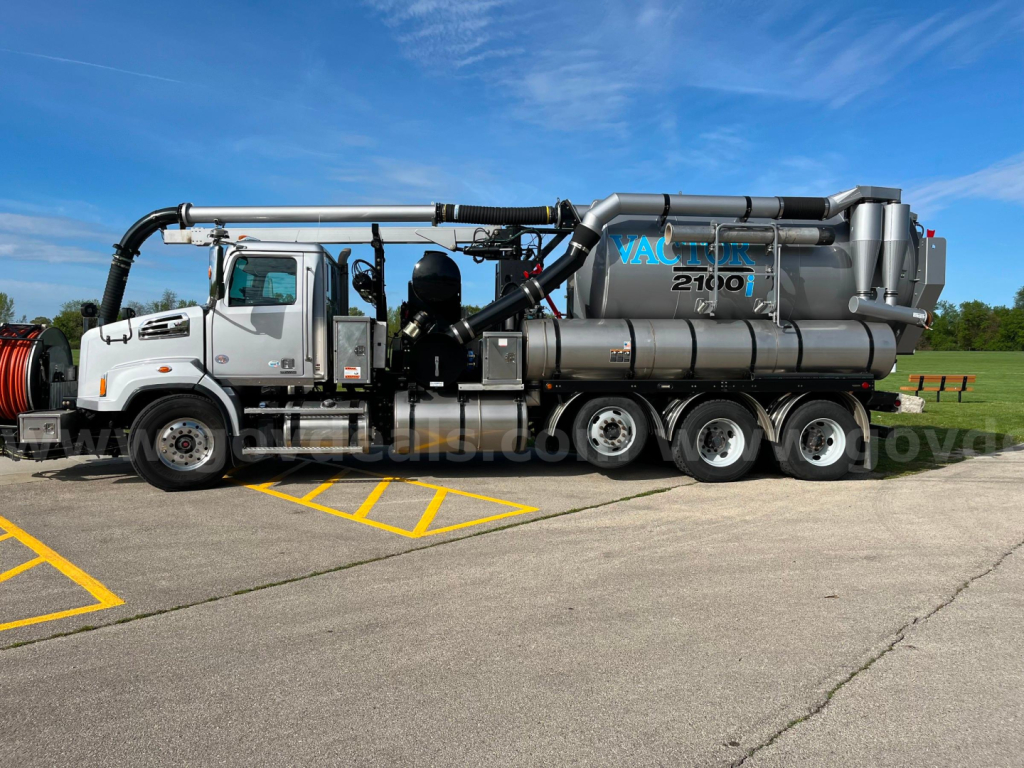
The trucks category also includes highly specialized units that are bought by function first, such as sewer rodder and septic trucks, vacuum trucks, roll-offs, hooklifts, bucket trucks, and service bodies. Those buyers should focus on pump hours, tank condition, hydraulic performance, PTO operation, and the condition of wear components tied to the body, not just the chassis. A truck can have modest miles and still show heavy vocational wear if it spent its life idling, running PTO equipment, or operating on short-route municipal duty. The best comparison across listings comes from looking at the complete package: chassis specs, body type, axle ratings, engine and transmission combination, service history, and how closely the truck fits the job it is expected to do.
Frequently Asked Questions about Trucks Near Green Bay, Wisconsin
What should I look at first when comparing trucks for sale?
Start with the truck's intended job, then match the core specs to that use. Key items include axle configuration, GVWR, engine horsepower and torque, transmission type, wheelbase, suspension, and brake setup. On vocational trucks, PTO capability, frame rail strength, cab-to-axle measurement, and front axle capacity are often more important than raw mileage. A truck that is correctly spec'd for the work will usually perform better and cost less to operate than a lower-priced unit with the wrong chassis layout.
Are miles or engine hours more important on a used truck?
It depends on the truck type and duty cycle. For over-the-road tractors, miles are a major benchmark because they reflect drivetrain use over long distances. For vocational and municipal trucks, engine hours and PTO hours can be more revealing because many of these units spend long periods idling or operating auxiliary equipment. A sewer cleaner, service truck, or utility truck may have moderate miles but significant wear from stationary PTO work, hydraulic use, and repeated stop-and-go cycles.
Why does wheelbase and cab-to-axle matter on commercial trucks?
Wheelbase affects ride, turning radius, bridge compliance, and how the truck carries weight across the axles. Cab-to-axle measurement is critical on body-install trucks because it determines whether a dump body, tank, crane, or service body will fit correctly on the chassis. If these measurements are wrong, the truck may require costly modifications or may not accept the intended upfit at all. Buyers replacing an existing unit usually benefit from matching these dimensions closely to the outgoing truck.
What is especially important when buying a truck in Wisconsin?
Rust and cold-weather service history deserve close attention. Trucks operated in Wisconsin are commonly exposed to road salt, plow routes, freeze-thaw conditions, and winter starting demands. Buyers should inspect frame rails, crossmembers, spring hangers, brake lines, wiring, fuel tanks, battery boxes, and cab floors for corrosion. It is also smart to review maintenance records for block heaters, batteries, air dryers, DEF system repairs, and any winter-related service that affects reliability.
How do I evaluate a specialized vocational truck like a sewer rodder or septic truck?
Evaluate the chassis and the body as two separate assets. On the chassis side, confirm engine condition, transmission operation, axle ratings, brake condition, suspension wear, and overall service history. On the equipment side, review tank condition, pump performance, hose reel function, hydraulic operation, PTO engagement, boom or reel wear, and body-specific hour meter readings if available. For combination jet-vac and sewer cleaning trucks, pump rebuild history, vacuum performance, and evidence of routine preventative maintenance are especially important.