
Trucks For Sale Near Greeley, Colorado
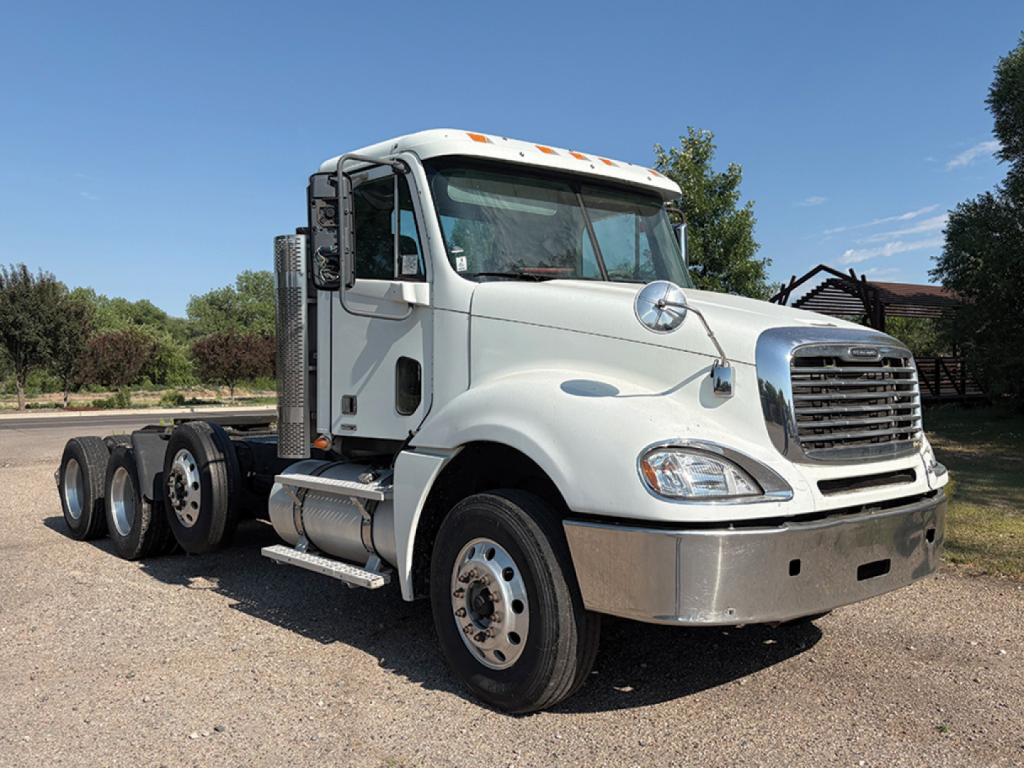
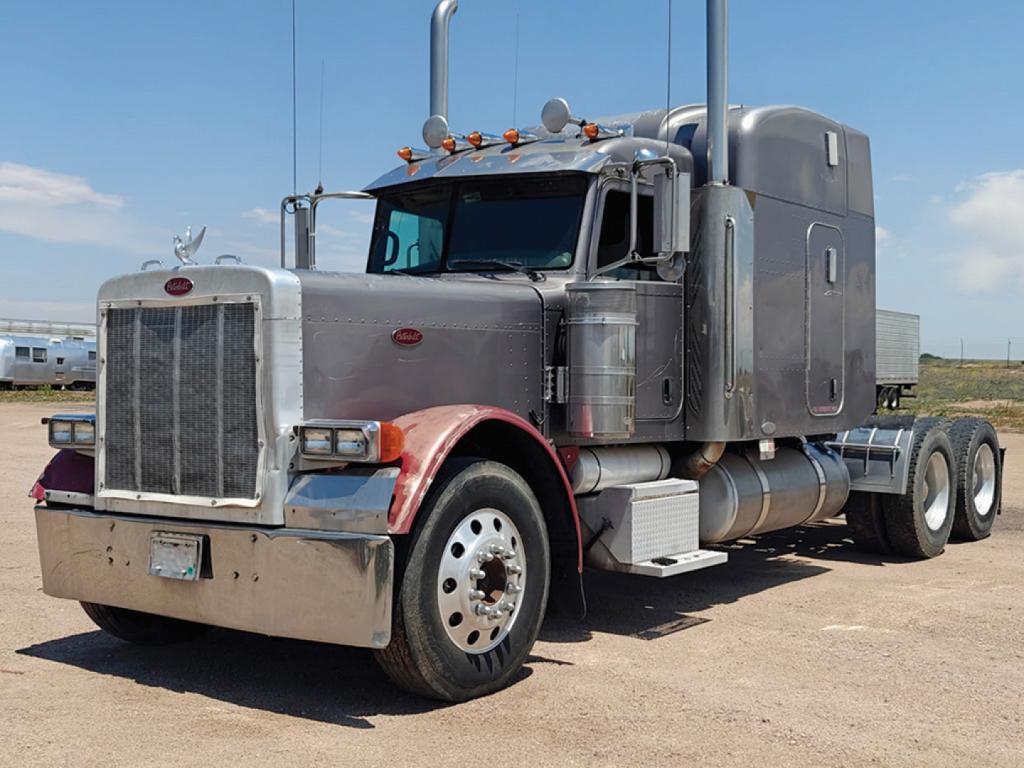
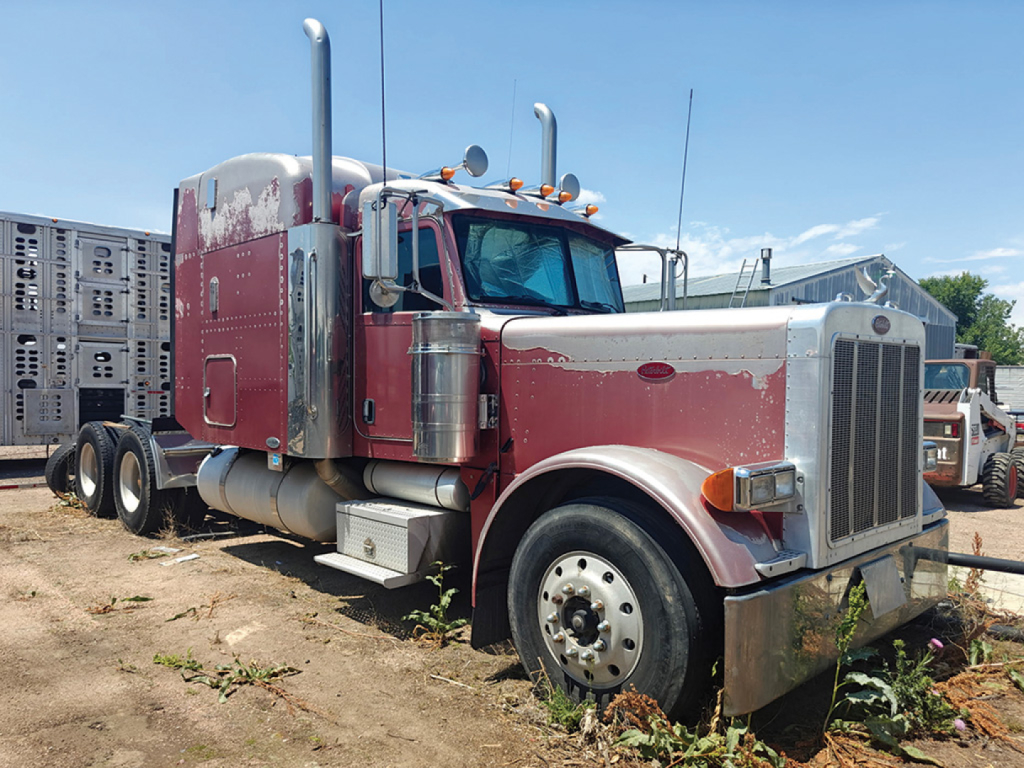
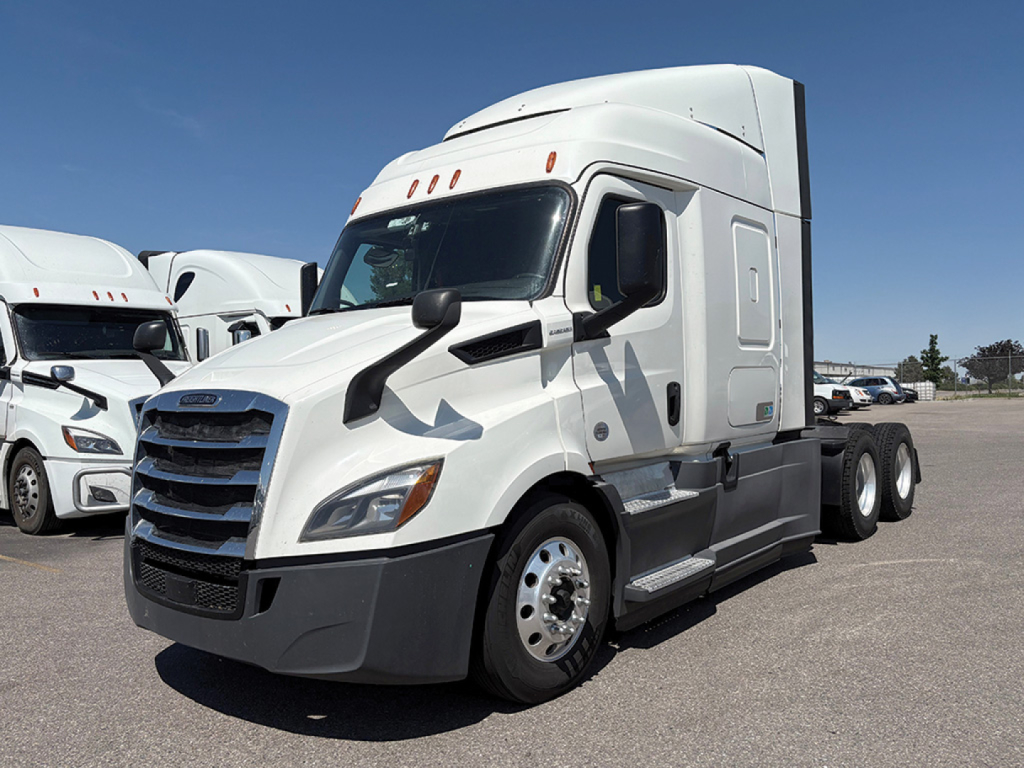
Browse trucks for sale in Greeley, Colorado, including day cabs and sleeper tractors with diesel power, automated transmissions, and fleet-ready specs.
Learn more
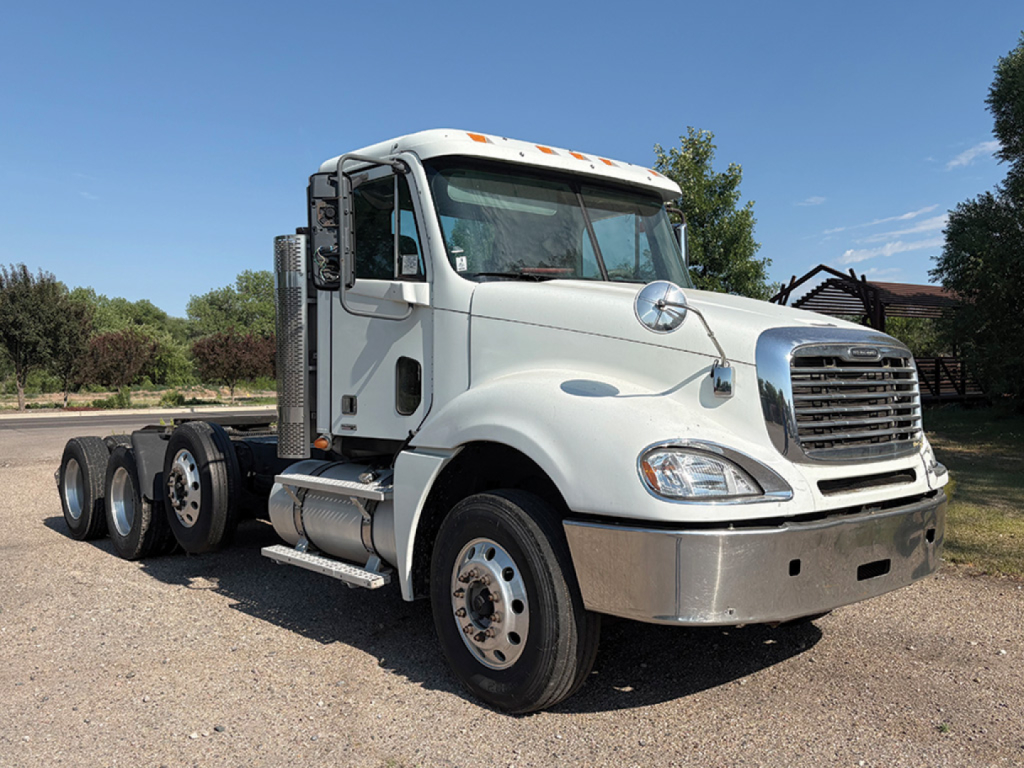
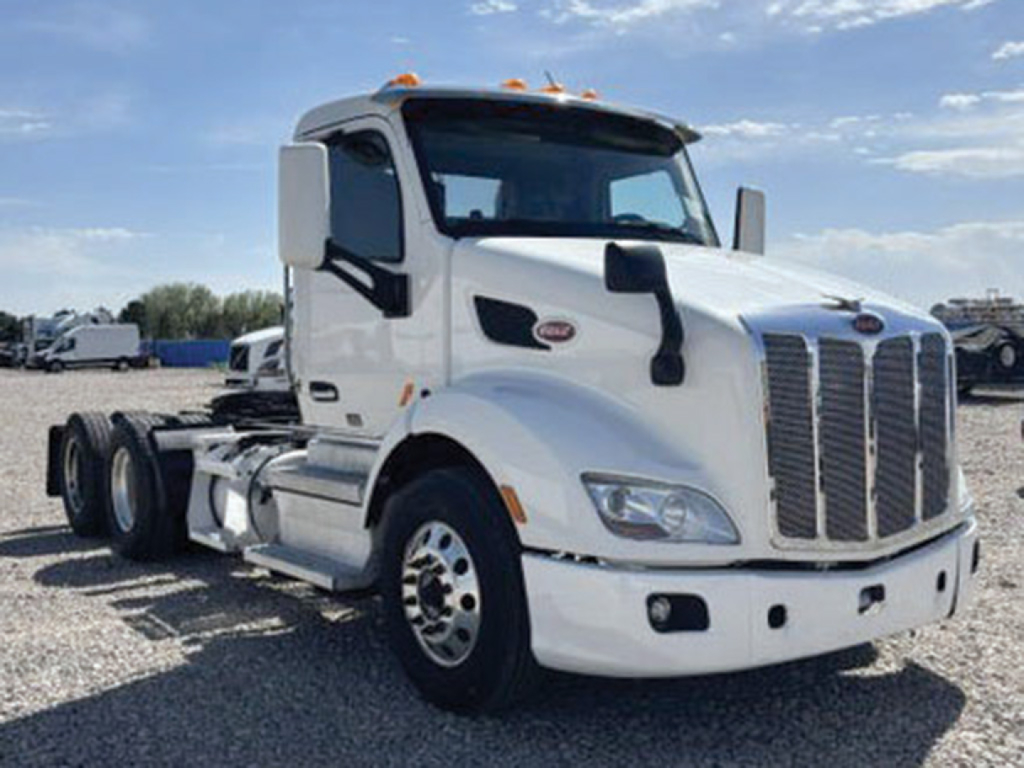
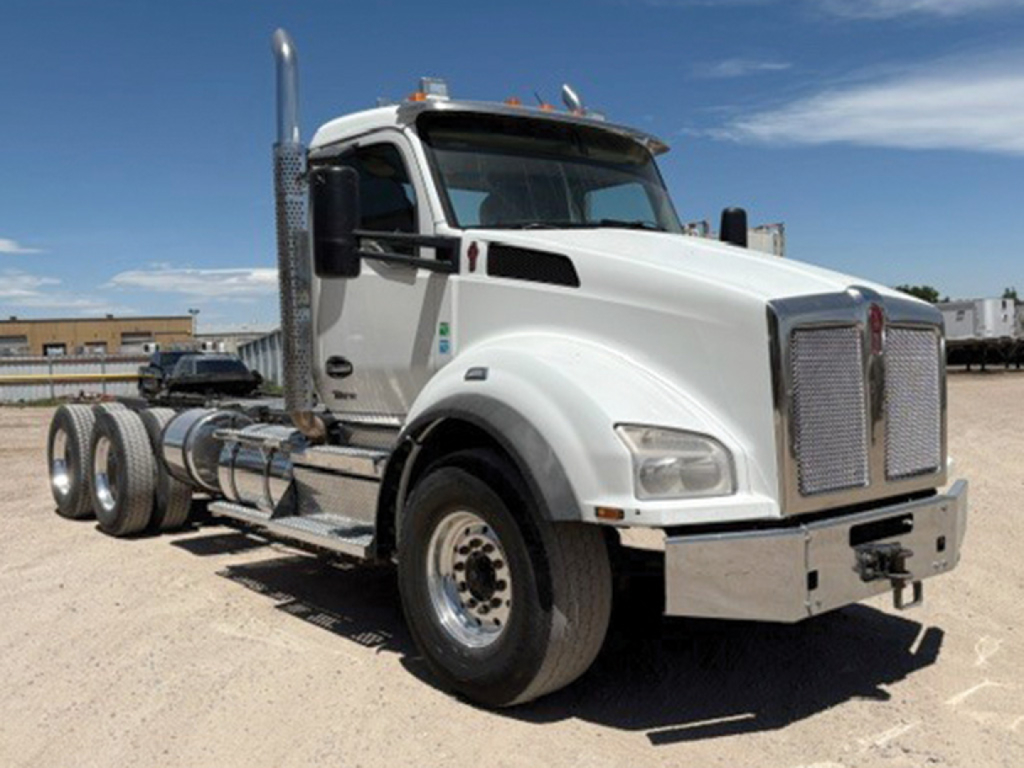
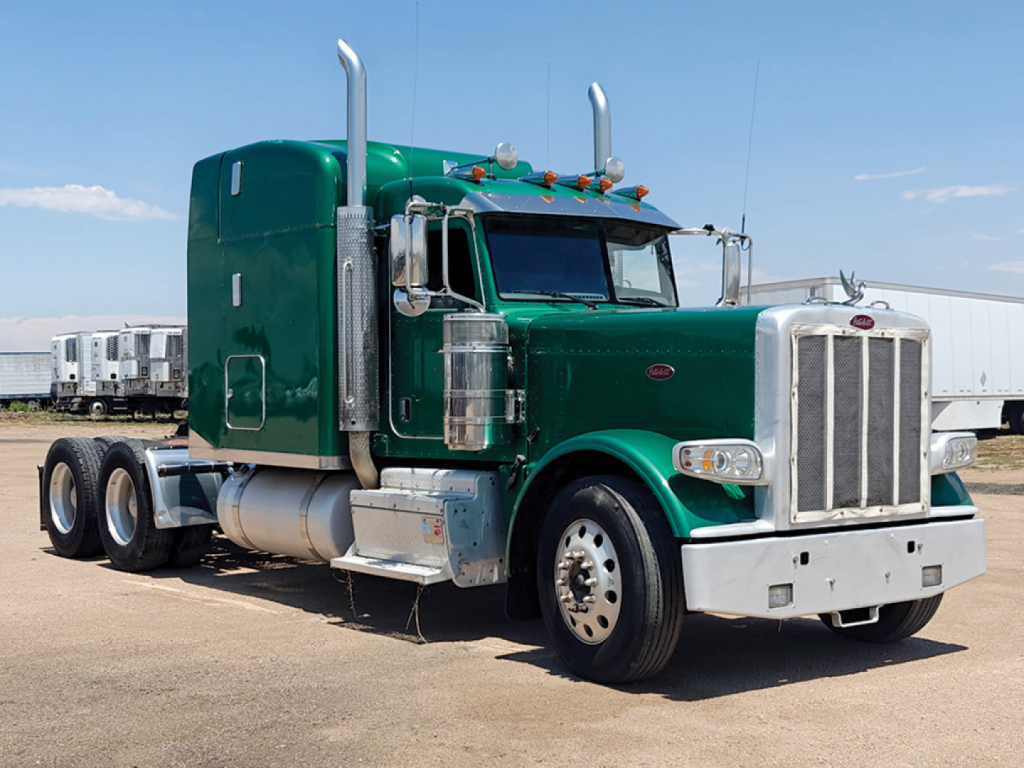
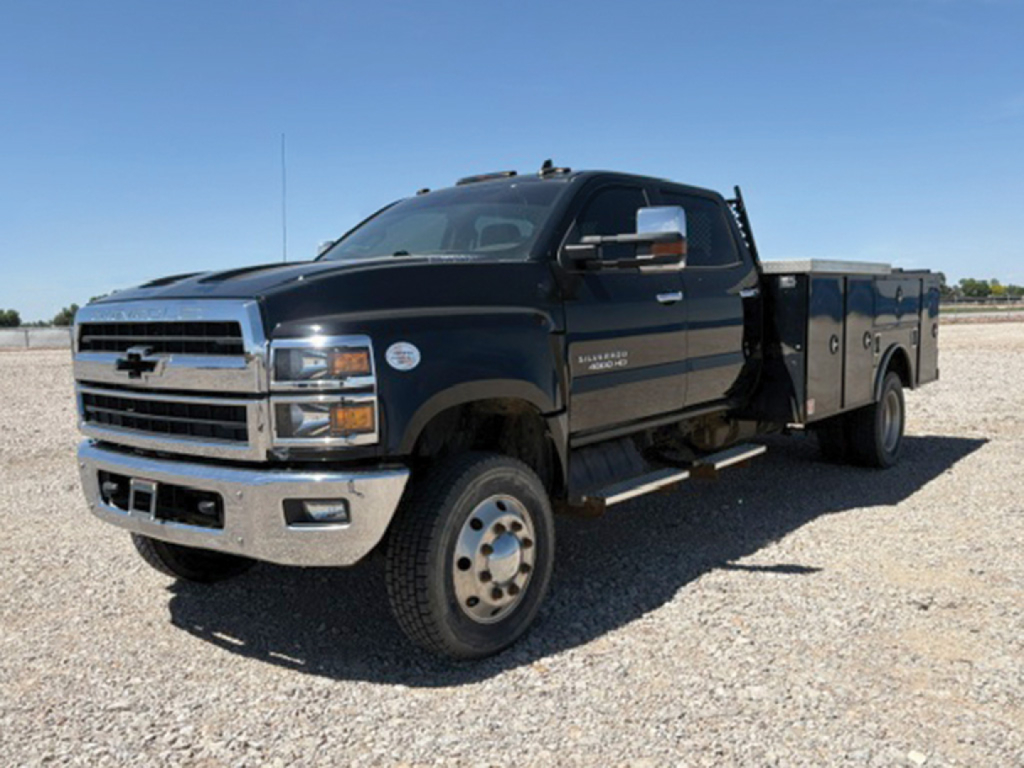
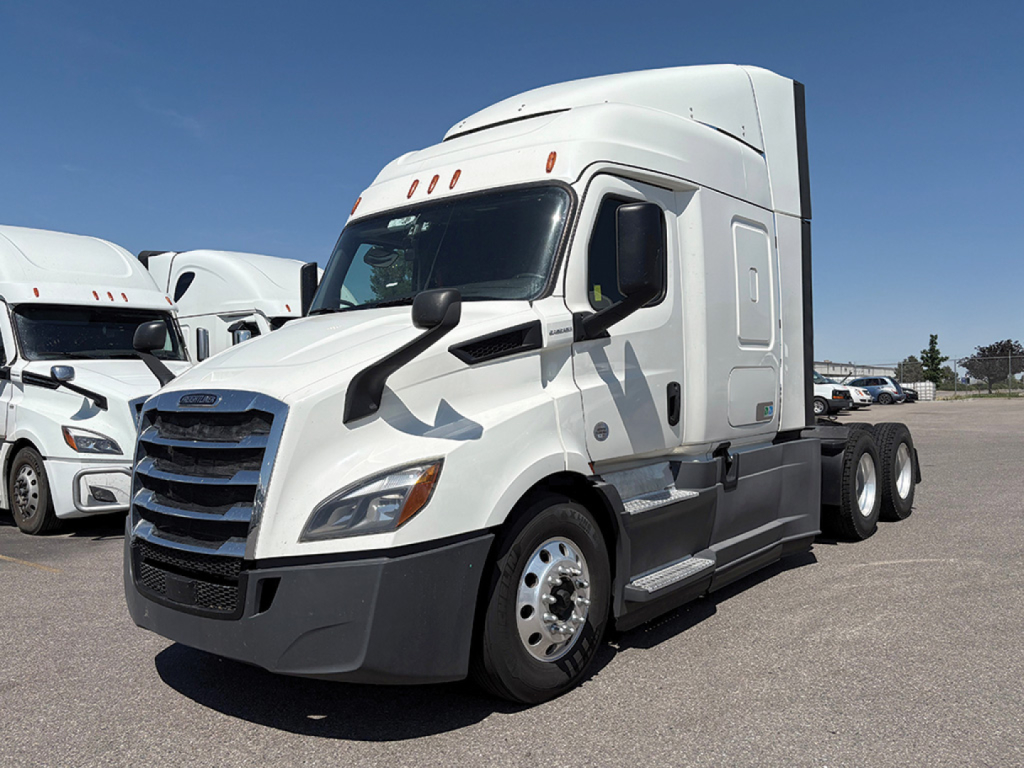
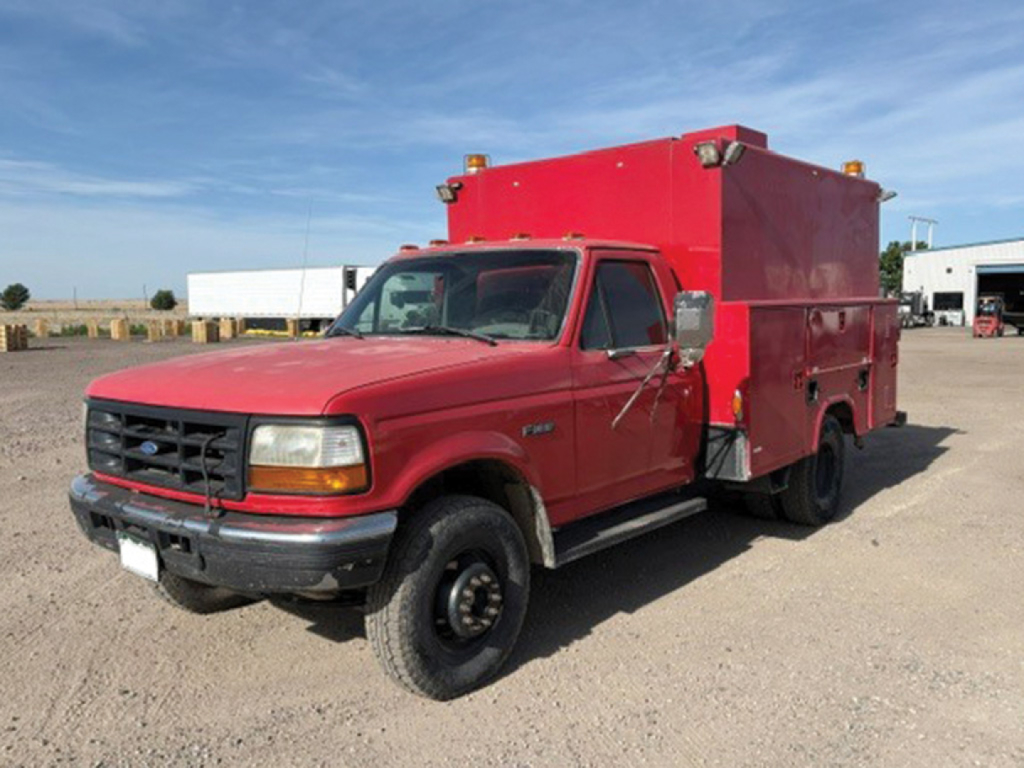
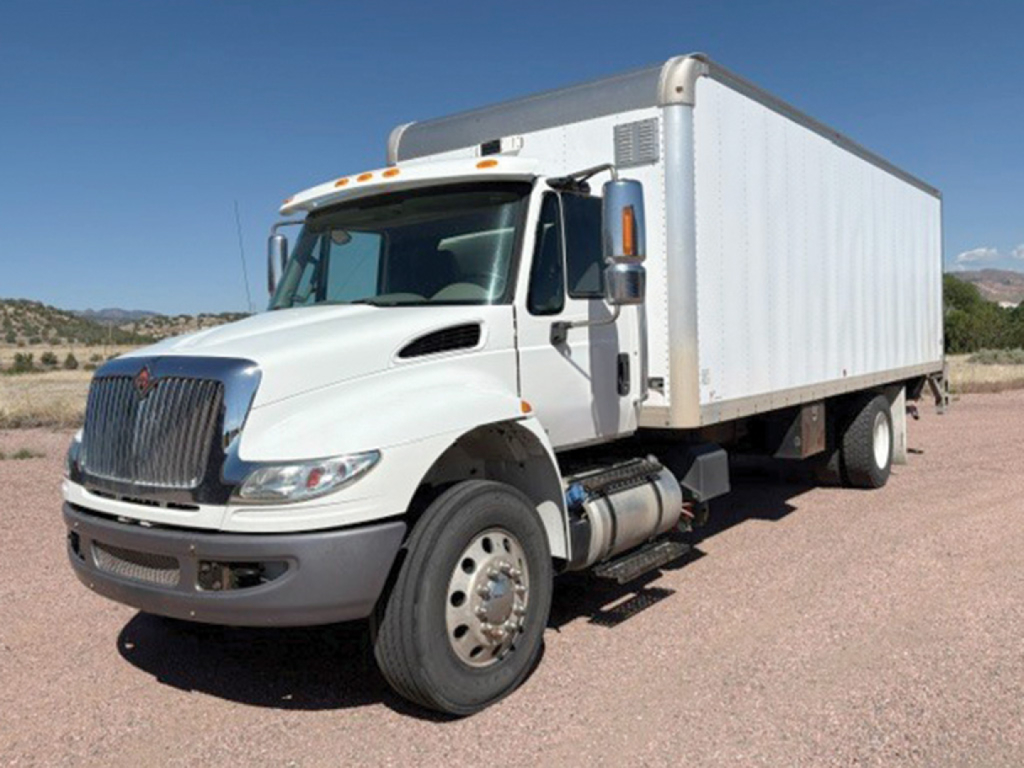
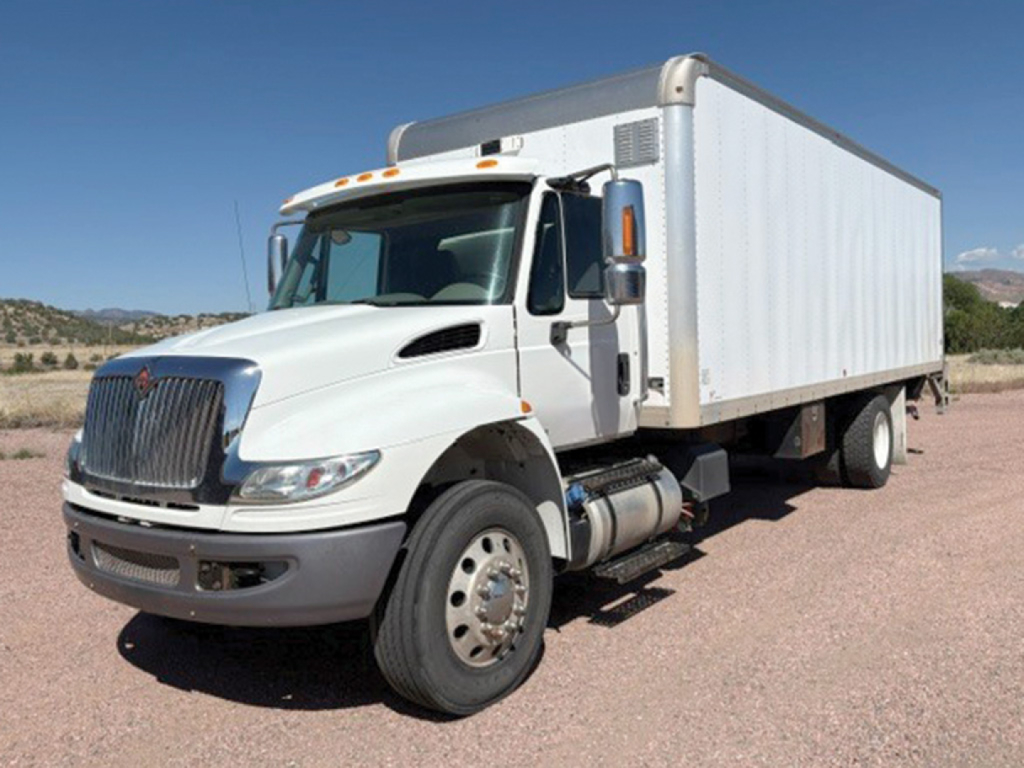
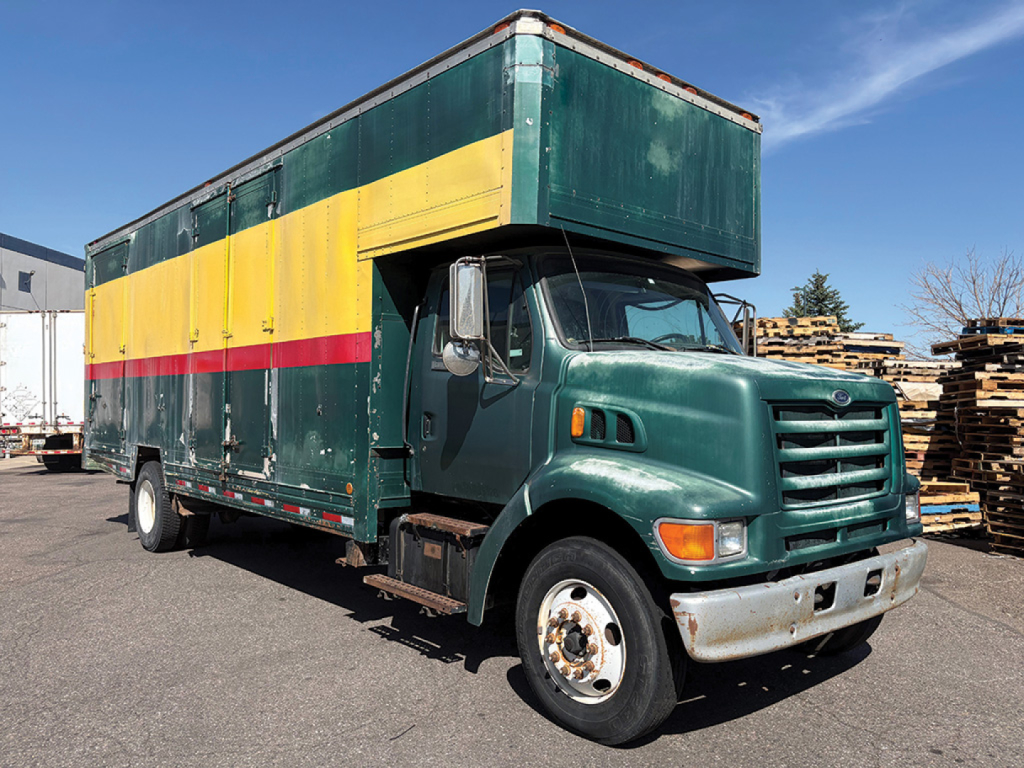
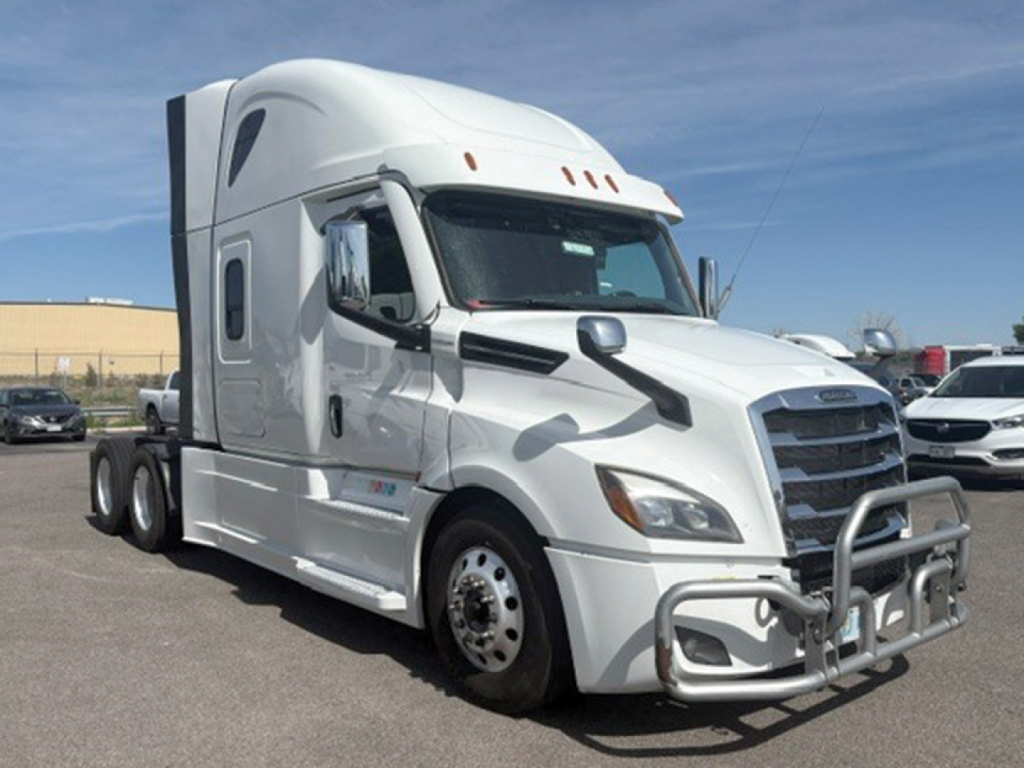
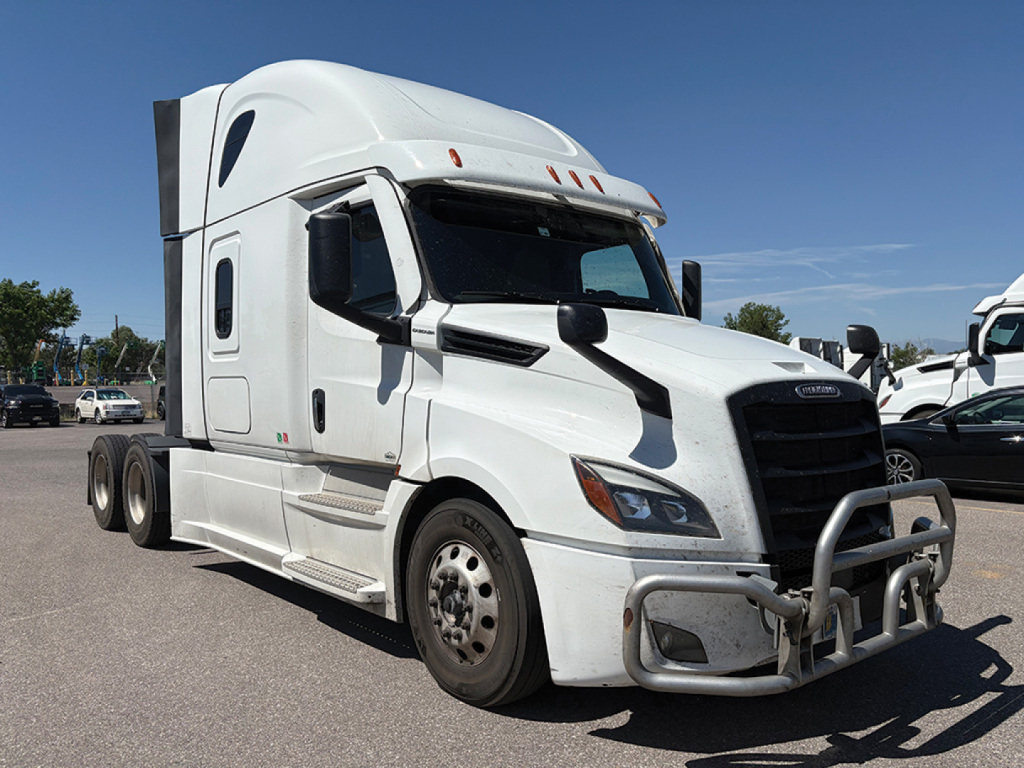
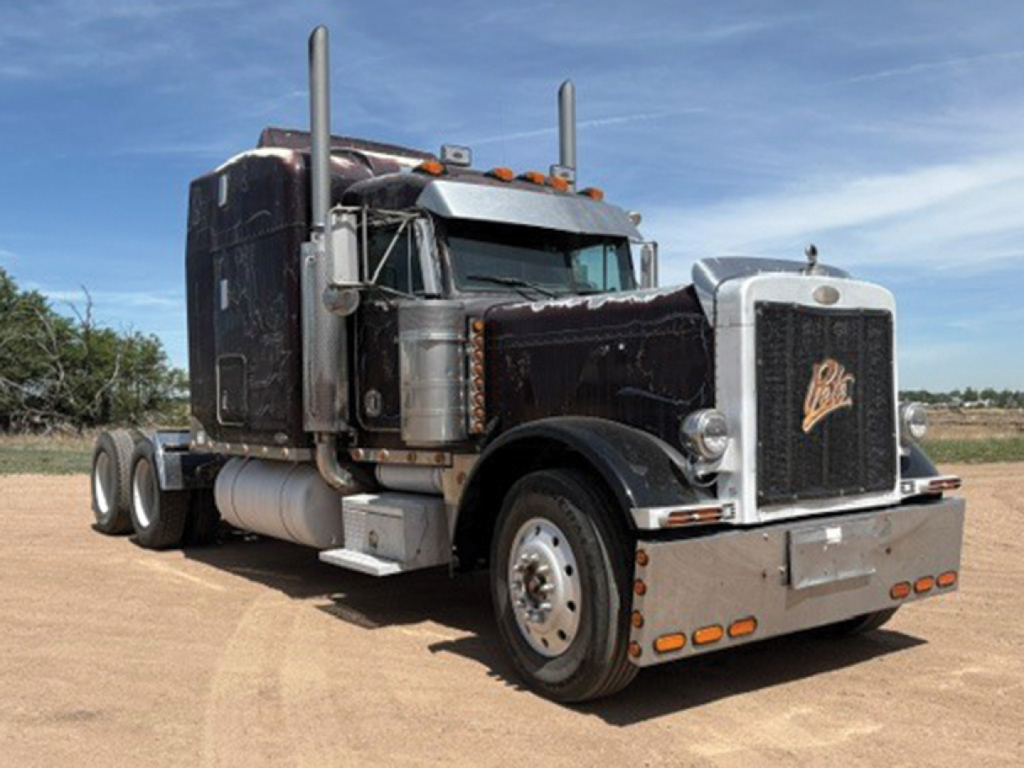
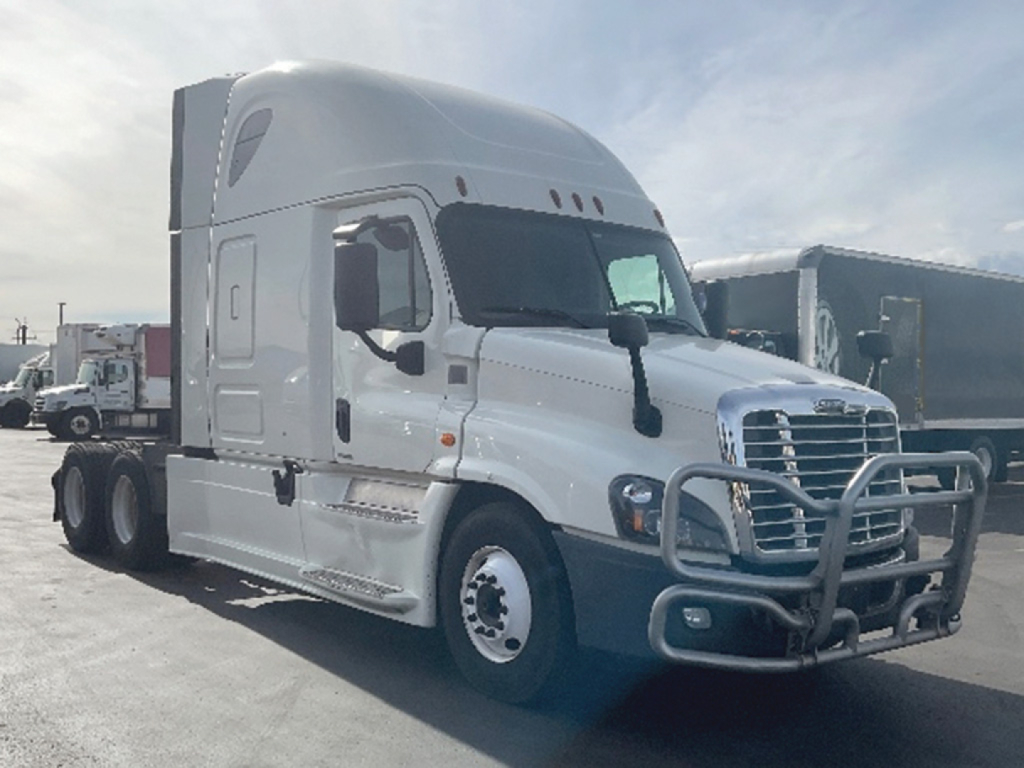

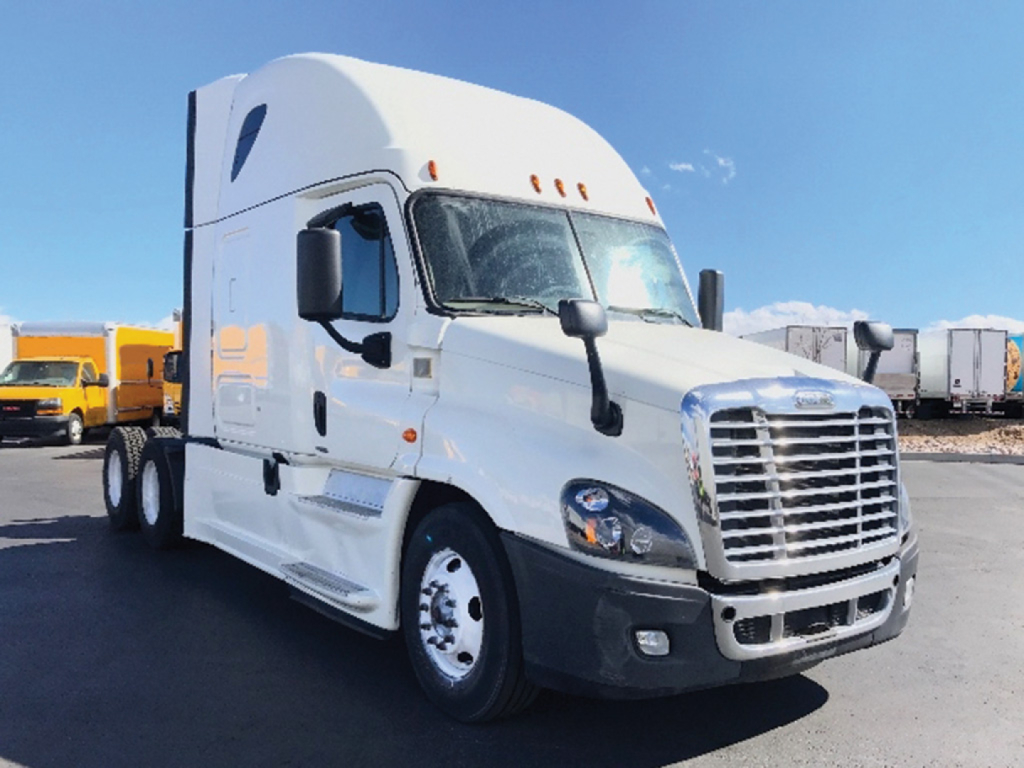
Showing 1 to 24 of 37 results
Have truck to sell? List it here to reach thousands of buyers.
About Trucks Near Greeley, Colorado
The first buying decision is usually drivetrain and axle configuration. Fleet-spec highway trucks often show up with 12-speed or 13-speed automated manual transmissions, integrated powertrains, and fuel-efficient rear axle ratios in the mid-2s to low-3s. Day cabs may be spec'd as single-drive units with a lift or tag axle for specialized regional applications, while sleeper tractors more often carry tandem drives rated around 40,000 pounds. Wheelbase, fifth wheel type, suspension, and front axle rating all affect how the truck will fit your trailers, bridge laws, and turning requirements. Buyers hauling van, reefer, or general freight should pay close attention to engine brake performance, kingpin setting compatibility, and whether the truck has an air-slide or fixed fifth wheel.
In Colorado, terrain matters. Trucks working I-25, the Front Range, or mountain corridors need a practical balance of horsepower, torque, axle ratio, and braking. A 405 to 455 horsepower class tractor with a modern 13-liter engine is common because it can handle elevation changes without giving up highway fuel economy. Automated transmissions such as Volvo I-Shift and similar OEM integrated gearboxes are popular for driver acceptance and consistency across mixed routes. Air ride suspension, aerodynamic fairings, aluminum fuel tanks, disc brakes, and low-profile 22.5 tires are also common on late-model highway tractors because they support ride quality, weight control, and operating efficiency.
Condition and specification matter more than badge alone. A buyer comparing used trucks should look at engine family, emissions system history, transmission model, rear ratio, maintenance records, tire and brake condition, and cab configuration before focusing on appearance. Sleeper details like bunk heater, APU, storage layout, and roof profile can materially affect idle time and driver comfort. On a day cab, visibility, steering feel, seat condition, and ingress are often more important than cosmetic trim. The right truck is the one spec'd for the freight, trailer lengths, annual miles, and terrain it will actually run.
Frequently Asked Questions
What is the difference between a day cab truck and a sleeper truck?
A day cab truck is a non-sleeper tractor designed for local or regional hauling where the driver returns regularly and does not need onboard living space. It typically has a shorter wheelbase, lower curb weight, and better maneuverability in tight yards or city deliveries. A sleeper truck includes a built-in bunk area behind the seats, which adds driver accommodations, storage, and often more fuel capacity for longer routes. Sleeper tractors are usually preferred for over-the-road freight and multi-day runs.
What horsepower range is common for used highway trucks?
Many used highway tractors fall in the 400 to 500 horsepower range, especially with 13-liter diesel engines from major OEMs. That range is popular because it balances fuel economy, durability, and pulling power for van, reefer, and general freight applications. Buyers operating in mountainous areas like Colorado often lean toward the upper end of that range or pair the engine with the right rear axle ratio and engine brake package for better grade performance.
Why does rear axle ratio matter on a truck tractor?
Rear axle ratio directly affects cruising RPM, launch performance, gradeability, and fuel economy. Lower numerical ratios such as 2.64 or 2.85 are common on aerodynamic highway tractors because they help reduce engine speed at road speed and improve fuel efficiency. The tradeoff is that the truck must be matched correctly to tire size, transmission gearing, and intended gross weight. A poor ratio choice can make a truck feel underpowered in hills or inefficient on flatter interstate lanes.
Are automated manual transmissions a good choice in used trucks?
Automated manual transmissions are widely accepted in late-model fleet trucks because they improve shift consistency, reduce driver fatigue, and help control driveline abuse. Systems like Volvo I-Shift and similar OEM automated gearboxes are common in both day cabs and sleeper tractors. For most buyers, they are a strong choice as long as service history is documented and the transmission calibration matches the truck's engine, axle ratio, and application. They are especially attractive in fleets trying to simplify driver training and improve fuel performance.
What should buyers inspect first on a used truck in Colorado?
For trucks operating in Colorado, buyers should start with powertrain spec, brake condition, and cooling system performance because altitude and grades expose weak points quickly. Engine brake effectiveness, emissions system service history, tire condition, and suspension wear are also important. If the truck will run mountain corridors, verify the horsepower, torque rating, rear ratio, and front axle capacity are appropriate for the freight and trailer combination. A truck that is efficient on paper but poorly matched to elevation and terrain can become expensive to operate.