
Used Grapple Trucks For Sale in Minnesota
Browse used grapple trucks for sale in Minnesota. Compare boom reach, lift capacity, body style, drivetrain, and hydraulic setup for debris hauling.
Learn more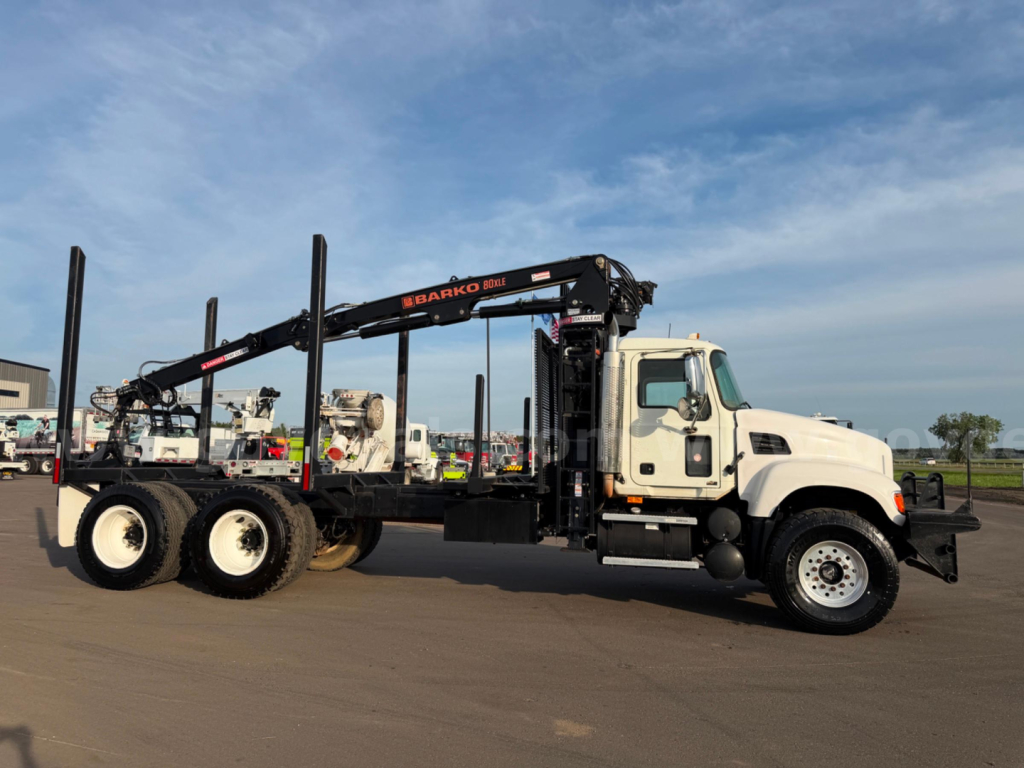

Have used grapple truck to sell? List it here to reach thousands of buyers.
About Used Grapple Trucks in Minnesota
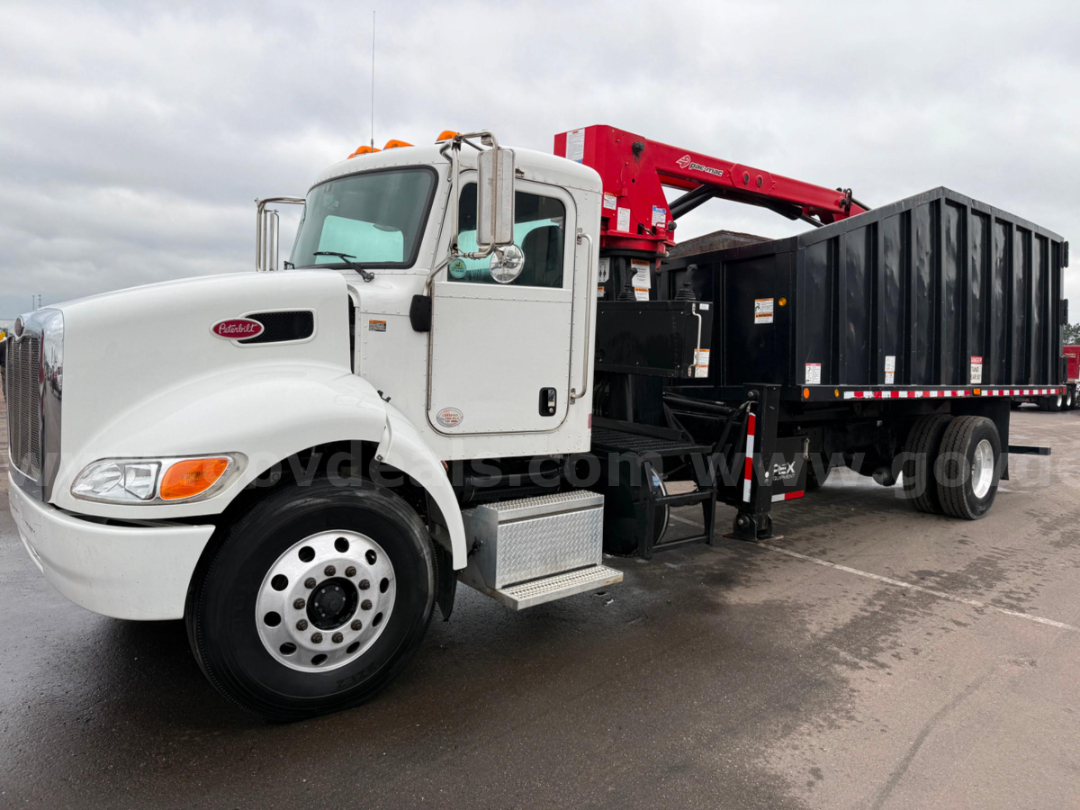
The grapple and hydraulic package usually matter more than paint or cab trim. Buyers should focus on boom reach, telescoping sections, lift capacity at full extension, swing torque, stabilizer setup, and control type. Common loader brands include Pac-Mac, Petersen Lightning Loader, Barko, and other hydraulic knuckleboom systems mounted behind the cab or at the rear of the body. Body configurations vary widely, from dump bodies and debris boxes to high-side refuse bodies and flatbed-style platforms. A rear-mount loader can improve loading efficiency into the body, while a behind-cab mount may offer a better balance of visibility and chassis packaging. On used units, check for pin and bushing wear, cylinder seepage, hose condition, turret play, weld repairs, and signs of frame stress around the subframe and outrigger mounts.
Chassis specs should match the material being loaded. Heavier grapple trucks often use severe-duty platforms from Mack, International, Peterbilt, Kenworth, Freightliner, or Western Star, with diesel engines in the medium to heavy horsepower range and Allison automatics or heavy manual transmissions. Front axle capacity, wheelbase, suspension rating, and bridge law compliance all affect payload and legal operation. In Minnesota, rust and corrosion deserve close attention, especially on bodies, crossmembers, hydraulic hard lines, electrical connections, and outrigger components exposed to road salt and freeze-thaw cycles. Pre-emissions trucks can appeal to fleets that want simpler engine systems, while newer used trucks may offer lower hours, cleaner cabs, and better operator controls.
A strong used grapple truck should be evaluated as a complete working system, not just a truck with a loader attached. Ask for loader service records, PTO and pump details, engine hours, body measurements, and verified lift charts if available. Check how the grapple is sized for the work, since a trash bucket, log grapple, or anti-scalping bucket changes productivity significantly. Cab layout, visibility to the work zone, tarp system, backup camera, and interlocks also affect day-to-day safety and cycle times. For buyers comparing listings, the best value usually comes from matching the truck's boom geometry, body capacity, and axle ratings to the actual debris stream rather than simply choosing the newest chassis.
Frequently Asked Questions
What is a grapple truck used for?
A grapple truck is used to pick up and haul bulky material such as brush, tree limbs, storm debris, logs, scrap, construction cleanup, and municipal waste. The hydraulic grapple loader lets one operator load material directly into the truck body, which reduces labor and speeds up collection routes. Different body and grapple combinations suit tree service, refuse, forestry, and public works applications.
What should I inspect first on a used grapple truck?
Start with the loader, hydraulic system, and truck frame. Check boom pins and bushings, cylinder seals, hoses, outriggers, turret rotation, PTO engagement, pump noise, and weld quality around the subframe. Then review axle ratings, suspension condition, body floor wear, rust, and engine and transmission service history. A used grapple truck with a strong chassis but a worn loader can become expensive quickly, so the attachment and hydraulic package deserve close inspection.
How much boom reach and lift capacity do I need on a grapple truck?
That depends on the body length, the type of debris, and how far the operator needs to reach from the curb or work zone. Longer reach helps with storm cleanup, transfer station work, and loading from uneven piles, but lift capacity usually drops as the boom extends. Buyers should compare lift charts at different radiuses, not just the maximum number listed in a sale ad. A truck handling dense logs or heavy brush bundles needs a different setup than one loading light municipal debris.
Are pre-emissions grapple trucks a good choice?
Pre-emissions grapple trucks can be attractive because they typically avoid diesel particulate filters and DEF systems, which simplifies maintenance for some fleets. They are common in municipal surplus and older vocational fleets. The tradeoff is that age, hours, corrosion, and hydraulic wear may be greater, so condition matters more than emissions status alone. A well-maintained newer used truck may offer better reliability, cab comfort, and control systems even if it has more emissions equipment.
What matters most when buying a used grapple truck in Minnesota?
Rust, cold-weather hydraulic performance, and chassis specification are especially important in Minnesota. Road salt can damage bodies, wiring, hydraulic tubing, stabilizers, and frame components, so corrosion inspection should be thorough. Buyers should also consider heater performance, cold-start behavior, and whether the hydraulic system has been maintained for winter service. Matching axle ratings, wheelbase, and body size to local routes and legal weight limits is just as important as loader brand or engine horsepower.