
Used 2007 Grapple Trucks For Sale
Shop used 2007 grapple trucks. Compare loader brands, boom setups, axle ratings, body capacity, and PTO-driven hydraulic specs.
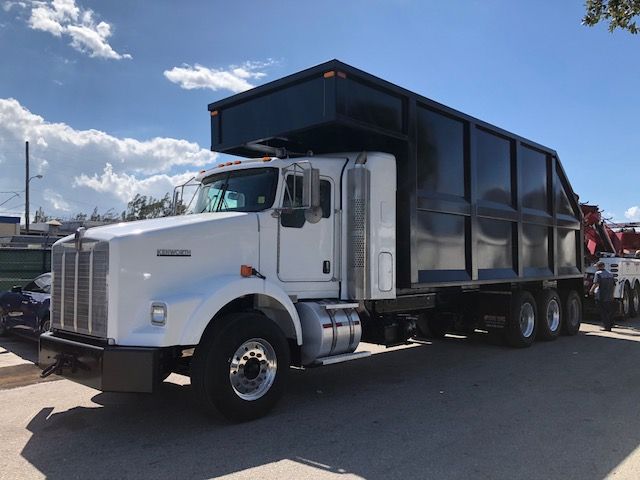
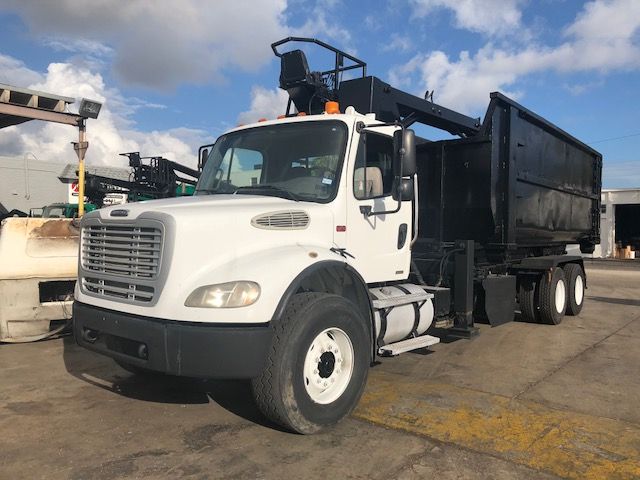

Have used 2007 grapple truck to sell? List it here to reach thousands of buyers.
Used 2007 Grapple Trucks
The most important buying decision is usually the loader and hydraulic package, not just the cab and chassis. Common grapple truck setups from this era use knuckleboom loaders from brands like Serco, Rotobec, Pac-Mac, and Heiden, often paired with an extended boom for better reach over tall side walls or wider loading areas. Check the boom pins, cylinder seals, turntable bearing, outriggers, valve bank response, and PTO engagement under load. A grapple truck that looks clean but has slow cycle times, drift in the boom, or cracks around the pedestal and subframe can turn into an expensive repair quickly. Buyers should also confirm whether the truck is a straight grapple dump body, a grapple roll-off combination, or a rear-hitch towing setup, because each configuration changes payload, versatility, and daily operating costs.
Body size and axle ratings matter just as much as loader reach. Many grapple trucks run large debris bodies in the 30 to 50 yard class for bulky but relatively light material such as brush, limbs, and storm waste. That does not automatically mean high legal payload, especially on older tandem trucks with heavy loaders and reinforced frames. Look at front axle capacity, suspension type, pusher or tag axle equipment if present, and the wheelbase in relation to body length and loader placement. A well-balanced 2007 grapple truck should steer predictably when the body is partially loaded and remain stable when the boom is extended off-center. If the truck will operate in neighborhoods, alleys, or tight transfer stations, turning radius and cab-to-axle dimension can matter more than raw body volume.
On a used 2007 model, condition is everything. Pay close attention to frame corrosion, body floor wear, hoist condition, tailgate seals, hydraulic tank contamination, and signs of municipal or tree-service abuse such as repeated overloading or rough off-road use. Engine hours can be as important as miles because grapple trucks spend a lot of time at high idle running the PTO. A thorough inspection should include cold start behavior, blow-by, transmission shift quality, brake and suspension wear, and evidence of past welding on the frame, outriggers, or loader mount. For buyers who need a truck that can work immediately, the best 2007 grapple trucks are the ones with clear service history, a tight loader, and a body and chassis spec that matches the material being handled rather than simply the biggest boom or largest box.
Frequently Asked Questions about Used 2007 Grapple Trucks
What should I inspect first on a used 2007 grapple truck?
Start with the loader, hydraulic system, and mounting structure. Inspect boom pins and bushings, cylinder leaks, pedestal welds, turntable bearing play, outrigger operation, PTO engagement, and hydraulic cycle speed under load. After that, review frame condition, body wear, axle ratings, and engine hours. On older grapple trucks, hydraulic and structural repairs can exceed the cost of more routine chassis maintenance.
Are 2007 grapple trucks good for tree service and storm debris work?
Yes, many 2007 grapple trucks are well suited for brush, limbs, log sections, and storm cleanup if the body, boom reach, and axle setup match the job. Trucks with large debris bodies and extended-boom loaders are especially common in this work. The key is verifying stability, legal weight distribution, and hydraulic performance, because debris operations involve frequent loading cycles and a lot of PTO time.
What is the difference between a grapple dump truck and a grapple roll-off truck?
A grapple dump truck has a fixed debris body and is generally simpler, lighter, and easier to maintain for routine collection routes. A grapple roll-off truck combines a loader with a roll-off hoist so it can load material and swap containers, which adds flexibility but also adds weight and mechanical complexity. Buyers should choose based on whether they need container handling or a dedicated debris body.
How many yards does a typical grapple truck body hold?
Grapple truck body capacity varies widely, but many units are equipped with debris bodies in the 30 to 50 yard range. That figure describes volume, not legal payload. Brush and storm debris can fill a large body without hitting axle limits, while denser material can overload the truck quickly. Always compare body size with front and rear axle ratings, wheelbase, and loader weight.
Do miles matter as much as hours on a used grapple truck?
No. On grapple trucks, engine hours often matter just as much as mileage because the truck may idle for long periods while the PTO powers the loader. A lower-mile truck with very high idle hours can have significant engine, PTO, and hydraulic wear. The best evaluation combines odometer reading, engine hours, service records, and actual operating performance during inspection.