
Grapple Trucks For Sale in New Mexico
Browse grapple trucks for debris, waste, brush, and storm cleanup. Compare boom reach, body size, GVWR, axle ratings, and loader controls.
Learn more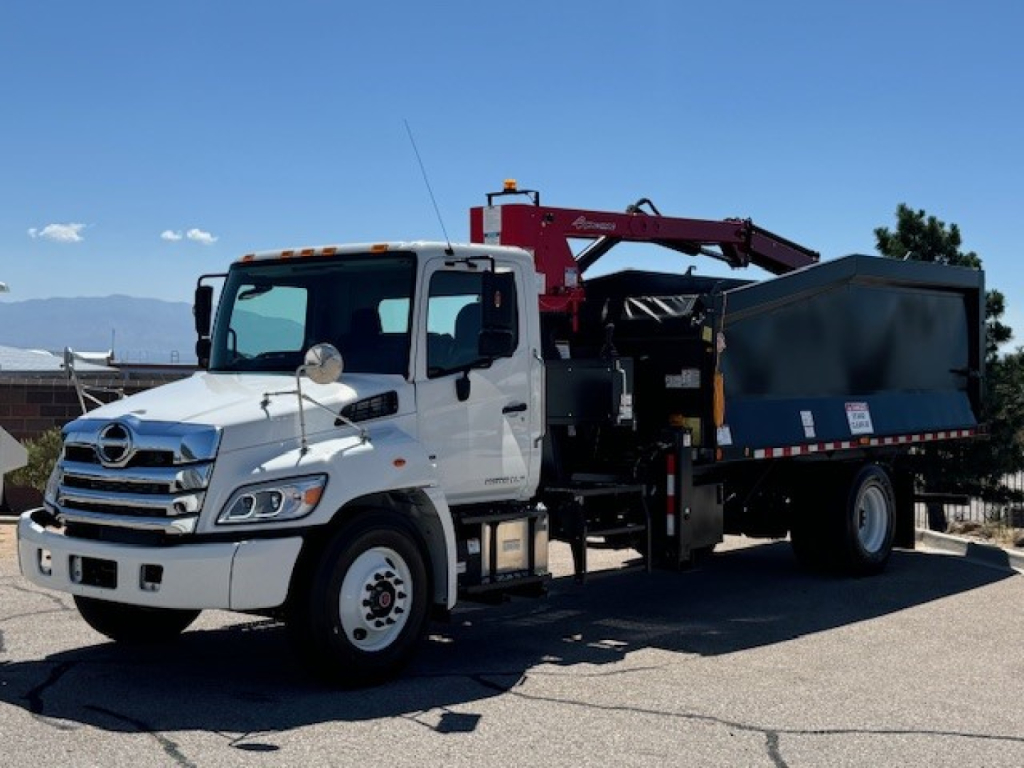
Have grapple truck to sell? List it here to reach thousands of buyers.
About Grapple Trucks in New Mexico
Common configurations in this category include Class 7 and Class 8 chassis with single-axle or tandem-axle layouts, automatic transmissions, and diesel engines sized for stop-and-go vocational work. Loader packages often come from established brands such as Pac-Mac, Petersen, Rotobec, or Prentice, with clam-shell or brush grapples depending on the material stream. Body sizes vary widely, but many municipal and contractor units fall in the 20 to 30 cubic yard range, often with high sides, barn doors, tarps, and abrasion-resistant steel such as Hardox in high-wear areas. Boom length, lift capacity, and outrigger design matter more than advertised body volume if the truck will routinely handle green waste, large limbs, or dense construction debris.
Chassis spec is critical on a grapple truck because the loader, subframe, body, and material load add weight quickly. A buyer should verify front axle capacity, rear axle rating, wheelbase, and GVWR against the installed crane and body combination. Locking differentials, aggressive rear ratios, and vocational transmissions are valuable for unpaved yards, transfer stations, and neighborhood collection routes with frequent starts and stops. Joystick controls, rear camera systems, work lights, tarp systems, and tool storage also affect day-to-day efficiency. In a dry, dusty market like New Mexico, hydraulic system condition, hose routing, cylinder protection, and cooling performance deserve close attention, especially for trucks working long summer shifts.
The best grapple truck is the one matched to the material, route density, and dump cycle. Tree and landscaping contractors may prioritize boom speed and grapple precision, while municipalities often want dependable pack-out volume and simple controls for mixed operators. Scrap and C&D users may need heavier body construction and stronger loader ratings than brush-only applications. Also called a grapple loader truck, brush truck, or debris grapple truck depending on the body and end use, this equipment class is designed around reducing labor while keeping collection moving. A well-matched spec improves safety, shortens load times, and lowers the number of trips required to clear a route.
Frequently Asked Questions
What is a grapple truck used for?
A grapple truck is used to pick up, load, transport, and dump bulky loose material such as brush, limbs, logs, storm debris, demolition debris, scrap, and municipal waste. The hydraulic boom and grapple let one operator handle material that would otherwise require a separate loader crew. That makes this truck class especially useful for tree service companies, cities, sanitation contractors, and debris removal operations.
What specs matter most when comparing grapple trucks?
The most important specs are boom reach, grapple type, lift capacity, body volume, axle ratings, wheelbase, and GVWR. Buyers should also look at the loader brand, outrigger design, hydraulic system layout, transmission type, and rear axle ratio. A truck with a large body but limited crane capacity can be less productive than a smaller, better-balanced setup, so the body and loader need to be matched to the actual material being hauled.
Is a single-axle or tandem-axle grapple truck better?
A single-axle grapple truck is often easier to maneuver on residential streets, alleys, and tight municipal routes, and it can be a strong fit for brush pickup and lighter debris work. A tandem-axle unit usually offers more payload capacity, better weight distribution, and a stronger platform for larger bodies and heavier loader packages. The right choice depends on route access, legal weight limits, dump distances, and the density of the material being collected.
What type of body is common on a grapple truck?
Many grapple trucks use an open-top dump body with high sides and a rear barn door or tailgate for unloading. Bodies are commonly built for brush, green waste, refuse, or construction debris, and some include wear-resistant liners or Hardox steel in high-abrasion areas. Body size is usually measured in cubic yards, but buyers should remember that legal payload and material type matter more than the advertised box volume alone.
What should buyers inspect on a used grapple truck?
Buyers should inspect the boom structure, pivot points, pins, bushings, hydraulic cylinders, hoses, pump performance, and outrigger operation. The body floor, side walls, subframe, and rear door areas should be checked closely for cracking, rust, and impact damage. On the chassis side, axle ratings, frame condition, suspension wear, transmission operation, PTO function, and front-end loading are important because grapple trucks place significant stress on both the truck and the hydraulic equipment.