
Grapple Trucks For Sale in Minnesota
Browse grapple trucks for sale in Minnesota. Compare boom reach, lift capacity, body style, chassis specs, and loader brands for debris work.
Learn more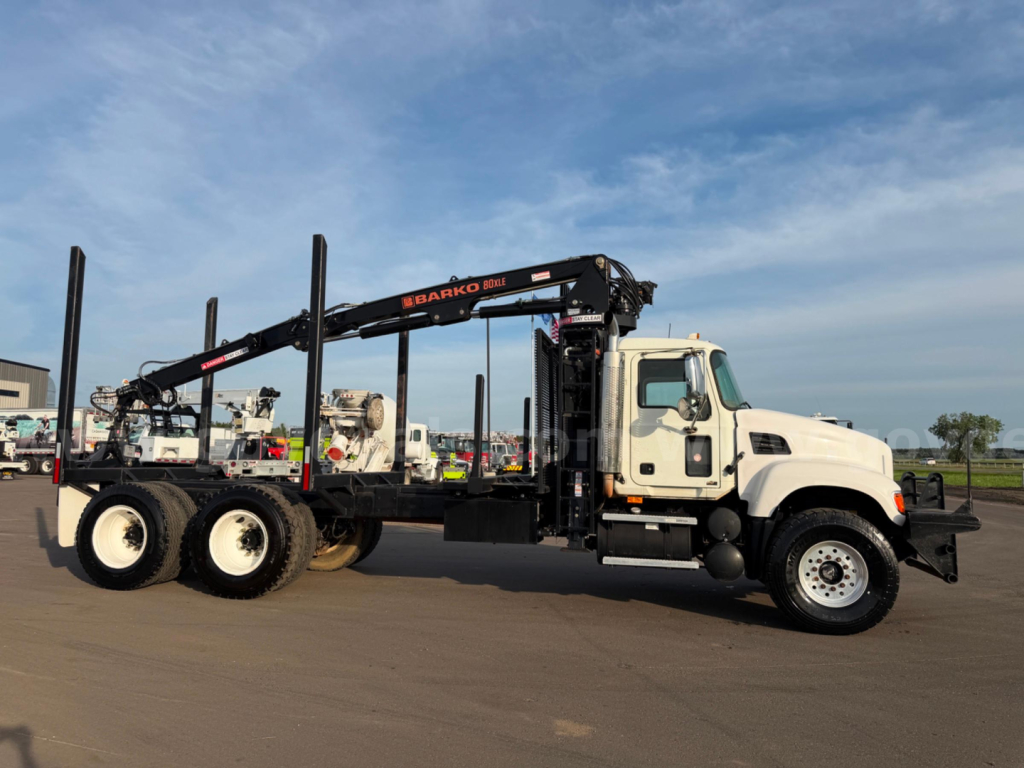

Have grapple truck to sell? List it here to reach thousands of buyers.
About Grapple Trucks in Minnesota
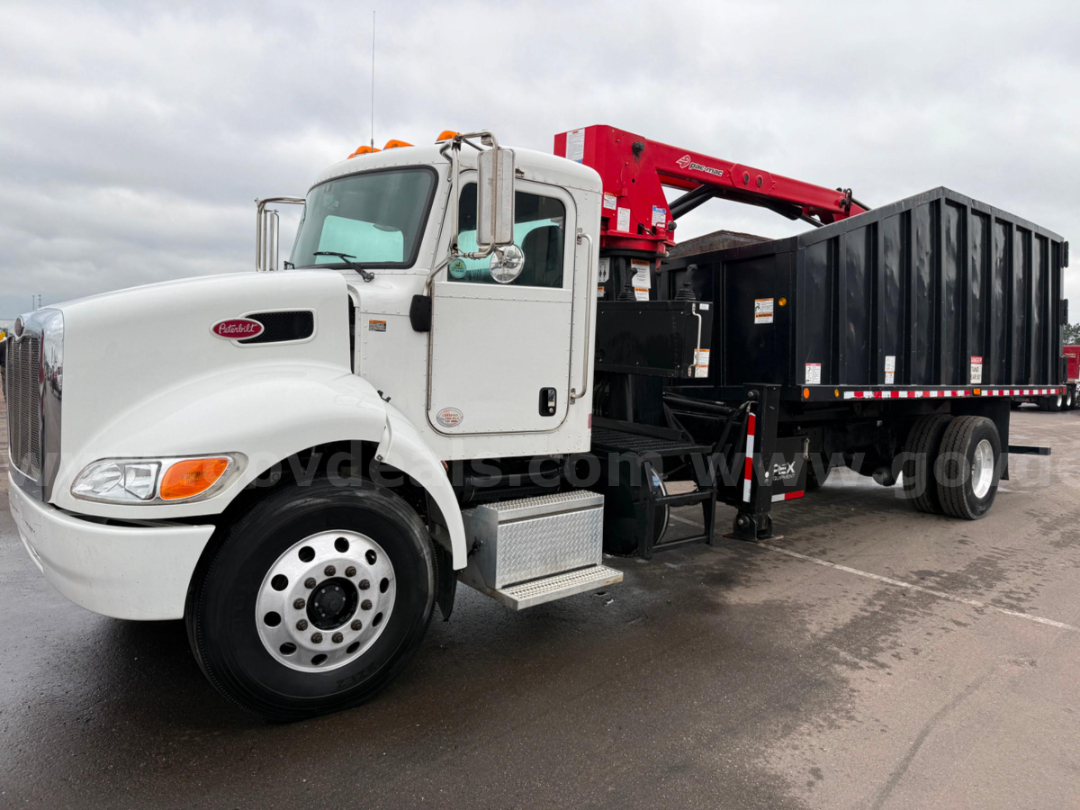
Loader configuration matters as much as the truck itself. Common setups include Petersen and Pac-Mac grapple systems with telescoping booms in the 20-foot range, often paired with anti-scalping trash buckets or clamp-style grapples for mixed debris. A truck that can lift around 3,000 pounds at full extension may be adequate for brush, household bulky waste, and storm debris, while higher capacity at shorter reach is important when loading denser material like construction waste or large wood sections. Buyers should pay close attention to hydraulic condition, loader pin and bushing wear, valve response, boom cycle speed, and whether the unit has a single-cylinder or multi-cylinder bucket design. In stop-and-go service, an Allison automatic transmission is common because it handles frequent starts well and simplifies operation for municipal and multi-driver fleets.
Chassis selection should match both route conditions and legal payload targets. Class 7 and Class 8 platforms from International and Peterbilt are common in this category, usually spec'd with diesel engines in the mid-range horsepower band, air brakes, and vocational suspensions. In Minnesota, axle ratings, wheelbase, and overall turning radius are important because a grapple truck may spend one day on tight residential alleys and the next at a transfer site or rural cleanup location. Buyers should also evaluate frame condition, hoist performance if the body dumps, PTO operation, outrigger stability, and the condition of the packer or body floor if the truck is set up for refuse or bulky waste. Corrosion can be a bigger concern in northern climates, so inspect crossmembers, body mounts, hydraulic lines, and cab structure closely on used units.
The best grapple truck for sale is the one matched to the material stream and duty cycle. A lighter municipal debris truck may prioritize reach, visibility, and fast loading cycles, while a contractor-focused unit may need more robust body construction, heavier suspension, and stronger lifting numbers close in. ANSI compliance, interlocks, trailer air, differential locks, and operator-friendly controls can all affect long-term usability. For buyers comparing listings, the most useful specs are boom reach, lift chart, body length and capacity, GVWR, engine and transmission combination, and service history on the hydraulic system. A well-matched grapple truck can reduce labor, cut loading time, and handle debris collection with far more efficiency than a conventional dump truck and separate machine.
Frequently Asked Questions
What is a grapple truck used for?
A grapple truck is used to pick up, load, haul, and dump bulky material such as brush, storm debris, tree limbs, construction debris, and oversized solid waste. The hydraulic loader and grapple let one operator handle material that would otherwise require a separate machine or additional labor. Municipal fleets, tree service contractors, waste haulers, and demolition crews commonly use grapple trucks for efficient curbside and site cleanup work.
What specs matter most when buying a used grapple truck?
The most important specs are boom reach, lift capacity at full and partial extension, body size, chassis GVWR, axle ratings, and the engine-transmission combination. Buyers should also evaluate PTO engagement, hydraulic pump performance, outrigger condition, loader wear points, and how the body is built for the intended material. A truck that looks similar on paper can perform very differently depending on loader geometry, hydraulic health, and how it was maintained.
How much boom reach does a typical grapple truck have?
Many grapple trucks are equipped with booms in the 20-foot class, sometimes with a telescoping extension that improves curbside pickup and loading flexibility. Reach alone does not tell the full story because lift capacity drops as the boom extends. A useful buying comparison is the lift chart, which shows how much the loader can safely handle at 10 feet, 15 feet, and full extension.
Are grapple trucks good for Minnesota municipal and storm cleanup work?
Yes. Grapple trucks are well suited for Minnesota municipal use because they can handle brush collection, storm damage cleanup, bulky waste routes, and seasonal debris removal with one truck and one operator. For northern service, rust condition, hydraulic line protection, cold-weather starting performance, and frame integrity are especially important. Trucks used in snow, salt, and freeze-thaw conditions should be inspected carefully underneath and around body mounting points.
What is the difference between a grapple truck and a regular dump truck?
A regular dump truck carries and dumps material but usually needs an excavator, skid steer, or manual labor to load it. A grapple truck combines hauling capacity with a hydraulic loader and grapple attachment, so it can self-load bulky debris. That makes it more productive for routes and cleanup work where material is spread out, irregularly shaped, or too large for easy hand loading.