
Kenworth Grapple Trucks For Sale
Kenworth grapple trucks for debris and forestry with knucklebooms; payload, floor strength, hydraulic thermal control, and corrosion resistance. Value
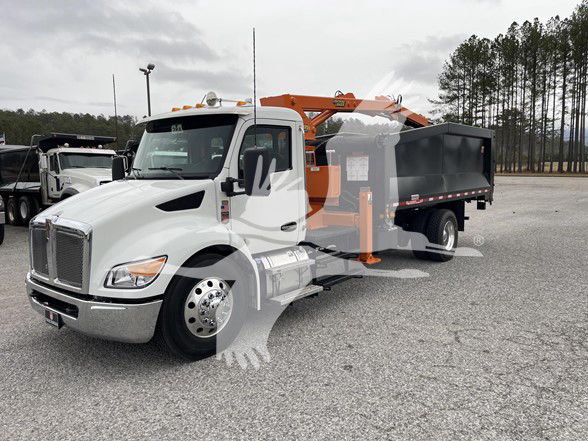
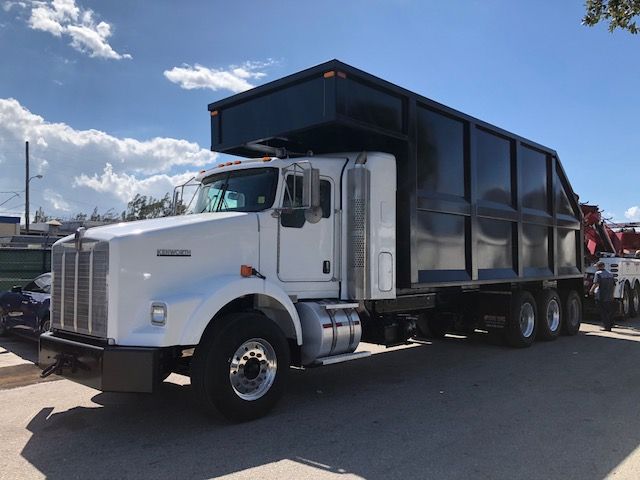

Selling a kenworth grapple truck? List your kenworth grapple truck for sale and reach thousands of commercial buyers.
Kenworth Grapple Trucks
On the body side, floor strength is critical because grapples drop uneven loads. Look for AR400 or AR450 floors in 3/16 to 1/4 inch thickness, tighter crossmember spacing, and reinforced hoist saddles; many debris bodies add wear plates in the loading zone and full-height front bulkheads to resist torsion from the loader. Chip boxes can run lighter floors and smooth interior liners for unloading efficiency, while demo and C&D bodies benefit from taller side posts, heavy scuff plates, and high-lift or barn-door tailgates. A loader-ready subframe that ties into the chassis with properly spaced U-bolts, outriggers with wide pads, and a clean back-of-cab layout reduces stress on rails and shortens upfit time.
Thermal integrity matters during long PTO sessions; heat in hydraulic oil degrades seals and slows cycle times. Spec a larger hydraulic reservoir with proper return-line filtration, add an oil-to-air cooler sized for continuous duty, and match pump displacement to desired crane speed at modest engine rpm. Kenworth cooling packages with high-capacity radiators and fan drives help maintain engine temps while parked and working, cold weather packages with block heaters and in-tank hydraulic heaters preserve viscosity and reduce cavitation at startup. Shield hydraulic hoses from DPF and exhaust heat, and route lines to minimize backpressure and aeration.
Tare weight drives payload and compliance. Steel debris bodies and high-capacity loaders add mass, aluminum chip boxes, composite fenders, aluminum wheels, and smaller pump groups trim hundreds of pounds. Axle selection, suspension type, and outrigger style also move the scale; Hendrickson Haulmaax or Chalmers rubber suspensions ride well off road but weigh more than air ride, while 8x4 layouts improve distribution at the cost of added tare. Corrosion resistance pays back in resale and uptime; look for e-coated or galvanized subframes, epoxy primer and powder topcoat, sealed Deutsch connectors, stainless or zinc-nickel hydraulic fittings, and underbody wash systems if operating in coastal or deicing environments. Remote controls, load charts that match your material density, and stable outriggers complete a safe, productive Kenworth grapple truck spec.
Frequently Asked Questions about Kenworth Grapple Trucks
Which Kenworth chassis are commonly used for grapple trucks, and how should I choose among them?
Medium duty applications with lighter loaders and chip boxes often use the T380 or T440 for tighter turning and lower tare weight. Heavy debris and C&D work typically calls for T800 or T880 frames with higher RBM, 20k steer axles, 46k tandems, and room for outriggers and large reservoirs. Choose set-forward steer for bridge and front axle loading, or set-back steer for maneuverability; add pushers or tags to keep axle weights legal with variable load densities.
How do I evaluate floor strength and body durability for grapple work?
Focus on floor material and thickness, crossmember spacing, and reinforcement in impact zones. AR400 or AR450 floors at 3/16 to 1/4 inch resist gouging from scrap, stumps, and concrete; tighter crossmember spacing and reinforced hoist saddles control flex. Tall front bulkheads, heavy scuff plates, and high-lift or barn-door tailgates help contain irregular loads and speed dumping without damage.
What impacts hydraulic thermal performance during continuous loader use?
Continuous PTO work generates heat in the hydraulic circuit; undersized reservoirs and coolers shorten component life and slow cycles. A larger reservoir with return-line filtration, an oil-to-air cooler, correctly sized pump displacement, and appropriate engine rpm maintain oil temperature and speed. Support engine cooling with high-capacity radiators and fan drives, add cold weather options like block heaters and in-tank hydraulic heaters to protect viscosity and reduce startup wear.
What specifications have the biggest effect on tare weight and payload?
Body material, loader size, axle count, and suspension choice set the baseline. Steel bodies and higher-capacity knucklebooms add durability at a weight cost, while aluminum chip boxes, aluminum wheels, and compact pump groups reduce tare. 8x4 layouts, heavier suspensions, and larger outrigger systems improve stability and weight distribution but consume payload; balancing durability with legal payload is the goal.
How can I improve corrosion resistance and extend service life on a grapple truck?
Select bodies and subframes with galvanizing or e-coat primers and durable powder topcoats, then specify stainless or zinc-nickel plated hydraulic fittings and fasteners. Protect electricals with sealed connectors and loom, add underbody wash access, and consider composite fenders and aluminum components where practical. Routine washdowns after salt or coastal exposure and touch-up of paint at abrasion points keep rust from gaining a foothold.