
2007 Grapple Trucks For Sale
Shop 2007 grapple trucks for brush, debris, and waste hauling. Compare boom reach, body size, axle setup, PTO, and hydraulic performance.
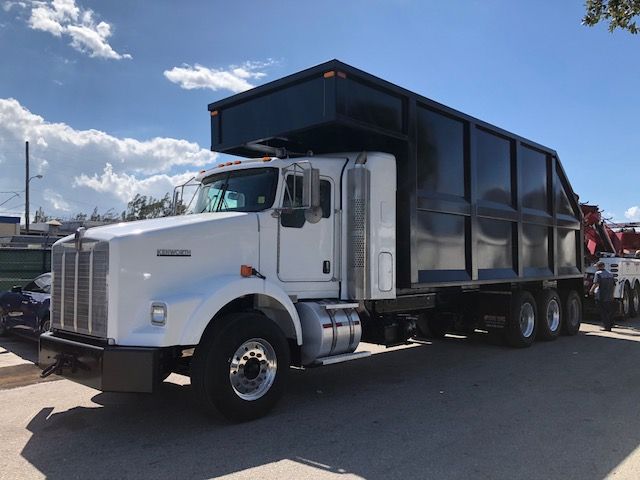
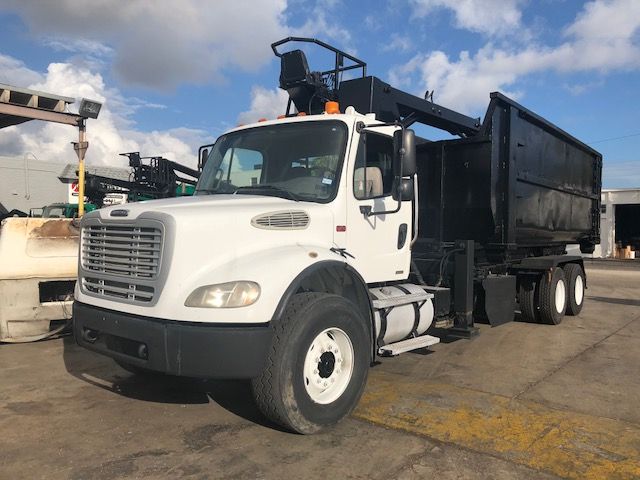
Have 2007 grapple truck to sell? List it here to reach thousands of buyers.
2007 Grapple Trucks
On 2007 model year units, axle configuration and GVWR matter just as much as the crane. Many grapple trucks from this era are spec'd as heavy single-axle, tandem-axle, or tri-axle trucks depending on legal payload targets and local road restrictions. Typical buyers will compare body capacities in the 20 to 65 yard range, along with boom reach that may run from around 20 feet into the upper 20s depending on the knuckleboom or stiff-boom setup. Outriggers, rear hitches, tarping systems, and Hardox or other abrasion-resistant body materials can make a noticeable difference in durability and jobsite efficiency.
A used 2007 grapple truck should be evaluated like two machines in one. The chassis needs the usual diesel inspection points such as engine hours, transmission operation, suspension wear, frame condition, brake system health, and tire life. The grapple system needs a separate inspection for cylinder leaks, pin and bushing wear, turntable play, cracked welds, hose condition, control function, and signs of hydraulic overheating. Buyers running dense material should verify lift charts at working radius, not just maximum advertised capacity. For brush and storm debris, body volume and cycle speed may matter more than raw lift.
These trucks are also known in many fleets as knuckleboom grapple trucks, trash grapple trucks, or brush grapple trucks, depending on the body and application. A good 2007 unit can still fit productive local hauling and loading work, especially where lower acquisition cost matters more than late-model emissions technology. The best match comes down to route density, material type, disposal site access, and how often the truck will load itself versus work with ground support equipment.
Frequently Asked Questions about 2007 Grapple Trucks
What should I inspect first on a 2007 grapple truck?
Start with the hydraulic loader and the truck frame. A 2007 grapple truck lives a hard life, so pin and bushing wear, boom weld repairs, turntable movement, outrigger condition, hose age, and cylinder leakage are critical inspection points. After that, inspect PTO operation, pump performance, body floor and sidewall wear, and then move into the chassis items such as engine, transmission, suspension, brakes, and tires. A strong chassis with a weak crane can turn into a costly rebuild very quickly.
How much boom reach and body capacity do most grapple trucks have?
Many grapple trucks are built with boom reach in the 20 to 30 foot range and bodies from roughly 20 to 65 yards, depending on application. Tree and brush work often favors larger debris bodies with tall sides, while municipal or heavier material handling may use smaller bodies with stronger payload focus. The right combination depends on whether the truck is loading light bulky material, dense wood waste, mixed C&D, or scrap.
Is a 2007 grapple truck still a good choice for commercial work?
It can be, especially for local operations that want lower upfront cost and can manage maintenance proactively. The condition of the upfit matters more than the calendar year in many cases. A well-kept 2007 unit with solid hydraulics, a straight frame, and a properly matched body can still perform reliably in tree service, storm cleanup, and debris hauling. The key is confirming service history and checking for structural fatigue in both the body and crane.
What chassis configurations are common on grapple trucks?
Grapple trucks are commonly found in single-axle, tandem-axle, and tri-axle configurations. Single-axle units are often used for tighter urban work and lower GVWR applications. Tandem and tri-axle trucks are more common when larger debris bodies, higher legal payload, or heavier crane setups are needed. Buyers should match axle layout to route restrictions, dump site requirements, and the weight of the material being handled.
What is the difference between a brush grapple truck and a trash grapple truck?
The terms often overlap, but brush grapple trucks are usually configured for tree limbs, storm debris, and green waste, with high-capacity bodies designed around bulky lightweight material. Trash or waste grapple trucks may be set up for municipal solid waste, C&D debris, or other mixed refuse, and can vary more in body design and floor construction. The loader style may be similar, but body strength, capacity, and legal payload goals are often different.