
Commercial Trucks For Sale Near Grandville, Michigan
Have commercial truck to sell? List it here to reach thousands of buyers.
Commercial Trucks Near Grandville, Michigan
Powertrain choice drives operating cost and resale. Common engines in this class include Cummins, Caterpillar, Volvo, and International-backed platforms, typically paired with Eaton-Fuller manuals, automated manuals, or Allison automatics depending on the application. A 10-speed or 13-speed manual still appeals to many buyers running heavier loads or mixed terrain, while automatic and automated transmissions are popular in regional and city service where stop-and-go driving affects driver fatigue. Pay attention to horsepower, rear axle ratio, wheelbase, front and rear axle ratings, and suspension type. A 475 to 500 horsepower sleeper with tandem axles and air ride suspension fits very different freight than a single-axle medium-duty flatbed with a spring suspension and liftgate.
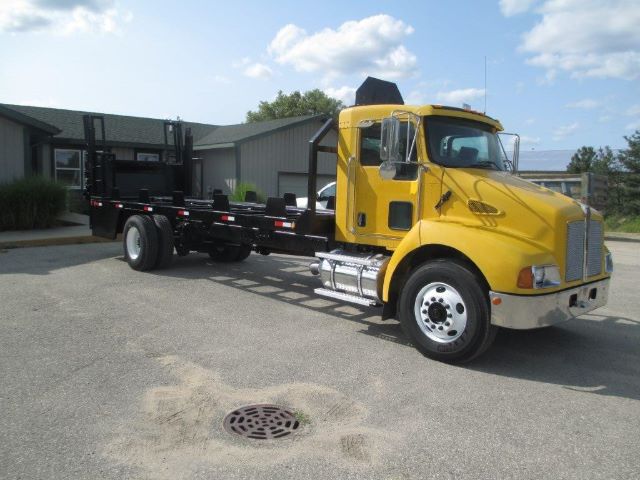
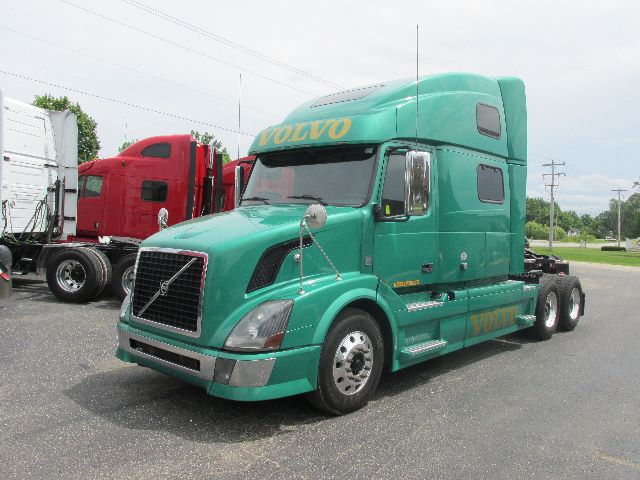
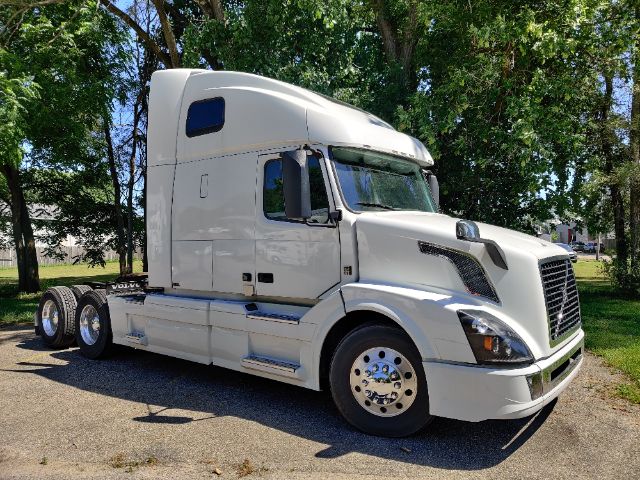
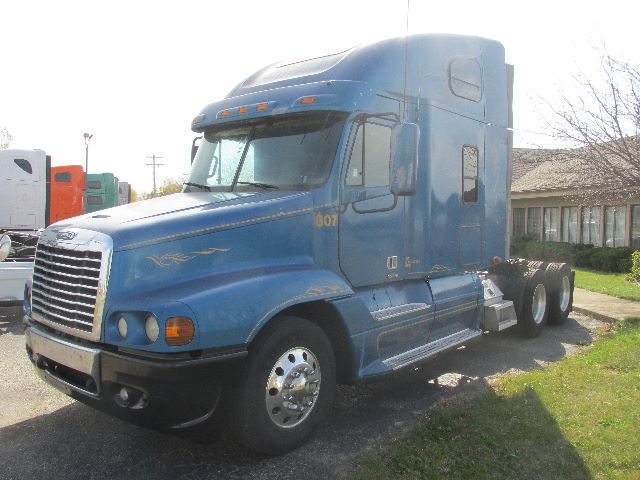
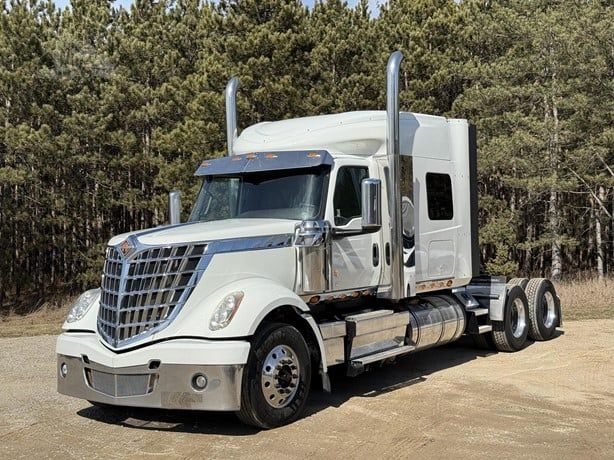
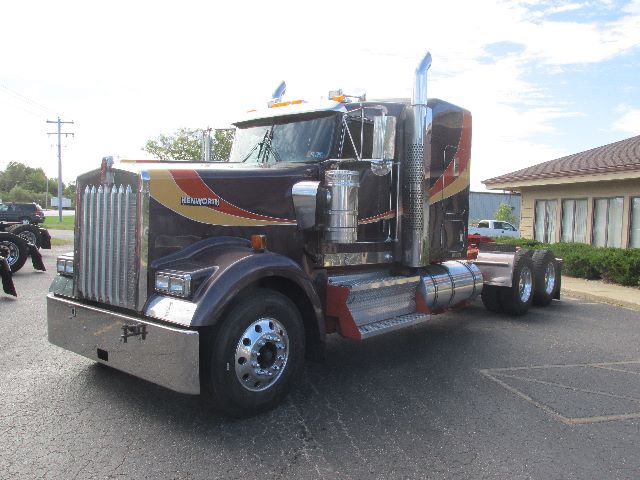
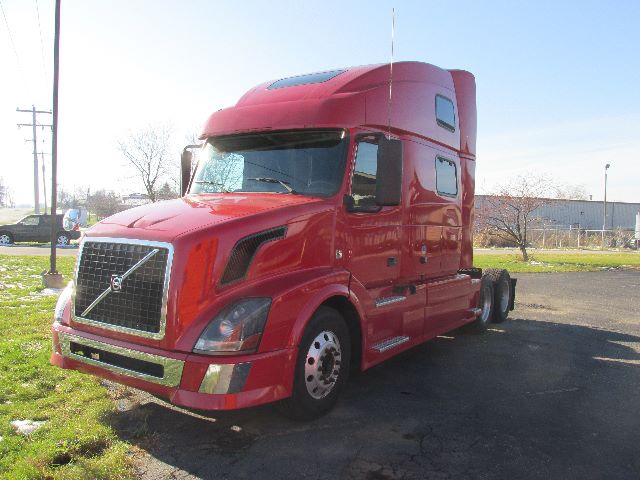
For sleeper trucks, the big buying decisions are bunk size, fuel capacity, emissions history, and drivetrain match. A 62-inch to 73-inch sleeper, sliding fifth wheel, 6x4 axle configuration, engine brake, and 3.25 to 3.70 rear ratio are common specs for general freight and van work. Buyers comparing used highway tractors should review DPF, DOC, and SCR service records, engine warranty status if available, brake life, tire condition, and signs of excessive idle time. On medium-duty and vocational trucks, body condition matters just as much as engine hours or miles. Flatbed length, liftgate capacity, PTO equipment, deck wear, and GVWR often determine whether the truck is ready for the intended work without immediate upfitting.
A strong used truck candidate is not just clean, it is correctly spec'd for the route, payload, and maintenance plan. Check for clear title status, current inspection history, tire size consistency, axle configuration, and cab features that affect uptime such as cruise control, heated mirrors, air ride seats, and power accessories. Buyers in this category often compare the total package: drivetrain, wheelbase, suspension, emissions components, and application-specific equipment. That approach makes it easier to separate a truck that is merely presentable from one that can hold up in revenue service.
Frequently Asked Questions about Commercial Trucks Near Grandville, Michigan
What types of trucks are typically included in a general trucks for sale category?
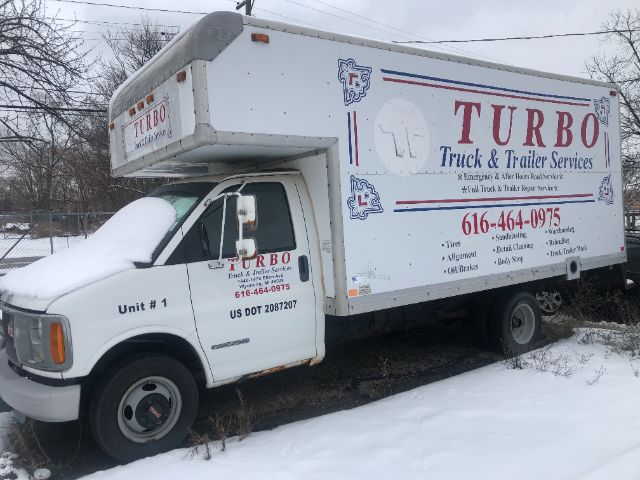
A general trucks for sale category usually includes highway tractors, conventional sleeper trucks, day cabs, medium-duty delivery trucks, flatbeds, and some vocational configurations. The exact mix depends on the local market, but buyers can expect to compare different GVWR classes, axle setups, body styles, and drivetrain combinations. That is why the intended application should be defined first, because the right spec for regional pallet delivery is very different from the right spec for over-the-road van freight.
What specs matter most when comparing used trucks?
The most important specs are engine make and horsepower, transmission type, axle configuration, rear axle ratio, wheelbase, suspension type, and GVWR or axle ratings. Buyers should also review sleeper size, fifth wheel setup, fuel capacity, brake and tire condition, and emissions system service history on newer diesel units. These details determine payload suitability, road speed, maintenance exposure, and driver acceptance more than paint or trim level.
Is an automatic transmission better than a manual in a used truck?
Neither is automatically better. An Allison automatic is common in medium-duty and stop-and-go applications because it improves drivability and reduces fatigue. Manual and automated manual transmissions remain popular in highway tractors because they are well suited for linehaul service, heavier gross weights, and fuel economy targets when matched correctly to the engine and rear ratio. The better choice depends on route profile, driver pool, and maintenance capability.
What should buyers in Michigan inspect closely on a used truck?
In Michigan, frame rust, cab corrosion, brake line condition, suspension wear, and overall undercarriage condition deserve close attention due to winter exposure and road salt. Buyers should inspect crossmembers, hangers, air tanks, electrical connections, and body mounts, along with the usual engine, transmission, and differential checks. A truck that looks good from ten feet away can still need significant reconditioning underneath, so regional climate history matters.
How do I choose between a sleeper truck and a medium-duty vocational truck?
The choice comes down to freight, route length, licensing needs, and body requirements. A sleeper truck is built for highway freight, higher annual mileage, and tractor-trailer operation, with specs centered on comfort, fuel range, and drivetrain efficiency. A medium-duty vocational or flatbed truck is better suited for local delivery, service work, pallet handling, or jobs that require a fixed body, liftgate, or easier urban maneuverability. Matching the truck to the work cycle is the best way to control downtime and operating cost.