
Commercial Trucks For Sale Near Grand Rapids, Michigan
Have commercial truck to sell? List it here to reach thousands of buyers.
Commercial Trucks Near Grand Rapids, Michigan
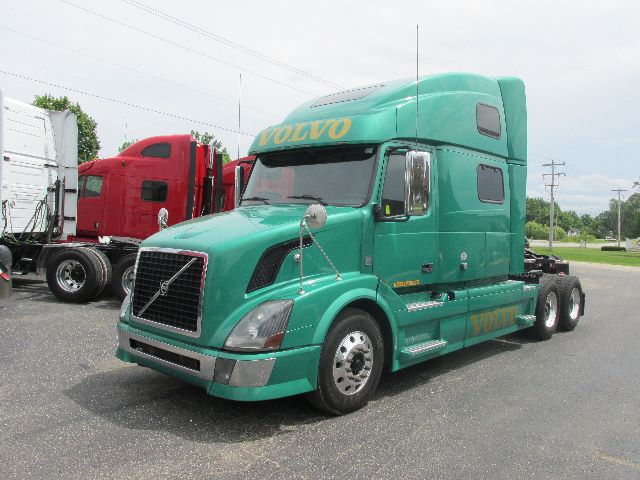
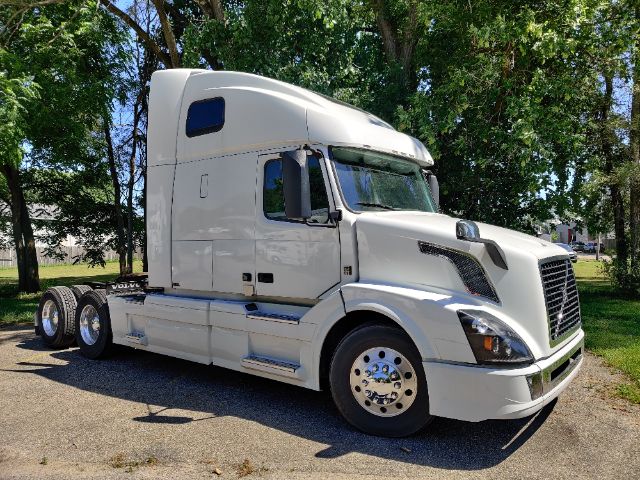
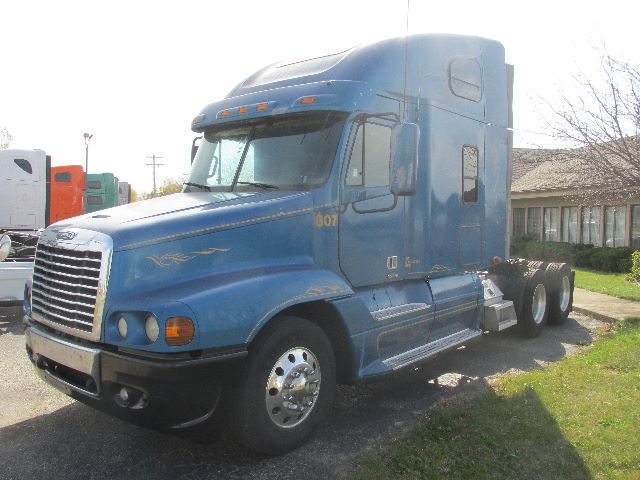
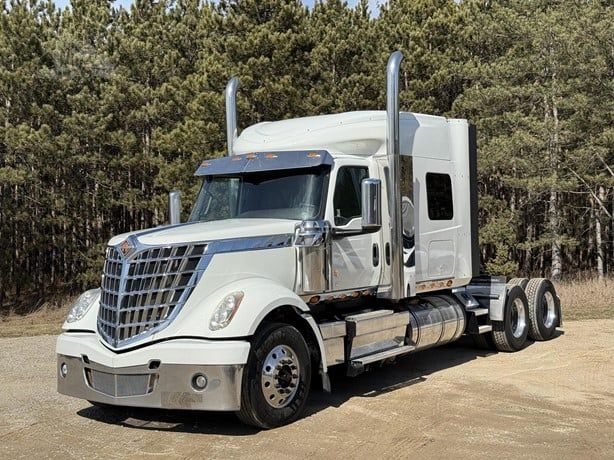
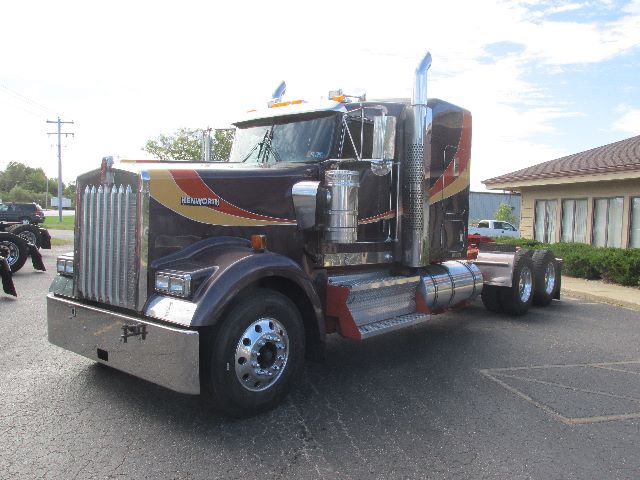
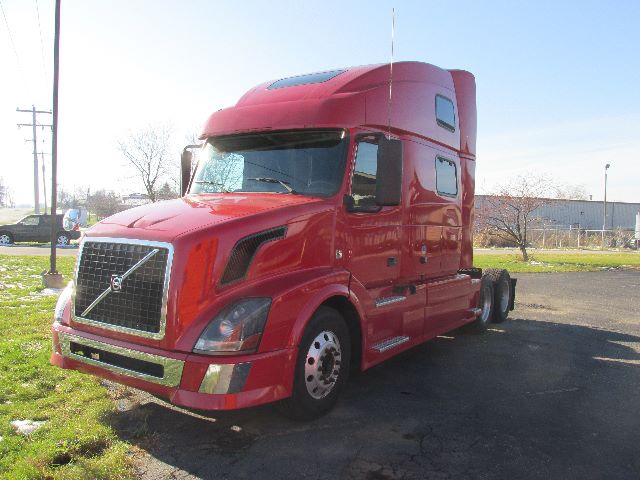
In this market, conventional sleeper tractors are common, and the typical spec centers on tandem axles, 6x4 drivetrain layouts, 12,000 to 12,350 lb front axles, and 40,000 lb rears. Engines often fall in the 13L to 15L range from Cummins, Detroit, Volvo, and other major OEMs, with horsepower commonly in the 450 to 500 hp range. Transmissions vary between 13-speed manuals and automated manuals such as Volvo I-Shift, and that choice matters. A manual can appeal to buyers who want full control in heavy pulls or specialty operations, while an automated manual can reduce driver fatigue and help with fuel economy consistency. Rear axle ratios such as 3.25, 3.42, or 3.70 change how the truck behaves under load, at cruise speed, and in regional versus long-haul work.
Cab and chassis details deserve as much attention as the drivetrain. Sleeper trucks may be spec'd with flat top or raised roof sleepers, single or double bunks, APUs, bunk heaters, refrigerators, inverters, and dual fuel tanks. These features affect resale and driver retention just as much as comfort on the road. Suspension type, air ride cab, sliding fifth wheel, dump valve, engine brake, and axle ratings all influence how adaptable a truck will be across different trailer types and freight conditions. Buyers in Michigan also tend to pay close attention to cold-weather readiness, including heater performance, battery condition, mirror heat, DEF and aftertreatment history, and overall corrosion on frame rails, crossmembers, cab mounts, and electrical connections.
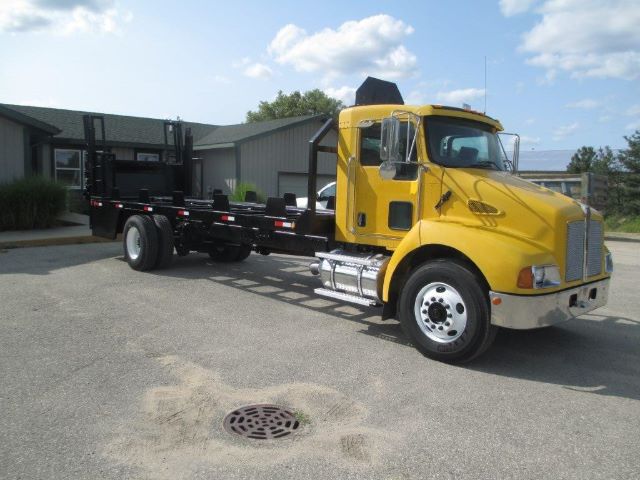
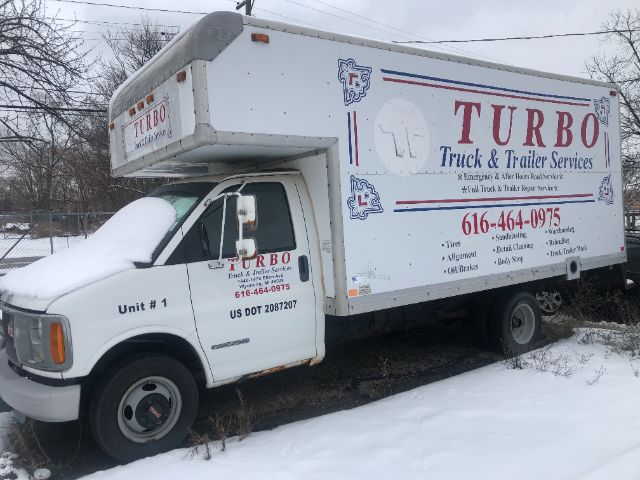
Used trucks should always be evaluated as a total operating package. Service records, recent PM work, injector or EGR history, DPF and DOC replacement, blow-by, dyno results, tire condition, and brake measurements tell more than cosmetic appearance alone. For box trucks and smaller straight trucks, buyers should focus on body length, door configuration, floor condition, GVWR, and whether the truck is suited for delivery, contractor, or municipal work. Across all truck types, the best buying decision usually comes down to matching horsepower, gearing, wheelbase, and cab equipment to the route, load, and maintenance strategy the truck will actually see.
Frequently Asked Questions about Commercial Trucks Near Grand Rapids, Michigan
What types of trucks are commonly found for sale in Grand Rapids, Michigan?
Grand Rapids truck listings often include conventional sleeper tractors, day cabs, box trucks, and light to medium-duty service trucks. Sleeper tractors are typically used for regional and over-the-road freight, while box trucks and smaller straight trucks are more common in local delivery, contractor, and service applications. The local market usually reflects a mix of long-haul highway equipment and practical work trucks suited for year-round Midwest operation.
What specs matter most when buying a used semi truck?
The most important specs are engine make and horsepower, transmission type, rear axle ratio, axle ratings, wheelbase, suspension, and sleeper configuration. Those details determine how the truck will perform with your freight and route profile. A 475 to 500 hp truck with a 13-speed and 3.25 or 3.42 ratio may fit linehaul work well, while a different ratio or wheelbase may be better for heavier loads, regional lanes, or specialized trailer setups.
Is an automated manual transmission better than a 13-speed manual?
Neither is automatically better. An automated manual like Volvo I-Shift can improve driver comfort, simplify training, and deliver more consistent shifting and fuel economy in many fleets. A 13-speed manual still has strong appeal for experienced drivers, buyers running in steep terrain, or operations that want direct gear selection under changing load conditions. The right choice depends on driver pool, maintenance support, and the truck's intended duty cycle.
What should buyers inspect on a used truck in a Michigan market?
Buyers should inspect frame and suspension corrosion, cab mounts, electrical systems, heater and HVAC operation, battery performance, tire age and condition, brake wear, and any evidence of winter-related rust damage. On newer emissions trucks, aftertreatment history is critical, including DPF, DOC, EGR, and sensor-related repairs. In a cold-weather state like Michigan, small issues with wiring, air systems, or emissions components can become expensive downtime problems if they are overlooked.
How do I choose between a sleeper truck and a box truck?
The choice depends on freight type and operating radius. A sleeper truck is built for pulling trailers over regional or long-haul lanes and usually includes higher horsepower, tandem drive axles, and equipment for driver comfort on multi-day trips. A box truck is a straight truck with an enclosed cargo body, better suited for local delivery, moving, service work, and routes where dock access, cargo protection, and maneuverability matter more than fifth-wheel towing capability.