
Commercial Trucks For Sale Near Grand Junction, Colorado
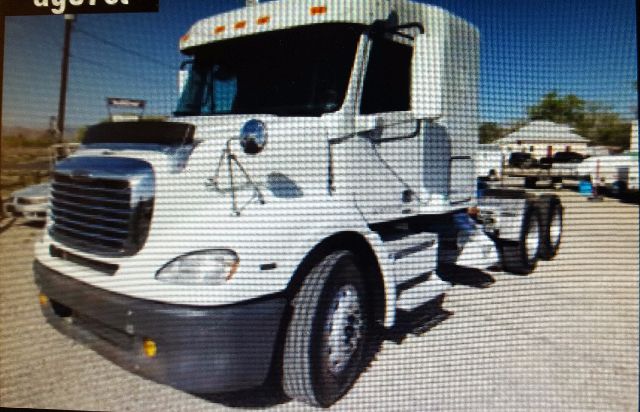
Have commercial truck to sell? List it here to reach thousands of buyers.
Commercial Trucks Near Grand Junction, Colorado
Specs drive operating cost. Common purchase points include engine horsepower, torque curve, transmission type, rear axle ratio, wheelbase, and suspension. A tandem-axle road tractor may carry a 12,000-pound front axle and 40,000-pound rears with air ride suspension, while a vocational spec may use heavier front axle ratings, locking differentials, and spring suspension for tougher terrain. Buyers comparing used trucks should pay attention to engine brake equipment, tire size, wheel material, and gearing because those details affect gradeability, cruise RPM, maintenance cost, and resale appeal. In western terrain around Colorado, that combination becomes especially important because mountain routes reward the right horsepower-to-load match and a strong driveline spec.
Cab configuration also changes the truck's value to the operation. Sleeper trucks support over-the-road runs and team service, while day cabs are better suited to local freight, port work, and dedicated regional lanes. Interior condition, HVAC performance, bunk layout, and dash ergonomics matter on highway units, but vocational buyers may focus more on visibility, switchgear, body integration, and PTO controls. If the truck will pull a trailer, check fifth wheel setup, frame length, and axle placement. If it will carry a body, confirm frame rail condition, cab-to-axle dimension, and any existing upfit compatibility.
A strong truck purchase is usually the result of matching the chassis to the work, not simply choosing the newest unit. In the used market, buyers should evaluate maintenance history, title status, engine family, emissions system complexity, brake type, and signs of prior overloading or corrosion. Trucks in this category may also be described by body or service type, such as semi trucks, road tractors, sleeper trucks, day cab trucks, dump trucks, service trucks, or flatbed trucks. The right choice depends on route profile, legal weight targets, and how easily the spec can be serviced by your shop or local dealer network.
Frequently Asked Questions about Commercial Trucks Near Grand Junction, Colorado
What should I look at first when comparing trucks for sale?
Start with the intended application, then match the truck's class, axle ratings, cab style, and drivetrain to that work. A truck used for long-haul freight needs a different spec than one used for construction, local delivery, or oilfield support. After that, focus on horsepower, torque, transmission, rear axle ratio, suspension, and wheelbase because those items determine performance, payload suitability, and operating cost.
Are sleeper trucks better than day cabs?
Neither is better in every case. Sleeper trucks are built for over-the-road operation, longer trip cycles, and driver comfort during extended time away from home. Day cabs are typically lighter, simpler, and better suited to regional or local routes where overnight accommodations are not needed. The right choice depends on lane structure, driver scheduling, and how much emphasis is placed on payload, maneuverability, and idle reduction.
Why does rear axle ratio matter on a truck?
Rear axle ratio affects launch performance, grade-climbing ability, cruise RPM, and fuel economy. A deeper ratio such as 3.90 generally helps with heavier loads and mountain terrain, while a faster ratio can reduce engine speed at highway cruise and improve fuel efficiency on flatter routes. The best ratio depends on engine torque, transmission gearing, tire size, and the weight and terrain the truck will see every day.
What is the difference between a highway truck and a vocational truck?
A highway truck is typically spec'd for linehaul efficiency, aerodynamics, and driver comfort at sustained road speed. A vocational truck is built for jobsite access, frequent stops, PTO-driven equipment, body installation, and heavier-duty chassis demands. Vocational units often have stronger frame options, heavier axles, more rugged suspensions, and equipment selected for severe service rather than maximum fuel economy.
What used truck details have the biggest impact on long-term cost?
Maintenance history, engine and emissions condition, transmission type, suspension wear, brake system condition, and frame integrity are major cost factors. Tire condition, wheel seals, differential service records, cooling system health, and signs of electrical repairs also matter. A truck with the right spec but poor service history can cost more over time than a higher-mileage unit that has been maintained consistently.