
Commercial Trucks For Sale Near Grain Valley, Missouri
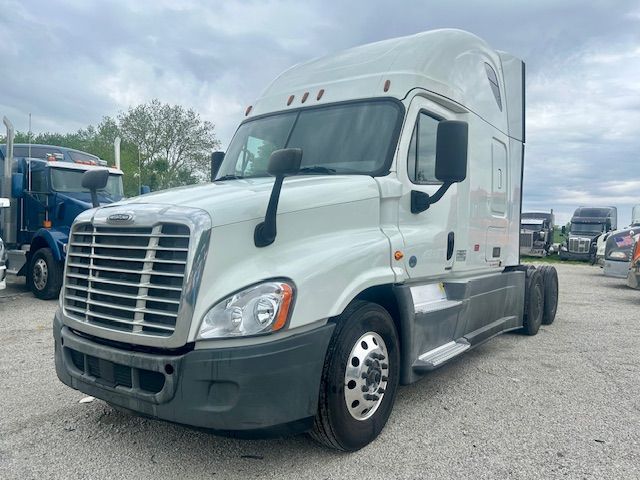
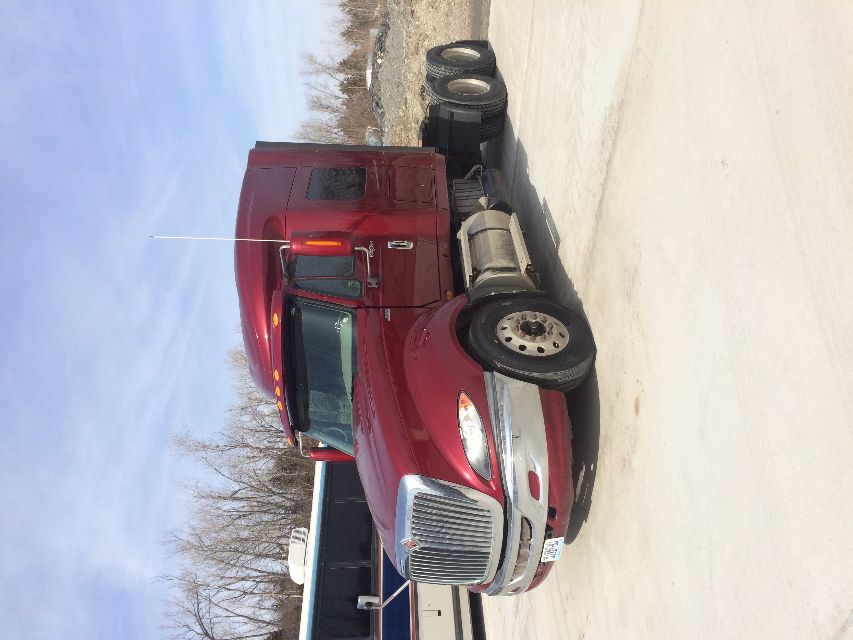
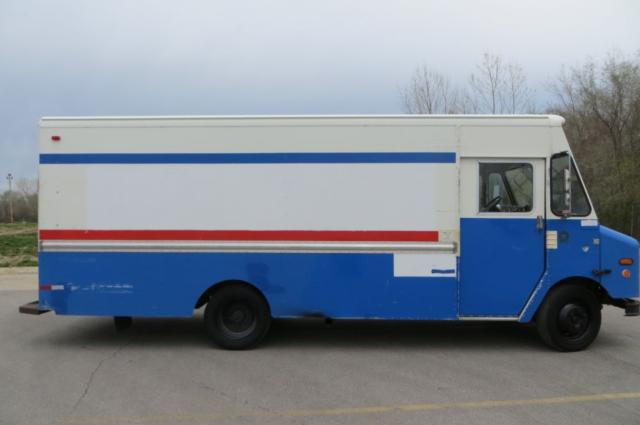
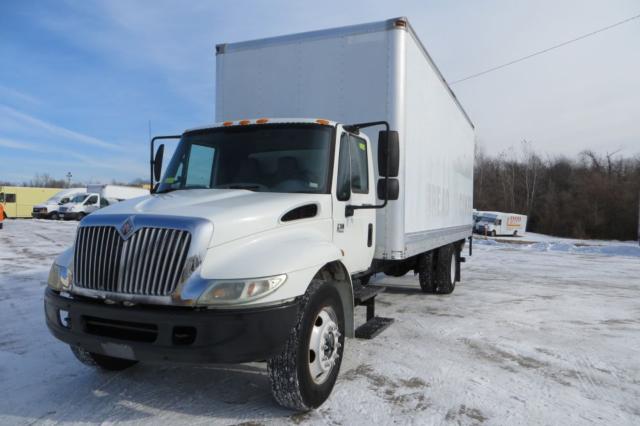

Have commercial truck to sell? List it here to reach thousands of buyers.
Commercial Trucks Near Grain Valley, Missouri
Tare weight drives revenue, so look closely at frame material and thickness, axle configuration, suspension style, and wheel and tank material. Lightweight options, aluminum wheels and air tanks, wide base singles, 6x2 tandems, composite leaf or optimized air suspensions, can pull hundreds of pounds out of the chassis, but verify traction needs, tire availability, and resale expectations. A longer sleeper, larger fuel capacity, full lockers, and heavy bumpers add comfort or capability, but they also add weight. Aim to place the truck at a curb weight that leaves headroom under Missouri axle limits without compromising durability.
Floor strength matters on straight trucks and vocational bodies. For dry van or reefer bodies, check forklift rating, crossmember spacing, and deck material. Tight crossmember spacing, 3 or 4 inches, laminated hardwood or heavy duty aluminum plank, and properly tied in rear threshold plates reduce concentrated load damage from pallet jacks and forklifts. High scuff liners, 12 to 24 inches, protect sidewalls from impact, and recessed E track or logistic posts improve load securement without weakening the structure. Dump and contractor bodies should show appropriate floor alloy and thickness, AR steel or high strength aluminum with wear plates, with crossmembers and hoist capacity matched to the intended payload and material density.
Thermal integrity is critical on refrigerated straight trucks and for cab comfort during idle reduction. Look for insulation thickness that matches route duration, quality door seals and hinges, insulated floor with thermal breaks, and a tight bulkhead. Conduct a simple pull down and hold test, monitor temperature recovery after doors open, and confirm reefer service records. Across all trucks in this region, corrosion resistance is a long term cost driver due to winter road treatments. Favor e coated or hot wax treated frames, galvanized or stainless hardware, sealed Deutsch connectors, protected air and brake lines, and clean battery box and aftertreatment mounting. Inspect frame flanges and web for pitting, suspension hangers and crossmembers for scaling, cab mounts for bushing condition, and aluminum to steel interfaces for galvanic activity. A clean undercarriage and documented wash routine extend service life and preserve resale value.
Frequently Asked Questions about Commercial Trucks Near Grain Valley, Missouri
How should I choose axle ratio and transmission for mixed I 70 highway and local routes around Grain Valley?
Match the ratio to your target cruise speed and engine’s peak torque band. For modern downsped engines, a direct drive transmission with a mid 2s axle ratio can hold 65 to 70 mph near 1,100 to 1,250 rpm, improving fuel economy on I 70. If you run heavier or see more stop and go or grades, an overdrive transmission with a numerically higher axle ratio provides better startability and flexibility. Verify GCWR, desired startability percentage, and gradeability at target weight before finalizing the spec.
What should I look for to verify floor strength in a 24 to 26 foot box truck?
Confirm a published forklift rating or point load rating, then inspect crossmember spacing, deck material, and rear frame reinforcement. Close spaced crossmembers, 3 to 4 inches, paired with laminated hardwood or heavy duty aluminum plank distribute wheel loads and resist denting. High scuff liners protect sidewalls, and a tied in rear threshold plate prevents edge roll over from dock plates. Check for fastener looseness, deck deflection, and cracked welds near the wheel paths.
How do I balance tare weight and durability for vocational work like dump or flatbed service?
Start with a frame and suspension that meet the maximum anticipated payload and off road duty, then trim weight where it does not affect structural integrity. High strength steels allow thinner sections with equal capacity, aluminum wheels and tanks reduce weight without sacrificing strength, and spec’d lift axles optimize legal loads. Avoid undersizing floors, hoists, or crossmembers to chase weight savings, repair costs and downtime outweigh initial gains.
What indicates strong thermal integrity in a refrigerated straight truck body?
Look for consistent insulation thickness in walls, roof, and floor, well sealed seams with thermal breaks, and tight door gaskets that close square. Perform a pull down test from ambient to setpoint, then monitor recovery and temperature stability after several door openings. Inspect the floor for intact drains and vapor barriers, and review reefer service records, hours, and controller diagnostics to confirm the unit meets your route profile.
How can I assess corrosion risk on a used truck in Missouri winters?
Inspect frame rails inside and out for scaling and pitting, especially near suspension hangers, crossmembers, and behind fuel tanks. Check brake and air lines for corrosion at clamps, electrical harnesses for chafing and greened pins, and aftertreatment brackets and shields for rust that can lead to cracks. Favor trucks with e coated or wax treated frames, stainless or galvanized hardware, sealed connectors, and documented wash and undercarriage maintenance.