
GMC Trucks For Sale in Florida
Have gmc truck to sell? List it here to reach thousands of buyers.
GMC Trucks in Florida
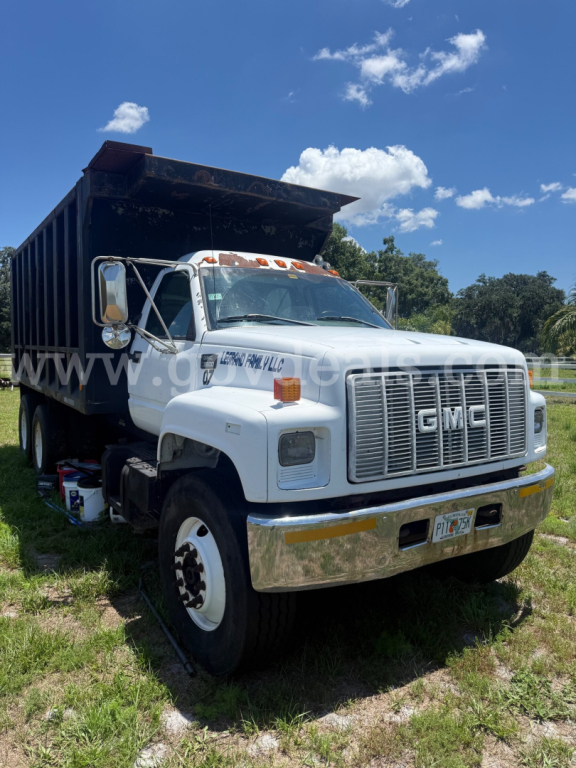
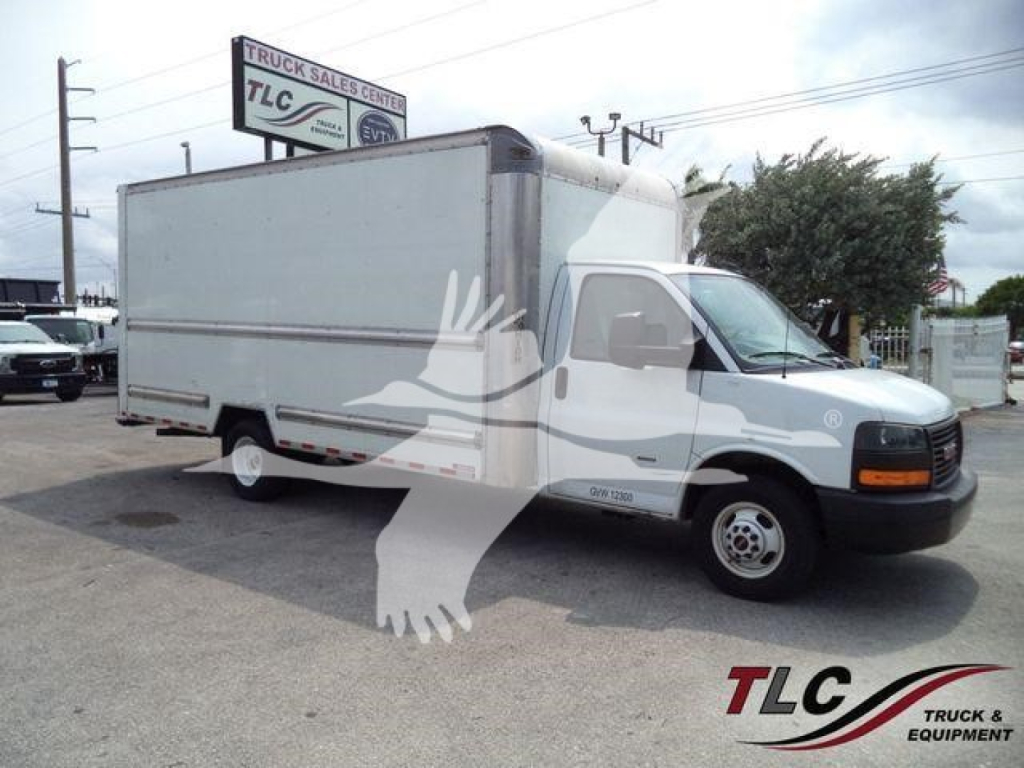
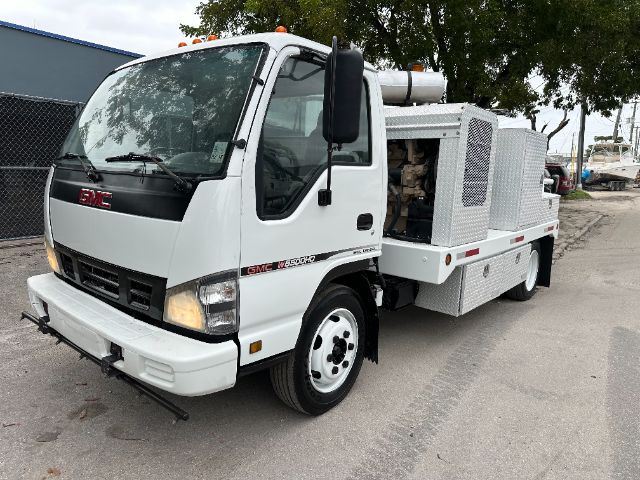
A GMC truck for sale in Florida should be evaluated with climate and duty cycle in mind. Heat, humidity, stop-and-go traffic, and coastal exposure can all affect wiring, cooling systems, cab condition, and frame corrosion in different ways than northern trucks. For box trucks and cutaways, check cargo box construction, roof seams, roll-up door condition, ramp wear, and signs of water intrusion. For dump and vocational models, focus on hoist performance, PTO engagement, frame integrity, suspension condition, brake life, and evidence of hard off-road or municipal service. If the truck carries a vacuum, utility, or other specialty body, the upfit often drives the real value, so hours, pump specs, blower output, tank capacity, and service records are critical.
Powertrain choices vary widely by age and configuration. Many GMC commercial trucks are built around proven gasoline V8s in light-duty applications or diesel engines in medium-duty chassis, including platforms shared with other General Motors commercial products and, in some cabover models, Isuzu-sourced drivetrains. Transmission type, rear axle ratio, wheelbase, and cab-to-axle length all affect how well the truck fits a specific body or route. Buyers comparing listings should also verify CDL requirements, payload after upfit, and whether the truck is set up for liftgate, towing, or hydraulic accessory use. On older vocational units, parts support, brake type, tire size, and local service familiarity can be just as important as purchase price.
GMC trucks remain a practical choice for buyers who need a recognizable commercial platform with broad application flexibility. A clean low-mileage box truck may suit final-mile freight or moving work, while a tandem-axle dump or vacuum unit is a more specialized purchase where component condition outweighs appearance. The best GMC truck is the one matched closely to its intended job, with the right GVWR, body spec, wheelbase, engine, and maintenance history already aligned with how it will earn revenue.
Frequently Asked Questions about GMC Trucks in Florida
What types of GMC trucks are most common in the commercial market?
GMC trucks are commonly found as cutaway box trucks, cube vans, dump trucks, utility trucks, service bodies, vacuum trucks, and medium-duty vocational chassis. Light-duty GMC Savana and G-series platforms are often used for delivery and moving bodies, while older medium-duty GMC conventional or cabover models are frequently paired with dumps, sewer equipment, or municipal upfits. The body and equipment package often matter more than the badge alone because many GMC listings are purpose-built for a specific trade.
What should I inspect first on a used GMC box truck?
Start with GVWR, wheelbase, cargo box length, and door configuration to confirm the truck fits the intended job. Then inspect the box structure, roof seams, floor condition, roll-up door tracks, ramp or liftgate operation, tire wear, brake condition, and signs of leaks around marker lights or front bulkhead seams. On Florida trucks, sun exposure and moisture can accelerate seal failure and interior wear, so cab A/C performance and electrical condition also deserve close attention.
Are older GMC medium-duty trucks still a good buy?
They can be, especially when the truck has a simple spec, documented maintenance, and an upfit that still has usable life. Older dump, vacuum, and municipal GMC trucks are often judged more on hydraulic function, frame condition, suspension, PTO operation, and body integrity than on age alone. Buyers should confirm engine and brake parts availability, inspect for hard-service wear, and make sure local shops are comfortable servicing the chassis and attached equipment.
How important is the upfit on a GMC vocational truck?
The upfit is often the biggest value driver. On a vacuum truck, buyers need to know blower capacity, water tank size, pump output, hose and reel condition, and total equipment hours. On a dump truck, body steel thickness, hoist condition, tailgate operation, and PTO function matter heavily. A sound GMC chassis paired with a worn-out body can become expensive quickly, while a well-maintained specialty body can make an older truck far more useful and cost-effective.
Do I need to pay attention to wheelbase and cab-to-axle dimensions on a GMC truck?
Yes. Wheelbase and cab-to-axle dimensions determine body fit, turning radius, load balance, and axle loading. A truck that looks right on paper can still be a poor match if the frame length, rear overhang, or axle placement does not suit the body or payload. This is especially important when buying a cutaway for delivery work, a dump for aggregate, or a chassis intended for future upfitting.