
2006 GMC Commercial Trucks For Sale
Shop 2006 GMC trucks including pickups, cab and chassis, box trucks, and work-ready commercial models with diesel and gas options.
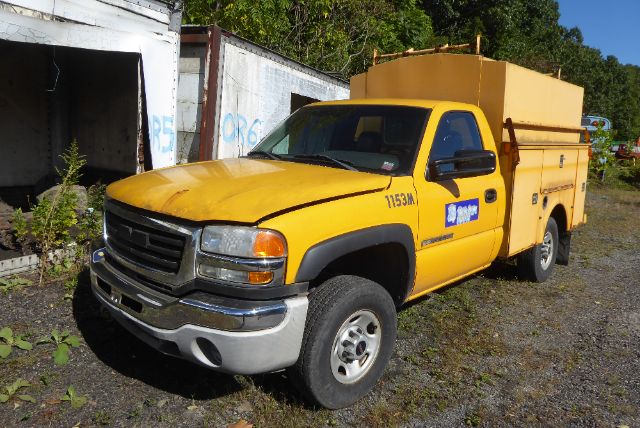

Have 2006 gmc commercial truck to sell? List it here to reach thousands of buyers.
2006 GMC Commercial Trucks
For pickup-based 2006 GMC trucks, the Sierra HD line is often chosen for service bodies, towing, snow equipment, and general contractor use. Common points to verify include gas versus diesel power, 2WD or 4WD configuration, rear axle ratio, cab style, bed or utility body condition, and signs of front-end wear that are typical on older work trucks. On commercial chassis models, wheelbase and cab-to-axle length are critical because they determine what body can be mounted or how well an existing upfit suits the job. Buyers should also pay close attention to GVWR, spring capacity, hydraulic versus air brakes, PTO compatibility, and whether the truck has a clean single-frame setup or prior body-removal history.
The medium-duty side of the 2006 GMC lineup is especially relevant for box trucks, landscape bodies, stake beds, dump applications, and vocational equipment. Many GMC W-Series trucks from this era were tied closely to Isuzu powertrains and components, which can be a plus for parts familiarity and service support, but condition is everything on a truck this age. Cab corrosion, electrical repairs, brake system condition, cooling system health, transmission shift quality, and liftgate or body function should all be evaluated before focusing on price alone. If the truck carries an aerial device, utility body, or other specialty upfit, inspection should include PTO operation, hydraulic leaks, boom certification history, and structural integrity of the body and outriggers.
A well-matched 2006 GMC truck can still be a practical fleet addition for seasonal work, municipal duty, local delivery, or shop support, especially when the specs are aligned with the route and payload. Lower-mile examples are attractive, but maintenance records, engine hours on vocational units, and evidence of consistent service usually tell the real story. Buyers comparing listings should prioritize application fit first, then verify chassis capacity, drivetrain condition, and upfit usefulness. That approach usually leads to a better outcome than shopping by price, miles, or body style alone.
Frequently Asked Questions about 2006 GMC Commercial Trucks
What are the most common 2006 GMC truck types on the used market?
The most common 2006 GMC trucks include Sierra 2500HD and 3500 pickups, Savana-based cutaway or box configurations, and medium-duty cab and chassis models such as the W-Series and C-Series. These trucks appear in utility, box, bucket, dump, and service applications. The category is broad, so buyers should confirm not just the model name but also the GVWR, wheelbase, body type, and brake system before comparing units.
What should I check first on a 2006 GMC medium-duty work truck?
Start with the core commercial specs: GVWR, wheelbase, cab-to-axle, engine, transmission, and brake type. After that, inspect the frame for rust, repairs, or drilling from prior upfits, then verify the condition of the suspension, steering, tires, and electrical system. On older vocational trucks, hydraulic systems, PTO function, and body integrity can affect operating cost just as much as engine condition.
Are 2006 GMC trucks good for service body and contractor applications?
Yes, many 2006 GMC trucks are well-suited for contractor and service work, especially Sierra HD pickups with utility bodies and medium-duty cab and chassis models set up for field service. The right choice depends on payload, tool storage needs, towing demand, and whether the truck will operate on job sites or mostly on pavement. Buyers should match axle capacity, suspension, and body design to actual daily use instead of assuming all work trucks in this year range are interchangeable.
How important is wheelbase and cab-to-axle on a 2006 GMC cab and chassis?
Wheelbase and cab-to-axle dimensions are critical because they determine body compatibility, weight distribution, and turning radius. A truck may seem like a good value, but if the frame length does not match the intended box, flatbed, dump body, or utility body, the cost to modify it can erase any savings. These measurements also help confirm whether an existing upfit is appropriately sized for the chassis.
Should I focus more on mileage or maintenance history when buying a 2006 GMC truck?
Maintenance history is usually more important than mileage alone on a 2006 GMC truck, especially on vocational equipment that may have substantial engine hours, PTO time, or idle time. A higher-mile truck with documented service, consistent repairs, and a sound body can be a better buy than a lower-mile unit with neglected brakes, rust issues, or hydraulic problems. On specialty trucks, records for booms, liftgates, and other upfit systems are just as important as chassis service records.