
Trucks For Sale Near Glendale Heights, Illinois

Have truck to sell? List it here to reach thousands of buyers.
Trucks Near Glendale Heights, Illinois
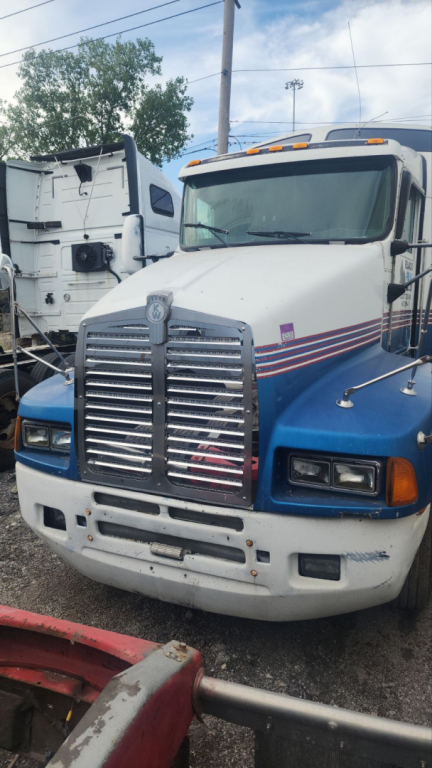
For highway use, buyers typically focus on engine make, horsepower, torque curve, transmission, axle ratio, and sleeper configuration. Common specs in this class include 10-speed or automated transmissions, air ride suspension, 22.5-inch rubber, tandem rear axles, and GVWRs that support regional or long-haul operation. Key details include mileage, idle hours, fuel capacity, brake and tire condition, emissions system history, and whether the truck is set up for a van, flatbed, reefer, or bulk application. On sleeper tractors, cab layout, roof height, fairings, and wheelbase affect both driver comfort and operating cost. A truck with a 3.55 ratio and mid-roof sleeper, for example, fits a different freight profile than a heavier vocational spec built around low-speed pulling power.
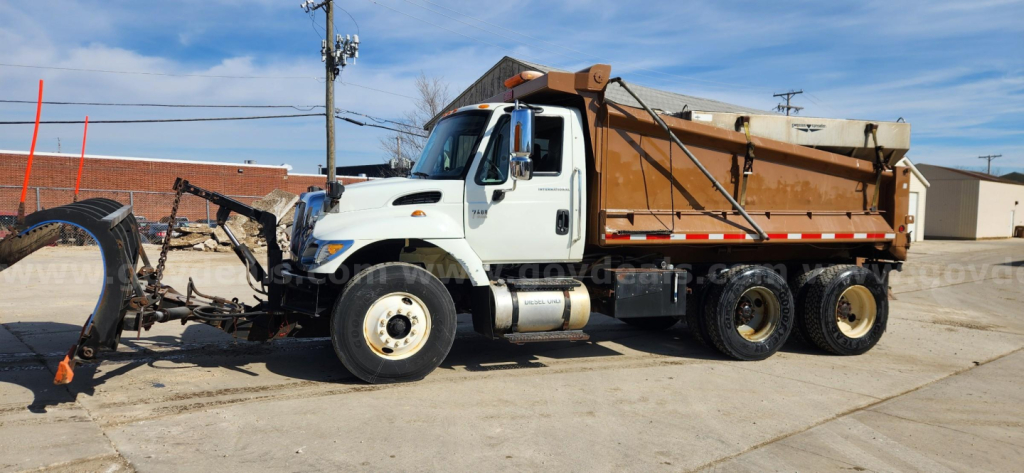
For dump and municipal trucks, the inspection points shift toward body condition, hydraulic performance, frame integrity, PTO operation, and evidence of rust, especially in Midwest service. International 7400-class trucks are common in snow and public works fleets because they can be equipped with dump bodies, plows, under-tailgate spreaders, and other seasonal attachments. Buyers should verify front axle capacity for plow use, rear suspension type, brake system condition, hoist operation, and whether the truck was maintained on a municipal schedule. On lighter dump trucks such as Ford F-450 class chassis, payload, bed condition, 4x4 capability, cab corrosion, and engine hours matter just as much as odometer mileage.
Used trucks in this market often come from private owners, contractors, and government fleets, so service history can vary widely even within the same model family. The strongest value usually comes from a truck whose specs already match your lanes or jobsite needs, not one that looks cheapest upfront. Pay close attention to CDL requirements, GVWR and axle ratings, emissions compliance, and application-specific equipment such as wet kits, lift axles, pintle hitches, plows, or spreaders. A careful review of maintenance records, title status, tire date codes, and signs of frame or body rust will tell you more about future operating cost than paint or interior cosmetics.
Frequently Asked Questions about Trucks Near Glendale Heights, Illinois
What types of trucks are commonly found in this category?
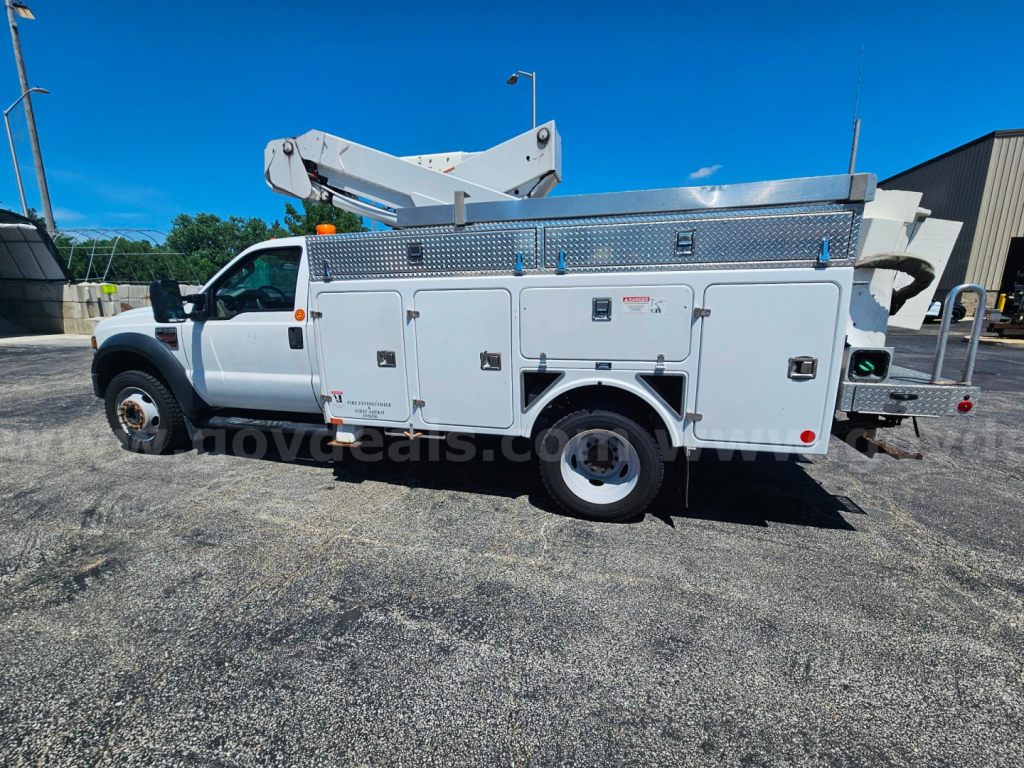
This category typically includes highway tractors, also known as semi trucks or conventional sleepers, along with vocational trucks such as dump trucks and medium-duty work trucks. Highway tractors are built for pulling trailers in regional or long-haul service, while dump and municipal trucks are designed for construction, snow removal, material hauling, and public works. The category can also include diesel chassis with PTO-driven equipment, plows, or spreaders depending on the truck's prior use.
What should I check first when buying a used dump truck in Illinois?
Start with rust, frame condition, and hydraulic operation. Illinois and the broader Midwest are hard on dump bodies, cab corners, crossmembers, and underbody components because of salt exposure and winter service. Confirm that the PTO engages properly, the hoist lifts smoothly, the bed floor and sides are structurally sound, and the front axle is rated for any plow equipment if the truck was used municipally. Maintenance records are especially valuable on former government units.
How do I choose between a sleeper tractor and a vocational truck?
The choice comes down to duty cycle and cargo type. A sleeper tractor is the right fit for pulling van, reefer, flatbed, or tanker trailers over regional or long distances, where fuel capacity, axle ratio, and sleeper size matter. A vocational truck is built around a task such as dumping, plowing, spreading, or jobsite hauling, so PTO setup, frame strength, wheelbase, and axle ratings become more important than sleeper comfort or highway gearing. Buying the wrong class of truck usually creates either underperformance or unnecessary operating cost.
Is mileage the most important factor on a used truck?
Mileage matters, but it should not be viewed by itself. Engine hours, maintenance history, transmission condition, suspension wear, brake life, tire condition, and emissions system service can be just as important. On municipal and vocational trucks, lower mileage may still come with high idle time, seasonal stop-and-go use, and corrosion exposure. A higher-mile road tractor with documented service can be a better buy than a lower-mile truck with poor maintenance or the wrong specifications.
What specs matter most on a truck listing?
The most important specs depend on application, but buyers should always review GVWR, axle configuration, engine make and horsepower, transmission type, axle ratio, wheelbase, suspension, and brake setup. For tractors, fuel tank capacity, sleeper size, and rear axle rating are key. For dump trucks, body size, PTO and hoist details, plow or spreader compatibility, and front axle capacity are critical. These specs determine legal payload, drivability, maintenance cost, and how well the truck fits the intended job.