
Commercial Trucks For Sale Near Glen Spey, New York
Have commercial truck to sell? List it here to reach thousands of buyers.
Commercial Trucks Near Glen Spey, New York
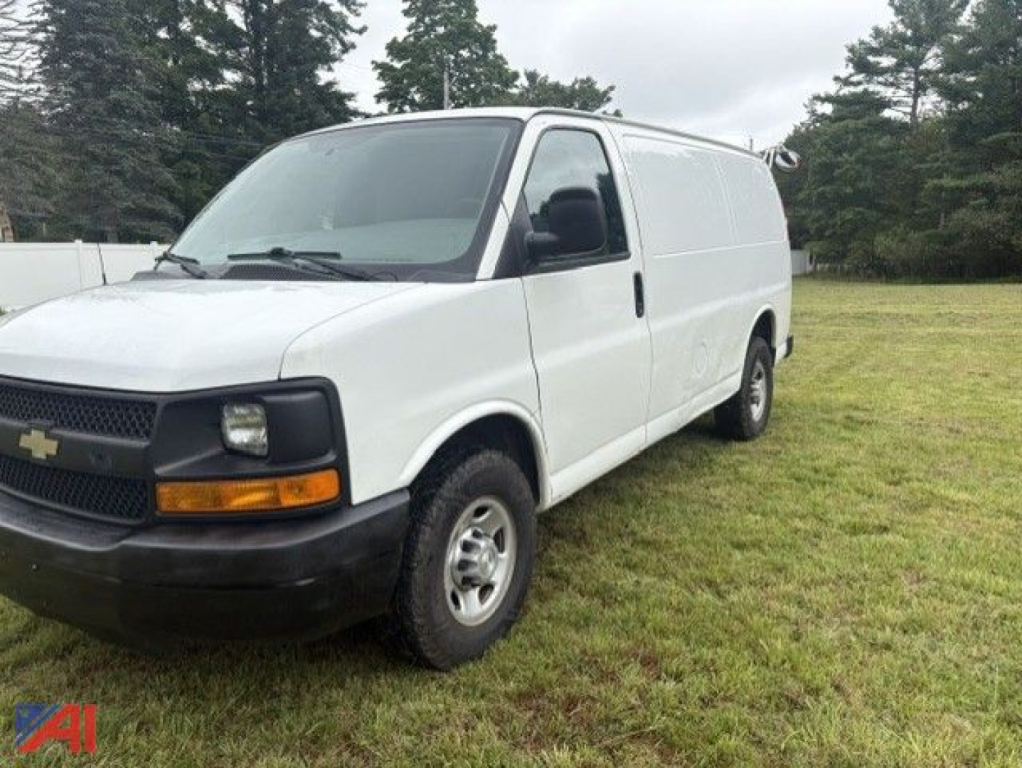
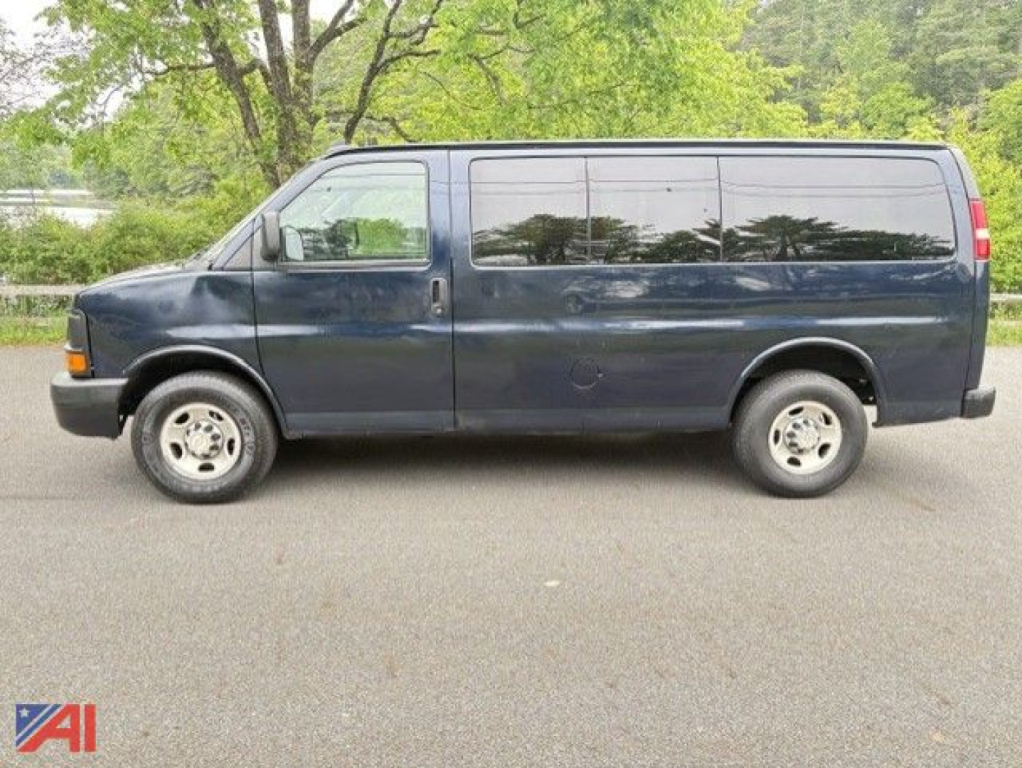
For light-duty and commercial van buyers, models such as the Chevrolet Express are common choices because of their simple drivetrains, accessible service parts, and strong upfit potential. Vans are often used for parcel delivery, service plumbing, electrical work, mobile repair, and passenger or equipment transport. Key points to compare include wheelbase, roof height, cargo access, rear door opening, shelving or ladder rack installations, and engine-transmission combinations. Payload rating matters more than appearance on this type of truck, especially if the unit will carry tools, parts inventory, or dense materials every day.
Across the broader truck market, buyers should look closely at powertrain hours versus mileage, brake and suspension wear, frame condition, and any signs of rust around cab mounts, rocker panels, crossmembers, and body attachment points. On diesel units, emissions system history, idle time, and maintenance records can affect operating cost as much as the purchase price. On gas-powered trucks and vans, transmission shift quality, cooling system condition, and front-end wear are major checkpoints. If the truck already has an upfit such as a box body, utility body, flatbed, or cargo package, confirm that the body spec matches the intended load and that the PTO, electrical system, and auxiliary components work as they should.
A good truck listing should help narrow down cab style, drivetrain, body type, and intended service class quickly. In this category, common decision points include 2WD versus 4WD, single rear wheel versus dual rear wheel, gas versus diesel, and CDL versus non-CDL operation. Buyers in New York often also consider registration class, inspection requirements, and how the truck will perform on secondary roads, job sites, and winter surfaces. The right truck is not just the one with the lowest miles. It is the one with the right spec, documented maintenance, and a chassis that fits the work without being underbuilt or oversized.
Frequently Asked Questions about Commercial Trucks Near Glen Spey, New York
What should I look for first when comparing trucks for sale?
Start with the truck’s intended job, then match that job to the correct weight class, body style, and drivetrain. Payload, towing capacity, cargo volume, axle rating, wheelbase, and cab configuration should all line up with the work. After that, review maintenance history, frame and body condition, tire and brake wear, and any signs of rust or hard vocational use. A lower-priced truck with the wrong spec usually costs more over time than a properly matched unit.
Are cargo vans considered trucks in a commercial marketplace?
Yes. Cargo vans are commonly grouped within the truck category because they serve many of the same commercial functions as pickups and chassis-based work trucks. Models like the Chevrolet Express are widely used for delivery, contractor service, fleet support, and mobile trade applications. Buyers typically compare cargo vans based on payload rating, interior configuration, side and rear access, and ease of service rather than only passenger-vehicle features.
Is gas or diesel better for a used work truck?
It depends on the duty cycle. Gas trucks and vans are often a good fit for lighter mileage, shorter routes, and stop-and-go local service because they are generally simpler and can have lower repair costs. Diesel trucks usually make more sense for heavier loads, frequent towing, and higher annual mileage, especially in medium-duty and heavy-duty applications. The better choice is the engine type that matches the route, load, and maintenance budget.
Why does rust matter so much on used trucks in New York?
Rust can affect structural integrity, serviceability, and long-term operating cost. In New York, exposure to road salt and winter moisture can accelerate corrosion on frames, brake lines, fuel lines, suspension mounts, rocker panels, cab corners, and body hardware. Surface rust is common, but scaling, perforation, and repairs around load-bearing areas deserve close inspection. Corrosion can turn an otherwise usable truck into a high-cost ownership problem.
What makes a truck a better value than just a lower price?
The best value usually comes from a truck with the right specification, solid service records, and fewer deferred repairs. Buyers should weigh tire condition, brake life, body or upfit usefulness, emissions-system status, transmission performance, and overall chassis condition against the asking price. A truck that is ready to work with the correct setup often delivers better total cost of ownership than a cheaper unit that needs immediate mechanical or body work.