
Commercial Trucks For Sale Near Gastonia, North Carolina
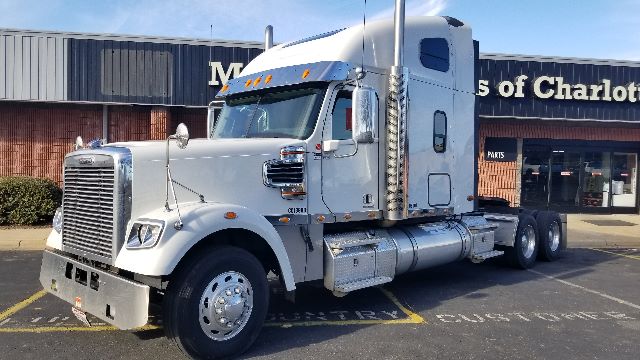
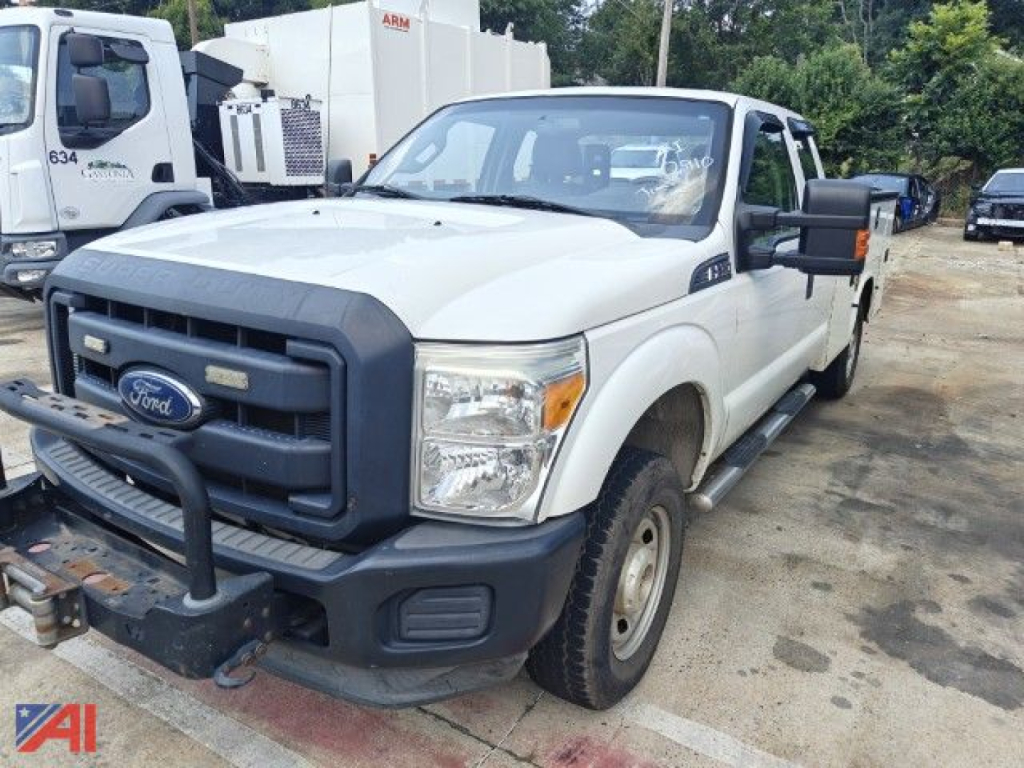
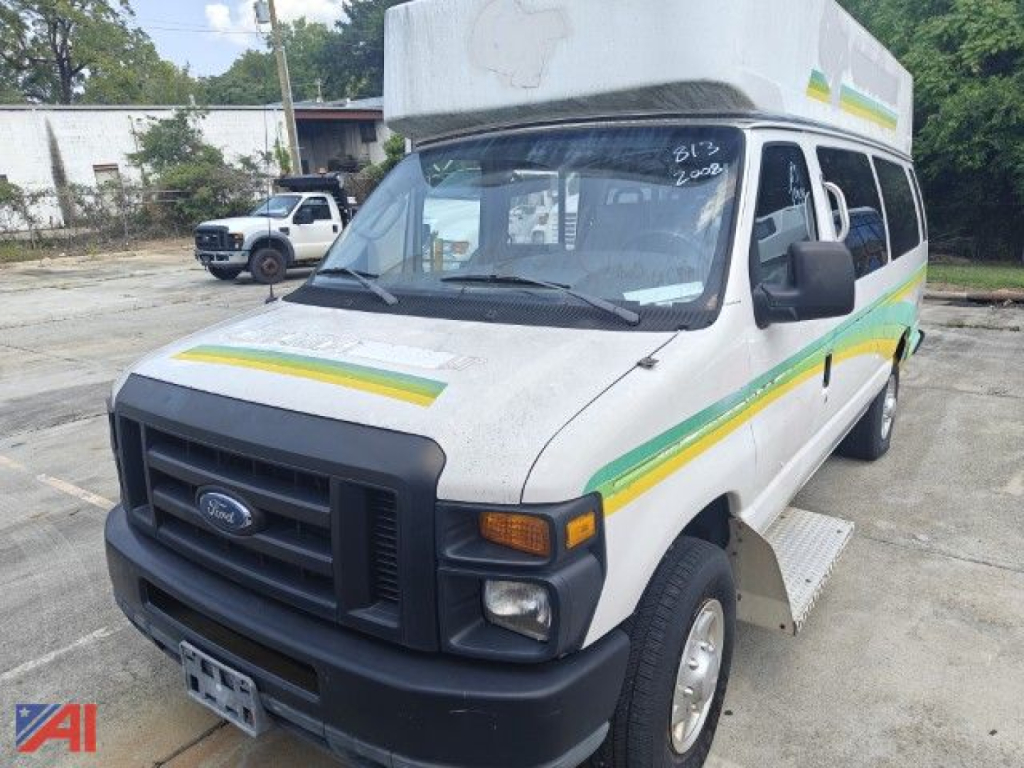
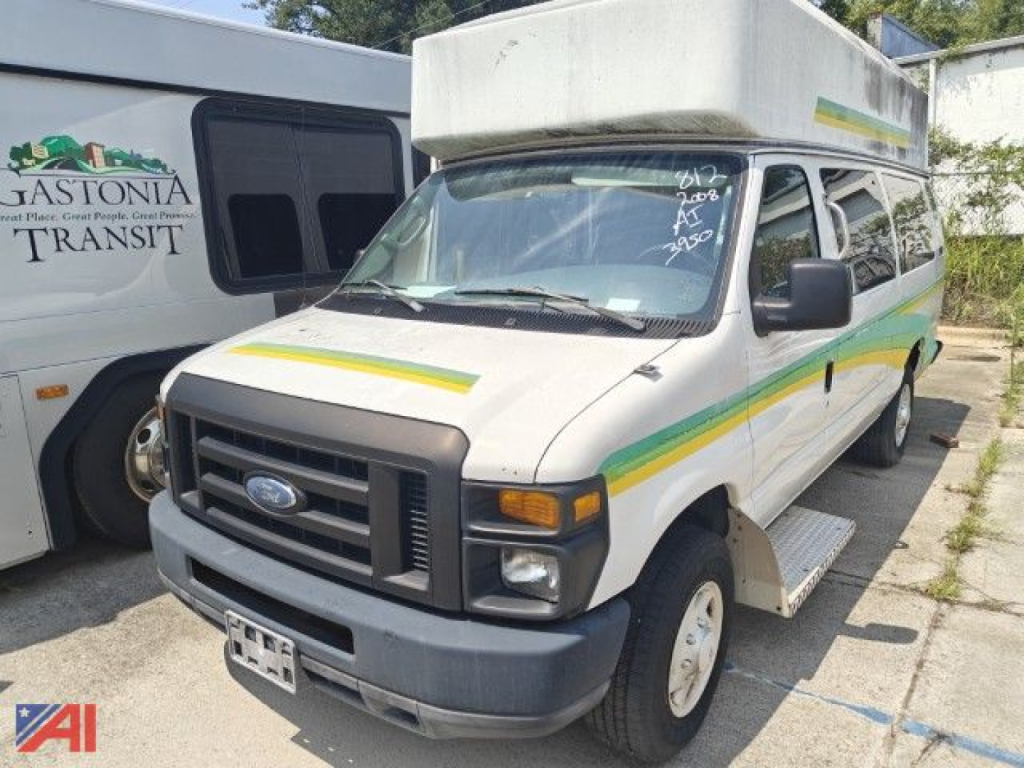
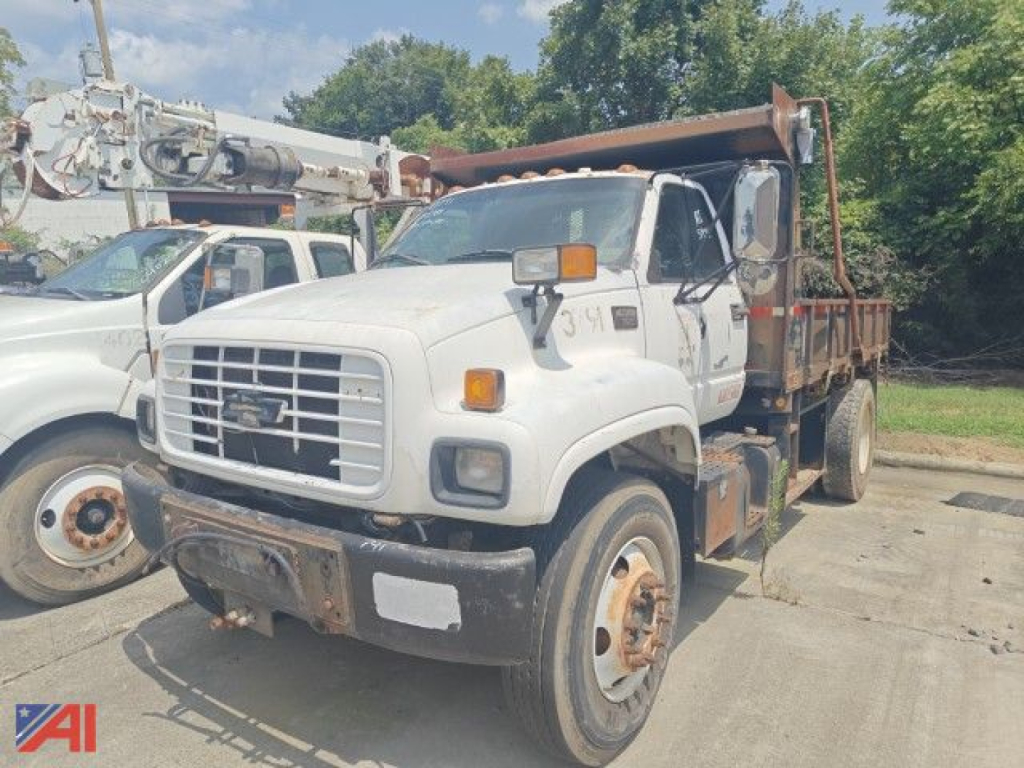
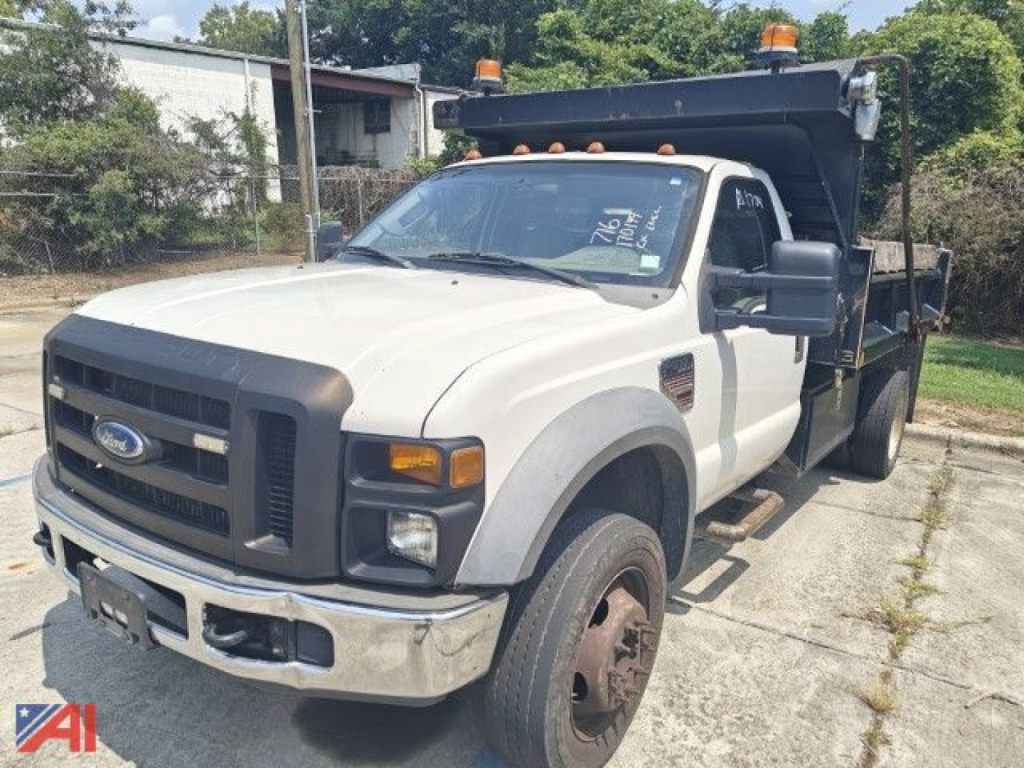
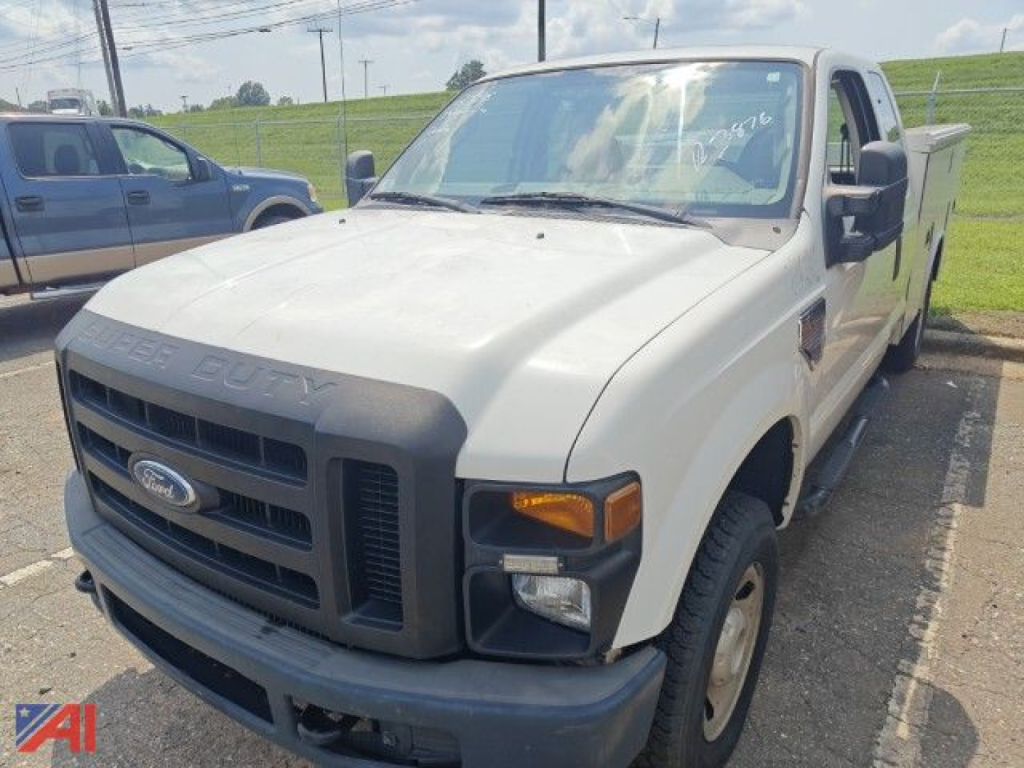
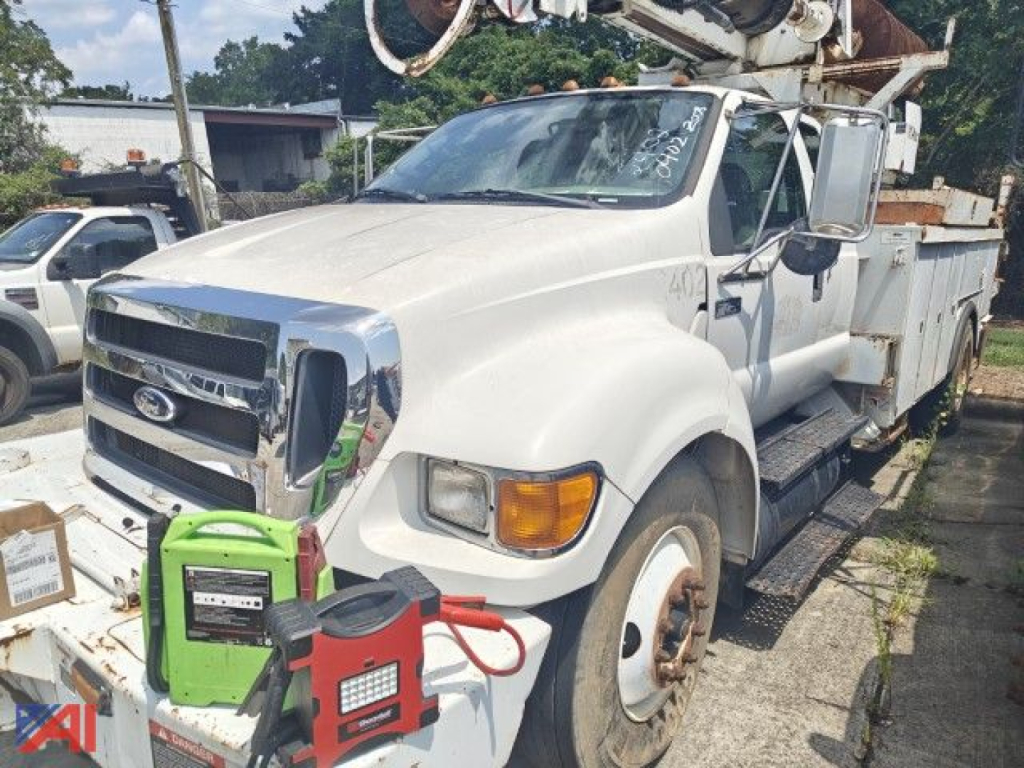
Have commercial truck to sell? List it here to reach thousands of buyers.
Commercial Trucks Near Gastonia, North Carolina
For vocational trucks, the key specs are usually GVWR, wheelbase, suspension rating, front axle capacity, rear axle ratio, and the compatibility between the chassis and the upfit. A bucket truck buyer should look closely at boom hours, working height, insulation rating if applicable, outrigger function, and signs of structural repair. A vacuum or vac-con truck needs careful review of tank condition, pump performance, hose reels, filtration components, and evidence of corrosion or prior patching. Refuse trucks should be checked for packer wear, hopper condition, tailgate seal integrity, and hydraulic leaks, while fire trucks and ladder trucks demand close attention to pump testing records, aerial certification status, waterway condition, and the availability of replacement parts for older apparatus.
Gastonia and the broader North Carolina market can be a practical place to shop for used trucks because municipal, contractor, and utility fleets often rotate equipment on scheduled replacement cycles. That creates opportunities to find older but serviceable trucks with specialized bodies already installed. For buyers planning to keep a truck in regional service, it helps to verify emissions compliance, brake type, tire condition, rust exposure, and whether the truck has been maintained for local stop-and-go duty or heavier seasonal work. On any older specialty truck, electrical systems, control stations, warning equipment, and auxiliary components can drive repair cost faster than the base engine or transmission.
A strong purchase in this category usually comes down to application fit and total reconditioning cost. Buyers should compare not just price, but also remaining service life in the body, hydraulics, pump systems, ladder or boom assemblies, and frame. Parts support can vary widely by make, especially on discontinued fire apparatus and older medium-duty vocational platforms. A truck with a sound chassis and a tired body may still pencil out if the equipment can be rebuilt, while a cleaner-looking unit with neglected hydraulics or structural corrosion can become expensive quickly. The best approach is to evaluate the truck as a complete working system, not just a cab and engine with equipment bolted on.
Frequently Asked Questions about Commercial Trucks Near Gastonia, North Carolina
What types of trucks are commonly found in the Gastonia, NC market?
The Gastonia market often includes vocational and specialty trucks such as bucket trucks, vacuum trucks, garbage trucks, fire trucks, ladder trucks, service trucks, and other municipal or utility units. These trucks are typically built for specific work applications, so buyers should expect major differences in body design, hydraulic systems, PTO setup, axle ratings, and control equipment from one listing to the next.
What should I inspect first on a used vocational truck?
Start with the truck’s intended application and then inspect the major systems that actually perform the work. That usually means the chassis, frame, engine, transmission, PTO, hydraulics, body structure, controls, and any pump, boom, packer, or tank equipment. On specialty trucks, expensive problems are often found in the auxiliary systems rather than the powertrain, so function testing is critical.
Are older municipal trucks a good value?
Older municipal trucks can be a strong value if they were maintained on a documented service schedule and the specialty equipment is still supported with parts. Many public-sector fleets follow replacement cycles based on age rather than complete mechanical exhaustion. Buyers still need to confirm wear items, corrosion, hydraulic condition, and the status of critical certifications or inspections, especially on aerial and fire apparatus.
How do I choose the right truck size and chassis?
Match the truck’s GVWR, axle capacities, wheelbase, suspension, and body configuration to the load and duty cycle you expect. A truck that is undersized will wear out quickly and limit productivity, while an oversized unit can add unnecessary operating cost and create maneuverability issues. For utility and municipal applications, wheelbase and PTO compatibility are often just as important as horsepower.
What matters most when buying a used fire truck or ladder truck?
Service records, pump performance, aerial condition, certification status, and parts availability are the main concerns. Fire apparatus can appear usable while still needing major investment in pumps, plumbing, electronics, or ladder components. Buyers should confirm testing history, inspect for corrosion in the body and water systems, and verify that replacement parts and qualified service support are still available for the make and model.