
Peterbilt Garbage Trucks For Sale in North Dakota
Browse Peterbilt garbage trucks for sale, including 320 and 520 models with front load or side load refuse bodies for municipal and commercial routes.
Learn more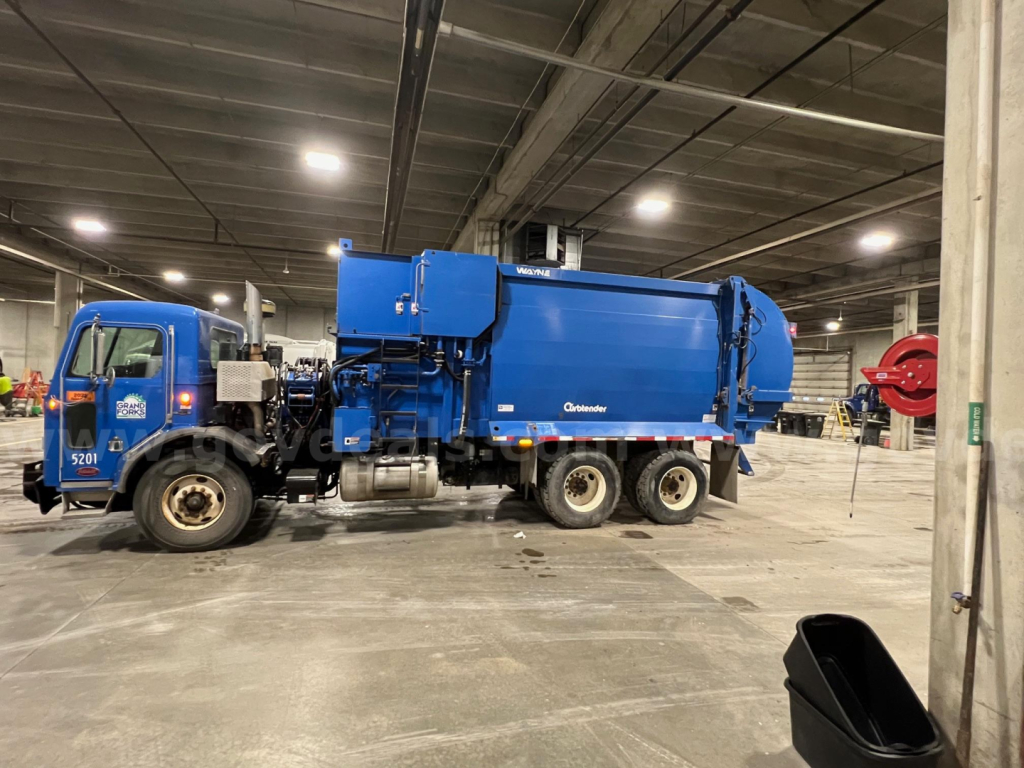
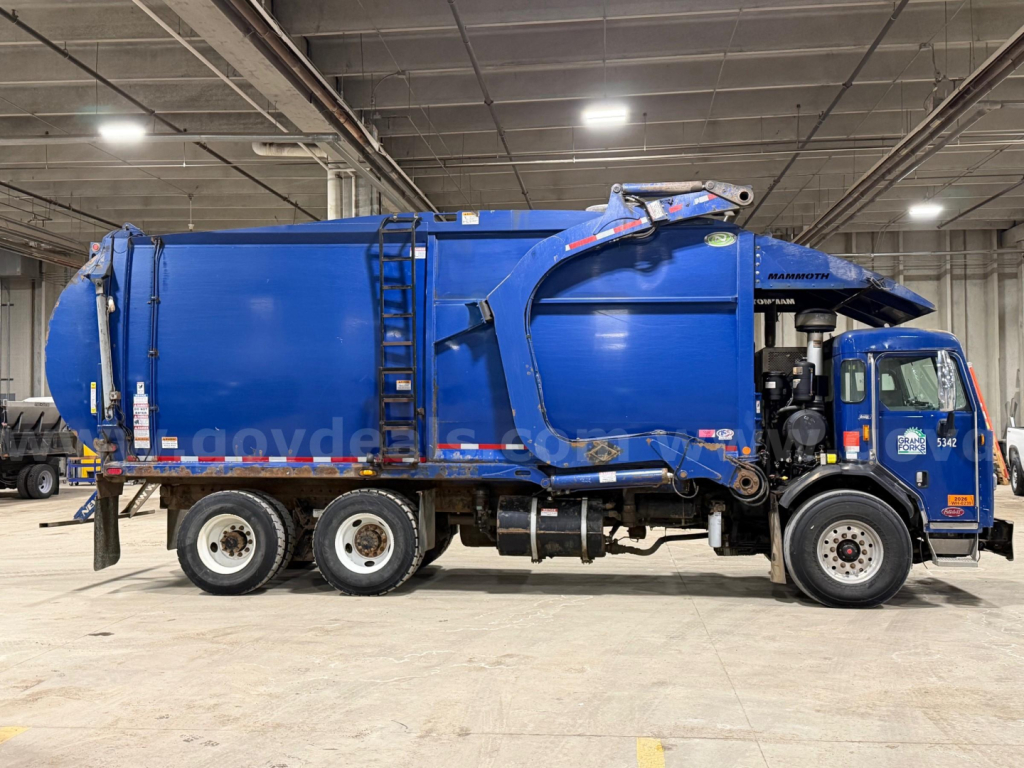
Have peterbilt garbage truck to sell? List it here to reach thousands of buyers.
About Peterbilt Garbage Trucks in North Dakota
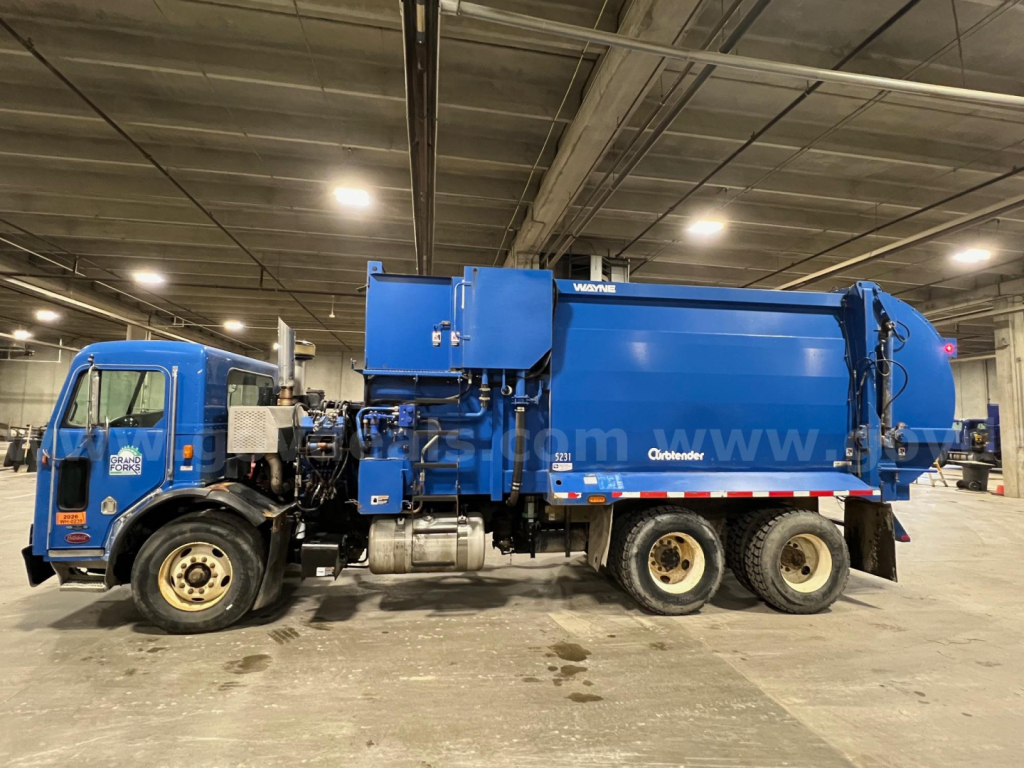
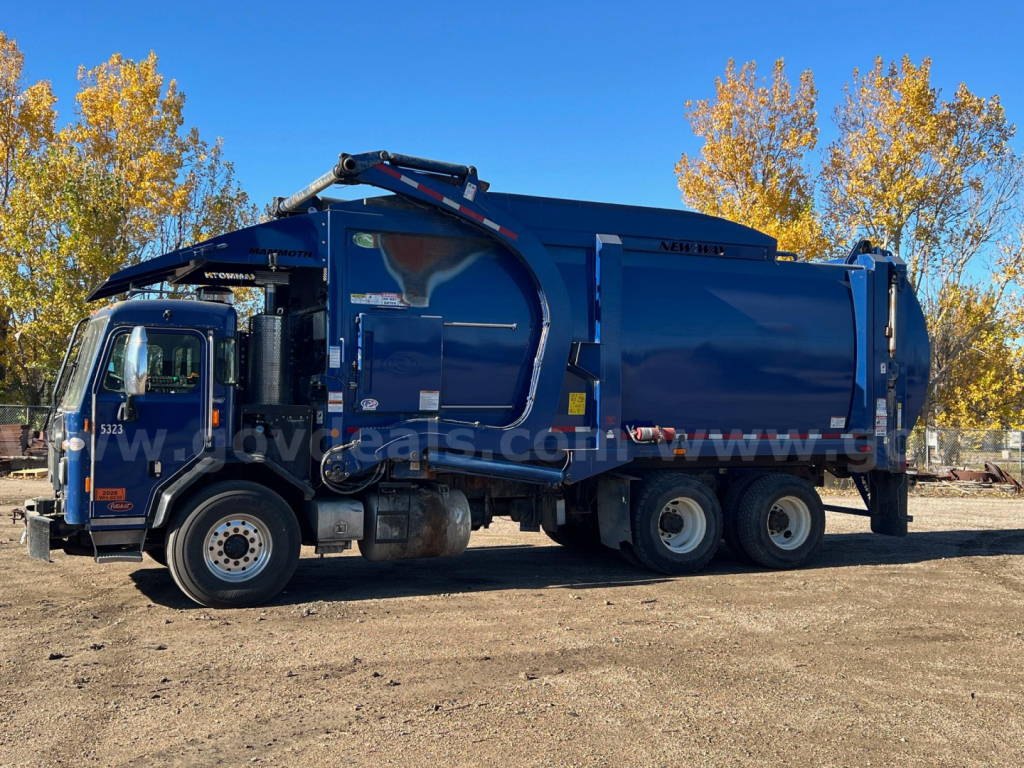
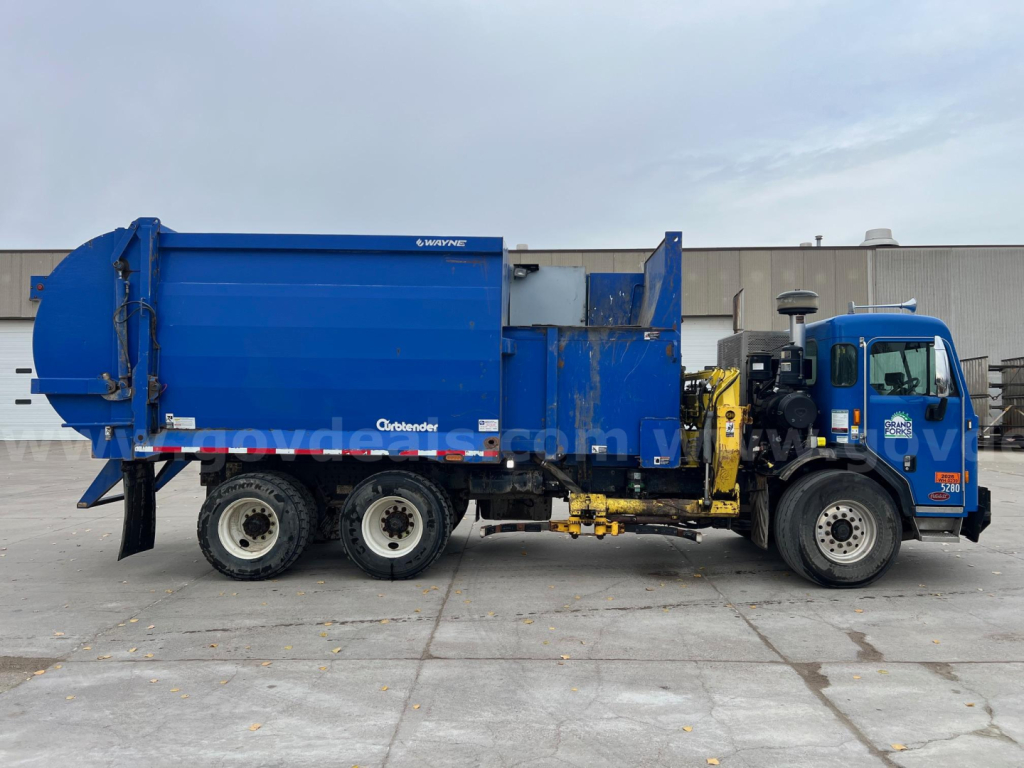
The first buying decision is usually body style. Front loaders are typically used for commercial dumpster service and are often paired with 40-yard class bodies, while side loaders are more common on residential routes and may be equipped with automated arms or curbside loading systems in the 27-yard range. Body manufacturer matters almost as much as the truck itself because packer design, hydraulic layout, hopper construction, and parts support can affect uptime. Buyers should confirm cycle counts or hours if available, inspect arm pins and bushings on side loaders, and check fork wear, crossmembers, and packer rail condition on front loaders. Camera systems, cart tipper functions, and hopper controls also deserve close attention because refuse work is hard on electrical components.
On the chassis side, Peterbilt refuse trucks are often spec'd with diesel engines in the Cummins 8.9L class, automatic or automated transmissions, heavy front axles, high-capacity rear axles, and suspension packages suited for shifting loads and repeated compaction cycles. Wheelbase, axle rating, and steering geometry should match the route. A tight turning radius is valuable in residential neighborhoods, while commercial front load work may put more emphasis on lift stability and front axle capacity. In North Dakota, cold-weather performance should be part of the inspection process. Hydraulic hoses, seals, battery condition, engine block heating, DEF system behavior, and cab heater output all matter when the truck will start and cycle in freezing conditions. Corrosion is usually less severe than in coastal markets, but frame condition, body floor wear, and tailgate sealing surfaces still need a close look.
Used Peterbilt garbage trucks are typically bought on route suitability and maintenance history more than odometer mileage alone. Engine hours, PTO hours, and total body wear tell a more accurate story than road miles on a refuse unit. Look for documented service on hydraulics, steering components, front suspension, brakes, and packer systems, and verify that safety equipment like backup cameras, warning lights, and interlocks is working. A well-matched Peterbilt 320 or 520 can be a durable platform for residential pickup, commercial container service, or municipal sanitation work, especially when the body, axle spec, and route demands are aligned from the start.
Frequently Asked Questions
What are the most common Peterbilt garbage truck models?
The most common Peterbilt garbage truck models are the 320 and the newer 520. Both are cab-over refuse chassis designed for visibility, tight maneuvering, and frequent entry and exit. The 320 has been widely used in municipal and private fleets for years, while the 520 continues that layout with updates in cab design, ergonomics, and serviceability.
How do I choose between a front load and a side load Peterbilt garbage truck?
Choose a front loader if the truck will service commercial dumpsters and container routes that require lifting bins over the cab into a large hopper. Choose a side loader for residential collection, especially when the route uses carts and automated arm pickup. The right choice depends on container type, route density, alley access, turning space, and whether the operation is driver-only or uses additional labor on the route.
What matters more on a used refuse truck, mileage or hours?
Hours usually matter more than mileage on a garbage truck. Refuse routes create heavy wear through constant stopping, PTO engagement, hydraulic cycling, and compaction, even when road miles stay relatively low. Engine hours, body hours if available, and the condition of the packer, hydraulics, steering, suspension, and lift components give a better picture of remaining service life than odometer mileage by itself.
What should I inspect on a used Peterbilt garbage truck before buying?
Inspect the refuse body and the chassis as separate but connected systems. On the body, check hopper wear, packer rails, cylinders, hydraulic leaks, arm or fork wear, camera operation, and tailgate seals. On the chassis, inspect the engine, transmission, PTO operation, front axle, steering gear, brakes, frame rails, suspension, and electrical system. Service records are especially valuable because preventive maintenance often determines whether a refuse truck remains dependable on route.
Are Peterbilt garbage trucks a good fit for North Dakota operation?
Peterbilt garbage trucks can be a strong fit for North Dakota if they are properly spec'd and maintained for cold weather service. Buyers should pay close attention to cold starts, battery and charging performance, block heater function, hydraulic response in low temperatures, cab heat, and DEF system condition on newer diesel units. Route work in winter can expose weaknesses quickly, so cold-weather readiness is as important as body condition and engine performance.