
Garbage Trucks For Sale in North Dakota
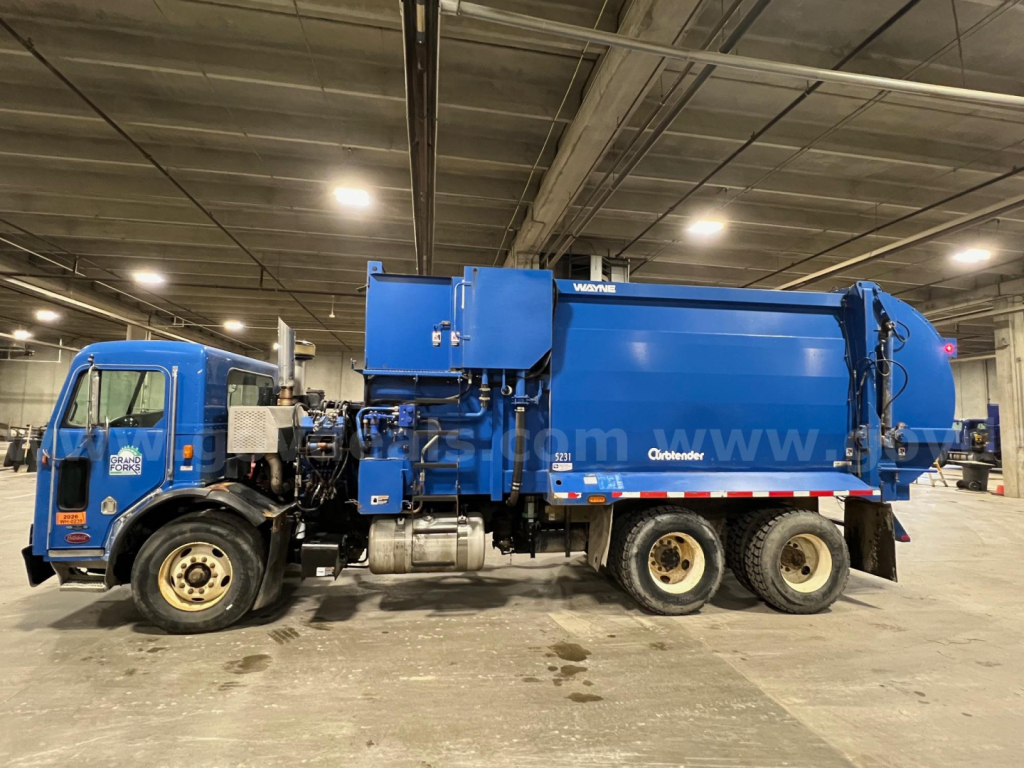
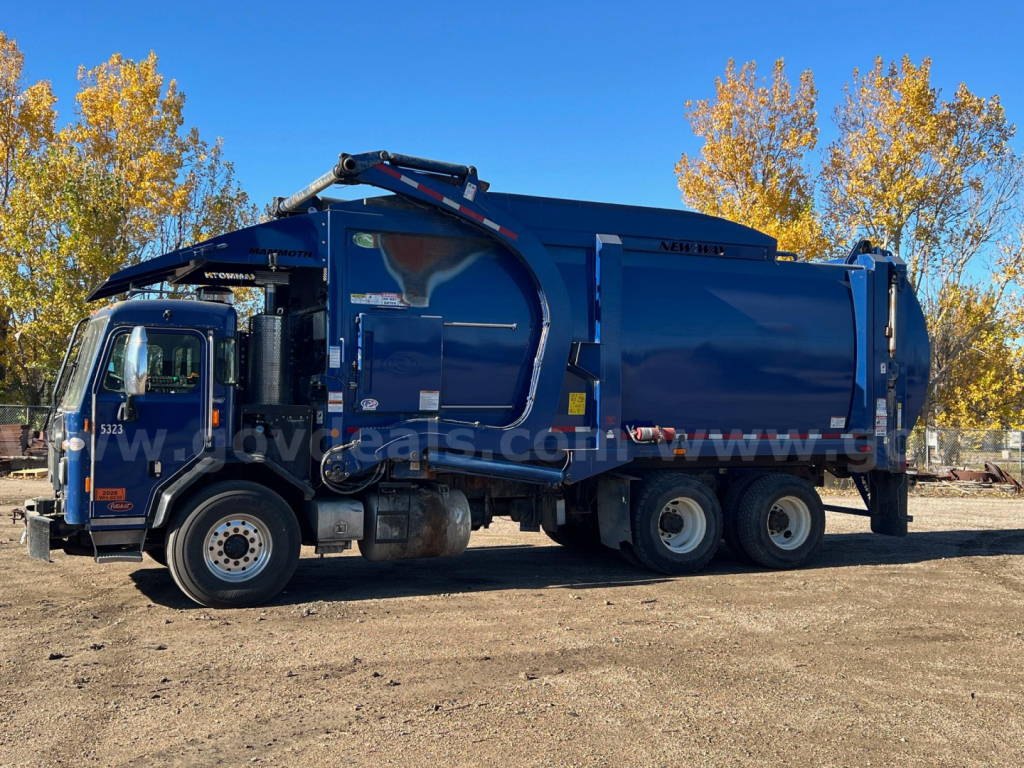
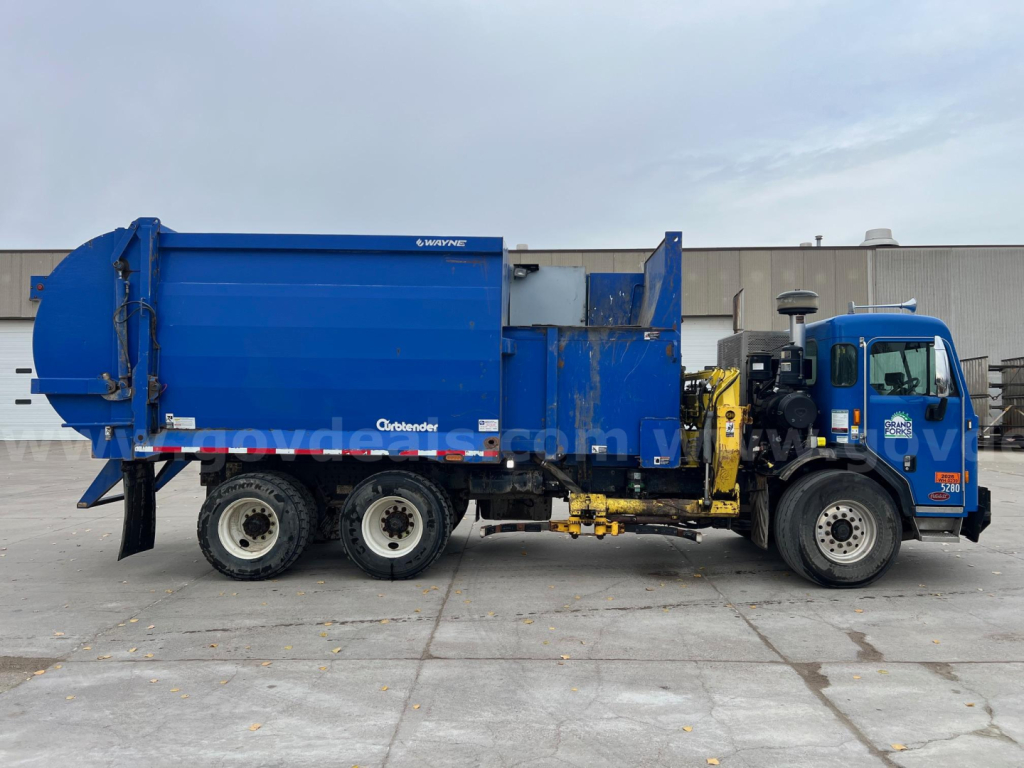
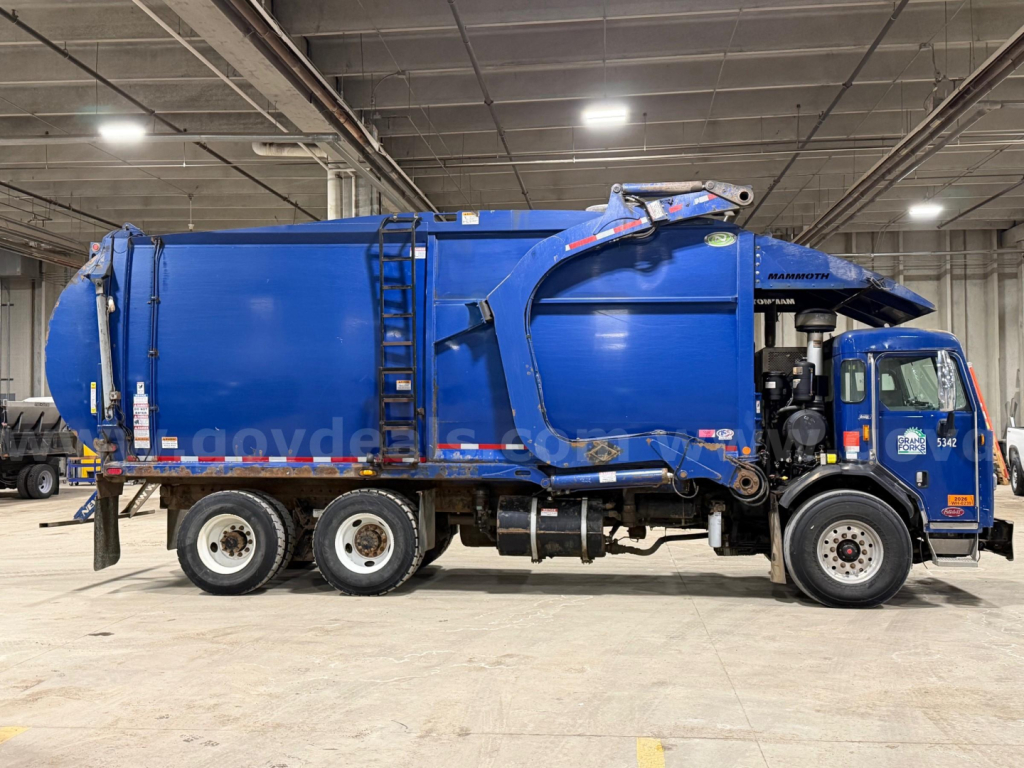
Shop garbage trucks for sale in North Dakota, including side loaders and front loaders with common refuse body sizes and fleet-ready specs.
Learn more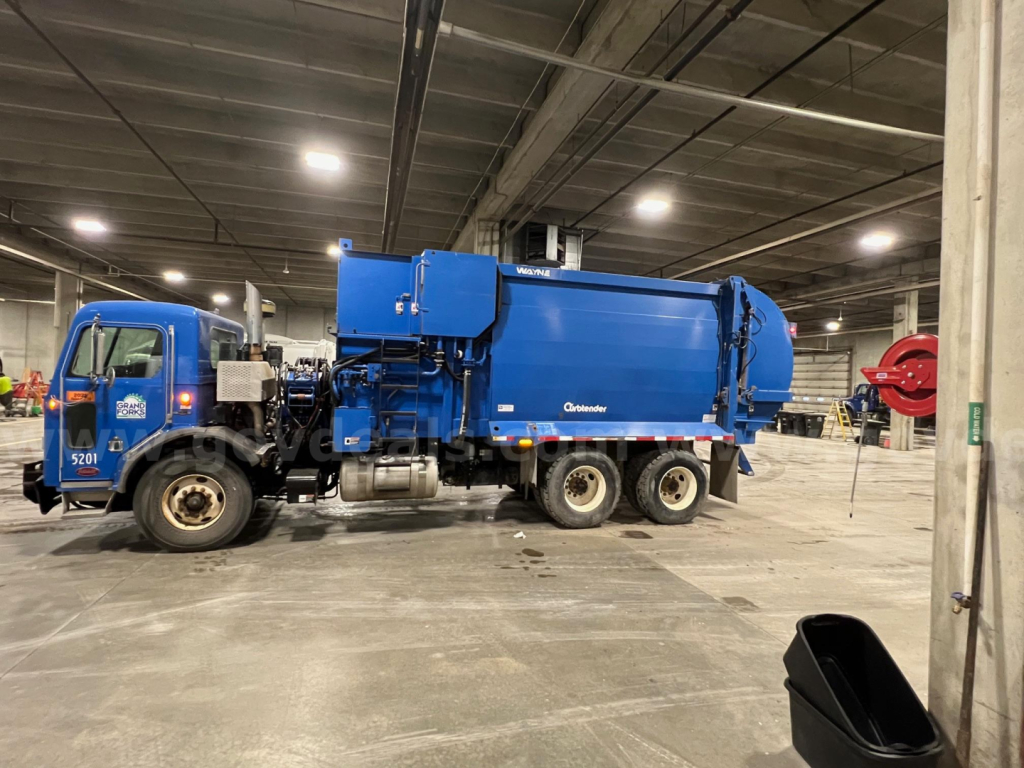
Have garbage truck to sell? List it here to reach thousands of buyers.
About Garbage Trucks in North Dakota
Cab-over garbage trucks are popular in refuse work because they offer tight turning radius, strong visibility, and better maneuverability in residential streets, transfer stations, and commercial lots. In North Dakota, cold weather performance is a real factor, so pay close attention to hydraulic system condition, PTO engagement, hose routing, cylinder seals, and cold-start behavior. A refuse truck that runs well in summer can expose weak hydraulics, electrical faults, camera issues, or body rust once temperatures drop. Front loaders often bring larger payload capability and fewer stops per route, while side load units can improve route efficiency and reduce labor on residential collection.
Used garbage trucks should be evaluated as both a truck and a working compactor system. Engine hours, idle time, transmission performance, axle ratings, suspension wear, and brake condition all matter, but the body inspection is where expensive surprises show up. Buyers should look closely at packer rails, hopper floors, tailgate seals, arms or forks, crossmembers, hydraulic pumps, and signs of leakage around hose connections and valves. Camera systems, warning lights, cart tippers, grabber operation, and interlocks also deserve attention because downtime on refuse equipment is often caused by body and control issues rather than engine failure.
A good garbage truck match depends on route density, stop count, container type, landfill distance, and local weight limits. Residential fleets often focus on side loader automation, legal payload, and visibility from the right-hand seat or control position. Commercial operators usually prioritize front loader reach, fork strength, cycle times, and body volume. If the truck will stay on municipal duty, service history and standardization across the fleet may matter more than cosmetic condition. If it is going into private hauling, the best value is often a unit with a solid packer, clean hydraulics, and a chassis spec that fits your route instead of a truck with the newest model year.
Frequently Asked Questions
What is the difference between a side loader and a front loader garbage truck?
A side loader garbage truck is designed primarily for residential collection and typically uses an automated or semi-automated arm to pick up carts from the curb. A front loader garbage truck is built for commercial waste collection and uses front forks to lift dumpsters over the cab and empty them into the hopper. Side loaders usually improve efficiency on high-stop residential routes, while front loaders are better for larger containers, fewer stops, and heavier commercial volumes.
What body size is common on used garbage trucks?
Common refuse body sizes vary by application, but many used side loaders fall in the upper-20-yard range and many front loaders are closer to 32 to 40 yards. Body size should be matched to route density, payload requirements, and legal axle weights, not just maximum volume. A larger body can reduce trips to the dump or transfer station, but only if the chassis axle ratings and route conditions support the load.
What should I inspect first on a used garbage truck?
Start with the refuse body and hydraulic system because those components are often the most expensive to repair and the hardest to judge from a basic listing. Inspect the hopper, packer, tailgate, arms or forks, cylinders, pump, valve bank, hoses, and body structure for wear, cracks, corrosion, and leakage. After that, review engine hours, transmission operation, brake condition, axle ratings, steering response, and any electrical issues involving cameras, warning systems, and interlocks.
Are cab-over garbage trucks better for city routes?
Cab-over garbage trucks are often preferred for city and residential refuse routes because they provide better forward visibility and a tighter turning radius than many conventional chassis. That layout helps in alleys, cul-de-sacs, tight commercial lots, and dense neighborhoods. They also make frequent stop-and-go collection easier for the driver, which is one reason models like the Peterbilt 320 and 520 are widely used in the refuse industry.
How important are engine hours on a garbage truck?
Engine hours are very important because refuse trucks spend much of their life in low-speed, stop-and-go operation with long periods of PTO and hydraulic use. A truck with moderate mileage can still have very high hours, and those hours affect engine wear, cooling performance, hydraulic demand, and idle-related maintenance needs. Buyers should compare hours with service records, body condition, and route type rather than judging the truck on mileage alone.