
Commercial Trucks For Sale Near Galt, California
Have commercial truck to sell? List it here to reach thousands of buyers.
Commercial Trucks Near Galt, California
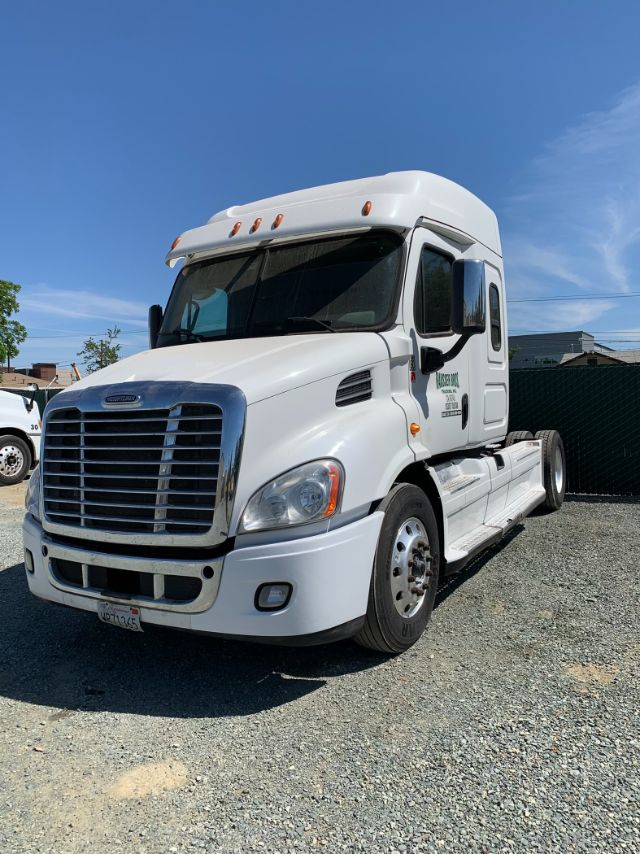
For over-the-road and regional freight, conventional tractors remain the core of the market. Models like the Freightliner Cascadia are common because parts support is broad and many fleets know the platform well. Buyers comparing used trucks should look closely at sleeper length, fuel capacity, rear axle ratio, and engine family, especially if the truck will spend time on I-5, Highway 99, or in heavier gross weight applications. A lower rear ratio may favor fuel economy at cruise speed, while a deeper ratio can help with gradeability and startability under load. Transmission choice is another key factor. Automated manuals dominate many late-model fleet specs, but some operators still prefer manual gearboxes for certain vocational or owner-operator applications.
Chassis details often separate a well-matched truck from one that only looks good on paper. Front axle capacity, tandem rating, frame rail spec, fifth wheel position, kingpin setting compatibility, and wheelbase all affect trailer swing clearance, bridge compliance, and maneuverability. If the truck will pull vans and reefers, a standard road tractor setup may be enough. If it will handle flatbeds, bulk commodities, or heavier California payloads, suspension and axle specs deserve closer attention. Buyers should also account for emissions equipment history on newer diesel trucks, including DPF, DEF, and SCR systems, because downtime in those areas can erase the savings of a lower purchase price.
Condition still comes down to service records, prior use, and how the truck was spec'd from new. Fleet-maintained highway tractors can be attractive for predictable maintenance history, while vocational or mixed-service trucks need a closer look at PTO provisions, frame drilling, hitch setups, and evidence of off-pavement wear. Cab condition, idle hours, tire match, brake life, and signs of driveline vibration all tell part of the story. A truck that fits the job, routes, and maintenance plan will usually outperform a cheaper unit with the wrong axle, cab, or powertrain spec.
Frequently Asked Questions about Commercial Trucks Near Galt, California
What types of trucks are most common for sale in Galt, California?
The market around Galt commonly includes highway tractors, day cabs, sleeper trucks, and vocational chassis used in agriculture, construction, and regional freight. Because the area sits between major freight corridors and productive farm territory, buyers often find a mix of conventional road tractors and work trucks suited for local hauling, equipment transport, and bulk commodity service.
What should I check first when comparing used trucks?
Start with the truck's intended application, then verify the major chassis and powertrain specs. The most important items usually include axle configuration, wheelbase, engine rating, transmission type, rear axle ratio, suspension, and cab style. After that, review maintenance records, engine hours, emissions system history, tire and brake condition, and signs of frame or driveline wear. A truck can be mechanically sound and still be a poor fit if the spec does not match the work.
Is a sleeper truck better than a day cab?
A sleeper truck is usually the better choice for long-haul or multi-day regional routes where driver comfort, onboard storage, and rest capability matter. A day cab is often the better tool for local and dedicated runs because it is lighter, simpler, and easier to maneuver in tighter yards or urban delivery points. The right answer depends on route length, trailer type, payload needs, and how often the truck returns to base.
How important are axle ratio and transmission choice on a used truck?
Axle ratio and transmission choice have a major effect on fuel economy, launch performance, cruising RPM, and driver experience. A taller ratio can reduce engine speed at highway cruise and support better fuel mileage, while a deeper ratio generally helps when starting heavy loads or working in more demanding terrain. Automated manual transmissions are common in fleet tractors because they support fuel-efficiency and driver consistency, while manual transmissions still appeal to some operators for preference or specific duty cycles.
What emissions components should buyers pay attention to on newer diesel trucks?
On newer diesel trucks, buyers should pay close attention to the diesel particulate filter, DEF system, SCR components, sensors, wiring, and any history of derates or repeated fault codes. Emissions repairs can be expensive and can create significant downtime if the system has been neglected. A documented maintenance history and a proper diagnostic review are especially important when evaluating trucks equipped with modern aftertreatment systems.