
Commercial Trucks For Sale Near Fullerton, California
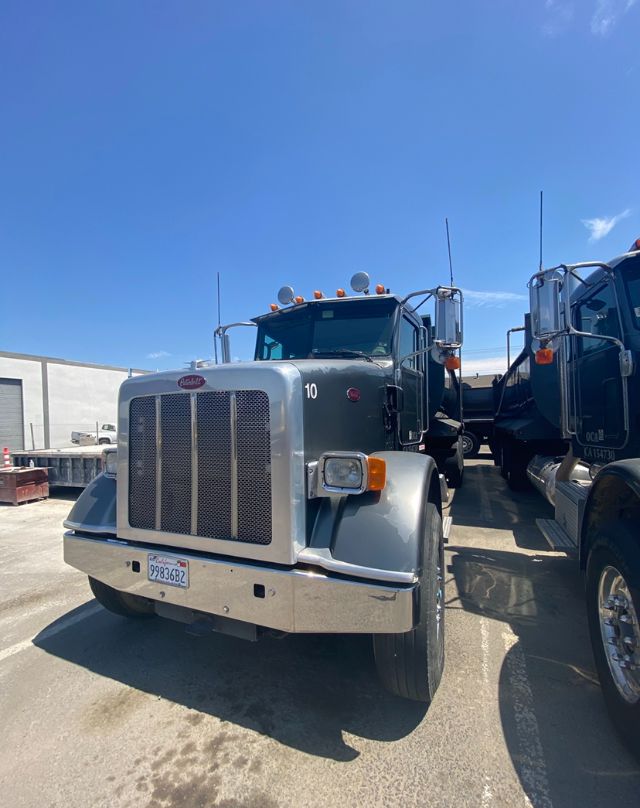
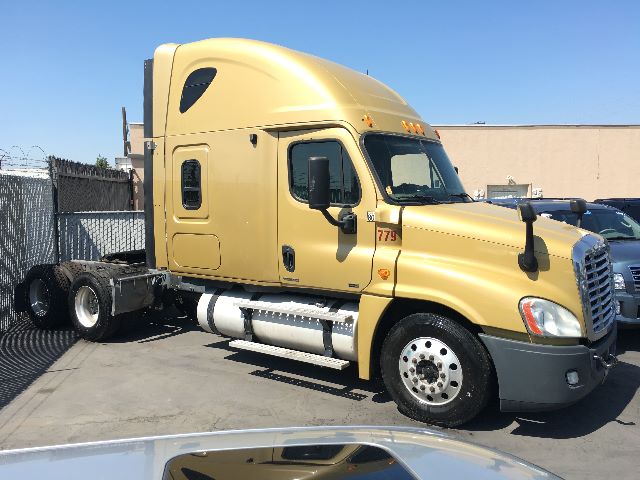
Have commercial truck to sell? List it here to reach thousands of buyers.
Commercial Trucks Near Fullerton, California
For highway trucks, key decision points usually include sleeper versus day cab, engine horsepower and torque, transmission type, rear axle ratio, and fuel capacity. Buyers comparing road tractors often look at tandem versus single axle setups, fifth wheel placement, mileage, and maintenance history because those factors directly affect payload flexibility and operating cost. In vocational trucks, the focus shifts toward body upfit, PTO operation, frame strength, front axle capacity, locking differentials, and suspension choice. A dump truck, roll-off, hooklift, crane truck, or stake bed may all fall under the broader truck category, but each one is built around a different duty cycle and jobsite demand.
California buyers also need to think about operating environment. Urban routes around Orange County reward tighter turning radius, better cab visibility, automatic transmissions in stop-and-go traffic, and specs that support frequent starts and short runs. Heavier regional or jobsite work may call for higher horsepower, double frame construction, heavier suspensions, lift axles, and rubber that can handle mixed pavement conditions. If the truck will pull a trailer, check hitch type, pintle or fifth wheel capacity, brake setup, and electrical connections. If it will carry a body, confirm clear cab-to-axle measurement, frame rail condition, and any hydraulic or electrical provisions already installed.
The strongest truck purchase is usually the one that balances legal payload, uptime, serviceability, and driver fit. Engine make, transmission brand, axle manufacturer, and parts support all matter, but so does the practicality of the spec for the intended route. A fleet buyer may prioritize standardization and maintenance efficiency, while an owner-operator may focus more on fuel economy, comfort, and resale. Looking closely at wheelbase, tire size, brake type, suspension wear, and evidence of prior vocational use helps separate a truck that is merely available from one that is properly matched to the work.
Frequently Asked Questions about Commercial Trucks Near Fullerton, California
What types of trucks are commonly available in the Fullerton, California market?
The Fullerton market typically includes highway tractors, day cabs, sleeper trucks, box trucks, dump trucks, flatbeds, stake beds, service trucks, and other vocational chassis. The right category depends on whether the truck will haul freight, carry a mounted body, operate on jobsites, or handle local delivery. Buyers should match the truck type to the duty cycle first, then compare axle ratings, engine output, transmission, and body provisions.
What specs matter most when buying a used truck?
The most important specs depend on application, but buyers usually focus on GVWR or GCWR, axle configuration, engine horsepower and torque, transmission type, wheelbase, suspension rating, and brake setup. For tractors, fifth wheel location, rear axle ratio, and fuel capacity are major factors. For vocational trucks, front axle capacity, PTO capability, frame condition, and body compatibility often matter more than mileage alone.
Why is California compliance important when shopping for trucks?
California compliance matters because emissions rules can affect where and how a truck is operated, especially in heavily regulated areas and fleet applications. Buyers should verify emissions equipment, engine model year, registration suitability, and any operational restrictions that may apply. A truck can be mechanically sound and still be a poor fit if it does not align with California operating requirements.
How do I choose between a day cab and a sleeper truck?
A day cab is generally better for local and regional routes where low weight, shorter wheelbase, and easier maneuverability matter. A sleeper truck is better suited for over-the-road work, longer dispatch cycles, and operations where driver rest accommodations are required. The choice comes down to route length, payload goals, driver comfort, and how much frame space is needed for fuel, DEF, and other equipment.
What should I inspect on a vocational truck before buying?
On a vocational truck, inspect the frame rails, crossmembers, PTO operation, hydraulic components, suspension wear, front axle condition, and any signs of hard jobsite use. Check that the cab-to-axle dimension matches the intended body and confirm that the electrical and hydraulic systems support the planned upfit. Body condition matters, but the underlying chassis spec and structural integrity are usually more important to long-term value.