
Freightliner Trucks For Sale in Utah
Freightliner trucks in Utah, from Cascadia tractors to M2 straight trucks, optimized for payload, mountain grades, cooling, and corrosion control.
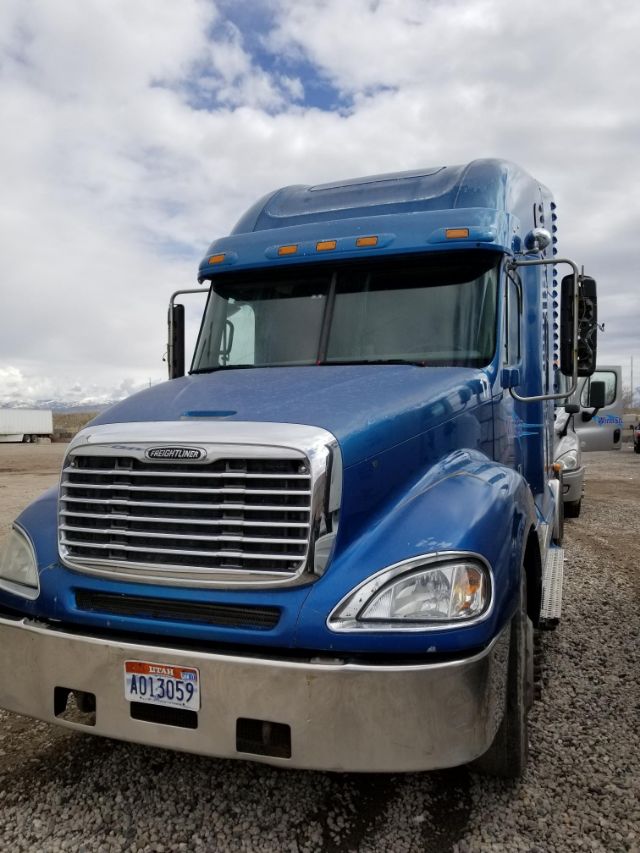
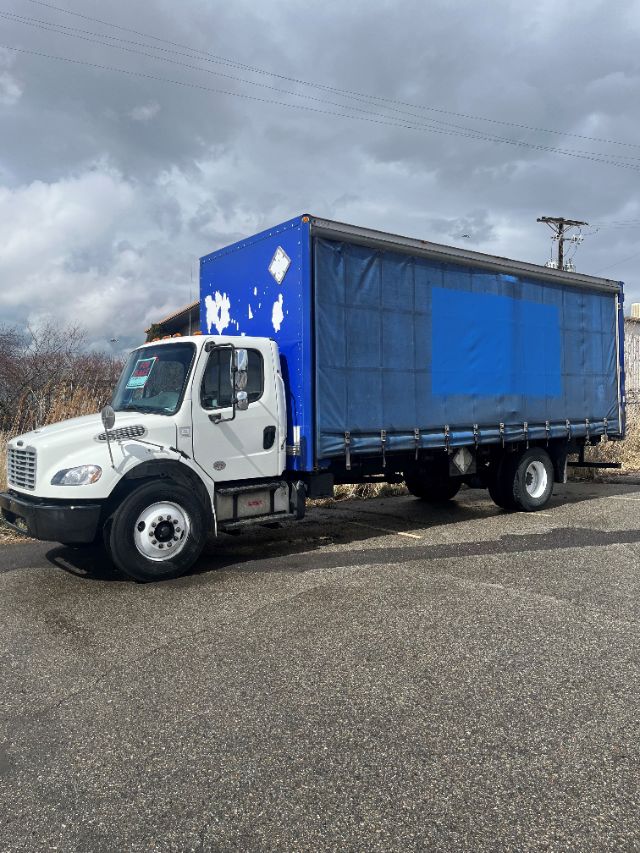
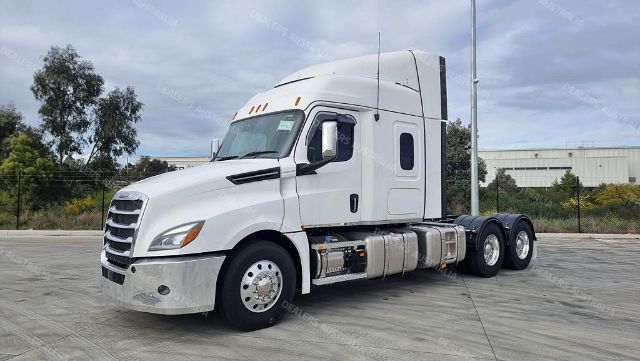
Selling a freightliner truck? List your freightliner truck for sale and reach thousands of commercial buyers.
Freightliner Trucks in Utah
Keeping curb weight down matters across Utah’s weigh stations and bridge formula limits. Freightliner’s aluminum cab construction, aluminum wheels, and disc brakes trim pounds, and 6x2 configurations can remove even more weight where road conditions allow. Balance these choices with operational realities, such as winter traction and tire wear on chip seal or hot summer asphalt. Wheelbase, fuel tank size, and sleeper length also drive tare weight and payload margin, so verify scale tickets against your most demanding lanes and loading patterns.
Corrosion resistance is critical given magnesium chloride and salt used on Utah roads. Freightliner cabs use aluminum and e‑coated structures that resist rust, but the steel frame still needs protection. Seek frames and crossmembers with e‑coat or powder coatings, sealed electrical connectors and harness routing, stainless or coated fasteners, and composite fairings that shed brine. Heated mirrors, sealed lamp housings, and frequent wash intervals with undercarriage rinse extend service life, help resale, and keep ground paths and sensors in the Detroit Assurance safety suite performing correctly.
Floor strength and thermal integrity come into play on Freightliner straight trucks and reefers. For box bodies, verify forklift ratings in pounds per wheel, laminated hardwood thickness, and crossmember spacing, then add aluminum scuff liners, logistics posts, and threshold reinforcements to prevent punch‑through at the rear. For refrigerated bodies, foam‑in‑place insulation, thermal breaks at posts and sills, tight door seals, and smooth interior liners preserve setpoint in summer heat and high elevation sun. On tractors and sleepers, heavy duty cooling packages, high capacity HVAC, APUs or battery‑electric HVAC, and cab insulation keep temperatures stable on long climbs and overnight off‑idles along the Wasatch Front.
Frequently Asked Questions about Freightliner Trucks in Utah
Which Freightliner models are best suited to Utah mountain routes and heavier loads?
For highway and regional freight over mountain grades, the Cascadia with a DD15 or DD13 and a DT12 automated manual is a strong baseline. Spec a 3‑stage engine brake, axle ratios tuned for sustained climbs and descents, and a 6x4 for all‑weather traction if you regularly see snow or jobsite approaches. For vocational or heavier vocational payloads, the 114SD or 122SD with high RBM frame rails and set‑forward or set‑back axles provide better approach angles and frame strength.
How can I lower tare weight on a Freightliner without compromising durability?
Use aluminum wheels, disc brakes, and an aluminum fifth wheel or a lighter slider where appropriate, and rightsize fuel capacity to your route. Keep high RBM frame rails and necessary reinforcements, and avoid deleting crossmembers that protect against frame twist in construction or oilfield service. Consider 6x2 only if traction, tire type, and route conditions support it, and confirm that weight savings still allow proper axle load distribution under Utah bridge limits.
What specs help resist corrosion from Utah’s winter road chemicals?
Look for e‑coated or powder‑coated frames and crossmembers, sealed electrical connectors, stainless or coated fasteners and clamps, nylon or shielded air lines, and composite or aluminum exterior components. Add undercoating where appropriate, specify heated mirrors and sealed LED lighting, and maintain a regular wash schedule with undercarriage rinse to remove magnesium chloride. Protecting harness junctions and ground points is especially important for trucks equipped with advanced driver assistance systems.
What should I evaluate for floor strength on a Freightliner straight truck?
Confirm the floor’s forklift rating per wheel, laminated hardwood thickness, and crossmember spacing, typically 12 inches on center for heavier pallet work. Reinforce the rear threshold and sills, add 12 to 24 inch aluminum scuff liners, and include logistics track or E‑track to prevent concentrated load damage. If you run dock‑to‑dock with pallet jacks, specify pallet jack plates and a wear surface at the rear to reduce impact damage.
How do I assess thermal integrity for reefer bodies and cab comfort in Utah’s climate?
For reefers, review R‑values, foam thickness, thermal breaks at posts and sills, door seal quality, and airflow design, and pair the body with a properly sized unit to handle high ambient temperatures at elevation. For tractors and sleepers, choose heavy duty cooling packages with larger radiators and charge‑air coolers, high capacity HVAC, cab insulation upgrades, and an APU or battery‑electric HVAC to reduce idle time while maintaining stable temperatures on hot days and cold nights.