
Used Freightliner Trucks For Sale in Maryland
Browse used Freightliner trucks in Maryland, including Cascadia, Columbia, and M2 models for regional haul, vocational, and fleet use.


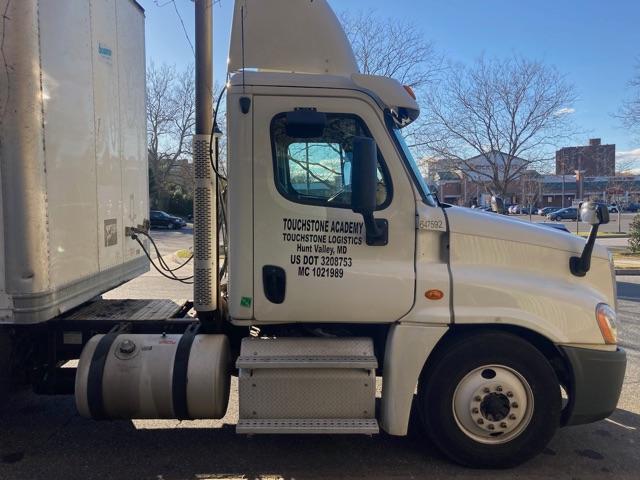

Have used freightliner truck to sell? List it here to reach thousands of buyers.
Used Freightliner Trucks in Maryland
Powertrain choice is one of the first decisions to make on a used Freightliner. Depending on year and model, buyers will see Detroit, Cummins, Mercedes-Benz, and occasionally Caterpillar engines, paired with Eaton Fuller manual transmissions, automated manuals, or Allison automatics in medium-duty applications. On highway units, horsepower and rear axle ratios should match the work. A regional single-axle truck may prioritize maneuverability, lighter tare weight, and lower operating cost, while a sleeper tractor may need higher horsepower, a heavier suspension, and a drivetrain set up for sustained interstate miles. For vocational and cab and chassis trucks, wheelbase, PTO capability, front axle rating, and body upfit compatibility usually matter more than sleeper amenities.
Maryland operating conditions make spec details especially important. Trucks running the I-95 corridor, Baltimore port freight, or dense urban routes around Baltimore, Annapolis, and the D.C. suburbs benefit from tighter turning radius, good visibility, and the right cab configuration for frequent stops. Regional haulers crossing into Pennsylvania, Delaware, Virginia, and New Jersey should pay attention to emissions system history, maintenance records, and current DOT inspection status, especially on older used units. Corrosion can also be a factor in Mid-Atlantic equipment, so frame condition, cab mounts, wiring, brake lines, suspension components, and wheel-end service history deserve a close look.
A strong used Freightliner should be evaluated by application, not just by price or mileage. On a Cascadia or Columbia, inspect engine blow-by, transmission operation, fifth wheel condition, suspension wear, tire match, and signs of deferred maintenance in the aftertreatment or cooling system. On an M2 or other medium-duty Freightliner, confirm GVWR, axle ratings, body dimensions, and how the truck was previously used, since municipal and service applications can mean high idle hours even with moderate road miles. Freightliner remains popular because the brand is widely supported, familiar to technicians, and available in specs ranging from basic fleet tractors to specialized work trucks. That gives buyers a deep used market, but the best value comes from matching the truck’s original build and current condition to the route, payload, and duty cycle it will actually handle.
Frequently Asked Questions about Used Freightliner Trucks in Maryland
What are the most common used Freightliner truck models buyers look for?
The most common used Freightliner models depend on the job. The Cascadia is one of the most widely searched highway tractors for regional and over-the-road freight. The Columbia remains common in older used sleeper inventories and can appeal to buyers looking for a simpler pre-owned tractor. The M2 106 is a staple in medium-duty and vocational work, including box trucks, service trucks, utility bodies, and cab and chassis applications. Freightliner’s strength in the used market is that the same make covers long-haul, regional, and work-truck roles.
Is a used Freightliner Cascadia good for regional hauling in Maryland?
A used Freightliner Cascadia can be a strong regional hauling truck for Maryland if the spec matches the route and payload. Single-axle configurations can work well for lighter regional freight and tighter maneuvering in Mid-Atlantic traffic, while tandem-axle trucks are better suited for heavier loads and broader trailer compatibility. Buyers should verify engine make, transmission type, rear axle ratio, suspension setup, and GCWR. In regional service, maintenance history, emissions repairs, and cooling system condition are often more important than model year alone.
What should I inspect first on a used Freightliner truck?
Start with the truck’s application-critical items: engine condition, transmission performance, axle ratings, suspension, brakes, tire wear pattern, and frame condition. Then review maintenance records, mileage or engine hours, DOT inspection status, and any signs of corrosion or past accident repair. On highway tractors, pay close attention to aftertreatment components, fifth wheel wear, and driveline condition. On medium-duty and vocational trucks, inspect PTO operation, body mounting, wiring, hydraulic components, and evidence of prolonged idling or stop-and-go duty.
Are Freightliner parts and service support good in the used truck market?
Freightliner generally has strong parts and service support, which is one reason the brand stays popular in the used truck market. Many independent shops and dealer networks are familiar with Freightliner platforms, especially common models like the Cascadia and M2. Parts availability can be an advantage for buyers trying to control downtime, although support also depends on the engine and transmission combination in the truck. Older units with less common engine packages may require more careful parts planning than late-model trucks with widely supported drivetrains.
What matters most when choosing a used Freightliner for vocational or service work?
For vocational or service work, the most important factors are usually GVWR, wheelbase, front and rear axle ratings, PTO readiness, body compatibility, and maneuverability. A truck that looks clean but has the wrong axle capacity or frame layout can be a poor fit for the job. Buyers should also consider idle hours, electrical system condition, cab access, visibility, and the service history of any hydraulic or auxiliary equipment. On medium-duty Freightliner models like the M2 106, the truck’s original upfit and daily duty cycle often tell you more than odometer miles alone.