
Used 2018 Freightliner Trucks For Sale in Texas
Browse used 2018 Freightliner trucks for sale in Texas, including Cascadia and Coronado models with Detroit powertrains and fleet-ready specs.
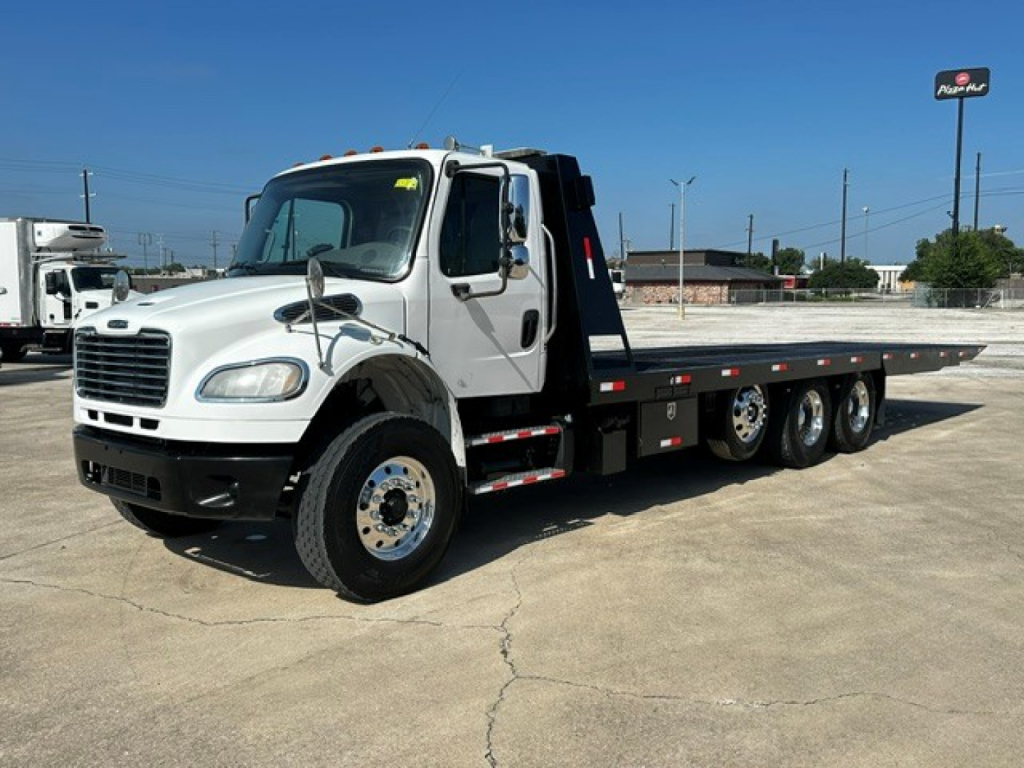
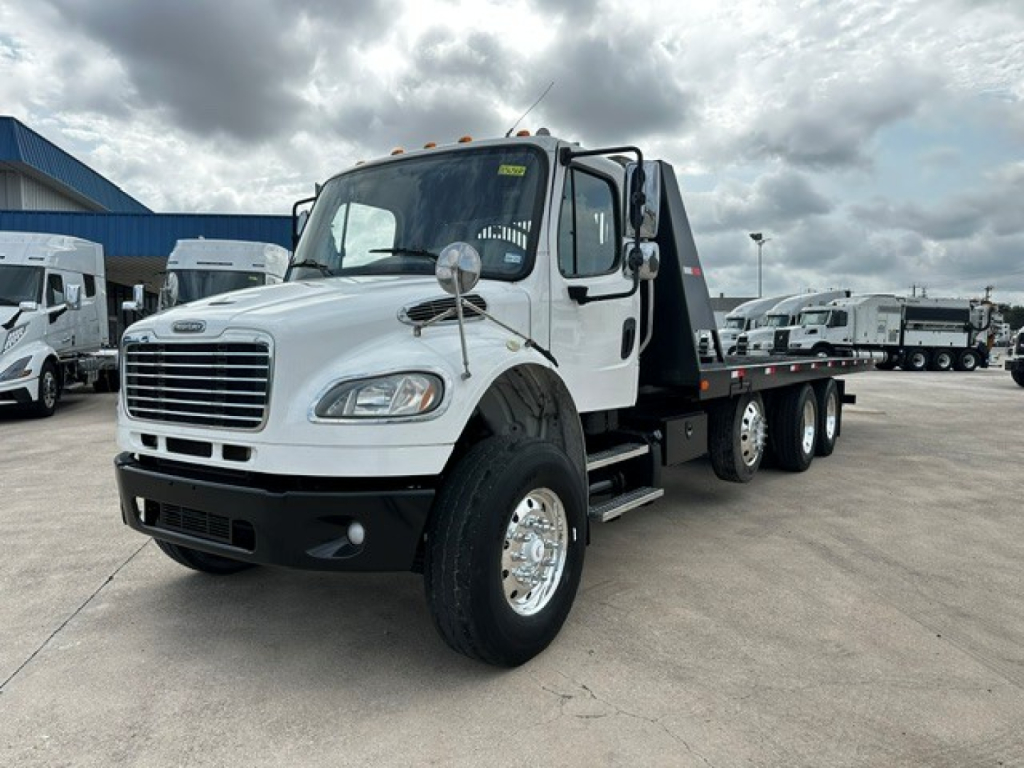

Selling a used 2018 freightliner truck? List your used 2018 freightliner truck for sale to reach thousands of commercial buyers.
Used 2018 Freightliner Trucks in Texas
Powertrain selection is one of the biggest buying decisions in this category. Many 2018 Freightliner trucks are equipped with Detroit DD13 or DD15 diesel engines, often paired with a DT12 automated manual or a traditional manual transmission. A DD13 day cab with a 3.08 or 3.23 rear ratio is a common spec for regional freight, fuel efficiency, and high-cycle highway work. A DD15 brings more displacement for heavier gross weights, longer lanes, and sleeper applications. Buyers should also compare rear axle ratings, usually around 40,000 pounds on highway tractors, along with wheelbase, suspension type, and brake configuration. Air ride suspension, disc brakes, air slide fifth wheels, and collision mitigation systems are all features that can materially affect operating cost, driver acceptance, and resale appeal.
Application fit matters more than trim level. A 2018 Freightliner Cascadia day cab, also known as a non-sleeper conventional tractor, is usually the right tool for dedicated regional lanes, drayage, tanker, intermodal, and local distribution where maneuverability and lower empty weight matter. A 2018 Freightliner sleeper truck makes more sense for irregular route work, overnight freight, and teams that need onboard living space and larger fuel capacity. Coronado and SD-series trucks appeal to buyers who prefer a more traditional hood and vocational-ready feel, especially in heavier service or mixed on-road and jobsite use. In Texas, buyers often pay close attention to cooling system condition, A/C performance, tire wear patterns, and frame or suspension wear because of heat, long distances, and frequent heavy-load operation.
For a used 2018 Freightliner truck, service history is as important as engine model. Review idle hours, aftertreatment service records, clutch life on manual units, DT12 calibration updates on automated trucks, and any repairs tied to emissions components, collision mitigation sensors, or wheel end and brake systems. Cab condition also tells you a lot about prior use. Seat wear, steering wheel play, switchgear condition, bunk HVAC function, and signs of water intrusion can reveal how the truck was treated. Freightliner trucks from this year are popular because they are modern enough to offer strong drivability and safety features, but mature enough that most shops know them well and aftermarket support is extensive.
Frequently Asked Questions about Used 2018 Freightliner Trucks in Texas
What engines are common in used 2018 Freightliner trucks?
Used 2018 Freightliner trucks commonly feature Detroit DD13 and DD15 diesel engines. The DD13 is frequently found in regional day cab applications where fuel economy and lower operating weight are priorities. The DD15 is more common in sleeper tractors and heavier-duty highway work where extra torque and displacement are beneficial. The right choice depends on gross weight, lane profile, and how often the truck will run in stop-and-go service versus sustained highway miles.
Is a 2018 Freightliner Cascadia a good choice for Texas regional hauling?
A 2018 Freightliner Cascadia is often a strong fit for Texas regional hauling because it combines aerodynamic design, readily available parts, and familiar Detroit powertrains. Day cab versions are especially common in regional freight, port work, dedicated contract lanes, and distribution service. Buyers in Texas should still verify cooling system health, A/C performance, tire condition, and maintenance records because heat and long-distance operation can accelerate wear in those areas.
What should I inspect first on a used 2018 Freightliner truck?
Start with the maintenance history, engine hours, fault code history, and emissions-system service records. After that, inspect the aftertreatment components, transmission operation, suspension wear, brake condition, and fifth wheel function. On automated transmissions, confirm software updates and shift quality. Inside the cab, look for seat wear, HVAC performance, warning lights, and signs of electrical issues or water intrusion. A thorough inspection helps separate a fleet-maintained truck from one that may need immediate reconditioning.
What is the difference between a Freightliner day cab and a sleeper?
A Freightliner day cab is a non-sleeper conventional tractor designed for local and regional work where the driver returns regularly and does not need a bunk. It usually offers a shorter wheelbase, lighter weight, and better maneuverability. A sleeper includes a bunk area and is intended for longer hauls, overnight trips, and operations that require more onboard storage and driver accommodations. The right configuration depends on route length, payload needs, and driver scheduling.
Are used 2018 Freightliner trucks expensive to maintain?
Maintenance costs on a used 2018 Freightliner truck are usually manageable when the truck has complete service records and has been maintained on schedule. Costs can rise if emissions components, brake systems, tires, suspension parts, or transmission items have been deferred. One advantage of this category is that Freightliner and Detroit service support is widespread, and parts availability is generally strong. The real cost difference usually comes from prior upkeep, application match, and total chassis condition rather than the badge alone.