
Used 2016 Freightliner Trucks For Sale in Texas
Browse used 2016 Freightliner trucks for sale in Texas, including Cascadia day cabs and sleepers with Detroit powertrains and fleet-ready specs.
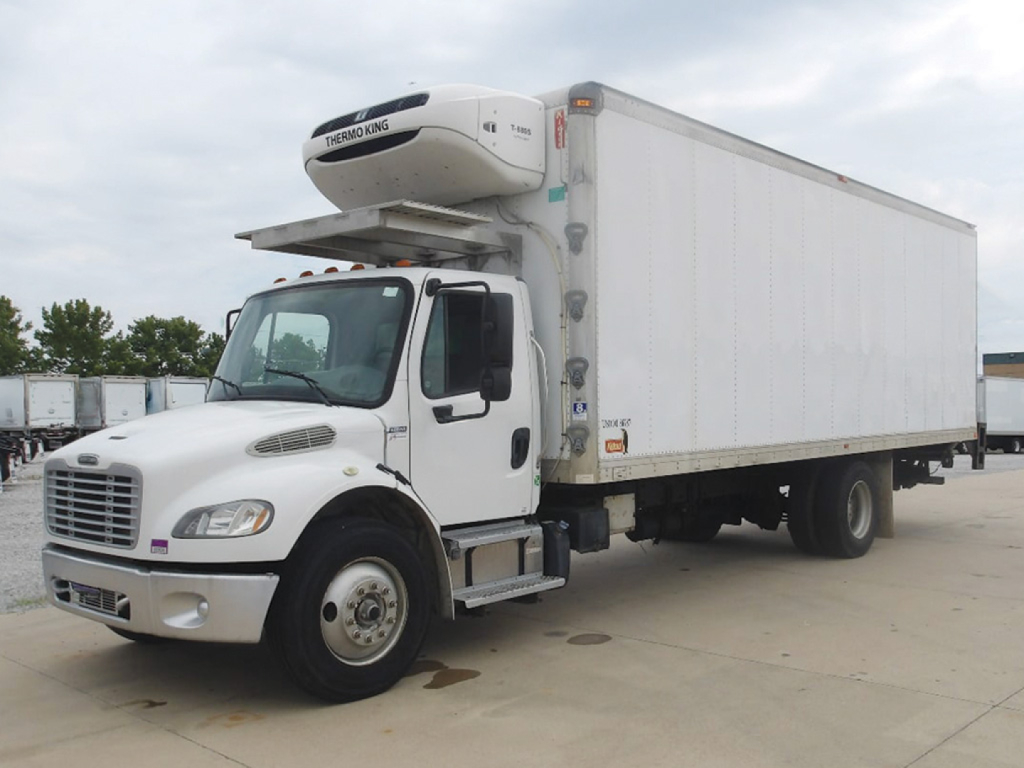
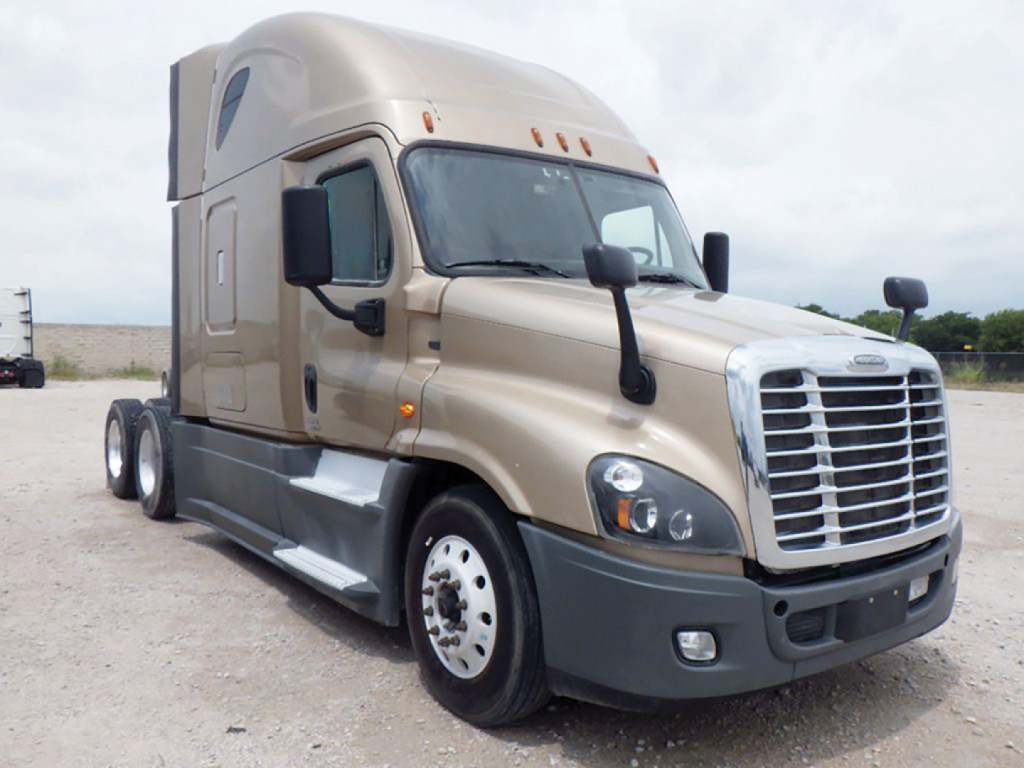
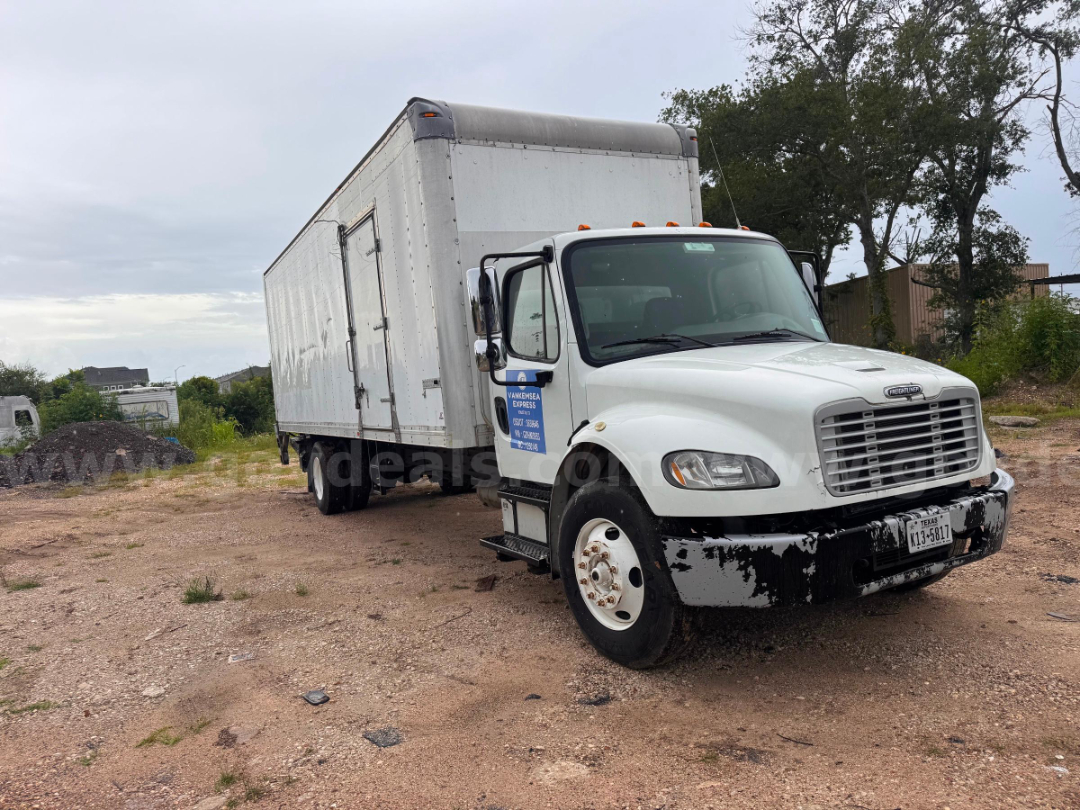

Have used 2016 freightliner truck to sell? List it here to reach thousands of buyers.
Used 2016 Freightliner Trucks in Texas
On 2016 Freightliner trucks, the first decision is usually cab configuration and duty cycle. Sleeper trucks are common for over-the-road freight, often with raised-roof sleepers, dual fuel tanks, aerodynamic fairings, and wheelbases in the low to mid-220 inch range. Day cabs fit regional haul, port work, dedicated lanes, and short-turn operations where lighter weight and tighter maneuverability matter more than bunk space. Many 2016 Freightliner road tractors in this class were spec'd with Detroit DD13 or DD15 engines, automated manual transmissions such as the DT12, air ride suspension, and 40,000 lb rear axles. Horsepower ratings commonly land around 400 to 455 hp, with rear axle ratios chosen for fuel economy or for a better balance between startability and cruise RPM.
A serious buyer should look past the badge and focus on the truck's original application and current mechanical condition. Check engine hours against mileage, review aftertreatment service history, and confirm whether the truck was maintained on a documented PM schedule. On sleeper units, inspect bunk HVAC, inverter or APU setup, and interior wear around the cabinets, seats, and upper bunk. On day cabs, pay close attention to frame condition, fifth wheel wear, suspension bushings, steer tire pattern, and evidence of heavy vocational use if the truck spent time on oilfield, container, or construction-related routes. For Texas operation, cooling system condition, A/C performance, and tire condition deserve extra attention because heat and long highway miles expose weak points quickly.
Freightliner trucks from this period are popular because they are straightforward to spec for the job. Buyers can compare wheelbase, fuel capacity, roof height, fairing package, fifth wheel type, and axle ratio to match the lanes they run. A low-RPM highway tractor may be ideal for dry van or reefer freight between major metros, while a shorter-wheelbase day cab with an air-slide fifth wheel may fit local drop-and-hook or drayage work better. When a 2016 Freightliner has a clean maintenance record, sensible gearing, and the right cab setup, it can still be a productive truck for small fleets, owner-operators, and larger carriers adding cost-controlled capacity.
Frequently Asked Questions about Used 2016 Freightliner Trucks in Texas
What are the most common 2016 Freightliner truck models buyers look for in Texas?
The most common 2016 Freightliner trucks on the used market in Texas are typically Cascadia road tractors, especially sleeper and day cab configurations. The Cascadia 125 Evolution is a frequent choice because it was widely fleet-spec'd for fuel economy, highway comfort, and serviceability. Buyers in Texas often focus on how the truck was configured for its prior use, including sleeper size, wheelbase, axle ratio, engine rating, and transmission type.
What engines and transmissions are common in used 2016 Freightliner trucks?
Many used 2016 Freightliner highway trucks were built with Detroit powertrains, most often the DD13 or DD15 engine paired with a DT12 automated manual transmission. These combinations are popular because they were widely adopted by fleets and have broad service support. Depending on the original order, horsepower can range from fuel-economy oriented specs to stronger long-haul ratings, so it is important to compare the engine model, horsepower, torque, and rear axle ratio as a complete package.
Is a 2016 Freightliner sleeper or day cab better for my operation?
A sleeper is usually the better fit for over-the-road freight, multi-day runs, and teams that need onboard living space, larger fuel capacity, and more driver amenities. A day cab is better suited to regional haul, local delivery, port drayage, or dedicated routes where the truck returns regularly and lower weight or shorter wheelbase adds value. The right choice depends on trip length, freight type, maneuverability needs, and how much emphasis your operation places on payload versus driver accommodations.
What should I inspect first on a used 2016 Freightliner truck?
Start with maintenance records, mileage, engine hours, and emissions system history because those factors reveal how the truck was used and maintained. After that, inspect tires, brakes, suspension, fifth wheel, frame rails, cooling system, and any signs of oil, coolant, or air leaks. On Texas trucks, air conditioning performance and cooling efficiency matter more than many buyers expect, especially for trucks running long distances in high heat.
Are 2016 Freightliner trucks still a good value for small fleets and owner-operators?
Yes, a well-maintained 2016 Freightliner can still be a strong value because it offers modern enough aerodynamics, driver comfort, and drivetrain efficiency without the higher purchase price of late-model equipment. The key is buying on condition and spec, not just age or odometer reading. A truck with documented service history, the right gearing for your lanes, and a clean inspection can provide dependable service while keeping capital costs under control.