
Freightliner Trucks For Sale in Missouri
Expert guide to Freightliner trucks for sale in Missouri. Compare Cascadia, M2, and SD specs, powertrains, and options to match routes and payloads.
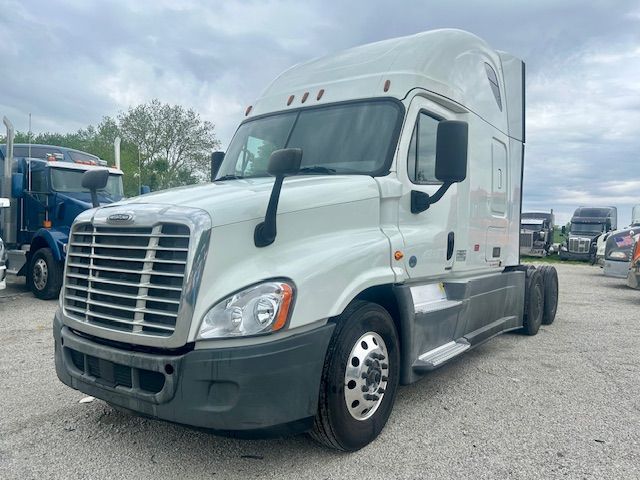
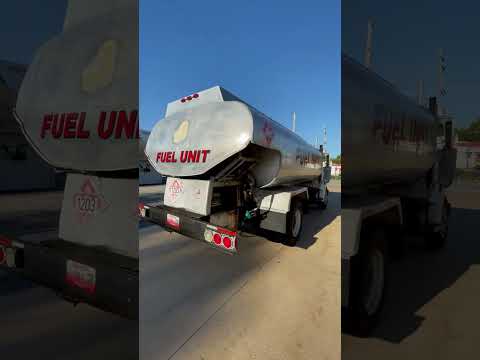

Have freightliner truck to sell? List it here to reach thousands of buyers.
Freightliner Trucks in Missouri
For regional and city freight in St. Louis, Kansas City, and Springfield, the Freightliner M2 106 and 112 shine as nimble, reliable platforms. Typical specs include Cummins B6.7 or L9 power, Allison automatics for stop-and-go routes, and wheelbases that balance dock maneuverability with body length for box, reefer, utility, or tanker applications. Buyers often compare air ride versus steel spring rears based on cargo sensitivity, and drum versus air disc brakes based on service life and fade resistance on rolling terrain. Expect multiplexed wiring, good parts availability, and straightforward serviceability that shortens downtime.
Construction, agriculture, and heavy vocational work point to the 108SD, 114SD, and legacy 122SD. High-RBM frame rails, 16k to 20k steer axles, 40k to 46k tandems, and factory PTO provisions suit dumps, mixers, roll-offs, and lowboys that move across county roads and job sites. AirLiner suspension offers a smoother ride and protects cargo, while Hendrickson or Chalmers vocational suspensions excel in off-road durability. Add a drop axle to meet bridge formula targets, spec engine brakes for Ozark grades, and consider air disc brakes for consistent stopping on hot summer days.
Missouri operations reward specs that handle heat, winter de-icer, and frequent grade changes. Look for cooling packages sized for high ambient temps, 6x4 traction for mixed surfaces, and corrosion protection on frame and crossmembers. When evaluating a used Freightliner, verify ECM miles and idle hours, review aftertreatment history on DPF and SCR systems, and inspect the Cascadia one-box on later models. Check for air leaks, suspension bushing wear, steer tire feathering, and any signs of frame or cab corrosion from road treatments. On DT12 units, confirm software currency and clutch wear data. Telematics such as Detroit Connect can provide fault history and remote diagnostics that help plan maintenance around Missouri’s busy agricultural and construction seasons.
Frequently Asked Questions about Freightliner Trucks in Missouri
Which Freightliner model best fits long-haul versus regional or vocational work in Missouri?
For long-haul across I-70 and I-44, the Cascadia with a Detroit DD13 or DD15 and a DT12 transmission is the efficiency leader. For regional delivery and municipal work, the M2 106 or 112 with Cummins power and an Allison automatic offers tight turning and easy service. For dumps, mixers, and heavy lowboy work, the 108SD, 114SD, and legacy 122SD provide higher axle ratings, PTO options, and vocational suspensions.
What engines and axle ratios pair well with Missouri routes and terrain?
Detroit DD13 or DD15 and Cummins X15, L9, or B6.7 are common in Freightliner trucks. For highway tractors, a downsped setup such as a DD15 with a DT12 and a fast axle ratio can improve fuel economy on flatter stretches. In rolling Ozark terrain or for heavier regional work, choose a slightly deeper ratio to maintain startability and gradeability. Medium-duty routes with frequent stops benefit from Allison automatics and gearing that keeps the engine in its torque band at city speeds.
How does the DT12 compare to Eaton manuals or Allison automatics?
The DT12 is an automated manual optimized for Detroit engines that enables downspeeding, smooth shifts, and features like predictive cruise. It typically delivers better fuel economy than a manual in mixed highway duty. Eaton manuals remain valued for simplicity and lower initial cost. Allison full automatics excel in stop-and-go, refuse, utility, and tanker applications due to torque converter launch and low-speed control, with a trade-off of higher upfront cost and sometimes slightly lower highway fuel economy.
What should I inspect on a used Freightliner before purchase?
Confirm ECM-verified miles and hours, ask for maintenance records, and review aftertreatment service history, including DPF cleaning and SCR repairs. Inspect the frame, crossmembers, and cab mounts for corrosion from winter de-icer, check air system integrity, look for uneven steer tire wear that may indicate alignment or suspension issues, and road test for transmission shift quality. On Cascadia models, examine the one-box emissions module and verify the latest software updates for the DT12 and engine ECM.
Are 6x2 axles a good idea for Missouri operations?
A 6x2 can reduce weight and rolling resistance, which may improve fuel economy on steady highway routes. The trade-off is reduced traction on wet or icy surfaces and on soft job sites, which can be a concern during Missouri winters or on gravel and farm approaches. Many fleets in the state still prefer 6x4 for all-weather traction and resale value.