
Freightliner Trucks For Sale in Michigan

Have freightliner truck to sell? List it here to reach thousands of buyers.
Freightliner Trucks in Michigan
The biggest buying decision usually comes down to application first, then drivetrain and axle ratings. For highway use, buyers often focus on horsepower, rear axle ratio, wheelbase, sleeper size, fifth wheel setup, and emissions system history. A Michigan regional hauler may prefer a tandem axle sleeper or day cab with a Detroit or Cummins diesel, 10-speed, 13-speed, or automated transmission, and fuel capacity matched to lane length and idling policy. For vocational work, the conversation shifts to front axle capacity, frame strength, PTO provisions, body compatibility, suspension type, and whether the truck already has equipment such as a dump body, underbody scraper, plow mount, salter, or hydraulic package. In municipal and contractor service, Allison automatics are especially common because they simplify stop-and-go operation and winter duty.
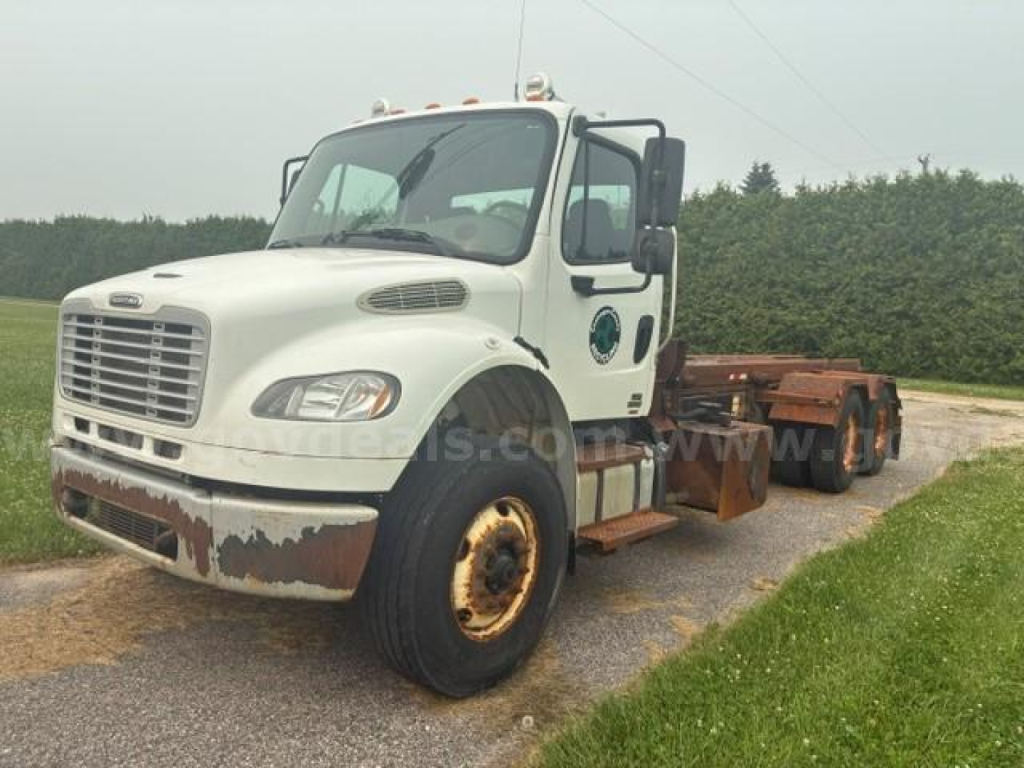
Condition matters differently depending on the Freightliner model and job type. A used on-highway truck should be evaluated for engine health, aftertreatment repairs, clutch or transmission condition, tire wear, suspension wear, and signs of hard fleet use. A used vocational Freightliner deserves extra attention to rust, frame corrosion, hydraulic system condition, body hoist operation, plow gear wear, spreader controls, and front-end stress from snow equipment or heavy municipal cycles. In Michigan, corrosion exposure from salt is a real factor, so cab corners, crossmembers, wiring, air tanks, brake lines, dump subframes, and plow attachment points should be inspected closely. Service records are especially valuable on city, county, and township trucks because maintenance intervals may be consistent even when hours and seasonal use are high.
Freightliner remains popular because parts support is broad, the model range is familiar to most shops, and there is usually a clear path to matching a truck to a specific operation. Buyers comparing listings should look beyond year and mileage and pay close attention to engine make, transmission type, axle configuration, suspension, body or equipment package, and previous duty cycle. A highway sleeper with strong specs for freight movement has a very different value profile than an M2 or 108SD built for snow, dump, or municipal work. The best Freightliner truck is the one whose frame, powertrain, and upfit match the work from day one, with enough rating and durability left in reserve for the routes, weather, and payloads it will see in Michigan.
Frequently Asked Questions about Freightliner Trucks in Michigan
What Freightliner models are most common in Michigan truck listings?
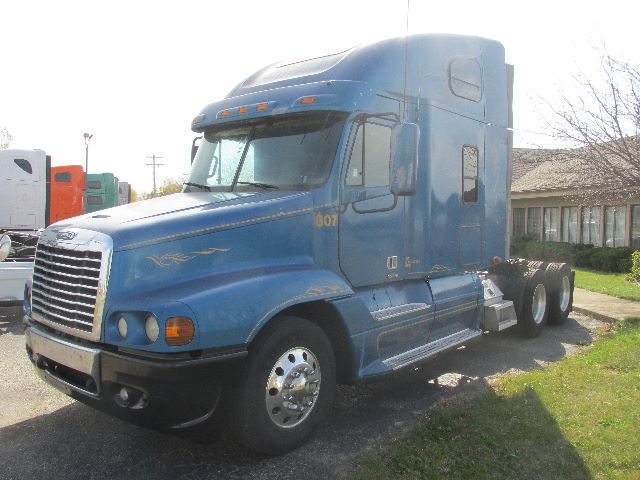
Michigan buyers commonly see Freightliner Cascadia and Century models in highway tractor listings, along with M2, FL-series, and SD models in vocational service. The Cascadia is typically associated with regional and long-haul freight, while the M2 106, FL80, and 108SD are more common in dump, municipal, snow and ice, sweeper, and utility applications. The right model depends less on nameplate alone and more on axle ratings, frame spec, transmission, and any body or equipment already installed.
Are Freightliner trucks a good choice for dump and municipal work?
Freightliner vocational trucks are widely used in dump and municipal fleets because they are available with severe-duty chassis, compatible PTO and hydraulic setups, and common body configurations for plows, spreaders, and dump bodies. Models such as the M2 and 108SD are often spec'd with automatic transmissions, heavier front axles, and equipment mounts that suit stop-and-go operation and winter service. Buyers should still inspect rust, hydraulic components, and front frame areas carefully, especially on units that have spent years in snow and salt conditions.
What should I check on a used Freightliner sleeper or day cab?
Start with engine and emissions history, then move to transmission operation, clutch life if applicable, suspension wear, tire condition, and brake system health. Review mileage against service documentation and look for recent work on injectors, EGR components, DPF, turbocharger, and cooling system items. On sleeper trucks, also inspect the bunk condition, HVAC performance, APU if equipped, fairings, and signs of prolonged idle-heavy use. A clean spec sheet is helpful, but maintenance history usually tells the more important story.
Do Michigan conditions change what matters when buying a used Freightliner truck?
Yes. Michigan weather and road treatment make corrosion control a major issue, especially on municipal, dump, and winter-service trucks. Buyers should inspect frame rails, crossmembers, cab mounts, brake lines, air tanks, electrical connections, spreader controls, plow hardware, and any exposed hydraulic plumbing. Even a truck with moderate mileage can show heavy wear if it spent multiple winters in snow removal or salt application. Regional highway trucks should also be checked for rust, but vocational units usually see the harsher exposure.
How do I choose between a highway Freightliner and a vocational Freightliner?
Match the truck to the work before comparing price. A highway Freightliner should be judged on fuel economy potential, drivetrain efficiency, sleeper or day cab layout, and road-speed gearing. A vocational Freightliner should be judged on frame strength, axle capacity, PTO capability, body compatibility, and durability under off-road, seasonal, or municipal use. Buyers who start with payload, route type, and equipment needs usually make a better decision than buyers who shop by year and mileage alone.