
Freightliner Trucks For Sale in Indiana
Browse Freightliner trucks for sale in Indiana, including Cascadia, Coronado, and cab and chassis models for regional, vocational, and long-haul work.

Have freightliner truck to sell? List it here to reach thousands of buyers.
Freightliner Trucks in Indiana
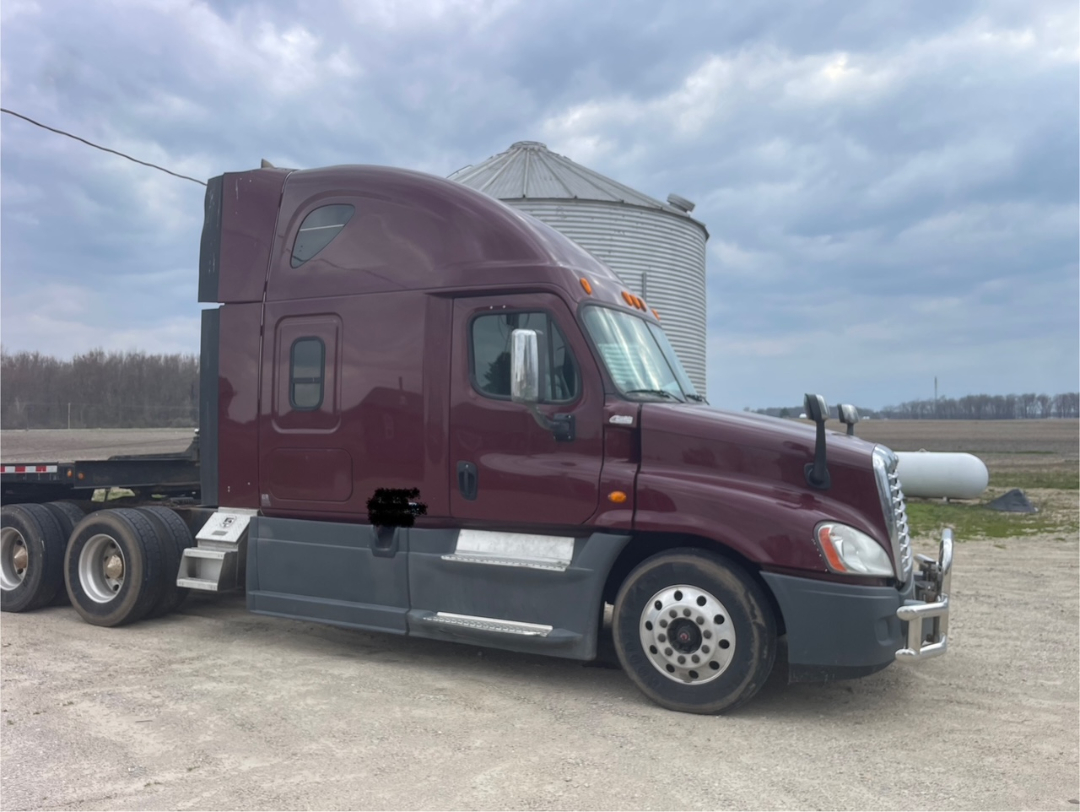
For sleeper tractors, buyers often start with the Cascadia because it is one of the most common aerodynamic conventionals on the road. Typical specs include Detroit DD13 or DD15 engines, manual or automated transmissions, tandem rear axles, and sleeper sizes that range from mid-roof to condo configurations. A longer wheelbase, larger fuel capacity, and double bunk sleeper can make sense for longer Midwest lanes, while a shorter wheelbase day cab or smaller sleeper is often better for regional freight with tighter turning requirements. Pay attention to rear axle ratio, engine brake, suspension type, and maintenance history, especially on emissions components, cooling system work, clutch or transmission service, and documented oil change intervals.
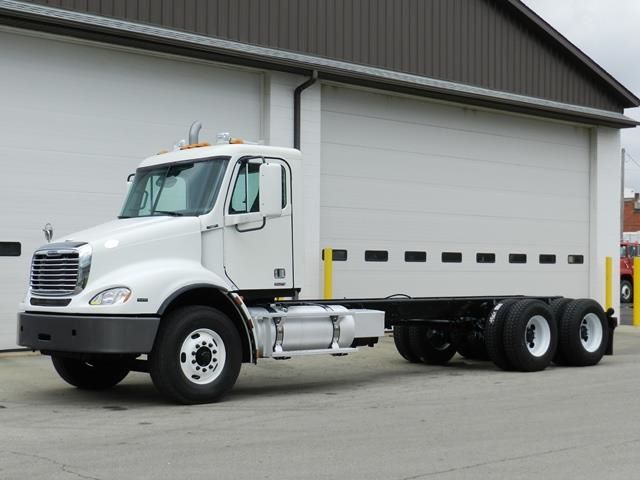
Freightliner also has strong appeal in cab and chassis applications. Buyers looking at M2, 112SD, 114SD, FL or Columbia-derived chassis, or similar platform trucks should focus on frame specification, PTO compatibility, front axle capacity, and whether the truck has the right wheelbase and rear suspension for the body or equipment being installed. Common vocational specs include Allison automatic transmissions, double-frame rails, pintle hitches, air and electrical run to the rear, and higher front axle ratings for heavy steer loads. Indiana buyers in construction, municipal, towing, and equipment transport should also check for corrosion, prior upfit quality, and whether the truck is already plumbed and wired for the intended application.
A good Freightliner purchase is less about badge familiarity and more about matching the spec to the route and payload. For linehaul work, that usually means balancing horsepower, torque, and gearing against fuel economy and gross combination weight. For regional or vocational work, durability items like suspension type, brake condition, axle ratings, and frame integrity matter just as much as engine hours or odometer miles. Because Freightliner trucks are so widely used, buyers can usually compare a broad mix of model years and configurations, which makes it easier to find the right combination of sleeper size, drivetrain, and chassis setup for Indiana operations.
Frequently Asked Questions about Freightliner Trucks in Indiana
What are the most common Freightliner truck models buyers look for in Indiana?
The most common Freightliner models on the used market in Indiana are typically the Cascadia for highway freight, the Coronado for conventional sleeper and heavier-spec road tractor use, and cab and chassis models such as the M2 or severe-duty configurations for vocational work. Cascadia trucks are generally favored for fuel-efficient linehaul and regional service, while heavier chassis are more common in construction, towing, municipal, and equipment-hauling applications.
What should I check first on a used Freightliner sleeper tractor?
Start with the engine and transmission combination, service records, emissions system history, and overall chassis spec. On a used sleeper tractor, buyers usually verify mileage, idle hours if available, clutch or automated transmission performance, cooling system repairs, tire and brake condition, and signs of blow-by or excessive crankcase pressure. It is also important to confirm sleeper layout, wheelbase, fuel capacity, rear axle ratio, and axle ratings so the truck matches the freight and trailer it will be pulling.
Are Freightliner trucks good for vocational and upfit applications?
Yes. Freightliner cab and chassis trucks are widely used for dump bodies, roll-offs, wreckers, flatbeds, service trucks, and other vocational builds because they are available with multiple wheelbases, axle ratings, and frame configurations. Buyers should verify PTO setup, frame rail condition, suspension type, transmission choice, and any rear air or electrical hookups already installed. A truck that is correctly spec'd from the start is usually far easier and less expensive to upfit.
Which engine and transmission setups are common in Freightliner trucks?
Detroit diesel engines are common in newer highway Freightliner tractors, especially DD13 and DD15 platforms, while some older trucks may have Mercedes or Cummins engines depending on model year and application. Transmission choices often include Eaton manual gearboxes, automated manual transmissions, and Allison automatics in vocational units. The right setup depends on the work. Long-haul buyers may prioritize fuel economy and cruising rpm, while vocational buyers often prefer automatic transmissions and lower gearing for start-and-stop or heavy-load conditions.
Why does wheelbase matter when buying a Freightliner truck?
Wheelbase affects turning radius, bridge law flexibility, body fitment, ride quality, and how the truck handles its intended load. A shorter wheelbase is usually easier to maneuver in city, yard, and jobsite conditions, while a longer wheelbase may be necessary for larger sleepers, bigger fuel tanks, or certain body installations. On cab and chassis trucks, wheelbase is one of the first fitment checks because it determines whether the truck can properly accept the body, hoist, wrecker gear, or trailer equipment you plan to use.