
Freightliner Trucks For Sale in Illinois
Browse Freightliner trucks for sale in Illinois, including Cascadia highway tractors and vocational models with Detroit or Cummins power.
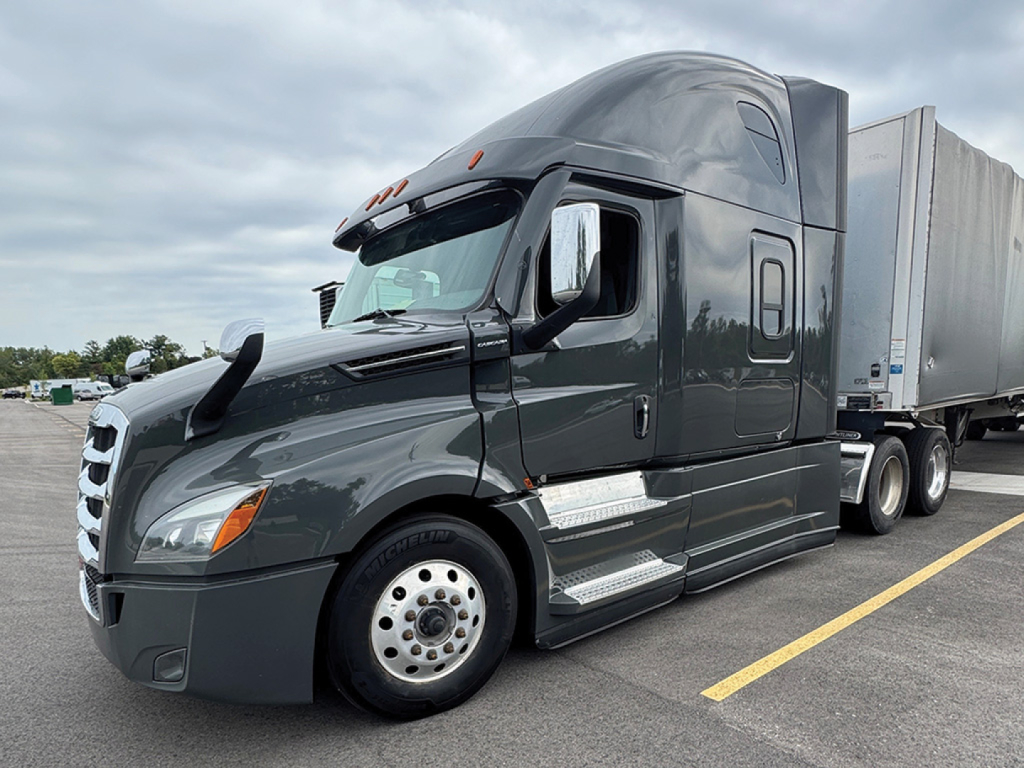
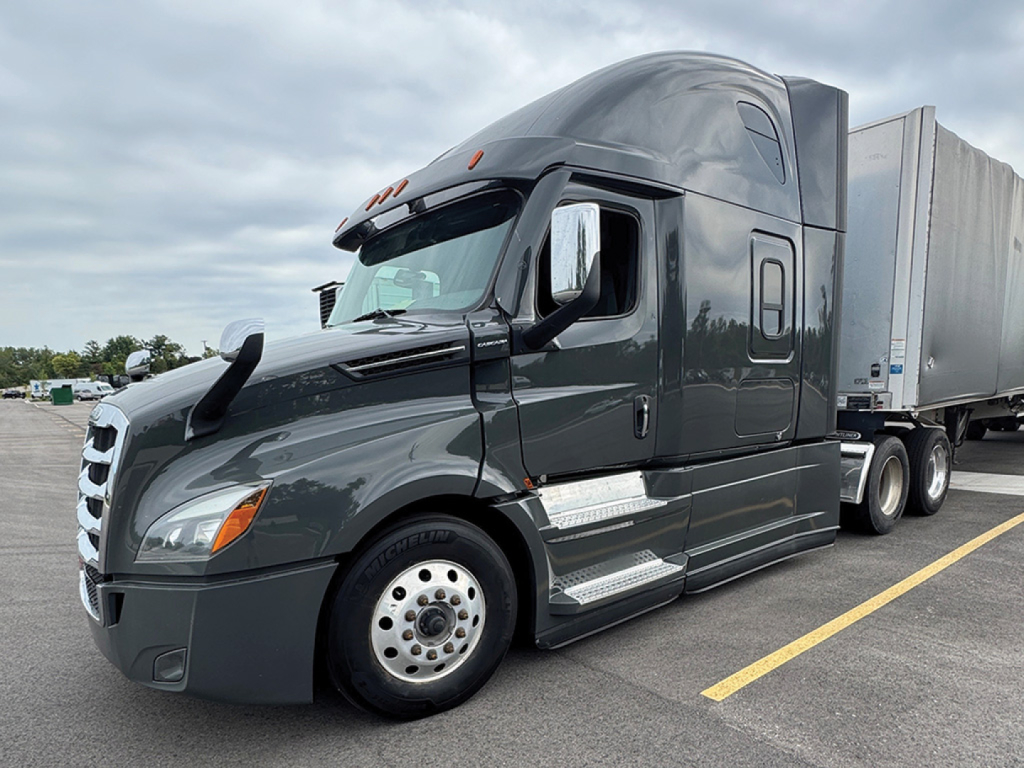
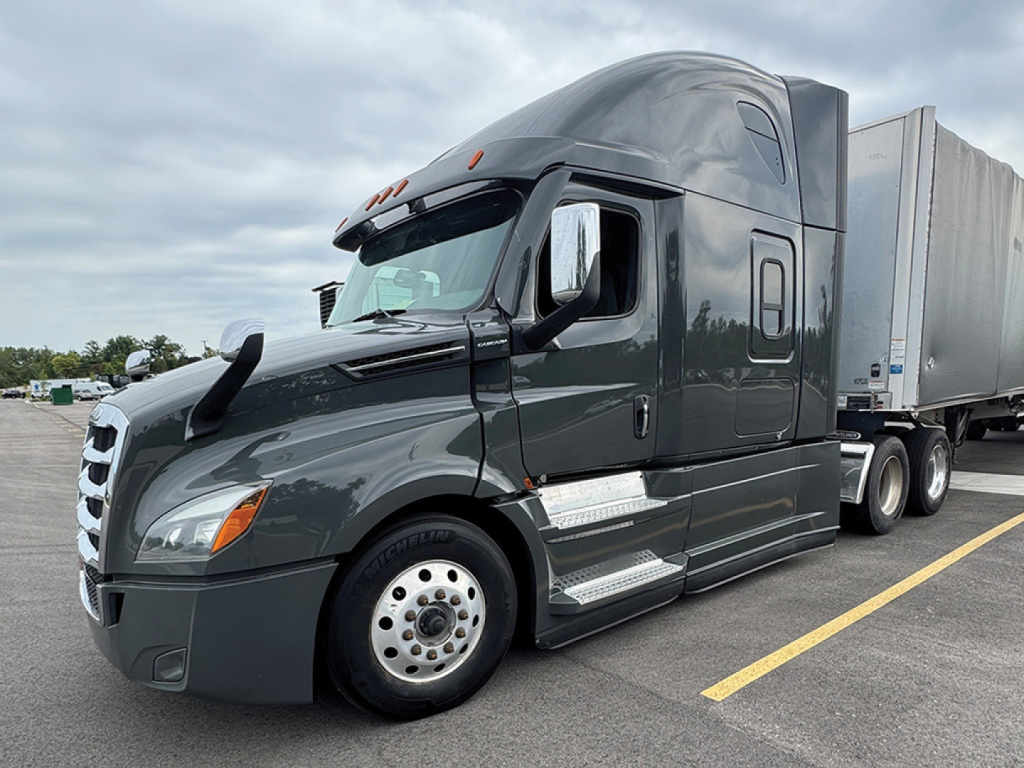
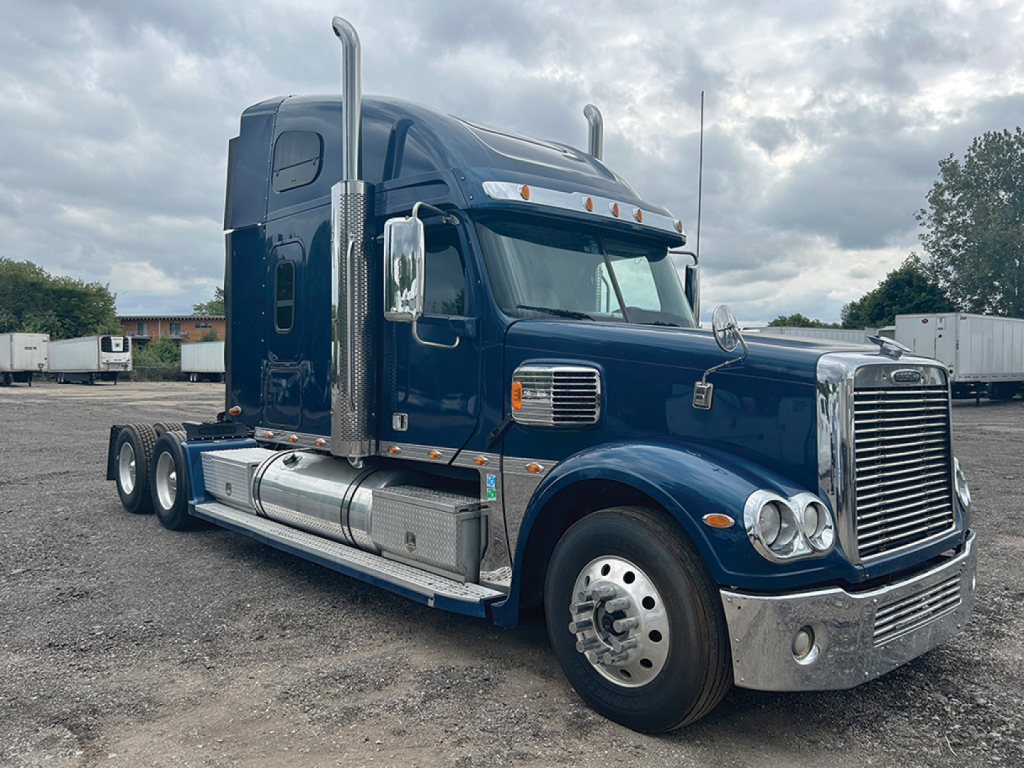
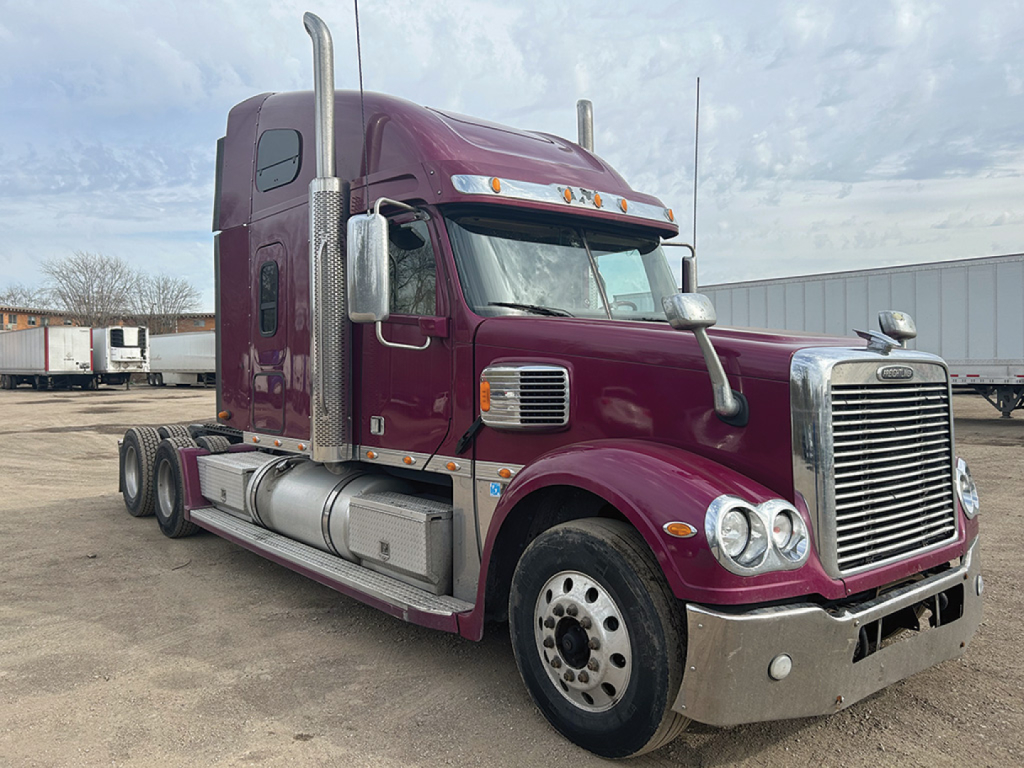
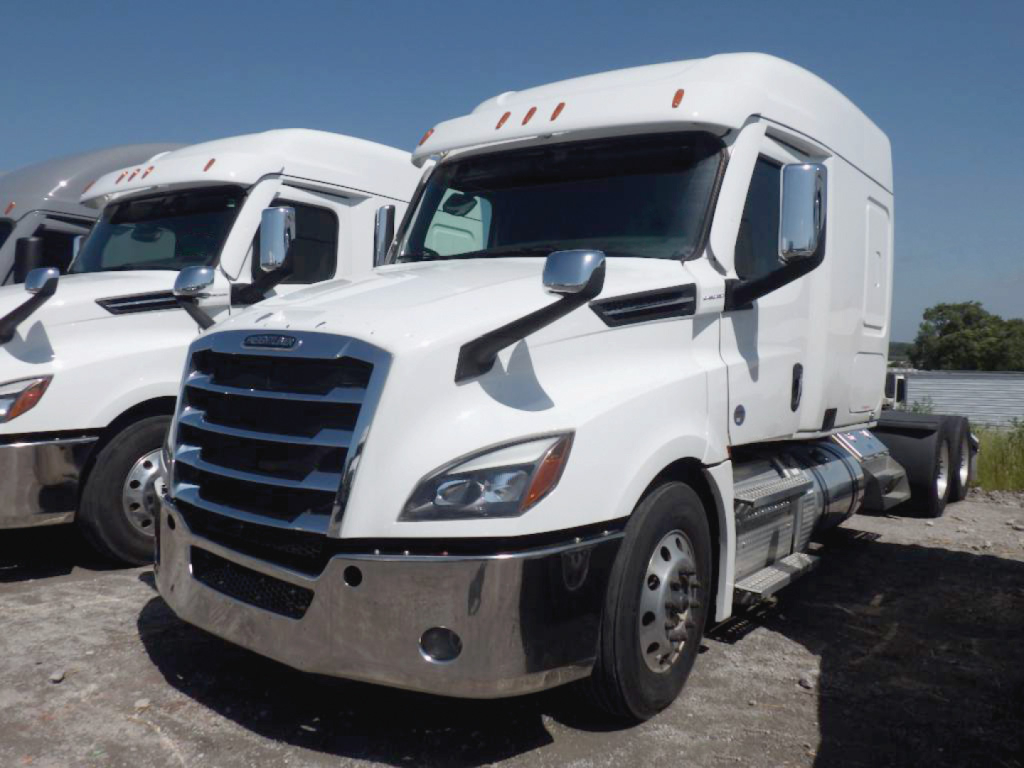
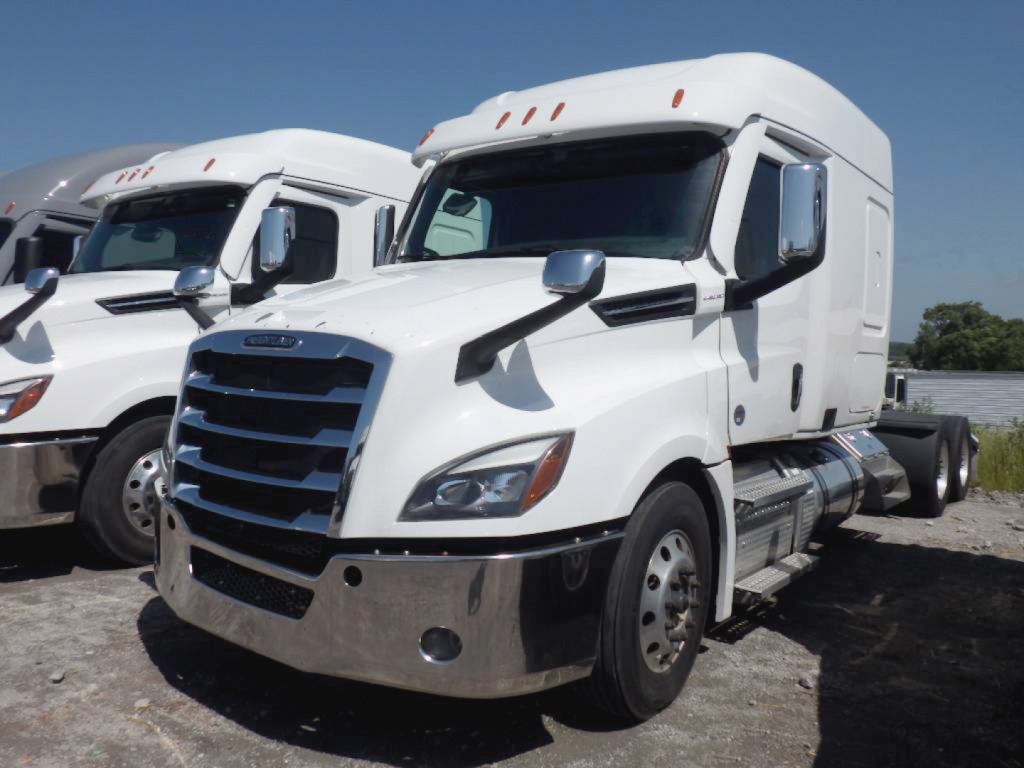
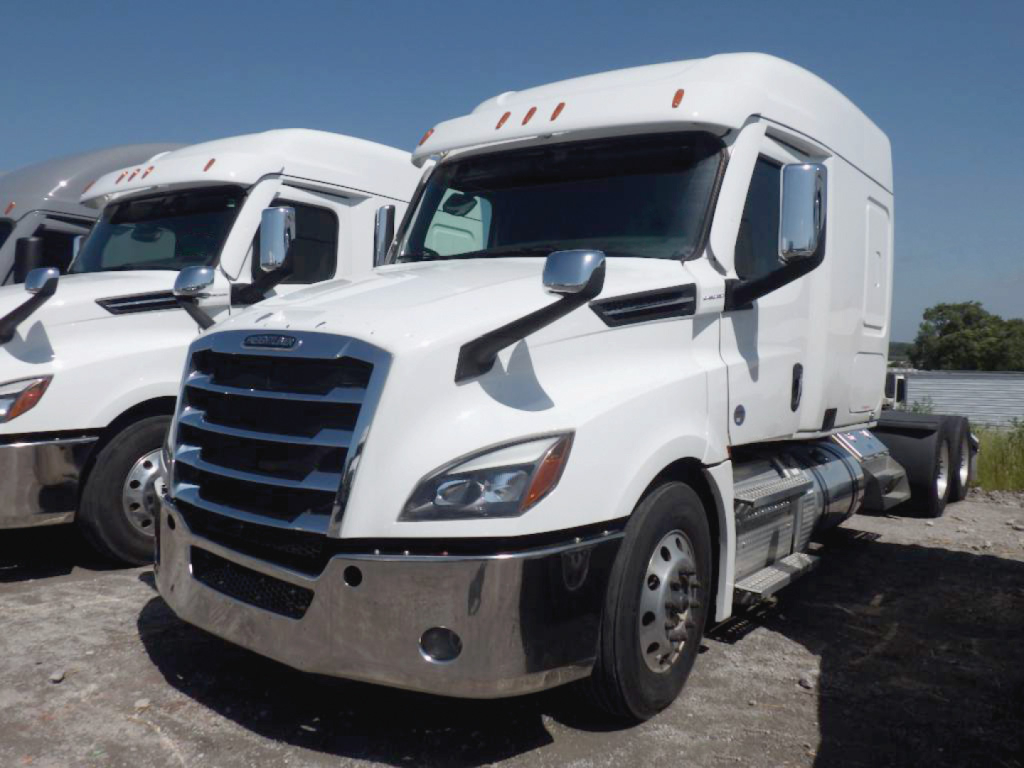
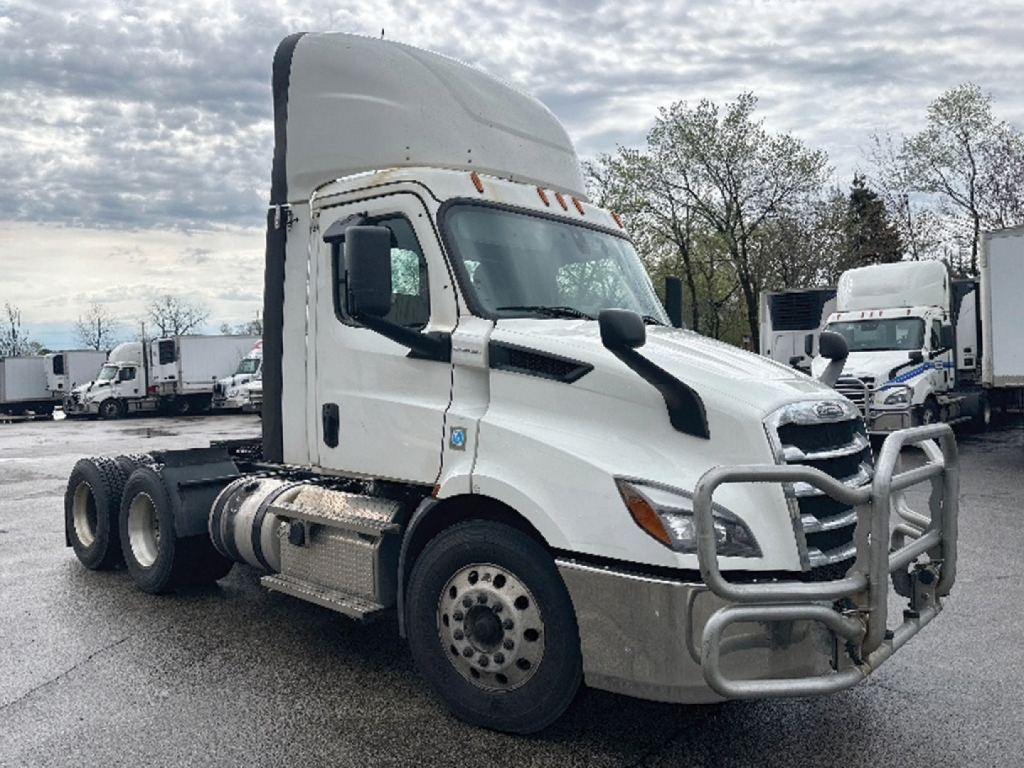
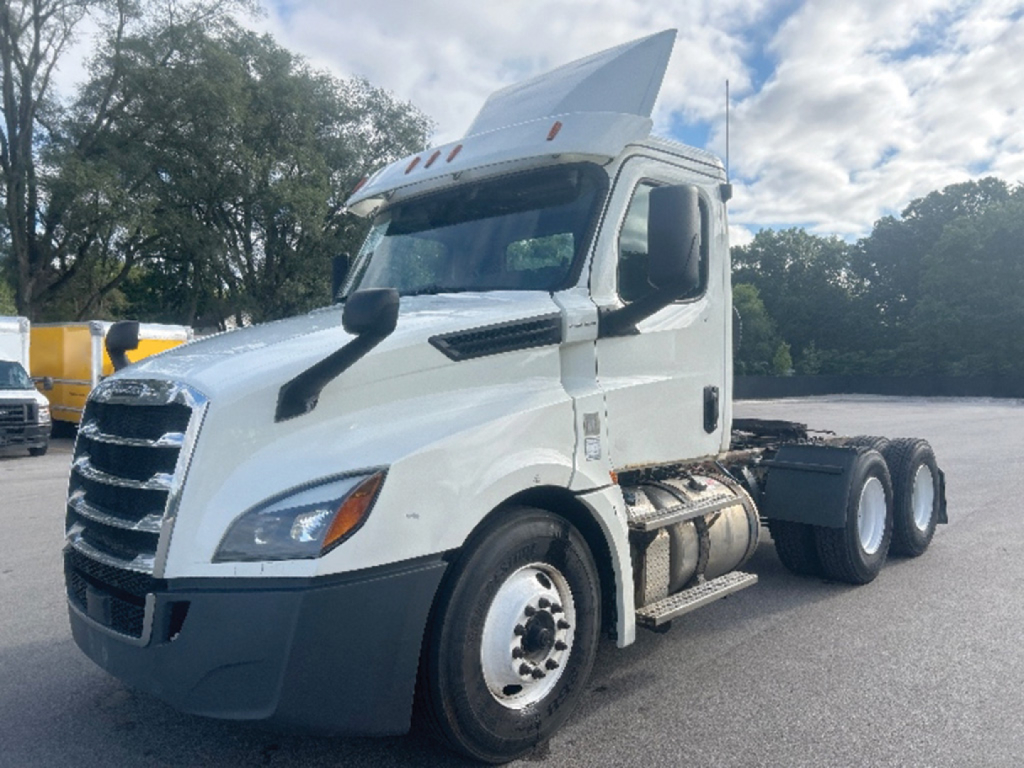
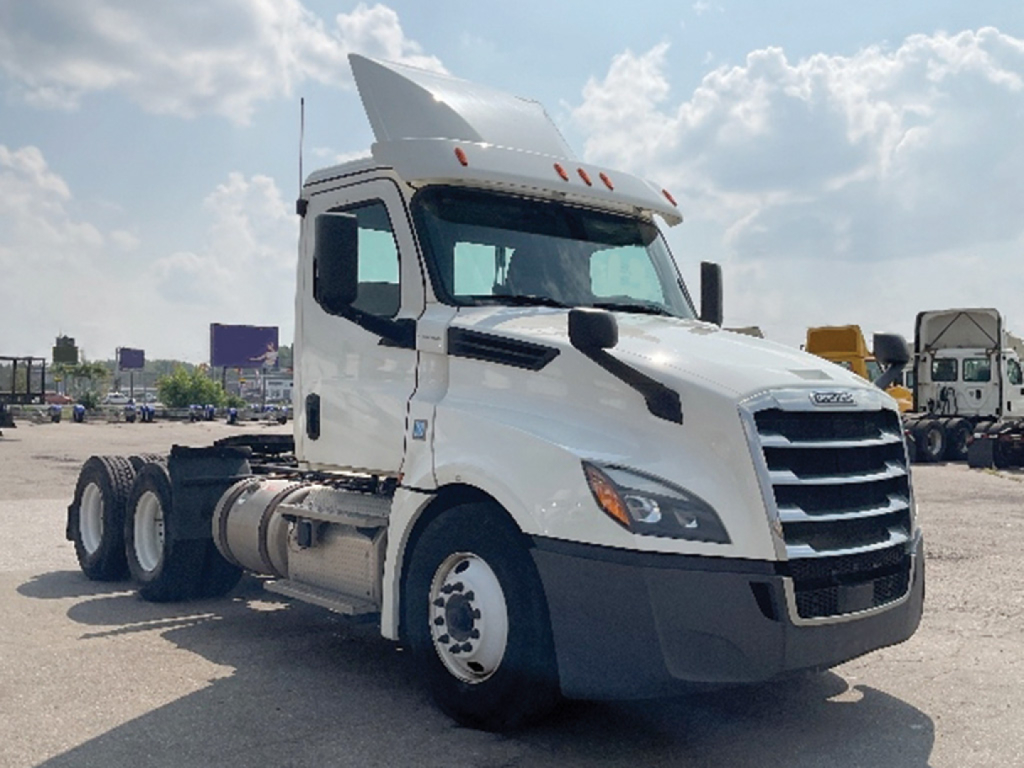
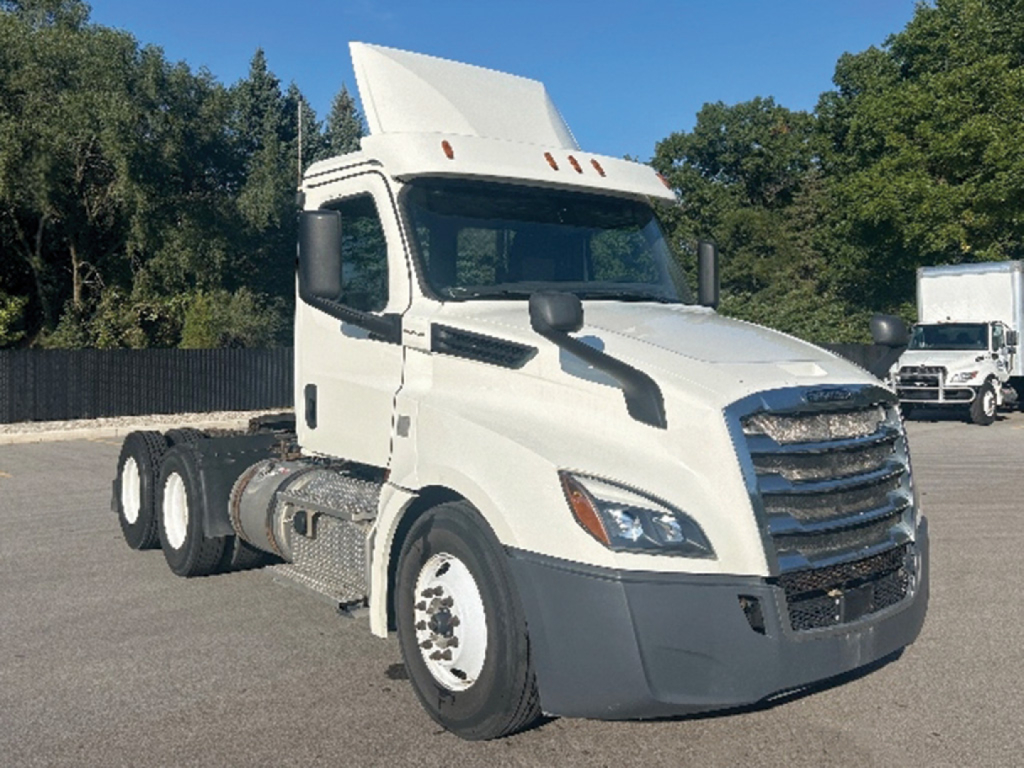
Showing 1 to 28 of 101 results
Selling a freightliner truck? List your freightliner truck for sale and reach thousands of commercial buyers.
Freightliner Trucks in Illinois
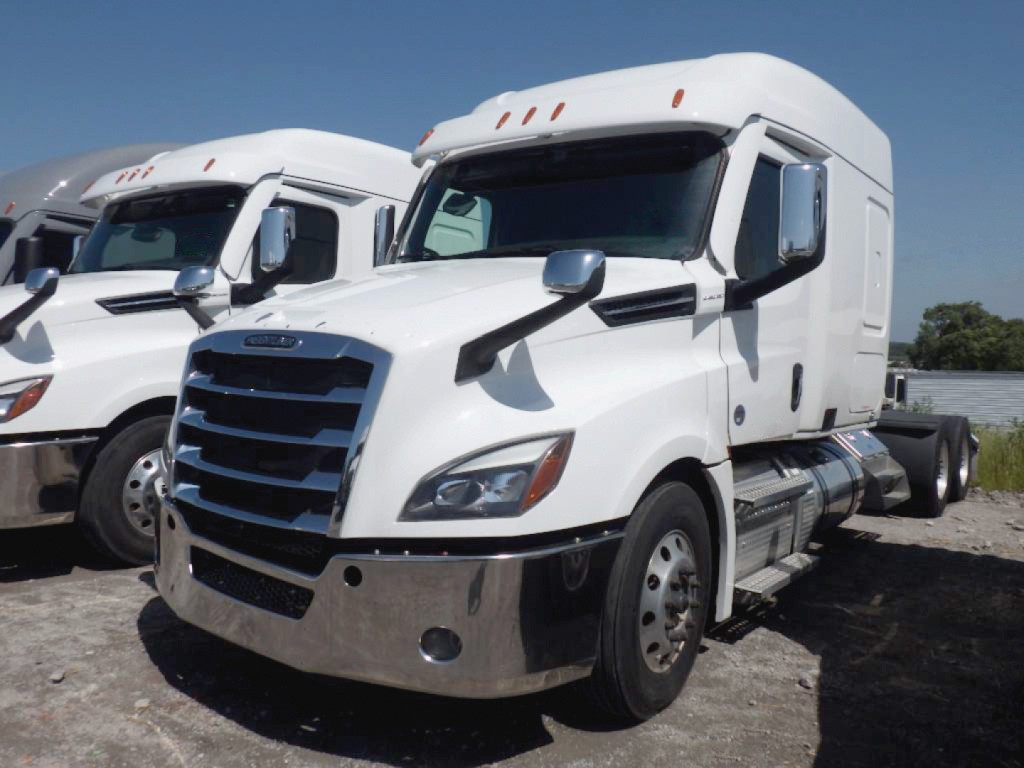
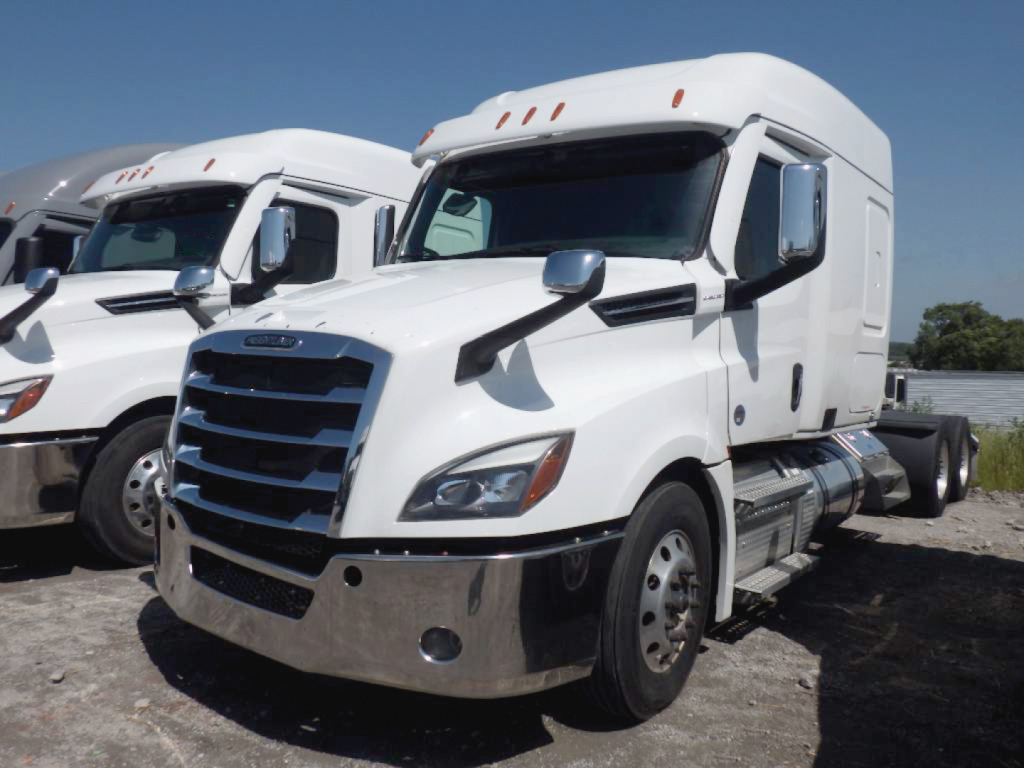
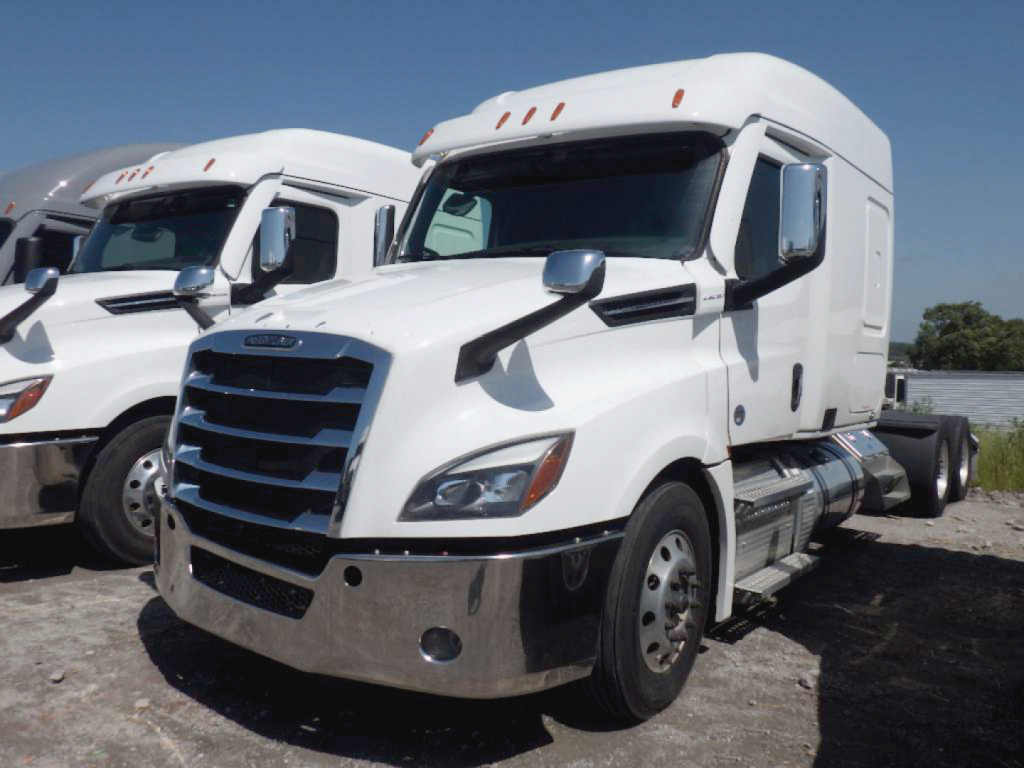
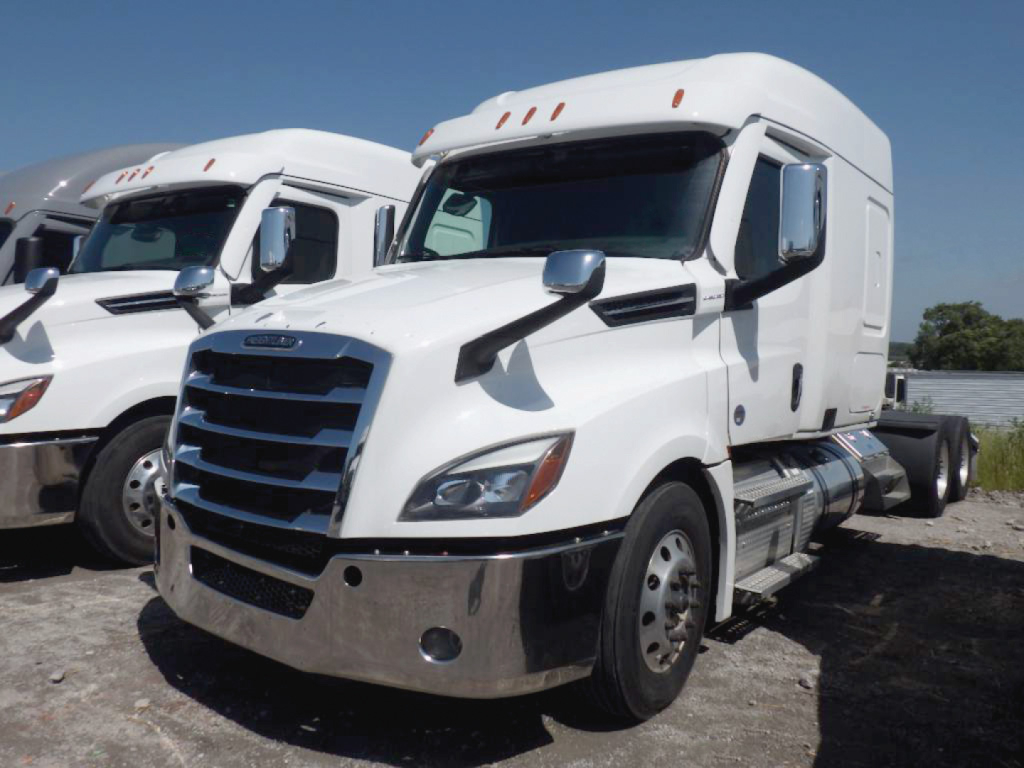
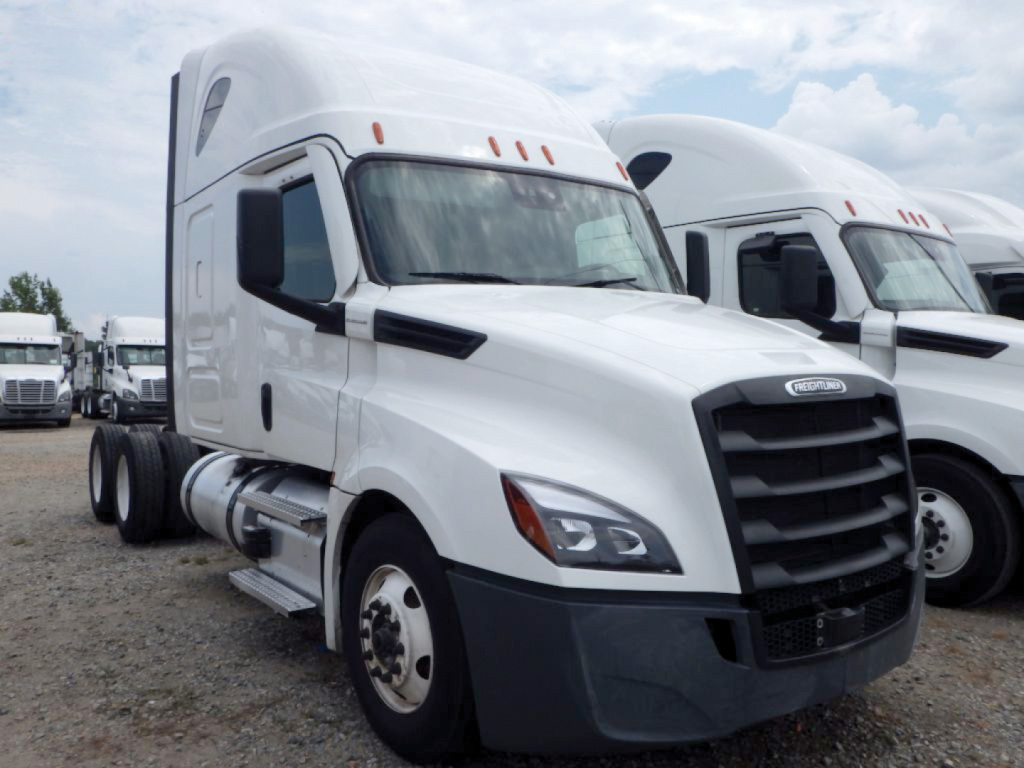
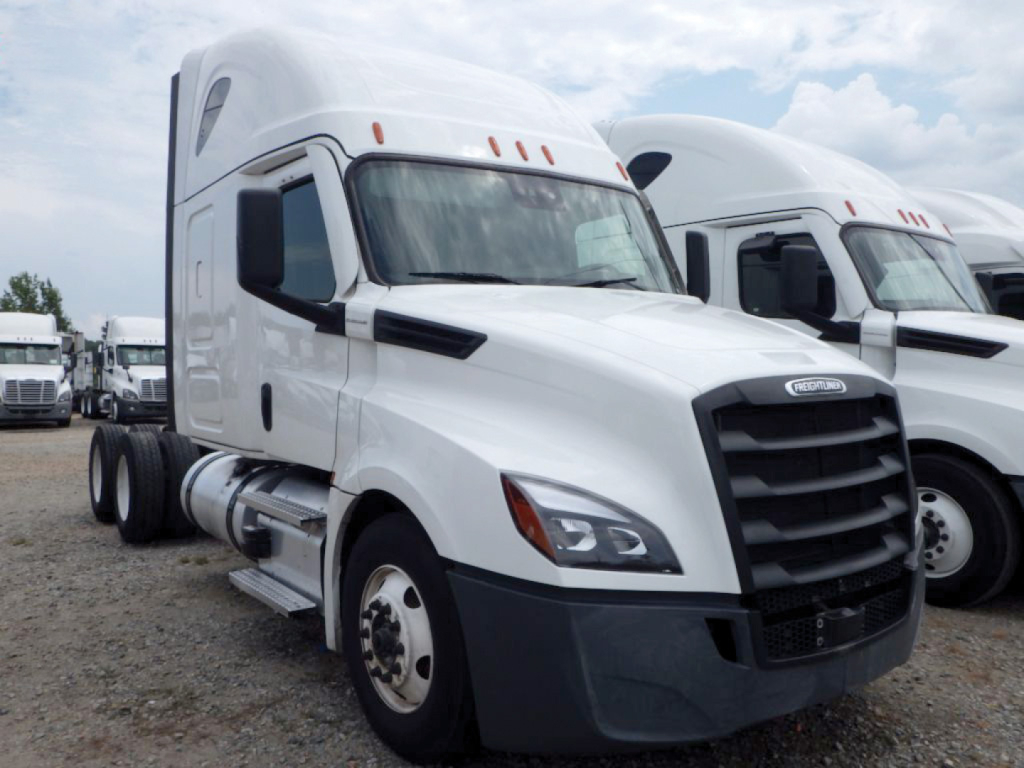
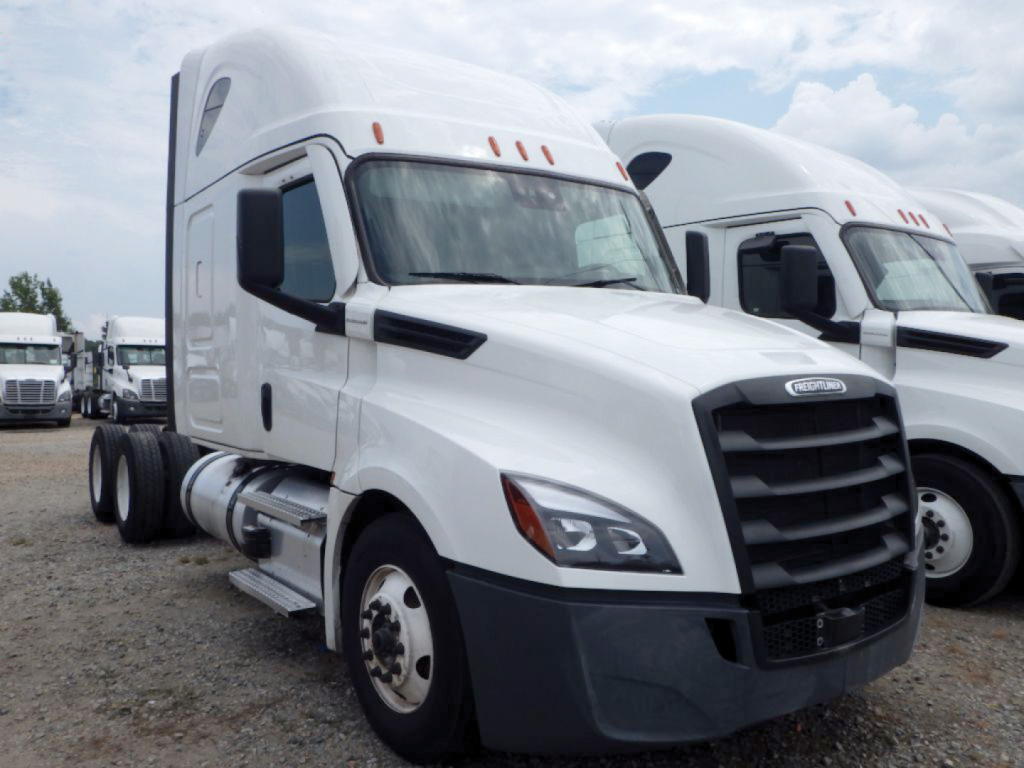
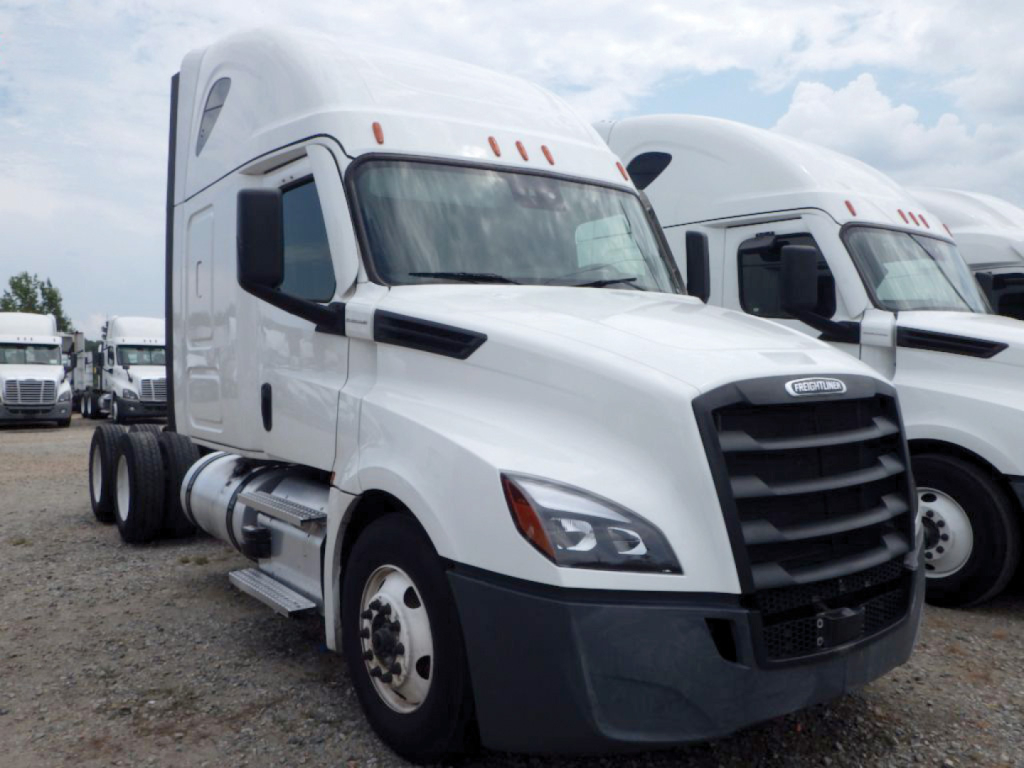
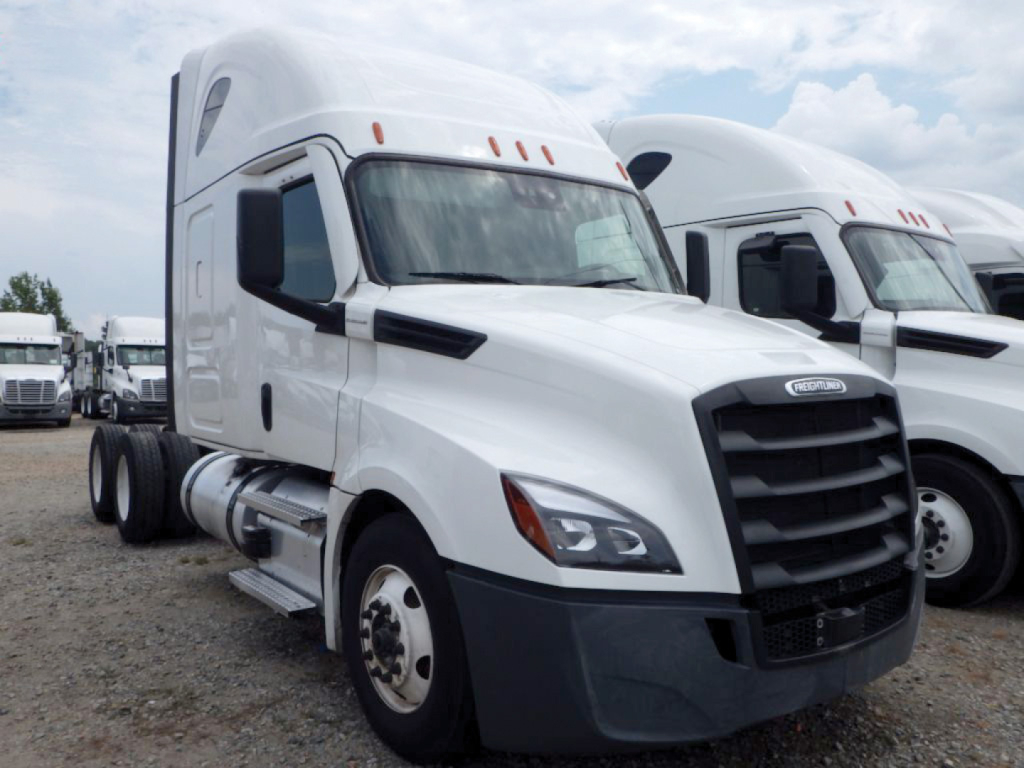
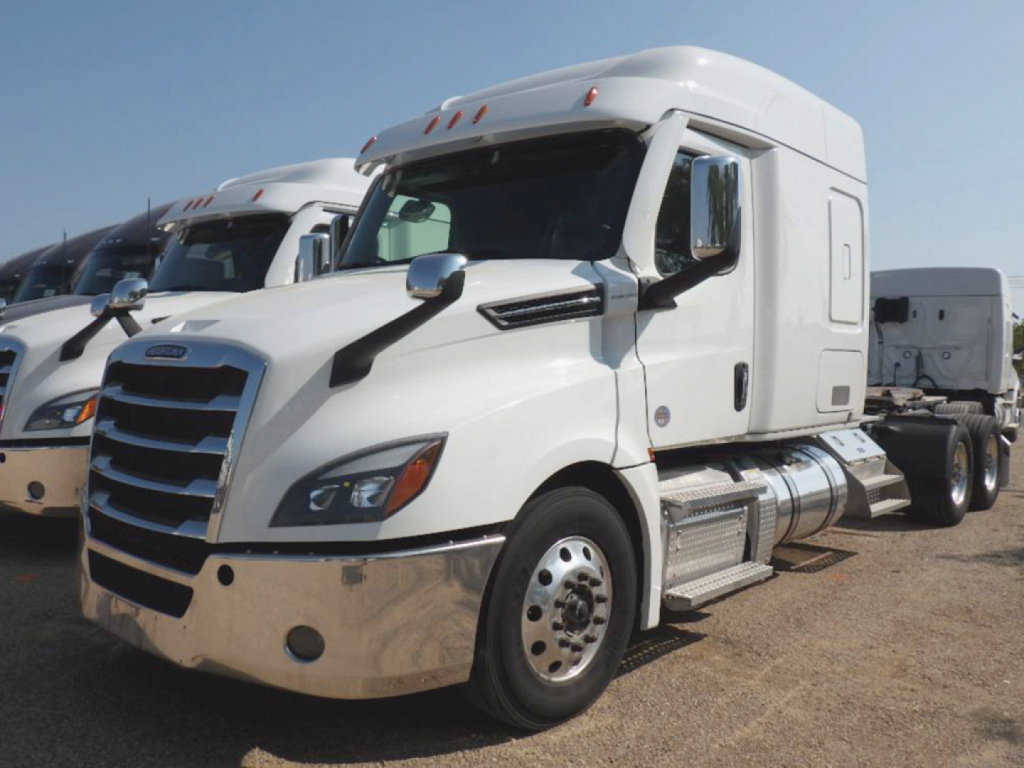
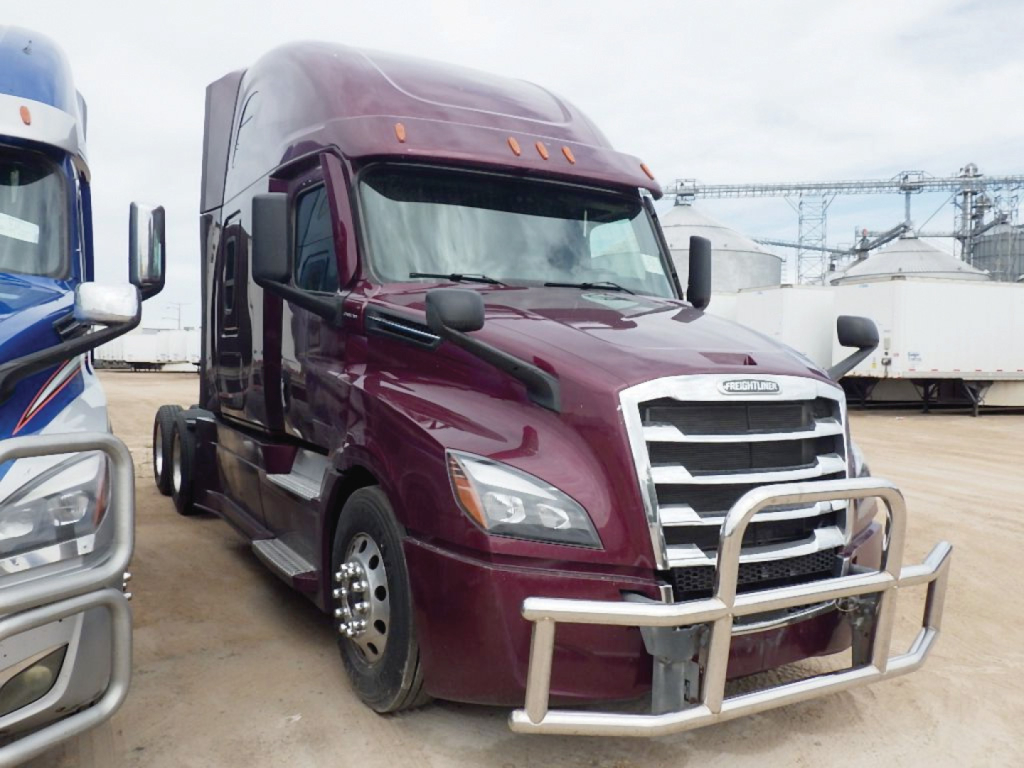
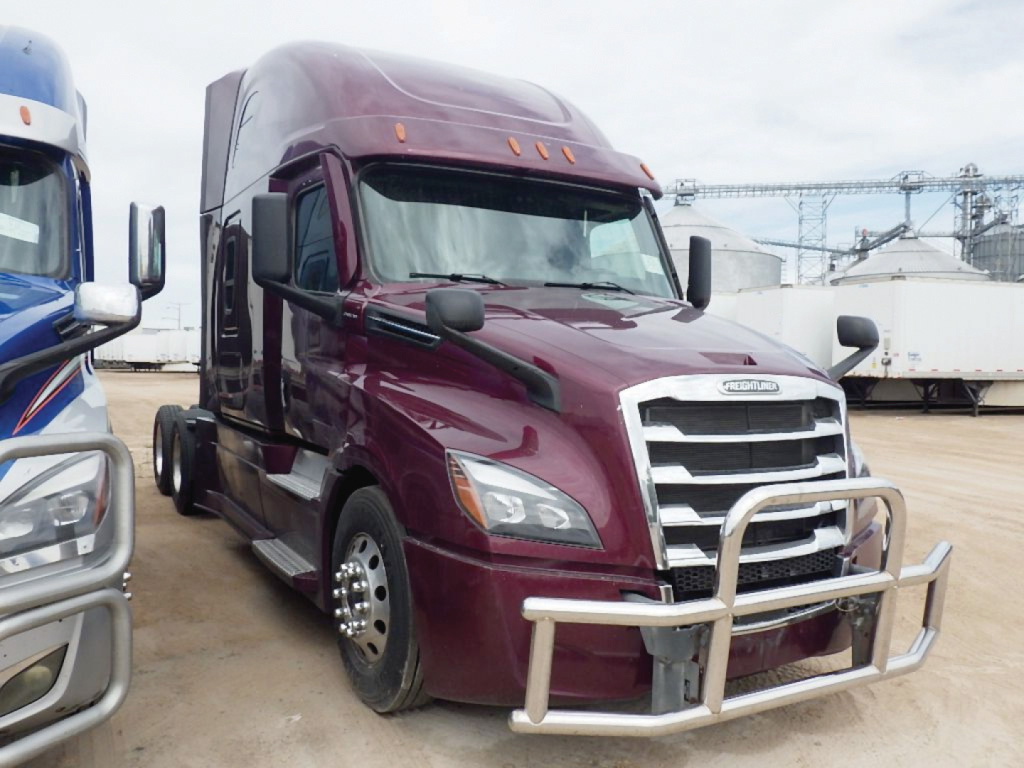
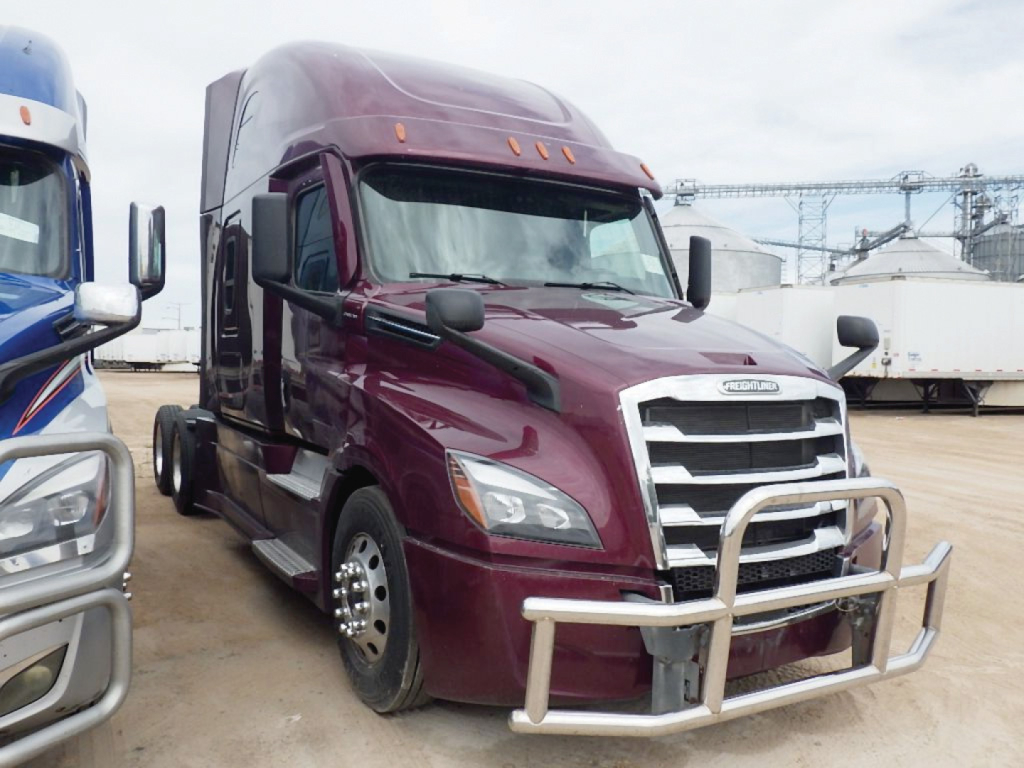
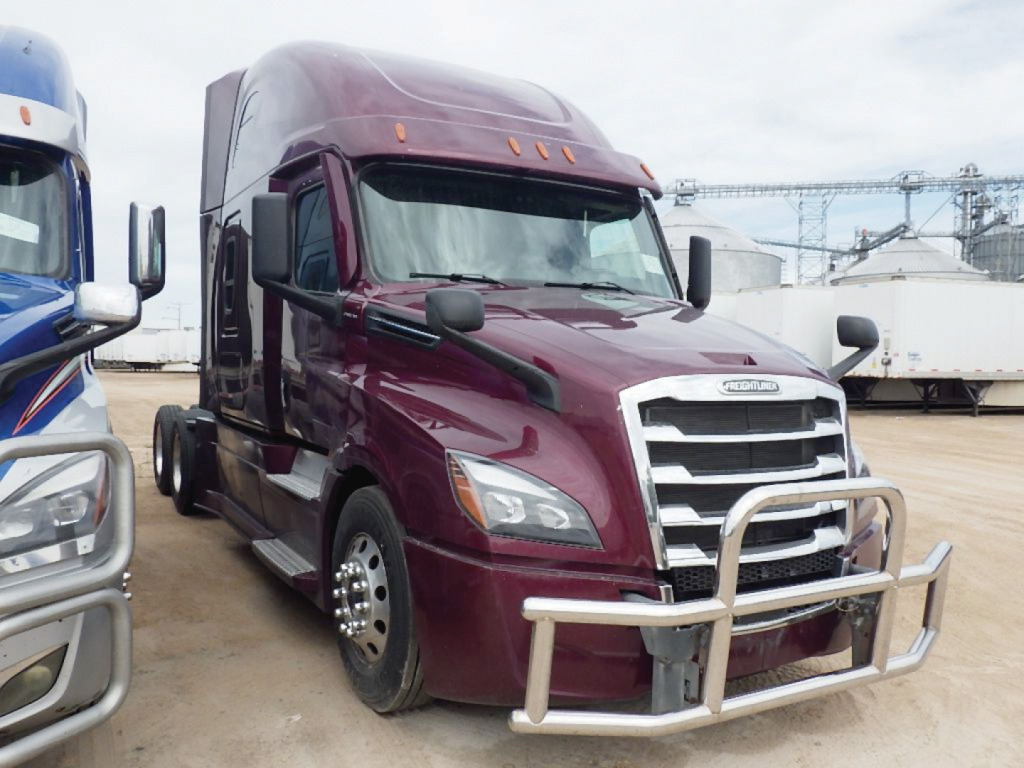
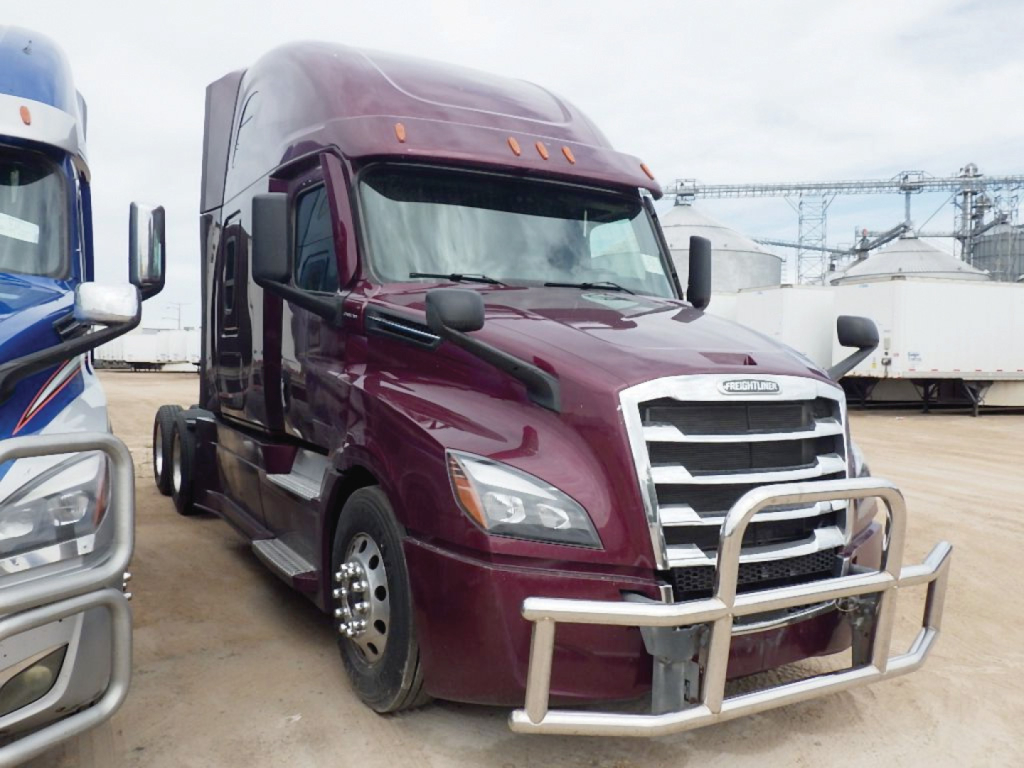
For sleeper tractors, a 72-inch raised-roof Cascadia is one of the most common fleet setups because it balances livability with aerodynamics and resale demand. Typical features include upper bunks, bunk heaters, refrigerators, collision mitigation systems, side fairings, cab extenders, and sliding fifth wheels. A DD15 in the 400 to 505 horsepower range paired with a DT12 automatic is a standard long-haul spec, while some older units use manual transmissions that still appeal to buyers who prefer simpler driveline control or have in-house drivers trained on manuals. Pay close attention to axle ratio and intended duty cycle. A 2.28 or similar downsped setup can reduce fuel burn on steady interstate work, while a 3.08 or 3.36 ratio may fit mixed terrain, heavier gross weights, or operations that need stronger launch performance.
Day cab Freightliner trucks are often chosen for regional haul, dedicated freight, drayage, and terminal-to-terminal work. In that application, wheelbase, fifth-wheel travel, and fairing setup matter more than sleeper amenities. A shorter wheelbase can improve maneuverability in tighter yards and urban receivers, while air ride suspension, disc brakes, and low-profile 22.5 rubber are common on late-model road tractors built for fleet uptime. Buyers in Illinois should also consider corrosion exposure from winter road treatment, then inspect frame condition, crossmembers, airlines, wiring, and cab mounts accordingly. On emissions-era units, service history for the aftertreatment system is just as important as engine make, especially for trucks expected to idle, short-trip, or work in stop-and-go service.
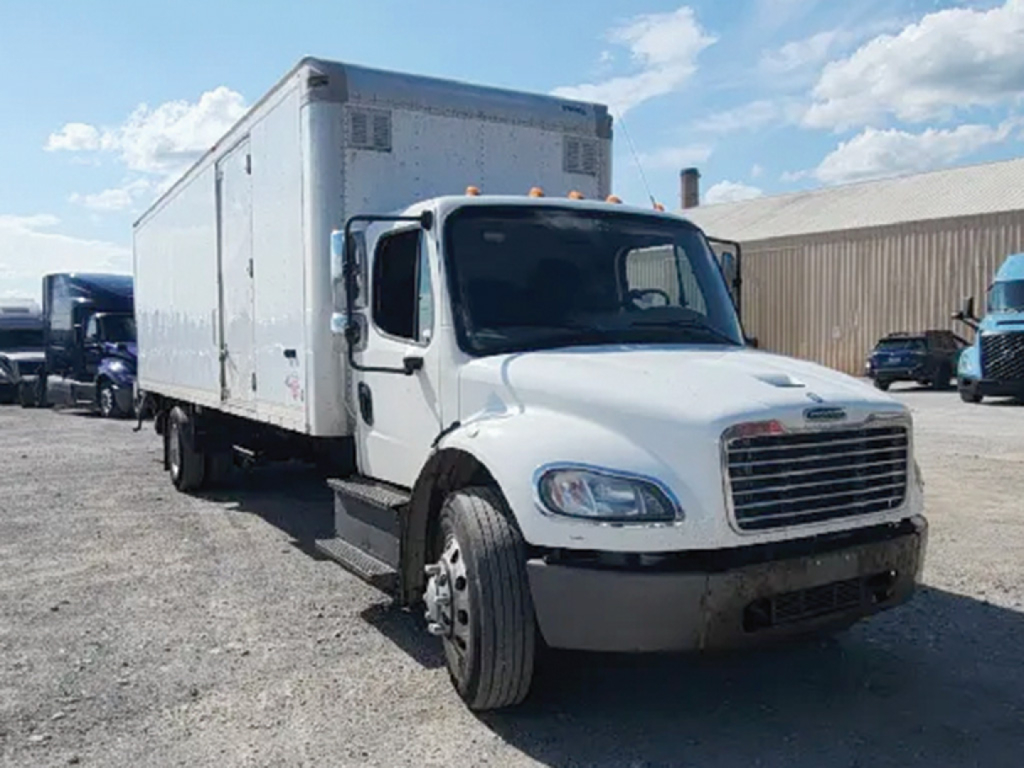
Freightliner also has a strong vocational footprint through models such as the 108SD and related severe-duty chassis. These trucks are frequently used for crane bodies, dumps, utility work, and other applications where frame strength, PTO compatibility, front axle capacity, and body-builder support matter as much as engine and transmission choice. A buyer comparing Freightliner trucks across categories should match the chassis to the job first, then verify bridge-law fit, wheelbase, suspension rating, steering axle capacity, and body or equipment integration. The strongest Freightliner value usually comes from finding the right spec for the route, the load, and the maintenance program rather than simply chasing model year alone.
Frequently Asked Questions about Freightliner Trucks in Illinois
What Freightliner truck models are most common in Illinois?
The Freightliner Cascadia is the most common highway model in Illinois, especially as a conventional sleeper or day cab tractor. It is widely used in regional and over-the-road freight because it offers strong parts support, familiar Detroit powertrain options, and fleet-friendly fuel economy. Vocational buyers also regularly look at severe-duty models such as the 108SD for crane, dump, utility, and municipal applications.
What engine and transmission combinations are typical in Freightliner trucks?
Many late-model Freightliner highway tractors are spec'd with Detroit DD13 or DD15 engines and the DT12 automated manual transmission. That combination is popular because it supports fuel-efficient downsped drivetrains, integrated safety systems, and broad dealer service familiarity. Older or specialty-spec units may also have manual transmissions, and vocational trucks can be found with Cummins engines or Allison automatics depending on the body and duty cycle.
Is a Freightliner day cab or sleeper better for my operation?
A day cab is usually the better fit for regional routes, drayage, dedicated local work, and operations where the truck returns to base daily. A sleeper is the better choice for long-haul runs, team operations, or lanes where driver comfort and off-duty accommodations matter. The decision should be based on route length, idle strategy, wheelbase requirements, and how much flexibility you need for future freight assignments.
What should I inspect first on a used Freightliner truck?
Start with the drivetrain spec, maintenance records, and emissions-system history. Confirm engine model, horsepower, transmission type, rear axle ratio, suspension rating, and wheelbase, then inspect the frame, fifth wheel, brakes, tires, and signs of corrosion or crash repair. On Cascadia models, buyers also commonly review aftertreatment service records, fault history, and operation of collision mitigation, HVAC, bunk equipment, and other electrical features because those items affect uptime and operating cost.
Are Freightliner trucks a good fit for fleet buyers focused on operating cost?
Freightliner trucks are often selected by cost-conscious fleets because they are widely supported, easy to source parts for, and commonly spec'd for fuel efficiency. A properly matched Cascadia with the right axle ratio, horsepower, and transmission can deliver strong total-cost performance in linehaul or regional service. The key is choosing a truck whose drivetrain, wheelbase, and equipment match the actual load profile instead of buying only by price or model year.