
1998 Freightliner Trucks For Sale
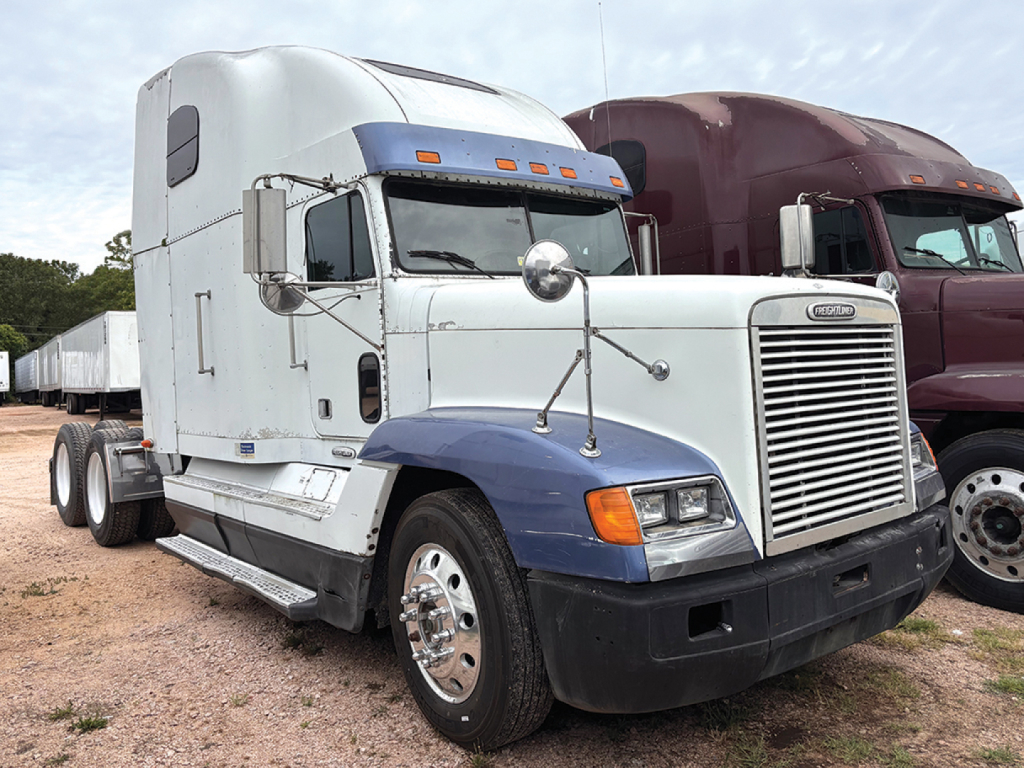
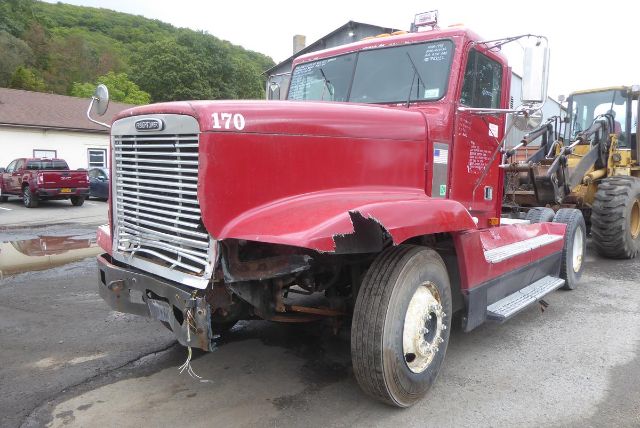
Shop 1998 Freightliner trucks and compare sleeper, day cab, medium-duty, and vocational specs, engines, wheelbases, and drivetrain setups.
Learn more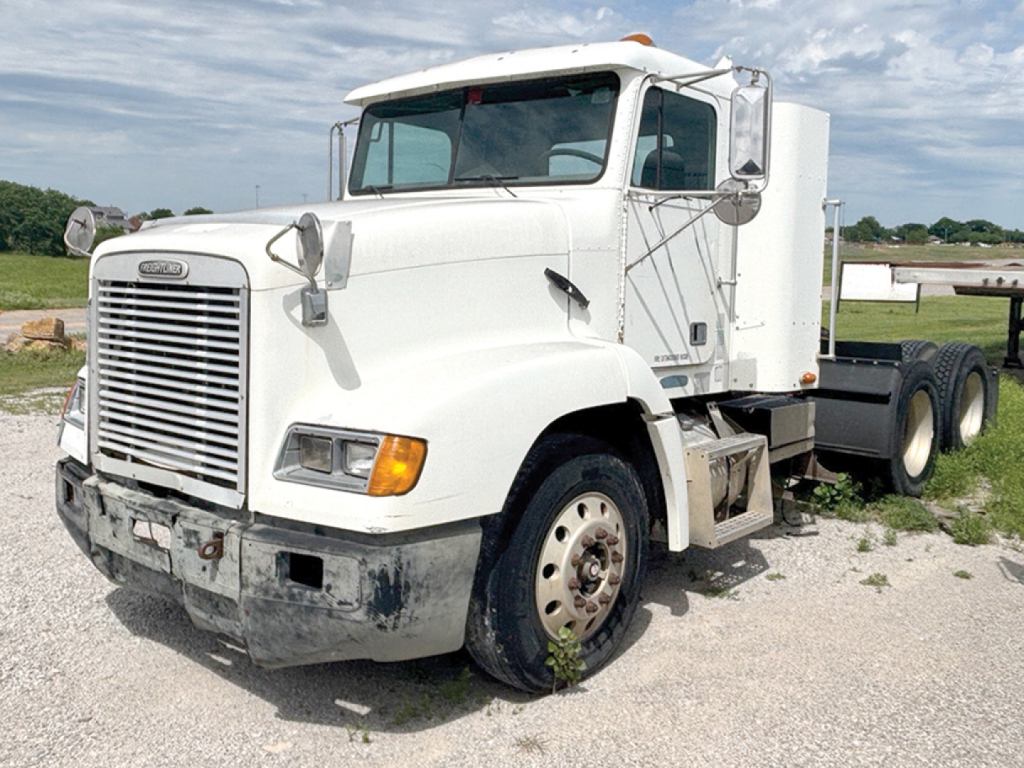
Have 1998 freightliner truck to sell? List it here to reach thousands of buyers.
About 1998 Freightliner Trucks
On 1998 Freightliner highway trucks, the major value drivers are usually the engine family, transmission type, and rear suspension. Many trucks from this era were spec'd with Detroit Diesel, Cummins, or Caterpillar power, paired with Eaton Fuller manual transmissions, though some automated or automatic vocational setups also appear. A buyer should pay close attention to horsepower and torque ratings, axle ratio, and whether the truck was built for fuel economy or heavier pulling. Air ride suspension is common on road tractors and improves ride quality and freight protection, while vocational trucks may use heavier spring suspensions for durability. Front axle rating, tandem versus single axle configuration, and fifth wheel type are also key if the truck will be used in a Class 8 tractor role.
Condition is especially important on a 1998 model year. Buyers should look past cosmetics and verify mileage, engine overhaul history, transmission work, clutch life, cooling system condition, and any frame or suspension repairs. On older Freightliner trucks, cab mounts, wiring, air systems, brakes, steering components, and corrosion around the cab, doors, and crossmembers deserve close inspection. If the truck is equipped with a sleeper, check bunk HVAC, seals, interior wear, and signs of water intrusion. If it is a medium-duty or vocational chassis, confirm PTO operation, body upfit compatibility, hydraulic equipment condition, and axle ratings before matching it to a service body, box, crane, dump, or utility application.
Freightliner remains a popular used truck brand because parts availability, broad service familiarity, and straightforward mechanical layouts help keep ownership practical even on older units. A 1998 Freightliner truck can still make sense for an owner-operator, farm use, regional hauling, municipal work, or a backup fleet role if the spec matches the application and the maintenance record is solid. The best purchase is usually the truck with the right drivetrain, wheelbase, and axle ratings for the work, not just the lowest price or the cleanest paint.
Frequently Asked Questions
What should I look for first when buying a 1998 Freightliner truck?
Start with the intended application, then confirm the truck’s core spec matches it. On a 1998 Freightliner, that means checking the engine make and rating, transmission, axle configuration, wheelbase, suspension type, and GVWR or GCWR. After that, focus on maintenance records, engine rebuild history, brake and air system condition, frame integrity, and rust or corrosion. Older trucks can still be strong performers, but condition and prior use matter more than appearance.
Are 1998 Freightliner trucks good for long-haul use?
They can be, provided the truck was originally spec'd for highway service and has been maintained properly. A long-haul 1998 Freightliner should have the right sleeper configuration, tandem drive axles, suitable rear axle ratio, adequate fuel capacity, and a drivetrain known for dependable highway miles. Buyers should also evaluate ride quality, cab condition, HVAC performance, and the status of major wear items such as clutch, suspension, tires, brakes, and cooling components before putting an older tractor into regular over-the-road service.
What engines are commonly found in 1998 Freightliner trucks?
Many 1998 Freightliner trucks were built with Detroit Diesel, Cummins, or Caterpillar engines, depending on the model and original application. The exact engine matters because it affects parts support, power output, fuel economy, diagnostic approach, and rebuild cost. Buyers should confirm the engine model, horsepower and torque rating, emissions configuration for the era, and any documented in-frame or major repairs. A well-supported engine with clear service history is usually more valuable than a higher-horsepower truck with unknown maintenance.
How important is suspension type on a 1998 Freightliner?
Suspension type directly affects ride quality, payload stability, and the kind of work the truck handles best. Air ride suspension is common on highway tractors because it improves driver comfort and helps protect freight. Spring suspension is often preferred in tougher vocational work where durability and simplicity are priorities. On a 1998 Freightliner, buyers should inspect suspension bushings, airbags if equipped, torque rods, shocks, hangers, and signs of uneven tire wear, because worn suspension parts can quickly add repair cost.
Is a 1998 Freightliner better suited for fleet backup or primary service?
That depends on mileage, maintenance, and spec. A clean, well-maintained 1998 Freightliner with the right drivetrain and documented repairs can still serve as a primary truck in regional, farm, vocational, or seasonal operations. In many fleets, trucks of this age are better suited for backup duty, short-haul work, or specialized roles where lower acquisition cost matters more than the latest driver-assist and emissions systems. The deciding factor is not age alone but how well the truck’s current condition aligns with the workload.