
Commercial Trucks For Sale Near Franklinville, New Jersey

Have commercial truck to sell? List it here to reach thousands of buyers.
Commercial Trucks Near Franklinville, New Jersey
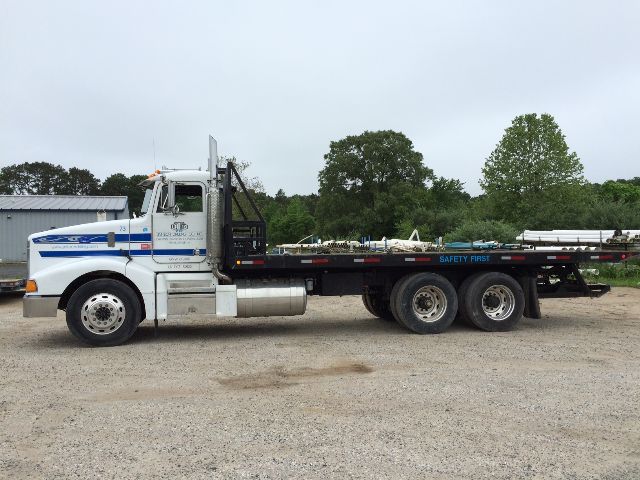
For towing and recovery work, buyers usually focus on underlift capacity, boom or winch configuration, wheelbase, and rear axle rating. A rollback, also known as a slideback or car carrier, is generally suited for vehicle transport and light recovery, while a wrecker is built for heavier pulls and disabled-unit handling. Tandem axle tow trucks and heavy wreckers need close inspection of double-frame construction, suspension type, driveline wear, and hydraulic operation under load. If the truck will be used for commercial recovery, front axle capacity, brake condition, tire size, and transmission choice matter because these directly affect stability, legal carrying limits, and road performance.
Dump trucks and cab and chassis trucks bring a different set of priorities. A triaxle dump truck is commonly selected for asphalt, stone, sand, demolition debris, and municipal material hauling, with buyers paying attention to body condition, hoist performance, tarp system operation, axle spread, and local bridge-law considerations in New Jersey. Engine horsepower and automatic versus manual transmissions can change productivity depending on route density and driver preference. Cab and chassis units are often purchased for upfitting, and that makes frame length, back-of-cab clearance, PTO provision, suspension rating, and existing hydraulic plumbing especially important. If a truck already has a wet line kit or PTO-driven accessories, that can shorten upfit time and reduce installation cost.
Specialty trucks such as attenuator or traffic management units should be evaluated as complete work systems, not just as chassis. Buyers need to verify the body installation, ballast or counterweight design, electrical controls, warning systems, title status, and any prior structural damage or rebuild history. Across all truck categories, service records, rust exposure, ECM data, idle hours, and compliance items such as lighting, brakes, and DOT-ready condition tend to separate a good value from a project truck. Franklinville-area buyers often balance regional road use, seasonal corrosion, and vocational uptime needs, so the best truck is usually the one with the right specification for the work, not simply the newest model year.
Frequently Asked Questions about Commercial Trucks Near Franklinville, New Jersey
What should I look for first when comparing used trucks for sale?
Start with the truck’s intended application and confirm that the chassis was spec'd for that job. Key points include GVWR, axle configuration such as single, tandem, or triaxle, engine horsepower, transmission type, wheelbase, suspension, and any PTO or hydraulic requirements. After that, inspect frame condition, rust, maintenance history, tire and brake wear, and signs of body or structural repair. A truck with the correct specification and a clean service history is usually a better buy than a lower-priced truck that needs rework to fit the job.
What is the difference between a rollback tow truck and a wrecker?
A rollback uses a tilting bed to load vehicles onto the deck, making it ideal for transporting cars, pickups, and light equipment with minimal rolling resistance. A wrecker uses towing equipment such as a wheel-lift, underlift, boom, and winch to recover or tow disabled vehicles. Heavy wreckers are built for larger commercial vehicles and require stronger frames, higher axle ratings, and more robust hydraulic systems. The right choice depends on whether the work is mainly vehicle transport, roadside recovery, or heavy-duty towing.
Why does axle configuration matter so much on a commercial truck?
Axle configuration determines legal weight capacity, traction, stability, and how the truck can be used in real service. A 4x2 may work for lighter regional duty, while a 6x4 tandem is common for heavier towing, dump, and vocational applications. Triaxle dump trucks add carrying capacity and can improve payload potential under local weight laws, but they also add maintenance points and operational complexity. Buyers should match axle layout to the loads, terrain, and state weight rules the truck will face.
What should I verify on a cab and chassis truck before planning an upfit?
Confirm the frame rail dimensions, usable frame length, cab-to-axle measurement, rear suspension rating, and whether the truck already has PTO capability or hydraulic plumbing. It is also important to verify any frame modifications, crossmember condition, electrical connections for body integration, and clearance for the intended body or equipment. A cab and chassis may look flexible on paper, but incorrect frame length or missing PTO provisions can add significant upfit cost and delay.
Are specialty trucks like attenuator trucks harder to evaluate than standard work trucks?
Yes, because the buyer is purchasing both the chassis and the specialized equipment package. In addition to normal engine, transmission, frame, and brake checks, the impact attenuator system, warning lights, control box, ballast arrangement, and mounting structure all need inspection. Title history and prior damage are especially important on specialty trucks because repairs or conversions can affect safety, compliance, and resale value. A complete inspection should treat the unit as an integrated traffic control or work-zone asset, not just a used truck.