
Trucks For Sale Near Framingham, Massachusetts
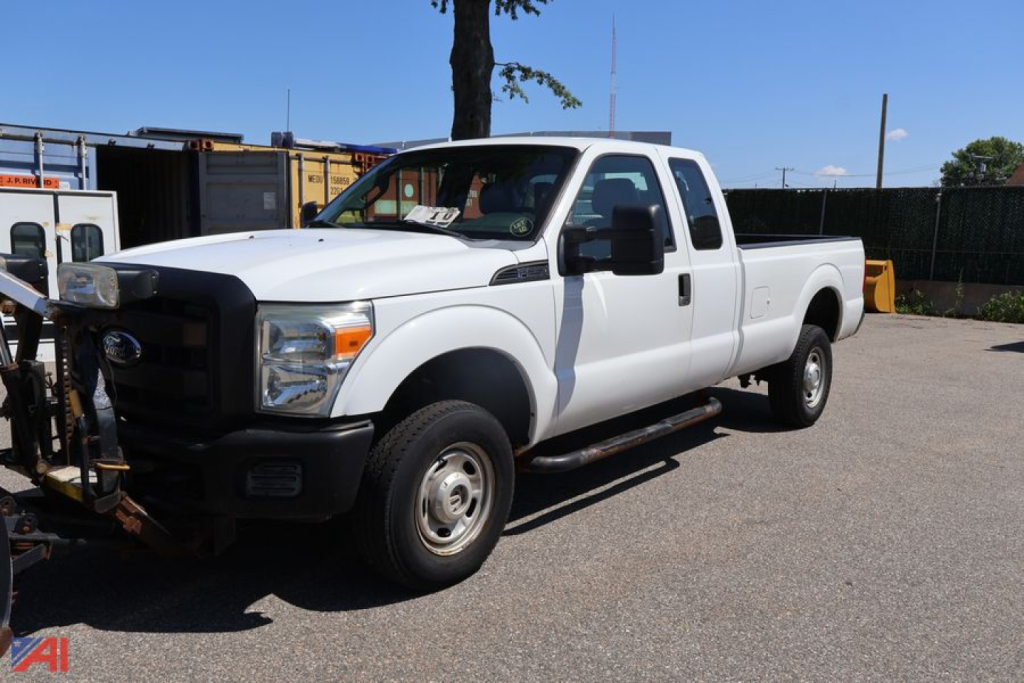
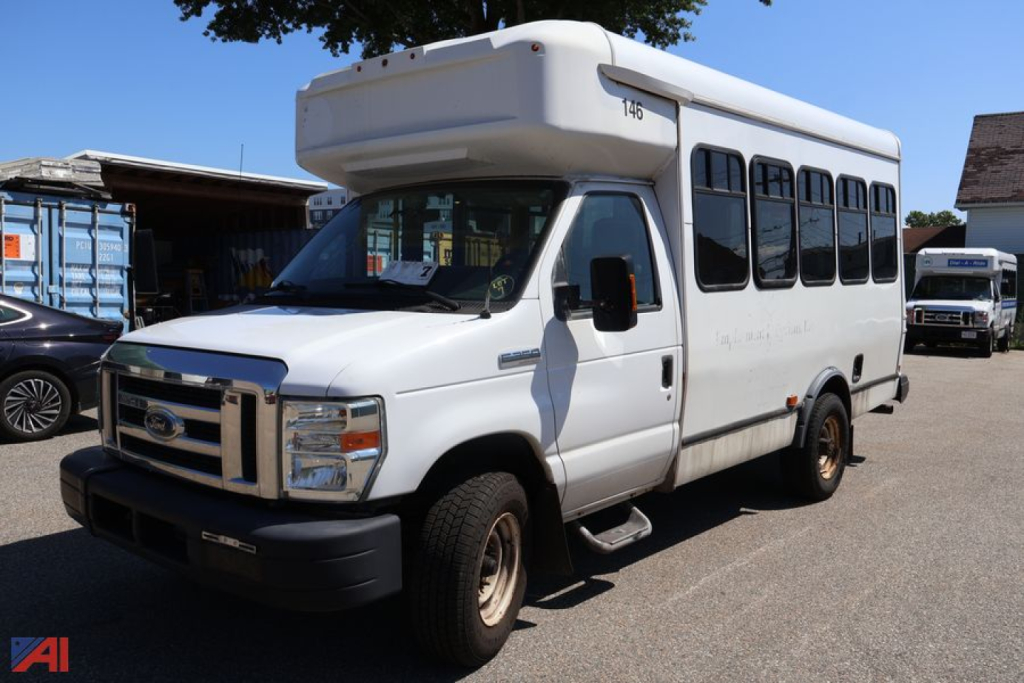
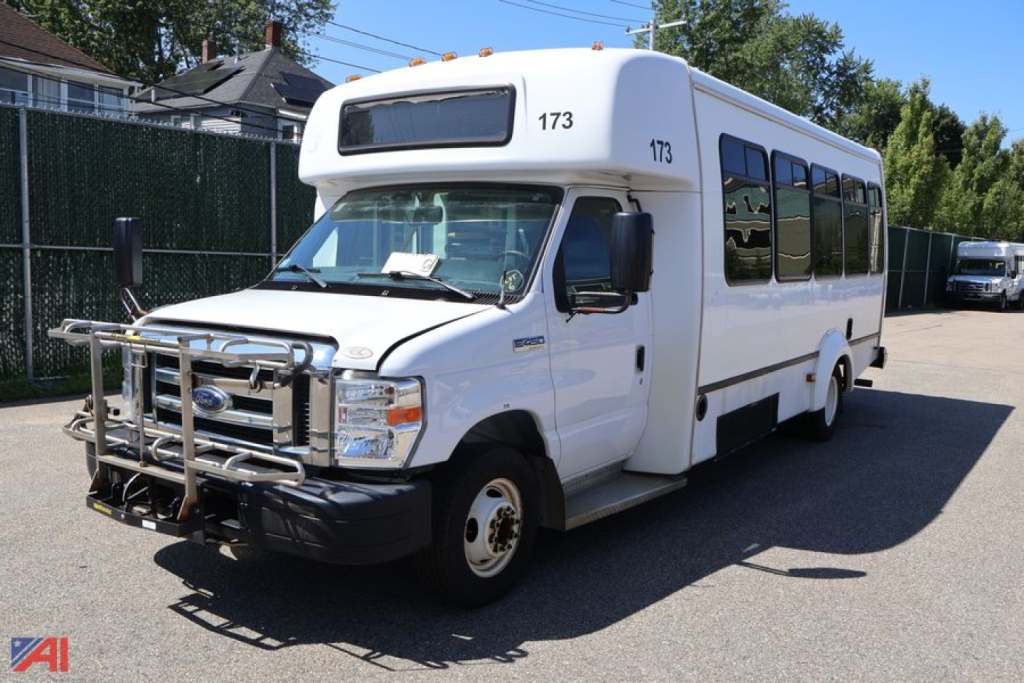
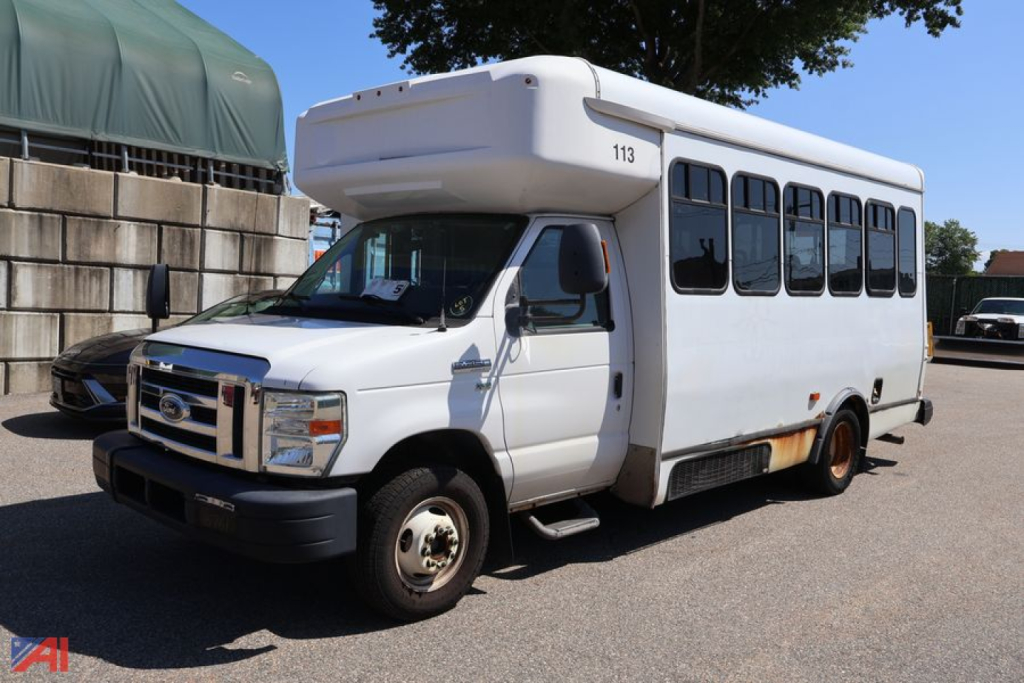
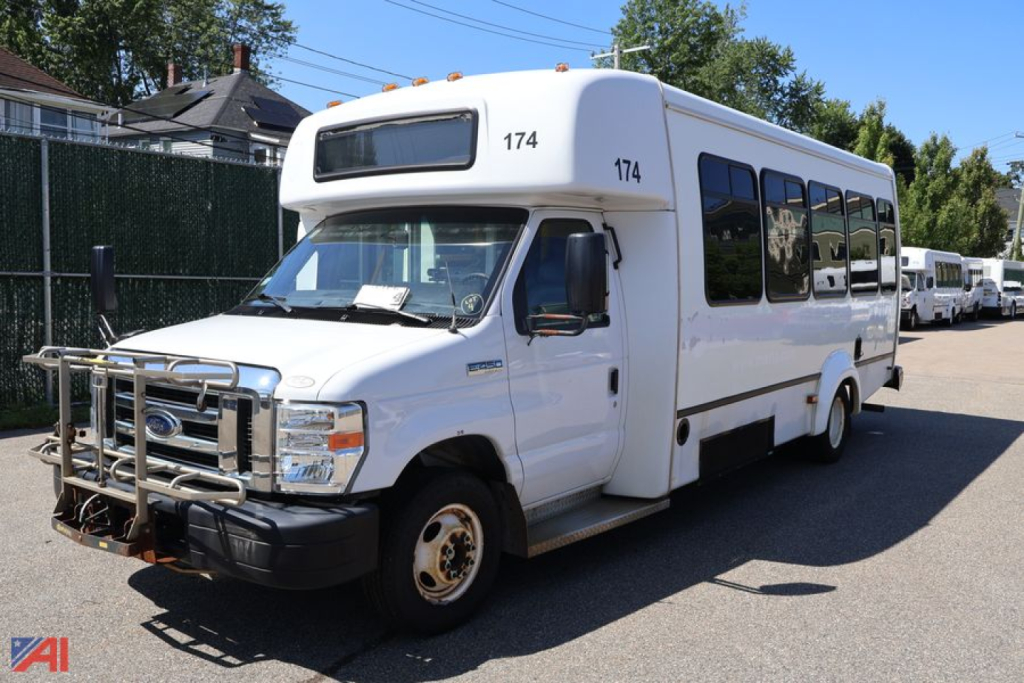
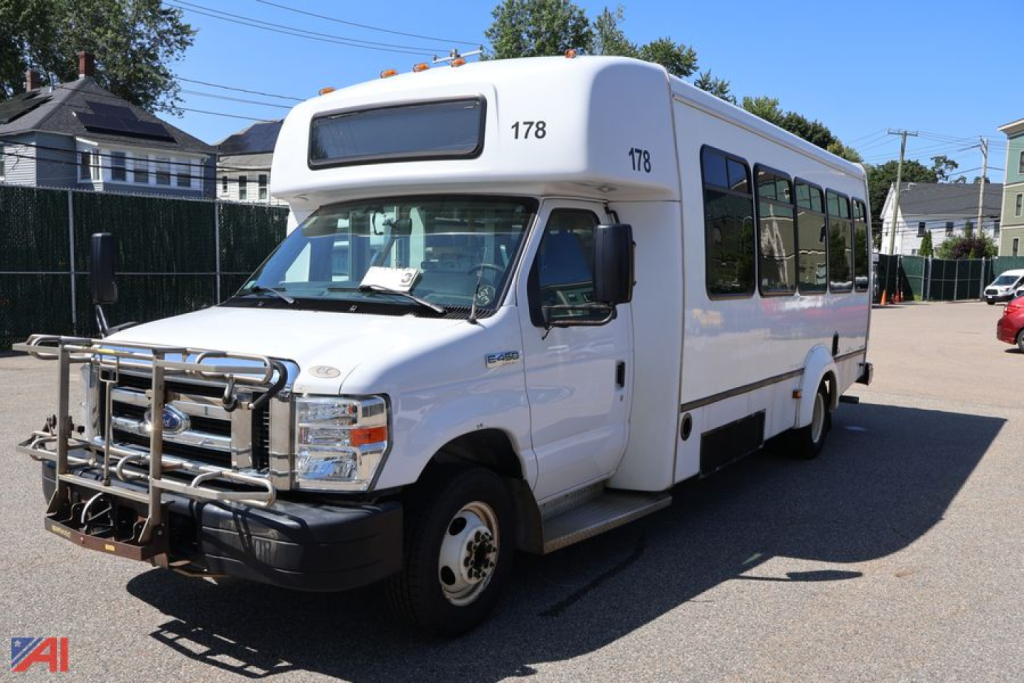
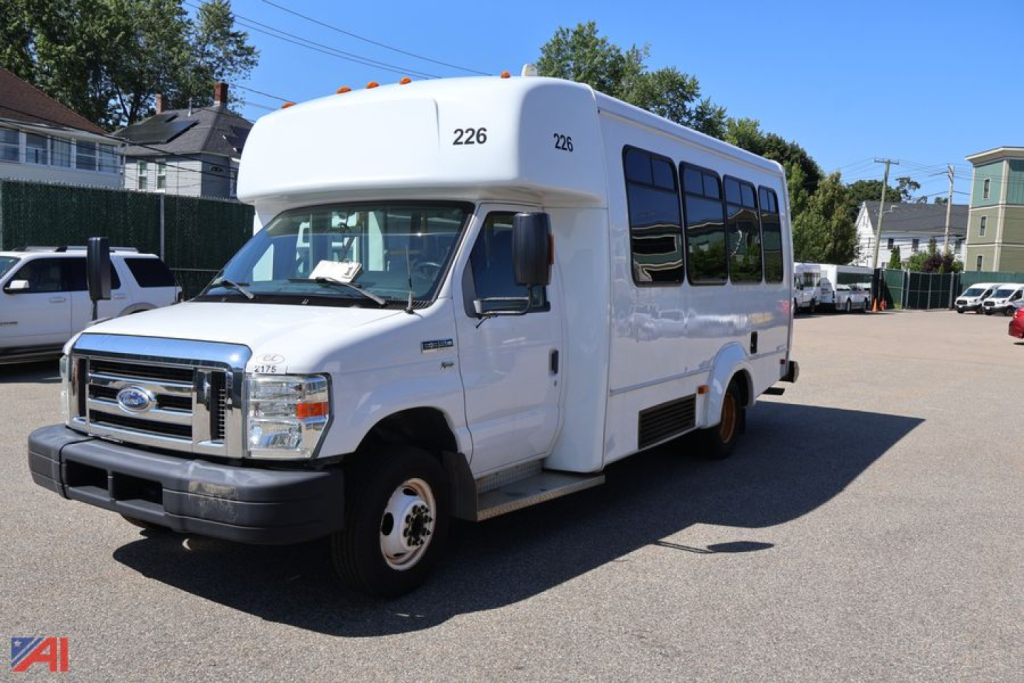
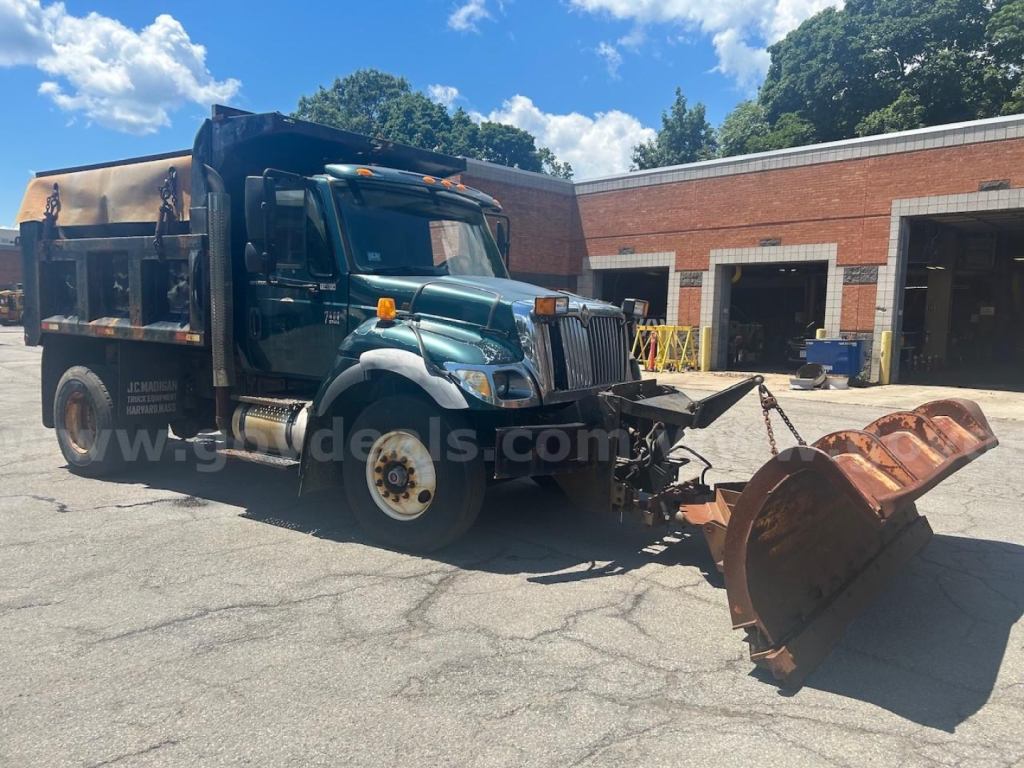
Have truck to sell? List it here to reach thousands of buyers.
Trucks Near Framingham, Massachusetts
The most important buying decision is matching GVWR, wheelbase, and powertrain to the route. For stop-and-go suburban work around Framingham and Greater Boston, buyers usually pay close attention to turning radius, cab access, visibility, and service history. Diesel medium-duty trucks remain popular for higher mileage and heavier payloads, but gas-powered cutaway trucks and buses can make sense for lower annual miles and simpler maintenance. On box trucks, check body length, inside height, liftgate capacity, roll-up versus swing doors, and whether the floor, roof bows, and front wall show signs of hard freight use. On shuttle or wheelchair buses, inspect passenger capacity, wheelchair lift operation, tie-down systems, HVAC performance, and entry door function.
Condition matters more than model year in this category. A used truck with documented brake work, suspension repairs, cooling system service, and transmission maintenance can be a better value than a newer unit with deferred upkeep. Medium-duty buyers should inspect frame corrosion, especially in New England service, along with cab mounts, crossmembers, fuel and brake lines, spring hangers, and electrical connections. Engine hours, idle time, PTO use if equipped, turbo condition on diesel units, and signs of fluid leaks all tell you more than odometer mileage alone. Tire date codes, tread wear pattern, liftgate cycling, wheelchair ramp or lift performance, and door seal condition also affect near-term operating cost.
This truck category covers a broad range of commercial uses, so the best unit is the one that fits the job without carrying unnecessary weight or complexity. Delivery fleets may prioritize cargo cube, payload, and dock-height compatibility. Passenger transport buyers usually focus on seating layout, ADA compliance, and interior condition. Contractors and municipalities often look for durable drivetrains, straightforward parts support, and a chassis that local shops can service without delay. If the truck will spend most of its time on short regional routes, dense traffic, and frequent starts and stops, durability of brakes, steering components, suspension, and transmission cooling should be near the top of the checklist.
Frequently Asked Questions about Trucks Near Framingham, Massachusetts
What should I look for first when buying a used truck in this category?
Start with the truck’s intended job, then verify GVWR, body style, wheelbase, and payload capacity match that application. After that, focus on service records, frame condition, brake wear, tire condition, suspension components, and any signs of engine, transmission, or cooling system issues. For body-equipped trucks, the condition of the box, liftgate, passenger area, or wheelchair equipment can be just as important as the chassis itself.
Is mileage the most important factor on a used medium-duty truck?
Mileage matters, but it is only one part of the picture. Idle hours, maintenance history, operating environment, and prior use often matter more on medium-duty trucks and buses. A higher-mileage unit with regular fleet maintenance may be a stronger buy than a lower-mileage truck that sat for long periods or missed brake, cooling system, and transmission service.
Are diesel or gas engines better for local commercial truck use?
Diesel engines are often preferred for heavier payloads, longer service life, and higher annual mileage. Gas engines can be a practical choice for lighter routes, lower annual miles, and fleets that want simpler emissions systems and potentially lower maintenance complexity. The right choice depends on route length, stop frequency, loaded weight, and how long the truck is expected to stay in service.
What matters most on a used box truck?
Body condition, cargo dimensions, and rear access are key. Buyers should confirm the box length and inside height fit the freight, then inspect the floor, roof, corners, and door frame for damage or water intrusion. Liftgate operation, hinge wear, roll-up door tracks, and evidence of overloading are all important because body repairs can quickly change the total cost of ownership.
What should I inspect on a used wheelchair or shuttle bus?
The wheelchair lift or ramp, tie-down positions, passenger entry door, seating mounts, and HVAC system should all be tested in person. Buyers should also confirm ADA-related equipment works correctly and inspect the floor structure for corrosion or soft spots, especially near lift openings and entry points. On cutaway buses, suspension wear, rear axle condition, and electrical system health are important because these units often spend years in stop-and-go fleet service.