
Commercial Trucks For Sale Near Fort Pierce, Florida
Have commercial truck to sell? List it here to reach thousands of buyers.
Commercial Trucks Near Fort Pierce, Florida
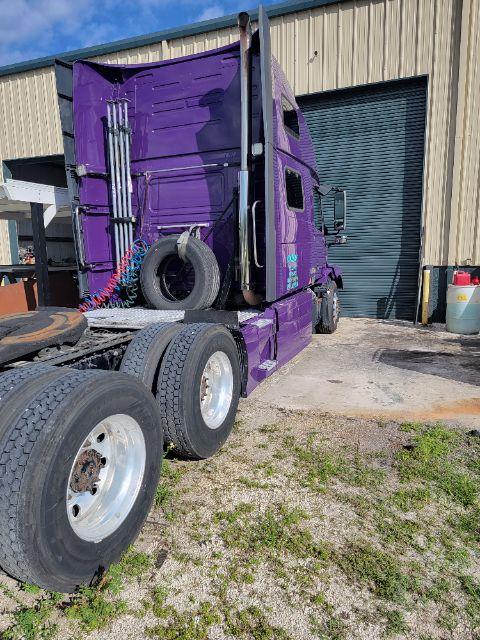
For used trucks, powertrain specs matter more than cosmetic details. Buyers commonly compare diesel engine make, horsepower, torque, automated or manual transmission, rear axle ratio, and gross vehicle weight rating. On highway units, common benchmarks include 12,000-lb front axles, tandem rears, 80,000-lb GVWR combinations, and automated transmissions from major OEMs such as Volvo, Detroit, Eaton, and Allison depending on the truck type. Sleeper models like the Volvo VNL series are popular for fuel-efficient long-haul service, but condition is critical. Engine health, emissions system history, idle hours, service records, and any major repairs needed can change the true cost of ownership fast. A low purchase price on a truck with a damaged engine or deferred maintenance can become a high-cost project.
Florida buyers also pay attention to operating environment. Trucks running coastal routes near Fort Pierce may show more corrosion exposure than inland equipment, and heat places extra value on strong air conditioning, cooling system performance, and tire condition. If the truck will work regional freight on I-95, the Florida Turnpike, or port-related lanes, it helps to check wheelbase, fifth wheel setup, fuel capacity, and sleeper size against the planned routes and dwell time. For local delivery or municipal work, tighter turning radius, axle configuration, and body upfit options may matter more than bunk space or long-range tanks.
A good truck listing should help you verify the basics without guesswork: year, make, model, engine, transmission, mileage, axle ratings, suspension, brake type, and title status. From there, buyers should evaluate maintenance history, ECM data, tires, brakes, frame condition, and signs of oil, coolant, or aftertreatment problems. The best value in this category usually comes from trucks with clear application fit and documented upkeep, not simply the newest model year. A truck that is properly spec'd for its lane and has a realistic maintenance profile will usually outperform a cheaper unit that needs immediate engine, transmission, or emissions work.
Frequently Asked Questions about Commercial Trucks Near Fort Pierce, Florida
What should I look at first when comparing trucks for sale?
Start with the intended application, then confirm the truck's core specs match the work. For a highway tractor, focus on sleeper or day cab configuration, engine rating, transmission type, axle ratio, wheelbase, and GVWR. For vocational use, frame strength, PTO readiness, suspension, and axle capacity move to the top of the list. After the spec sheet, review engine hours, mileage, maintenance records, tire and brake condition, and any known repair needs.
Is an automatic transmission a good choice in a used truck?
Yes, for many fleets and owner-operators an automatic or automated manual transmission is a practical choice because it can reduce driver fatigue, simplify hiring, and improve consistency in fuel economy. The key is verifying service history and drivability. On a used truck, check for smooth shifts, clutch calibration if applicable, software updates, and any fault codes tied to the transmission or related sensors. Transmission brand support and parts availability should also be part of the buying decision.
How important is engine condition on a used truck?
Engine condition is usually the single biggest factor in the value of a used truck. A truck with a major internal engine issue, excessive blow-by, coolant loss, oil contamination, or a failed aftertreatment system can require repairs that quickly exceed the apparent savings on purchase price. Buyers should look for maintenance records, recent repairs, fault code history, oil sample results if available, and signs of proper cooling system upkeep. If there is any doubt, a pre-purchase inspection and ECM review are worth the cost.
Do Florida trucks need any special inspection considerations?
Florida trucks deserve close inspection for heat-related wear and coastal exposure. Air conditioning performance, radiator and charge air cooler condition, hoses, belts, tires, and battery health are especially important in hot-weather operation. If the truck has spent time near the coast, inspect the frame, crossmembers, wiring, air tanks, and fasteners for corrosion. Sun exposure can also affect interior trim, seals, and exterior finishes, so condition should be judged beyond the drivetrain alone.
What is the difference between a sleeper truck and a day cab?
A sleeper truck has a built-in bunk area behind the driver seats and is designed for longer runs that require rest and more onboard storage. A day cab does not have a sleeper compartment and is typically lighter, shorter, and better suited to local or regional work with regular return-to-base schedules. The right choice depends on route length, driver needs, legal rest planning, payload goals, and how much maneuverability matters in the operation.