
Ford Commercial Trucks For Sale in Virginia
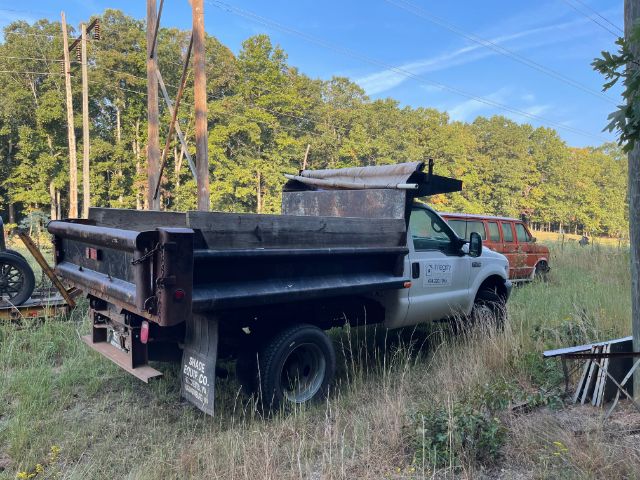
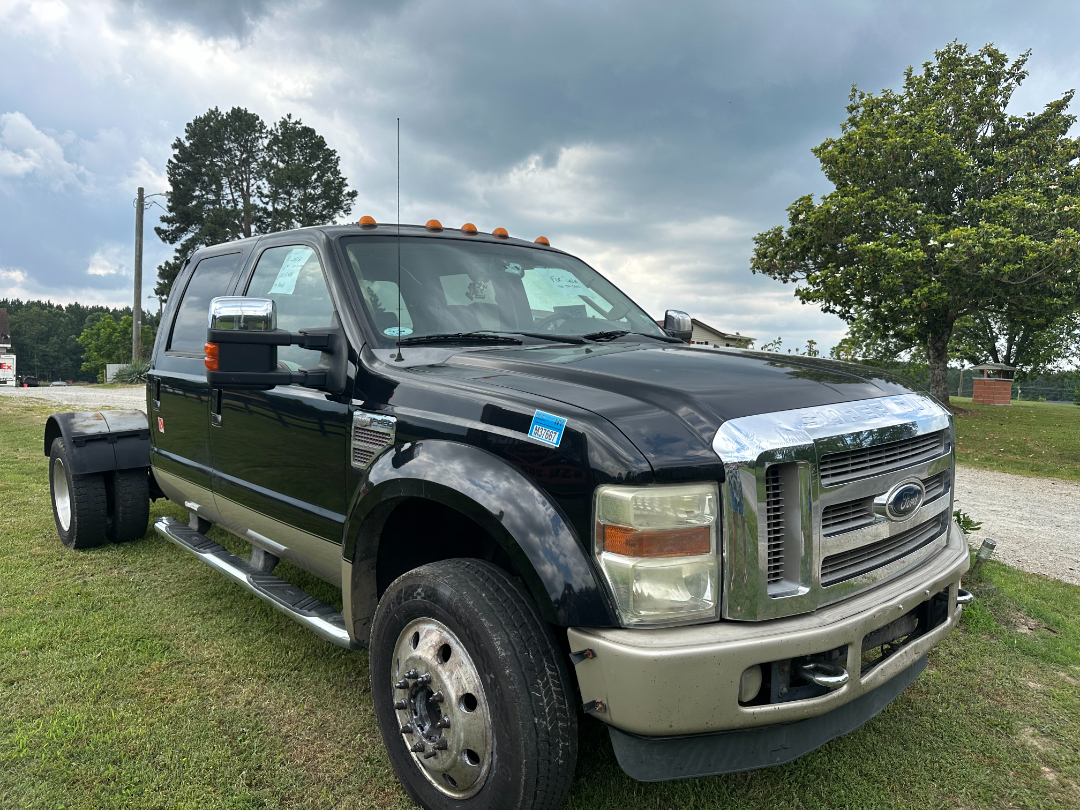

Have ford commercial truck to sell? List it here to reach thousands of buyers.
Ford Commercial Trucks in Virginia
On used Ford trucks, the big dividing line is usually powertrain and intended duty cycle. F-350 and F-450 models may be found with gas or diesel engines, 2WD or 4WD, and automatic transmissions paired with regular cab, extended cab, or crew cab layouts. Diesel-equipped trucks are often chosen for towing, higher-mileage use, and heavier payload demands, while gas units can make sense for local routes, lighter annual usage, and simpler maintenance. Buyers comparing a service truck, dump truck, or auto carrier should pay close attention to wheelbase, rear axle ratio, PTO compatibility, suspension condition, brake history, and the condition of the installed body. On utility and service bodies, common checkpoints include compartment corrosion, door latch wear, ladder rack condition, inverter or compressor setup, and any signs of frame rust around mounting points.
Virginia buyers also need to match the truck to terrain, season, and operating radius. A 4WD F-Series truck is often preferred for construction sites, utility easements, and winter operation in western parts of the state, while 2WD trucks may be perfectly suitable for municipal, facility, or paved-road service. If the truck is fitted as a dump, inspect hoist operation, subframe integrity, floor thickness, and tailgate hardware. If it is set up as a service or mechanic-style truck, look at payload left after the body and tools are installed, because a well-equipped body can consume a meaningful share of the chassis capacity. Towing buyers should verify receiver rating, gooseneck or fifth-wheel setup if equipped, and confirm that the truck's axle, spring, and brake package align with the trailer it will actually pull.
Ford trucks remain popular because they are easy to place into real work quickly, but the best value comes from matching the spec to the job instead of buying by badge alone. A clean F-350 service truck may be ideal for maintenance crews, while an F-450 with a vocational body may better suit hauling, transport, or heavier equipment support. Service records, engine hours when available, rust exposure, upfit quality, and prior fleet use matter as much as model year. For buyers sorting through used Ford work trucks, the key is to evaluate the truck as a complete work platform: chassis, drivetrain, body, and remaining usable capacity.
Frequently Asked Questions about Ford Commercial Trucks in Virginia
What should I look for first when buying a used Ford work truck?
Start with the truck's actual job requirement, then compare GVWR, body type, drivetrain, and axle setup against that use. A Ford F-350 or F-450 may look similar across listings, but payload, towing capacity, wheelbase, suspension, and whether it was built as a pickup or cab and chassis can change its usefulness significantly. After that, inspect service history, frame condition, body mounts, brake and steering wear, and any signs that the truck has been overloaded or used beyond its intended duty cycle.
Is a Ford F-350 or F-450 better for commercial use?
It depends on the body and the load. An F-350 is often a strong fit for service bodies, light dump setups, contractor use, and mixed personal-commercial operation. An F-450 usually makes more sense when the application involves heavier upfits, more towing, or a more demanding vocational cycle. Buyers should compare rear axle capacity, suspension, wheel and tire package, turning radius, and the truck's remaining payload after the body is installed rather than relying only on the model name.
Should I choose a gas or diesel Ford truck?
Diesel Ford trucks are typically favored for heavier towing, higher annual mileage, and applications that benefit from stronger low-end torque. Gas trucks can be a practical option for shorter routes, lower yearly mileage, and fleets that want lower upfront cost and less emissions-system complexity. The right answer depends on load, route profile, idle time, maintenance capability, and total cost of ownership over the period you expect to keep the truck.
What matters most on a Ford service or utility truck?
Body condition is critical because utility trucks often spend years in weather, job sites, and stop-and-go fleet use. Check compartment floors, hinges, locks, seals, ladder racks, and any compressor, welder, or inverter installation. Also confirm that the upfit does not leave the truck short on legal payload. A well-maintained service body on a sound chassis is usually more valuable than a newer truck with worn compartments, rusted mounts, or poor electrical additions.
Are Ford trucks common in municipal and contractor fleets?
Yes. Ford Super Duty trucks are widely used by contractors, public works departments, utilities, and general service fleets because they support a broad range of body types and are familiar to most maintenance shops. That popularity also means used buyers can often find trucks configured as dump trucks, utility trucks, pickups, flatbeds, and specialty carriers. The main advantage is application flexibility, but each truck still needs to be evaluated for prior fleet use, maintenance quality, and how well the current configuration fits the next job.