
Ford Commercial Trucks For Sale in Tennessee
Used Ford trucks in Tennessee, F-350 to F-750. Compare diesel vs gas, GVWR, brakes, and specs for box, dump, service, and rollback jobs.
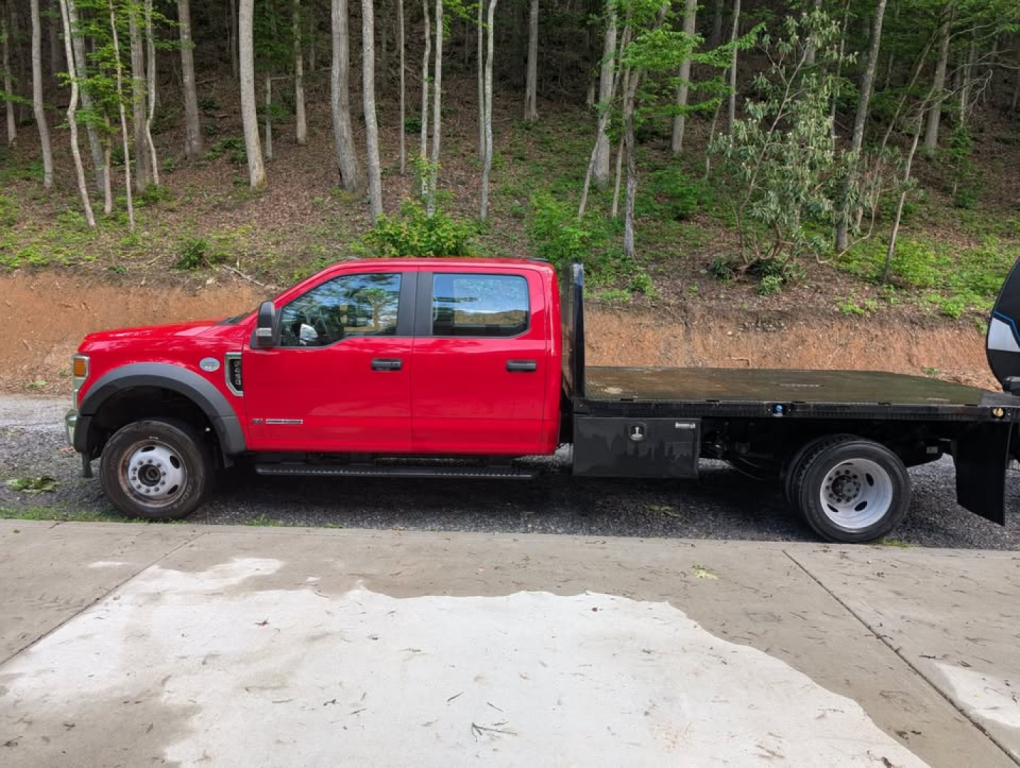
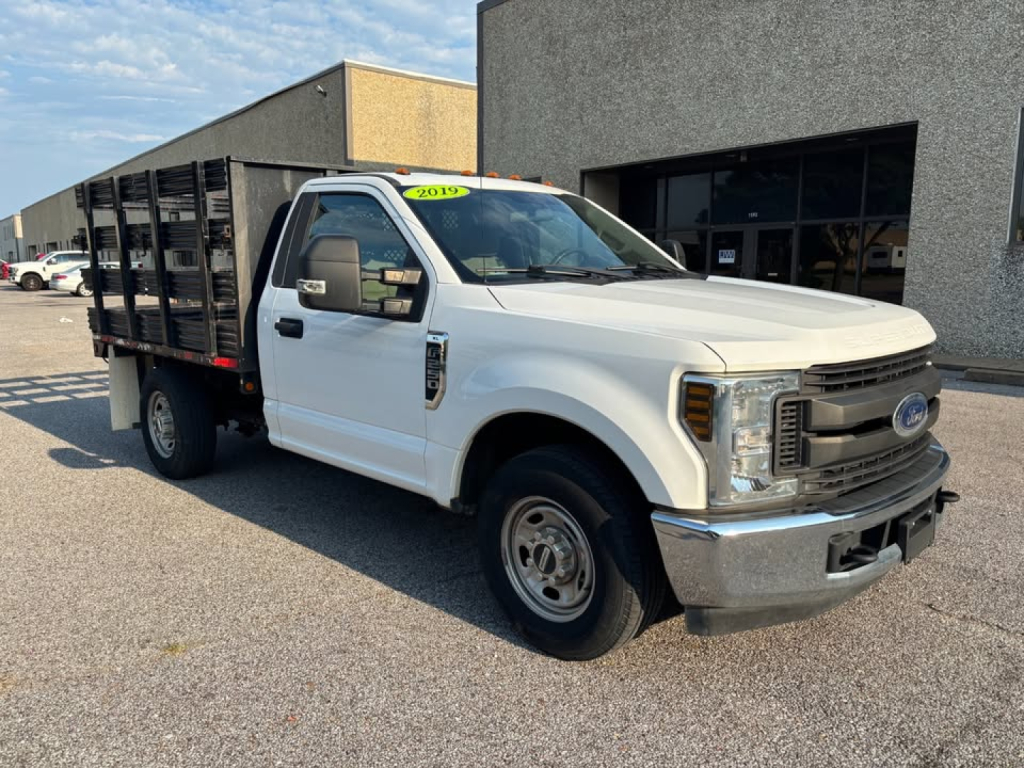
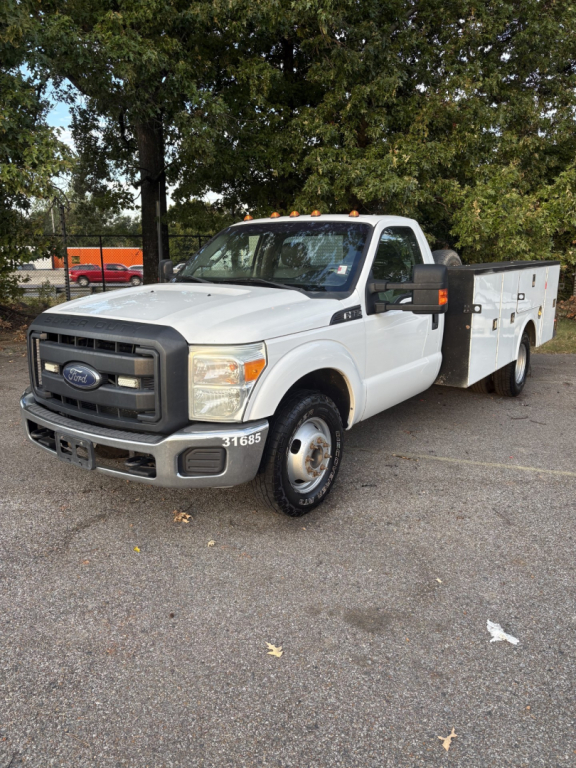
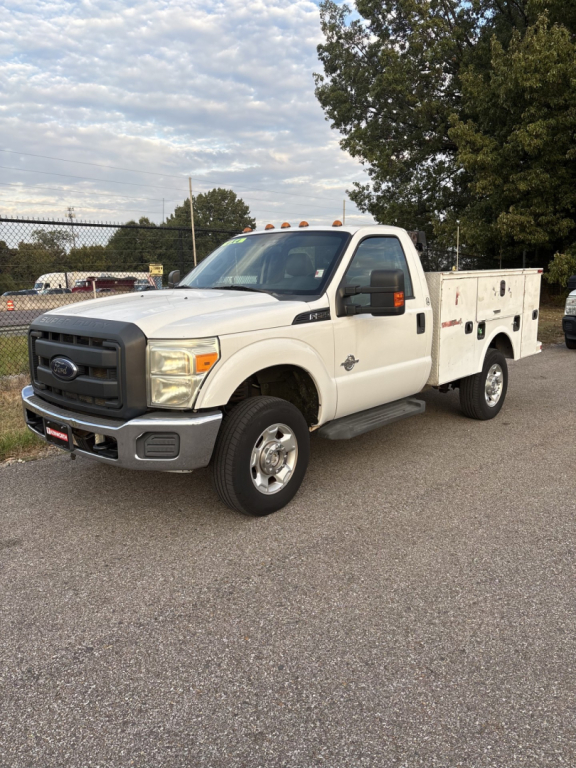
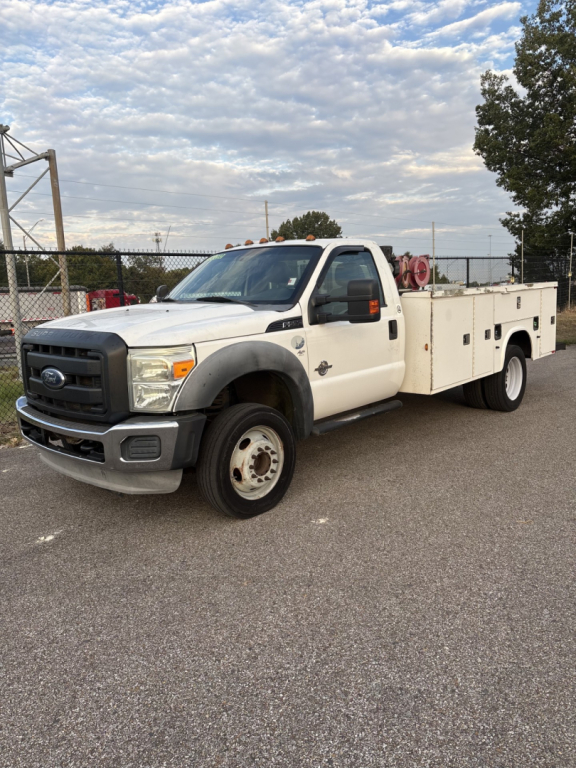
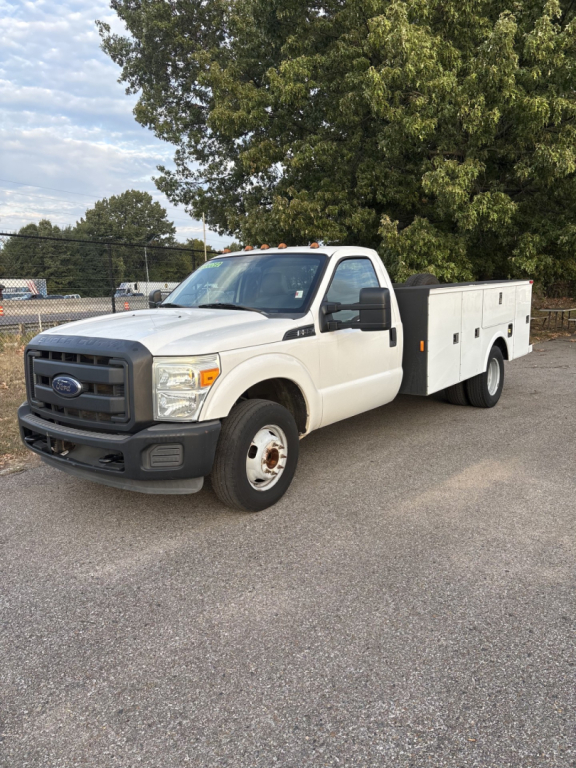
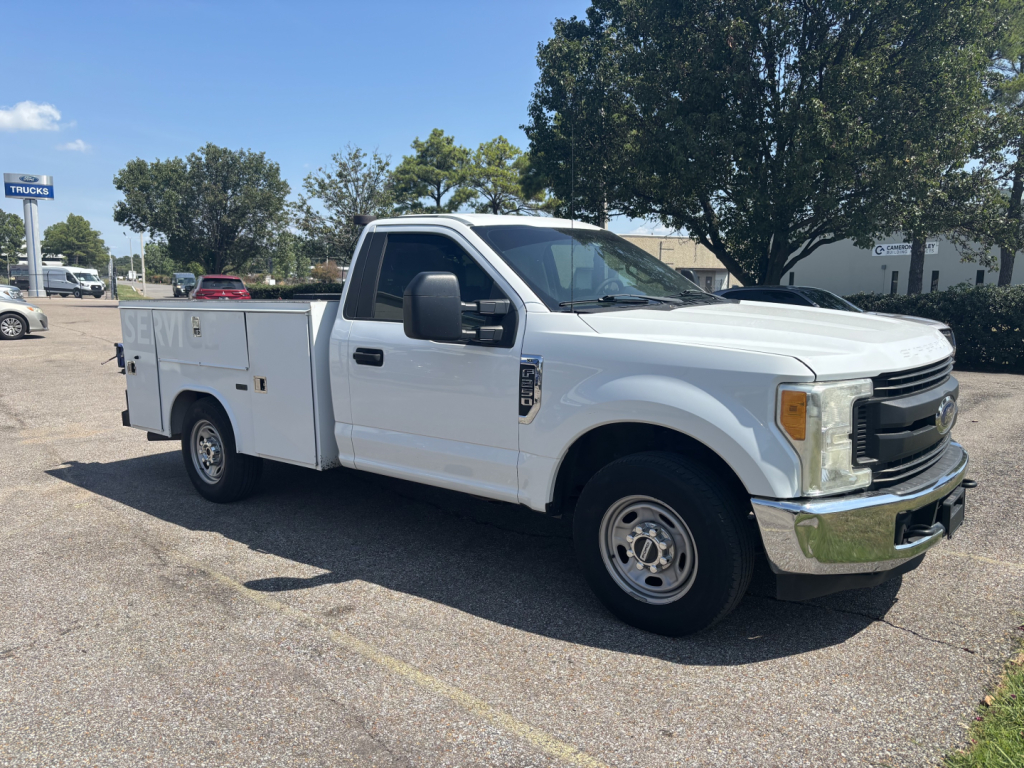
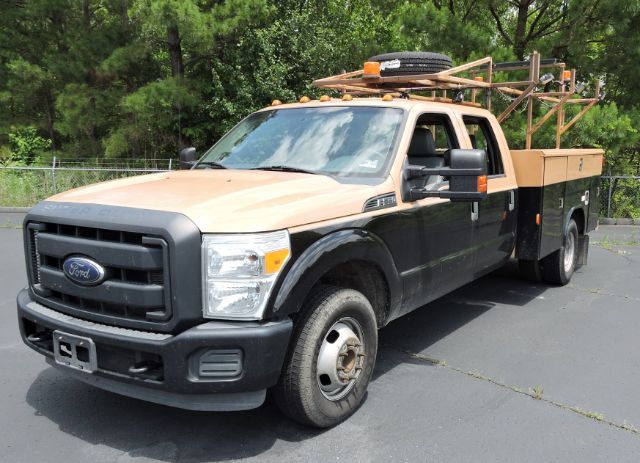
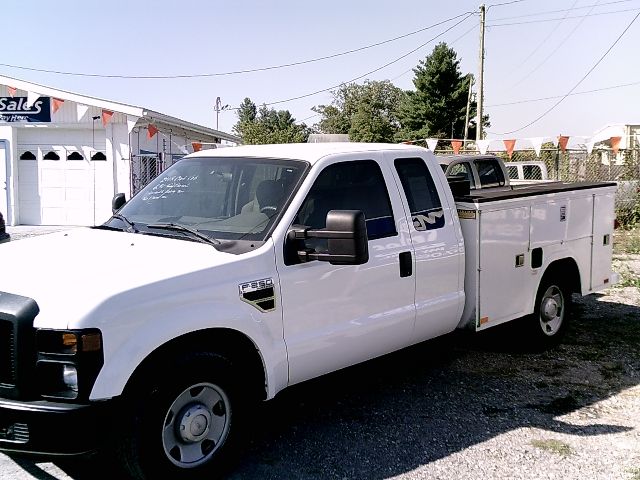

Selling a ford commercial truck? List your ford commercial truck for sale and reach thousands of commercial buyers.
Ford Commercial Trucks in Tennessee
Ford commercial trucks in this segment range from F-350 through F-750. F-350 to F-550 chassis cabs carry roughly 11,000-19,500 lb GVWR with common upfits like service, dump, rollback, and small box bodies. F-650 sits near 20,500-29,000 lb GVWR, with many units set at 25,999 to avoid CDL. F-750 stretches up to about 37,000 lb GVWR for heavier dumps, tankers, and 28-28.5 ft van bodies. Expect 4x2 to dominate, with 4x4 common on F-550s that see jobsite mud. Tire packages split 19.5 vs 22.5, wheelbases vary widely, and CA/CT dimensions drive body length and payload placement.
Powertrains and transmissions are where the big trade-offs live. Newer units use the 6.7L Power Stroke diesel with TorqShift 6- or 10-speed and live-drive PTO, or Ford’s 7.3L gas V8 on F-450-F-750 for lower upfront cost and simpler emissions. Older F-650/F-750s may carry Cummins ISB or Caterpillar 3126/C7 paired with Allison 2000/3000 or Eaton manuals. Gas is a smart fit for low-mileage fleets or cold-start stop-and-go work, while diesel delivers torque, engine braking, and better fuel economy at weight. Hydraulic brakes are common and cost-effective under 26k GVWR; air brakes, 22.5 tires, and air ride improve pedal feel, stopping power, and driver comfort on heavier spec.
Buying used in Tennessee, look for axle ratios that match your route speed, verify wheelbase and cab-to-axle for the body you need, and confirm PTO provisions for dumps, pumps, and rollbacks. Inspect frames for double-channel reinforcements, crossmember spacing, and RBM ratings when payload is king. On box trucks, check scuff liners, e-track, roof seams, roll-up doors, and liftgate cycle condition. Diesel units from 2010+ will have DPF and DEF systems; review regen history and service records. Tennessee’s moderate climate helps with corrosion, but confirm the truck’s prior region if rust is a concern. CDL thresholds matter: anything 26,001 lb GVWR and up, or combinations over that, require the right license, and air brake equipment affects testing restrictions.
Frequently Asked Questions about Ford Commercial Trucks in Tennessee
Do I need a CDL to drive an F-650 or F-750 in Tennessee?
CDL requirements depend on GVWR and combinations. A single vehicle rated at 26,001 lb GVWR or higher requires a CDL. Many F-650s are rated at 25,999 lb to stay non-CDL, but payload, upfit weight, or towing a heavy trailer can push the combination over the threshold. Air brakes don’t require a separate endorsement in Tennessee, but testing in a vehicle without air brakes can place a restriction on your license.
Should I choose the 7.3L gas V8 or the 6.7L Power Stroke diesel for Tennessee routes?
Pick based on duty cycle and costs. The 7.3L gas V8 offers a lower purchase price, quicker warm-up for frequent short trips, and simpler emissions hardware. The 6.7L Power Stroke provides higher torque, exhaust braking for mountain grades, and better fuel economy at weight or high annual miles. For Nashville and Memphis urban delivery with low daily miles, gas can pencil out. For heavier loads across the Cumberland Plateau, diesel usually wins.
What’s the difference between hydraulic and air brakes on medium-duty Ford trucks?
Hydraulic brakes are common under 26,000 lb GVWR, cost less to maintain, and pair with 19.5-inch tires. Air brakes bring stronger, more consistent braking on heavier trucks, support 22.5-inch wheel packages, and make it easier to add air-powered accessories. They add weight and complexity, but improve control and serviceability on Class 7 specs.
How do 19.5-inch and 22.5-inch tires affect performance and cost?
19.5-inch tires fit F-450 and F-550 and many hydraulic-brake F-650s, offering lower tire costs and good maneuverability. 22.5-inch tires are common on air-brake F-650/F-750s, carry higher load ratings, run cooler on highway miles in Tennessee heat, and improve stability with taller sidewalls. They do raise step-in height and tire replacement cost.
What rear axle ratio works best for mixed Tennessee highway and city driving?
Match the ratio to route speed, load, and transmission. On F-550, 4.30 to 4.88 are common: taller ratios favor highway fuel economy, deeper ratios help startability with a dump or rollback. On F-650/F-750, 5.13 to 6.17 appear frequently: deeper gears aid launch on hills and in stop-and-go, while slightly taller sets lower rpm on I-40 runs. Review the engine’s torque curve and intended cruise speed before deciding.