
Ford Commercial Trucks For Sale in Pennsylvania
Browse Ford trucks for sale in Pennsylvania, including F-Series work trucks, dump trucks, box trucks, service bodies, plow setups, and chassis cabs.
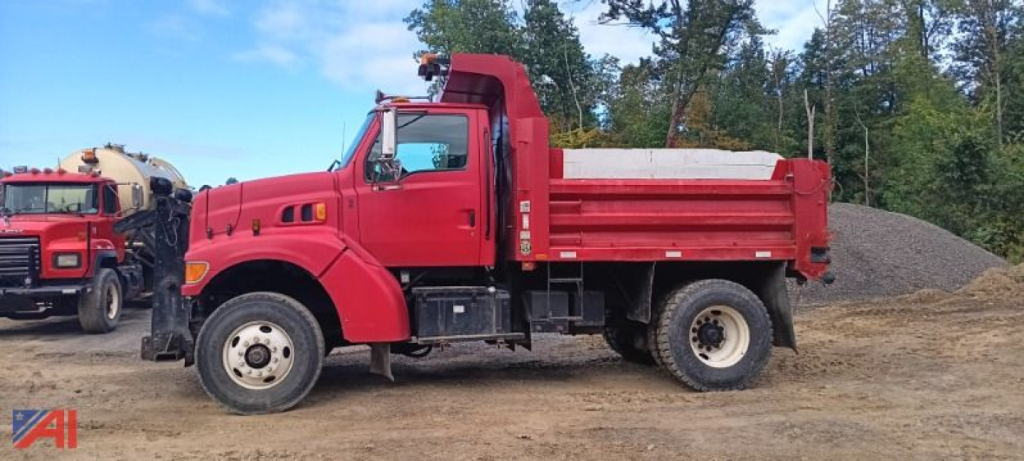
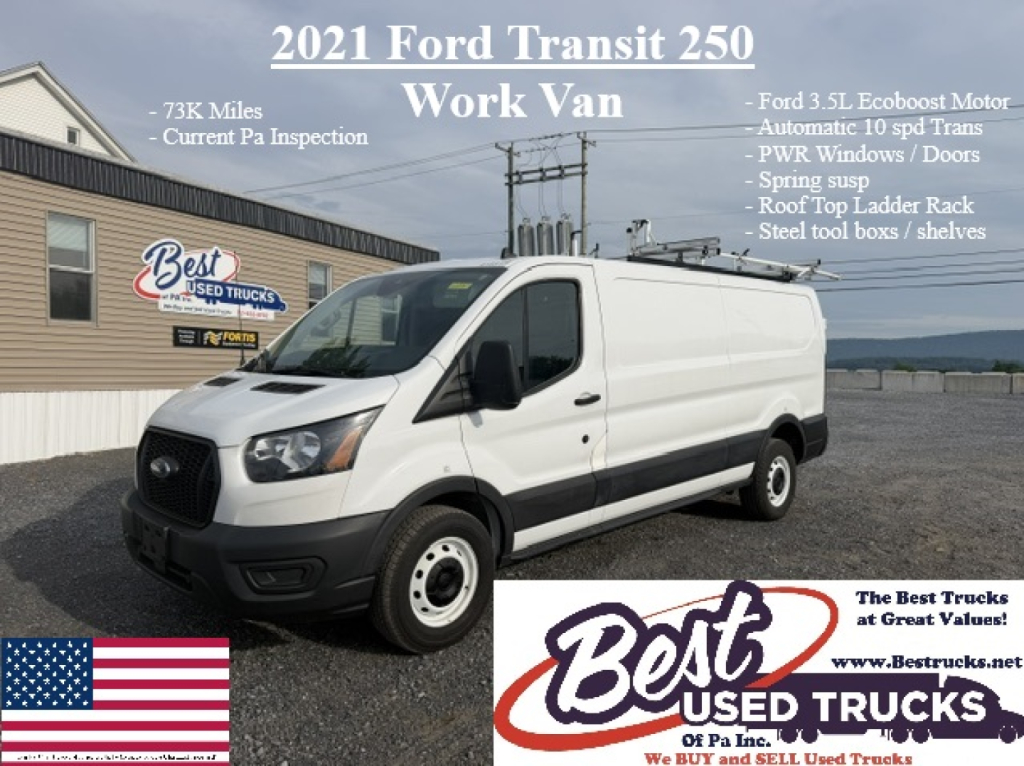
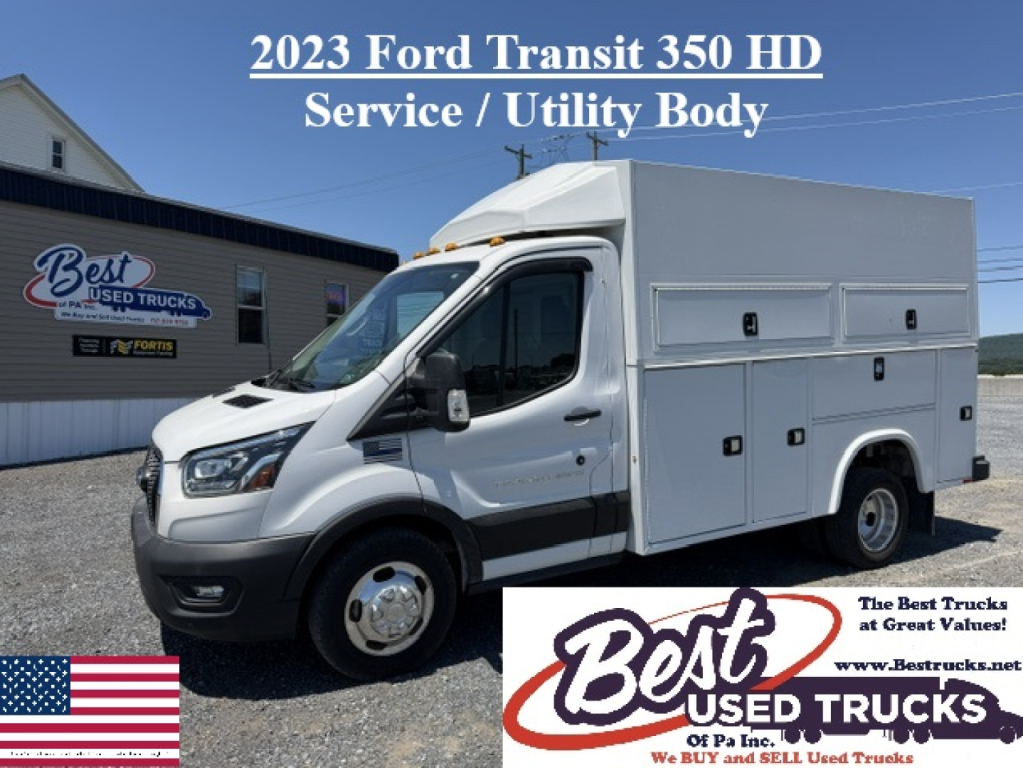

Selling a ford commercial truck? List your ford commercial truck for sale and reach thousands of commercial buyers.
Ford Commercial Trucks in Pennsylvania
For buyers in Pennsylvania, upfit and seasonality matter. Ford trucks in this region are often equipped for snow service with plow mounts, hydraulic systems, spreader wiring, or 4x4 drivetrains, especially on F-250 through F-550 models. Dump bodies, contractor bodies, and van bodies are also common, and many chassis cab trucks have already been spec'd with PTO capability, higher rear axle ratios, and commercial tire sizes such as 19.5-inch rubber on heavier F-450 and F-550 applications. A buyer comparing units should look closely at engine type, transmission pairing, and intended payload. Gas engines can be a practical fit for shorter routes and lower annual miles, while Power Stroke diesel trucks are often favored for heavier towing, longer duty cycles, and chassis cab work.
Ford truck specs vary widely by series. An F-250 or F-350 may be set up more like a pickup-based fleet truck, while an F-450 or F-550 typically moves into true commercial territory with higher GVWRs, stronger front and rear axle ratings, and body-ready frame configurations. Common features in this category include single rear wheel or dual rear wheel setups, 4x2 or 4x4 drivetrains, automatic transmissions, spring suspension, trailer brake controls, PTO provisions, liftgates, and vocational bodies from builders like Morgan and other regional upfitters. On used trucks, pay attention to rust around cab corners, frame condition, plow wear, front-end components, hydraulic operation, and whether the truck has lived in municipal or severe winter service. Those details often matter as much as mileage.
A good Ford truck purchase comes down to application fit and remaining service life. For delivery work, a box truck on an F-450 or F-550 chassis may offer an under-CDL operating range with strong maneuverability. For site work, landscaping, and municipal duty, dump and flatbed configurations are more common, especially with 4x4 and snow equipment in Pennsylvania. Older Ford medium-duty trucks can still be useful in seasonal or low-mileage roles, but parts availability, brake system condition, and drivetrain age deserve extra scrutiny. Buyers comparing listings should verify GVWR, actual payload capacity, body condition, engine hours if applicable, and whether the truck's current spec supports CDL or non-CDL operation.
Frequently Asked Questions about Ford Commercial Trucks in Pennsylvania
What Ford truck models are most common in commercial use?
The most common commercial Ford trucks are the F-250, F-350, F-450, and F-550, with older medium-duty models like the F-700 still appearing in certain vocational roles. F-250 and F-350 trucks are often used for lighter contractor, utility, or pickup-based work, while F-450 and F-550 trucks are more common as chassis cabs for dump bodies, box bodies, mechanics bodies, and municipal equipment. The right model depends on GVWR, axle capacity, towing needs, and the body or equipment mounted to the frame.
Is a Ford F-550 considered under CDL?
A Ford F-550 can be under CDL, but it depends on the truck's GVWR and how it is configured. Many F-550 commercial trucks are spec'd at 19,500 pounds GVWR or lower, which keeps them under the 26,001-pound threshold for a CDL in many applications. That said, the body, payload, trailer weight, and combined gross vehicle weight rating can change the licensing requirement. Buyers should always confirm the door-sticker GVWR and any trailer combination they plan to run.
Should I choose a gas or diesel Ford work truck?
Gas and diesel Ford work trucks each have a place in fleet service. Gas engines often make sense for local routes, lower annual mileage, easier cold-weather starts, and lower upfront purchase cost. Diesel engines are typically better suited for sustained heavy loads, towing, and higher-mileage use, especially in chassis cab applications. The best choice depends on duty cycle, maintenance budget, idle time, and whether the truck will spend most of its life in stop-and-go local service or heavier commercial hauling.
What should I inspect on a used Ford truck in Pennsylvania?
On a used Ford truck in Pennsylvania, rust and winter-service wear should be near the top of the checklist. Inspect the frame, cab mounts, brake and fuel lines, dump hoist or hydraulic components, plow mount areas, front suspension, steering linkage, and bed or box floor condition. On box trucks, check the liftgate, roll-up door, roof, and body crossmembers. On dump or plow trucks, confirm that the electrical system, hydraulics, and 4x4 components function correctly, since snow-duty use can accelerate wear even on lower-mileage units.
What makes Ford trucks popular for dump, box, and plow applications?
Ford trucks are popular in these applications because the F-Series platform offers a broad range of chassis ratings, cab configurations, and powertrain choices that fit common vocational upfits. An F-450 or F-550 can be configured for a dump body, van body, flatbed, utility body, or snow and ice package while still remaining maneuverable on tighter local routes. Strong dealer support, widespread parts availability, and familiar fleet maintenance procedures also make Ford trucks a practical choice for contractors, municipalities, and regional delivery operators.