
Ford Commercial Trucks For Sale in New Hampshire
Browse Ford trucks for sale in New Hampshire, including light, medium, and vocational models built for towing, service, hauling, and fleet use.
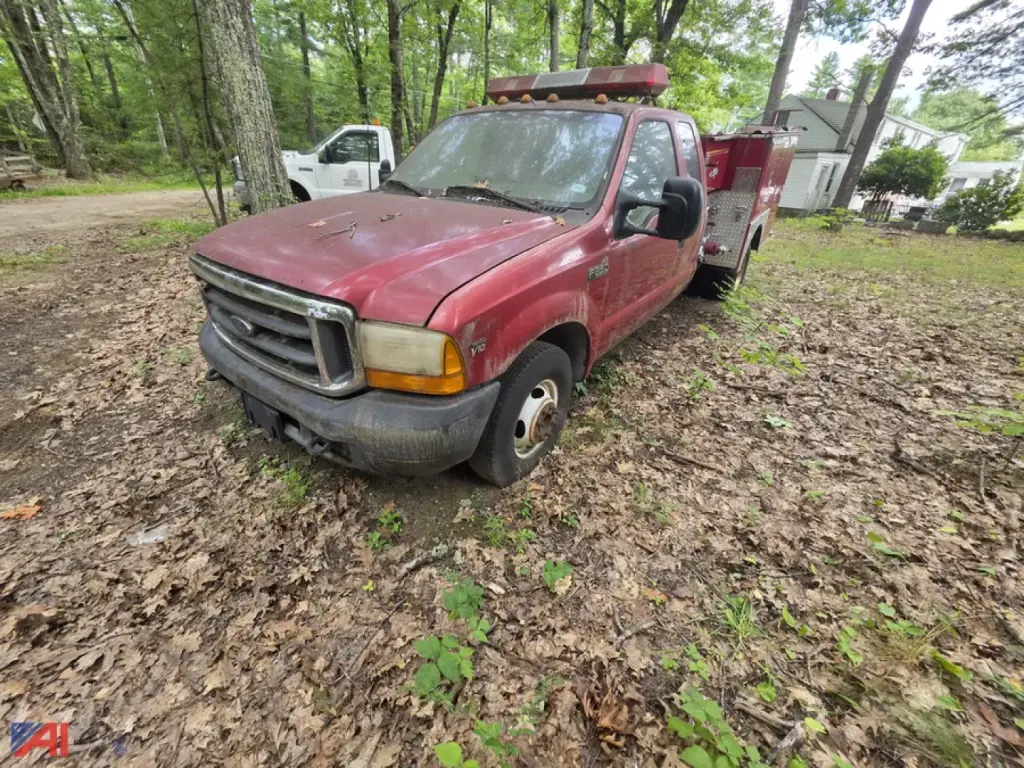

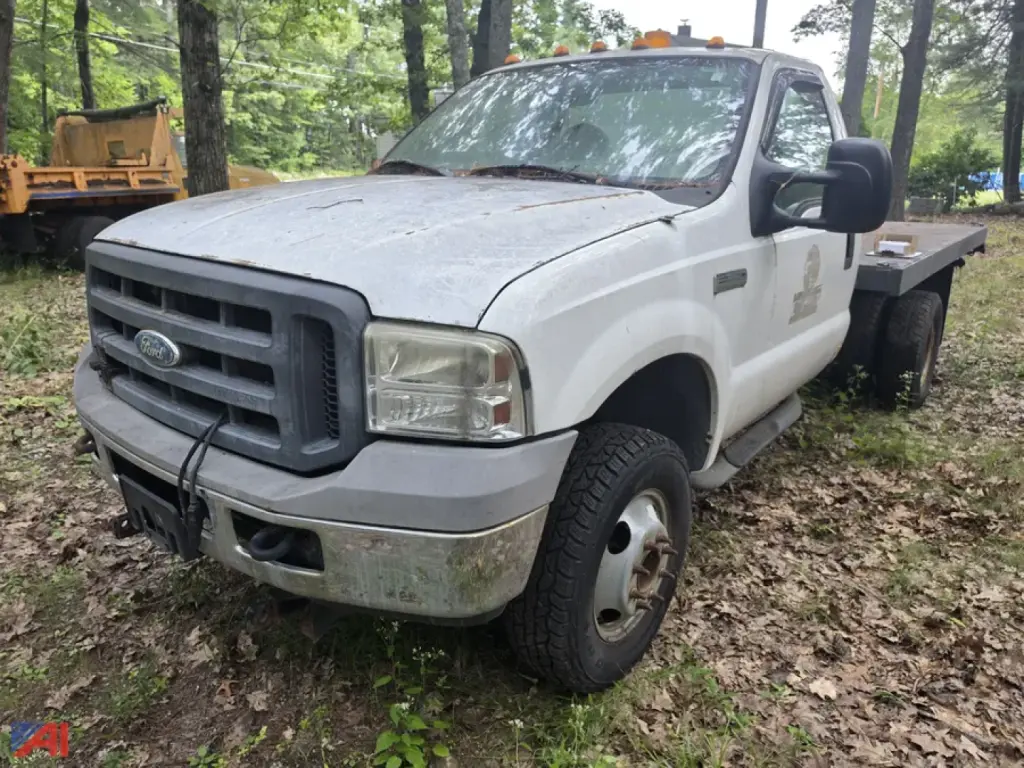
Have ford commercial truck to sell? List it here to reach thousands of buyers.
Ford Commercial Trucks in New Hampshire
Frequently Asked Questions about Ford Commercial Trucks in New Hampshire
What should I look for when buying a used Ford work truck in New Hampshire?
Start with the truck’s intended application and verify that the chassis matches the job. Check GVWR, axle ratings, cab-to-axle measurement, wheelbase, drivetrain, PTO provisions if needed, and whether the suspension and tires are appropriate for the body or equipment mounted on the truck. In New Hampshire, corrosion matters. Inspect frame rails, cab corners, brake and fuel lines, spring hangers, bed mounts, and underbody components for rust. On diesel trucks, review service history for injectors, turbo, emissions components, and cooling system work. On gas models, look at transmission behavior, exhaust manifold condition, and general maintenance records.
Are Ford Super Duty trucks suitable for commercial towing and wrecker work?
Yes, many Ford Super Duty chassis are widely used in towing, rollback, and light wrecker applications, especially F-350, F-450, and F-550 configurations. The right setup depends on the body, boom or carrier rating, wheel-lift requirements, front axle capacity, rear axle ratio, and whether the truck is 4x2 or 4x4. Buyers should confirm that the upfit was properly matched to the chassis and that the truck has the cooling capacity, brakes, suspension, and hitch or recovery equipment required for its class. Weight distribution and wheelbase are especially important on tow trucks because they affect stability and legal payload.
Is a gas or diesel Ford truck better for fleet use?
It depends on duty cycle, annual miles, idle time, and payload. Gas engines often make sense for local fleets that want lower acquisition cost, simpler maintenance, and shorter trip operation. Diesel engines are typically preferred for higher mileage, heavier towing, and sustained load work because of torque output and long-run efficiency. The tradeoff is higher repair exposure on older diesel emissions systems and generally higher component costs. Buyers should compare total operating cost, not just purchase price, and match the engine choice to real workload rather than maximum occasional demand.
Which Ford truck classes are most common for upfitting?
Ford chassis-cab trucks in the Super Duty range are among the most commonly upfitted commercial platforms. F-350 through F-550 models are frequently used for dump bodies, contractor beds, utility bodies, mechanics trucks, box bodies, flatbeds, landscape bodies, and snowplow packages. The key measurements are GVWR, rear axle capacity, cab-to-axle dimension, and wheelbase, because those determine what body lengths and equipment packages can be installed correctly. Buyers should also confirm electrical provisions, PTO capability where required, and whether any previous body installation altered the frame or mounting points.
How important is 4WD on a Ford commercial truck in New Hampshire?
For many buyers in New Hampshire, 4WD is a major advantage because of winter weather, muddy jobsites, steep access roads, and seasonal traction demands. It is especially valuable on tow trucks, plow trucks, service trucks, and contractor units that leave paved surfaces or operate year-round. The tradeoff is higher weight, more driveline complexity, and somewhat higher maintenance cost. If the truck will stay on-road with consistent payload and highway miles, a 4x2 configuration may offer better simplicity and payload efficiency. The right choice comes down to route conditions and how often traction limits the job.