
Ford Trucks For Sale in Maine
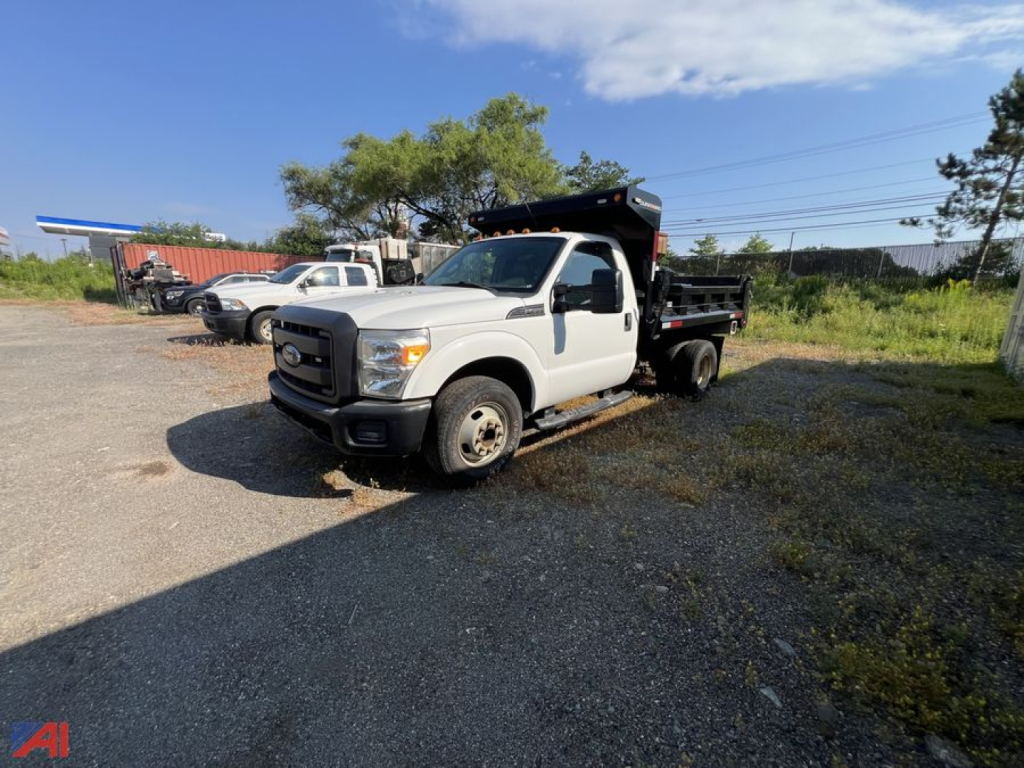
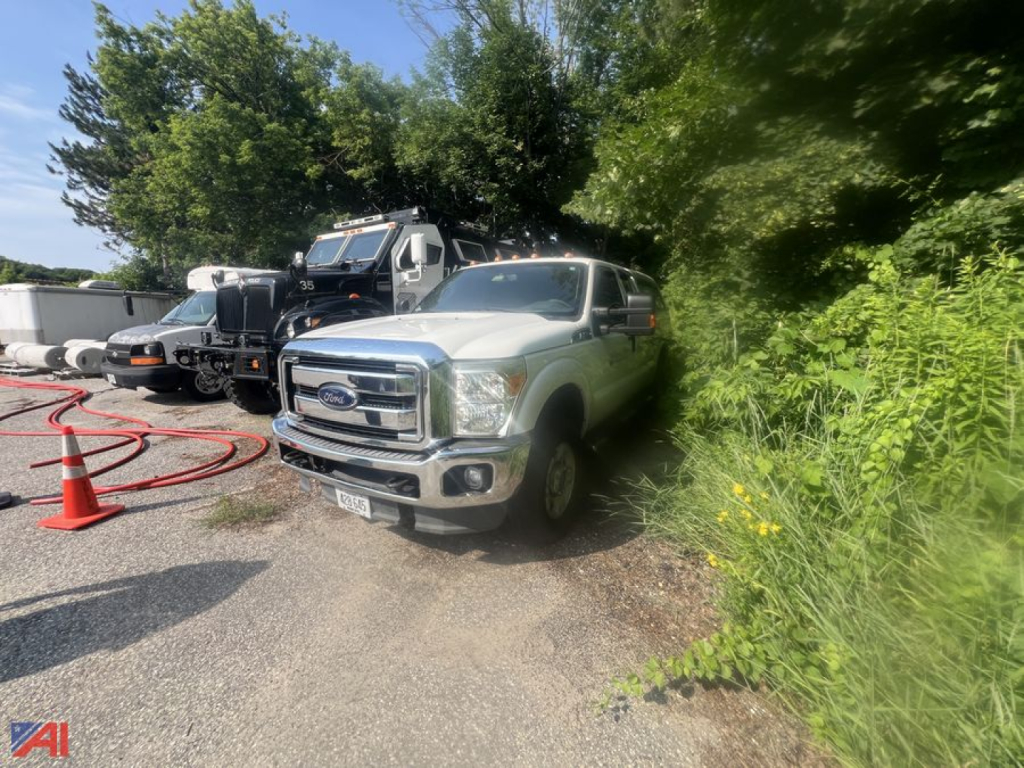
Browse Ford trucks for sale in Maine, including work trucks, vans, pickups, and chassis cabs built for delivery, service, towing, and fleet use.
Learn more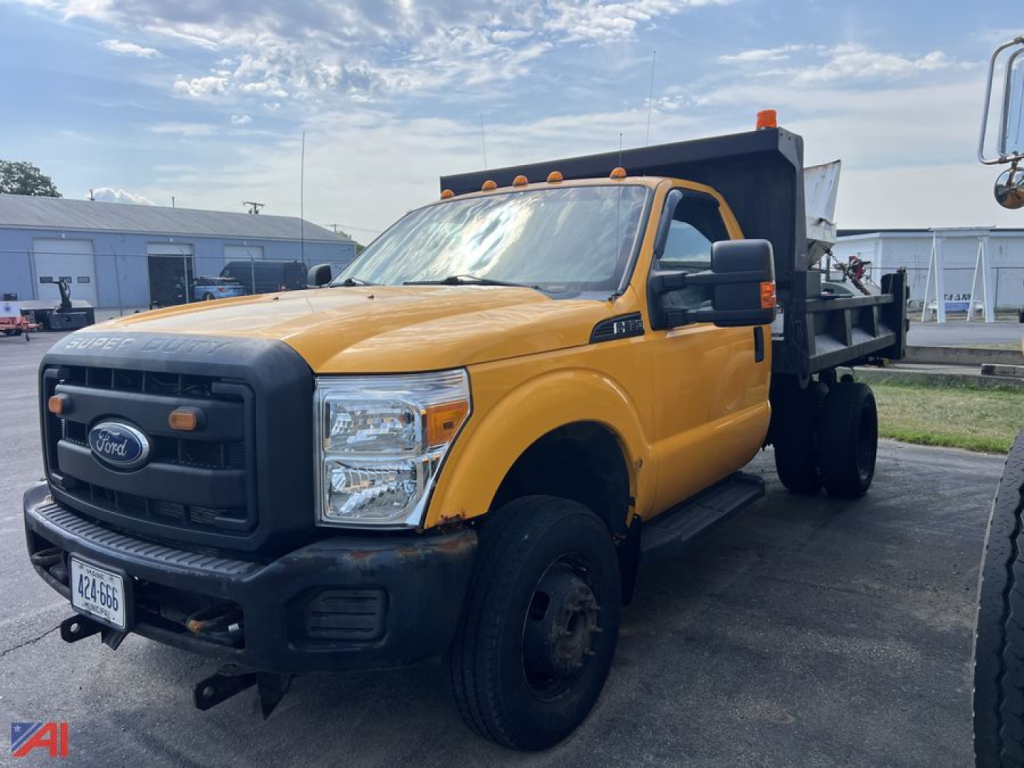
Have ford truck to sell? List it here to reach thousands of buyers.
About Ford Trucks in Maine
For Maine operators, corrosion condition matters as much as mileage. Road salt, coastal exposure, frame scale, cab corner rust, brake line condition, and bed or body mounting points deserve a close inspection. On four-wheel-drive Ford trucks, front end wear, locking hub operation, transfer case performance, and tire match are worth checking, especially on plow or municipal units. If the truck is a chassis cab or upfitted body, confirm axle ratings, spring capacity, PTO compatibility if needed, wheelbase, and how well the body spec matches the intended load. A truck that is right on paper can still be a poor fit if the body is undersized, overbuilt, or poorly installed.
Ford powertrain choices vary widely by model year, but commercial buyers typically compare gas versus diesel based on annual miles, idle time, towing frequency, and maintenance tolerance. Gas engines can make sense for local service routes and lower annual mileage. Diesel options are still favored for sustained towing, heavier payloads, and longer highway duty cycles. Transmission behavior under load, service history, cooling system condition, and signs of hard fleet use should all factor into value. On Transit vans, cargo length, roof height, rear door access, and shelving or partition layout matter more to many buyers than appearance alone.
A good Ford truck purchase usually comes down to matching the spec to the route and the body to the work. In Maine, that often means paying attention to snow-plow prep, trailer brake control, limited-slip or locking rear axle setups, and practical winter serviceability. Buyers comparing listings should look beyond model name and focus on GVWR, cab style, drivetrain, hitch or towing equipment, axle ratio, and any vocational upfit already on the frame. Those details determine whether a Ford work truck will be productive on day one or need expensive changes after purchase.
Frequently Asked Questions
What Ford truck models are most common in commercial use?
Ford commercial truck listings commonly include F-150 pickups, Super Duty models such as the F-250 through F-550, Transit cargo vans, and chassis cab trucks built for flatbed, utility, dump, box, or towing applications. The right model depends on payload, trailer weight, body requirements, and whether the truck will spend most of its time on jobsites, local delivery routes, or highway service calls.
What should a buyer inspect on a used Ford truck in Maine?
Rust and winter-related wear should be near the top of the list. Check the frame, crossmembers, brake and fuel lines, suspension mounts, cab corners, rocker panels, bed supports, and body attachment points. On four-wheel-drive units, inspect front axle components, steering wear, transfer case operation, and signs of plow stress. Service records, tire condition, and any warning lights or transmission shift issues also matter.
Is a gas or diesel Ford truck better for commercial work?
Gas engines are often the practical choice for lighter duty cycles, lower annual mileage, and local stop-and-go service because they usually cost less to buy and can be simpler to maintain. Diesel power is often preferred for heavier towing, longer runs, and higher load factors because it delivers strong low-end torque and can be better suited to sustained commercial use. The better choice depends on how the truck will actually be worked, not just badge preference.
Why do Transit vans appear in Ford truck listings?
Many buyers shop Transit vans alongside pickups and chassis cabs because they fill the same commercial role in delivery, contractor, service, and fleet operations. A Transit can provide enclosed cargo security, standing room in higher-roof configurations, and better organization for tools and parts than an open-bed pickup. For some operations, the van is the more efficient work-truck platform.
What specs matter most when comparing Ford work truck listings?
GVWR, cab style, drivetrain, wheelbase, axle ratio, towing equipment, body type, and upfit quality are the specs that usually drive real-world usefulness. Buyers should also confirm payload ratings, rear axle capacity, bed or cargo dimensions, and any vocational equipment such as plow prep, PTO provisions, ladder racks, shelving, or trailer brake controls. These details affect productivity more than cosmetic condition alone.