
Ford Commercial Trucks For Sale in Colorado
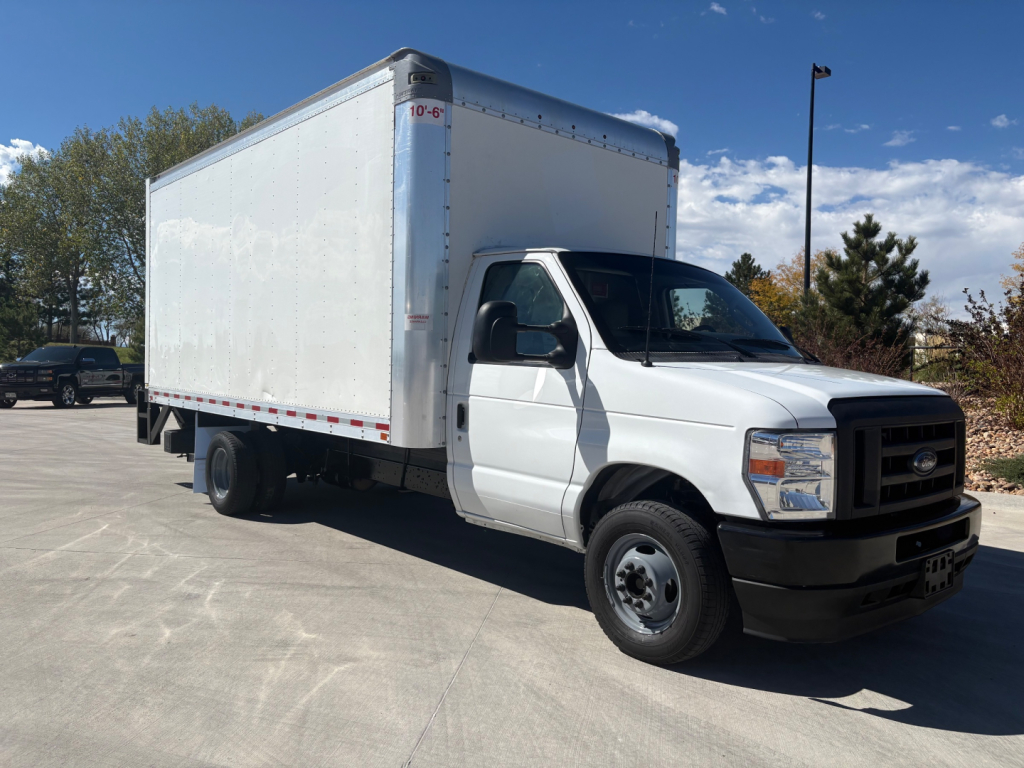
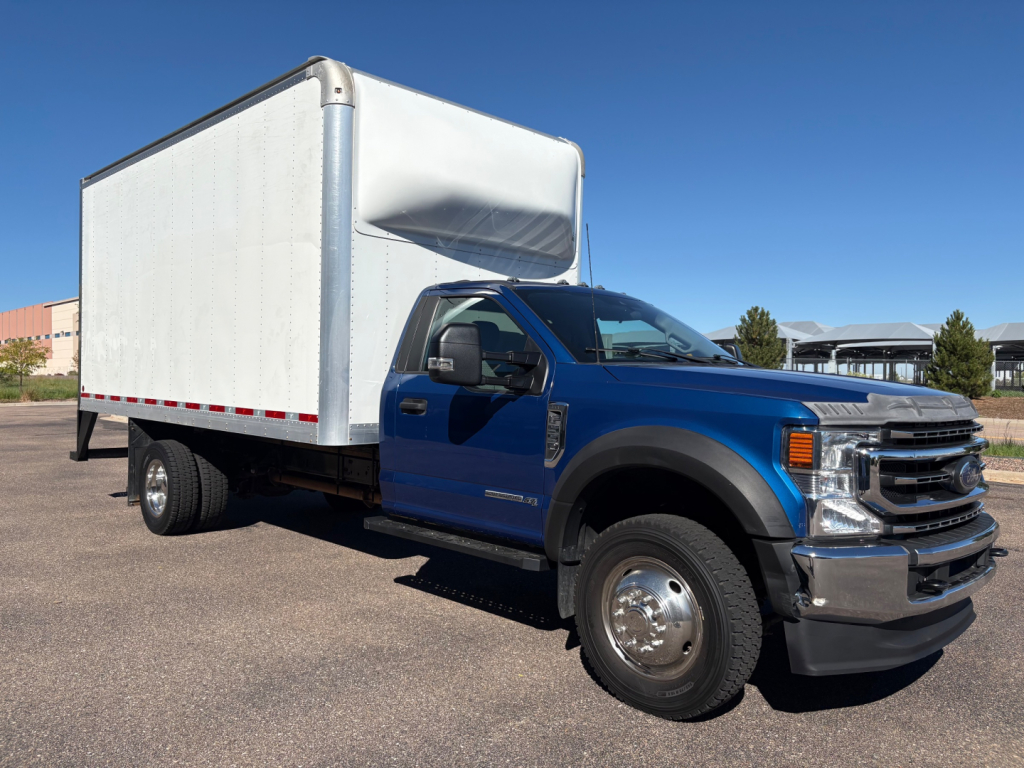
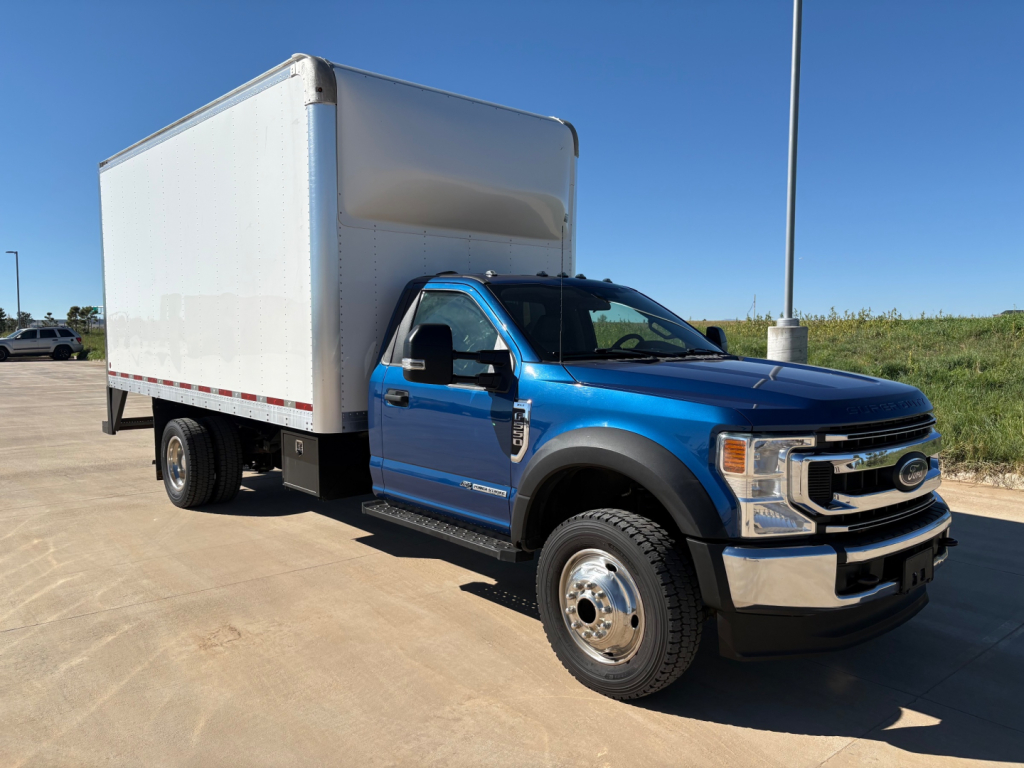
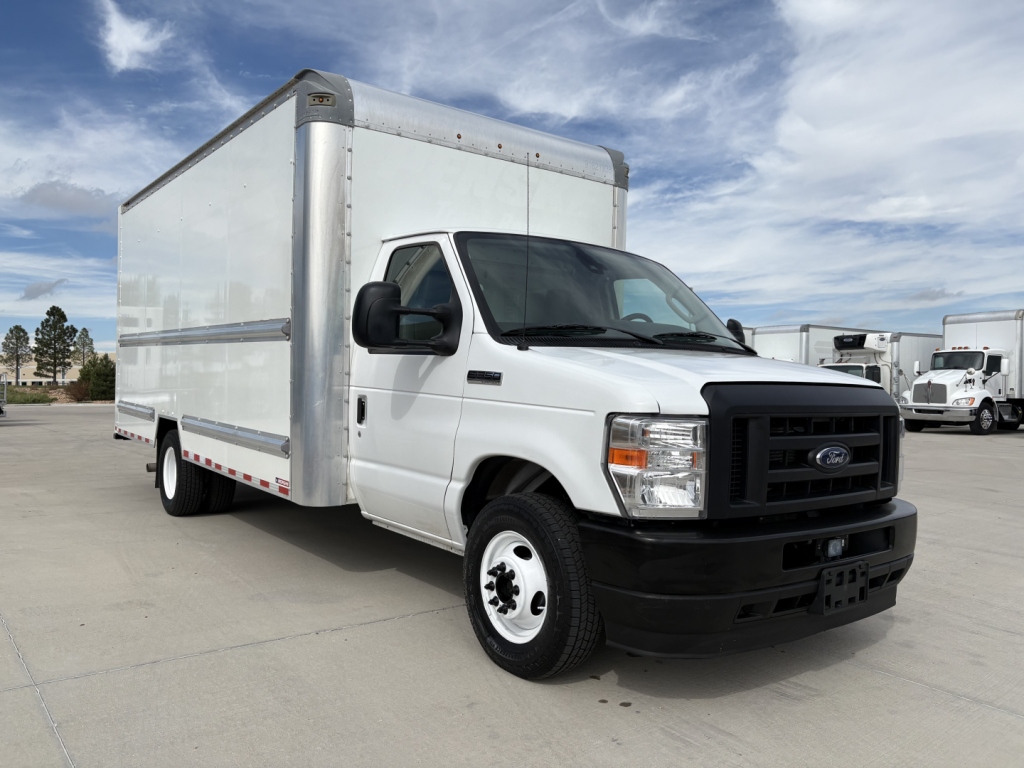
Shop Ford trucks for sale in Colorado, including box trucks, service trucks, cutaways, and pickups built for delivery, trade, and fleet work.
Selling a ford commercial truck? List your ford commercial truck for sale and reach thousands of commercial buyers.
Ford Commercial Trucks in Colorado
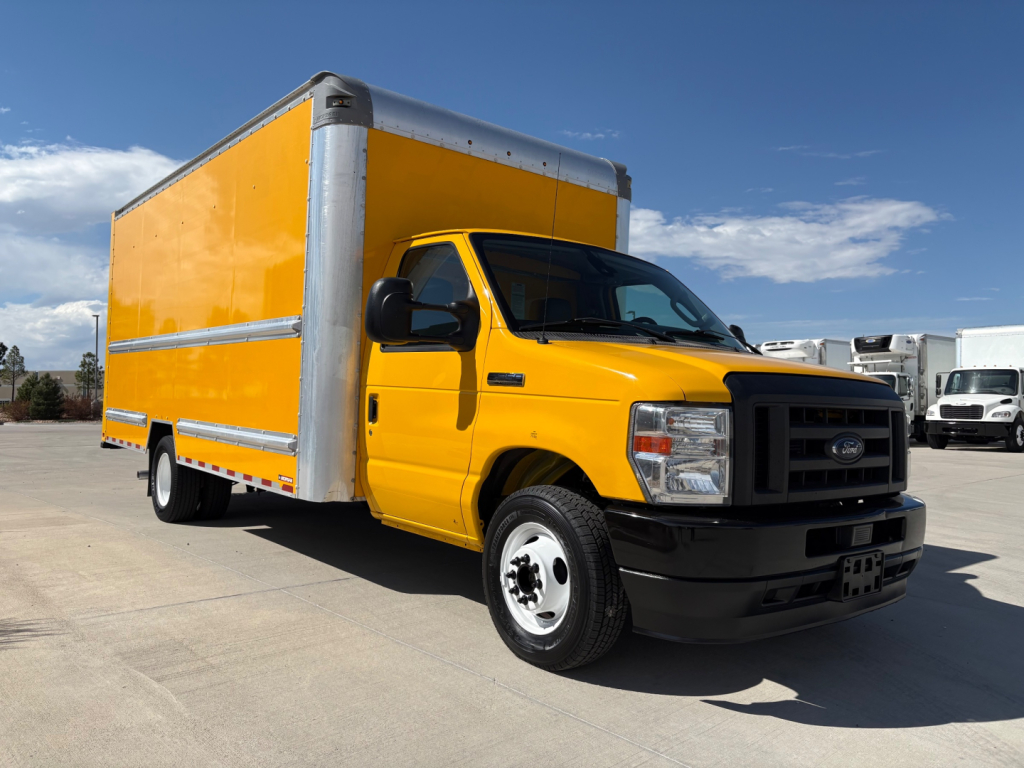
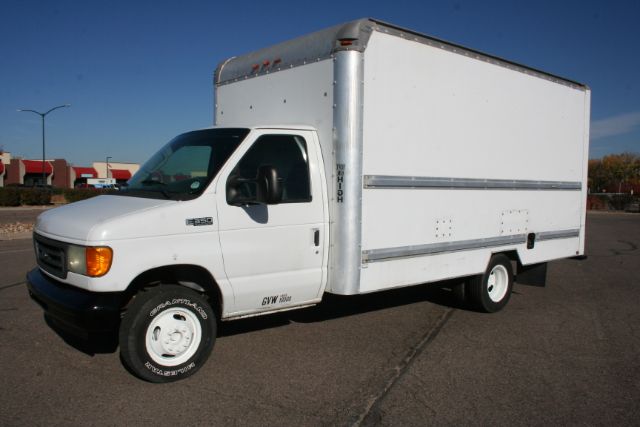
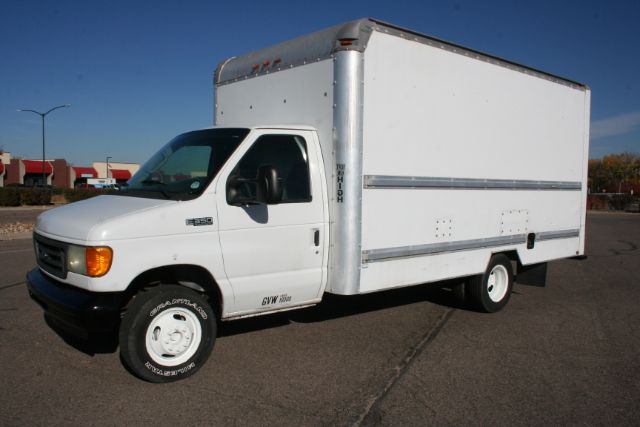
For front range and mountain use, powertrain and GVWR matter more than badge alone. Gas V8 and V10 Ford engines are common in older commercial units, especially E-350 and F-350 applications, and they remain attractive for fleets that want simpler emissions systems and easier service access. Transmission condition, rear axle ratio, cooling system health, and brake performance deserve close attention on Colorado trucks that see elevation changes, stop-and-go driving, or extended idle time. On box trucks and moving vans, buyers should also inspect body integrity, floor condition, roll-up door operation, ramp design, roof translucency, and signs of water intrusion around the front cap and corners.
Service and utility body buyers should focus on upfit quality as much as the truck itself. Reading-style service bodies, compressor setups, drawer packs, vises, inverters, and jobsite lighting can add real value if the installation is clean and the chassis has been maintained to match the workload. Check spring capacity, dual rear wheel configuration where applicable, PTO or auxiliary equipment operation, and tire wear patterns that may point to alignment or overload issues. In urban Colorado markets, wheelbase, turning radius, and overall body length can be just as important as horsepower when the truck will spend its life in alleys, jobsite entrances, and tight commercial lots.
Ford remains a practical choice in the used commercial truck market because parts availability, technician familiarity, and broad body-builder support are strong. That matters on trucks used for delivery routes, moving work, electrical and plumbing service, HVAC fleets, and general trades. A good Ford commercial truck is less about a single model name and more about matching the chassis, body, engine, and service history to the job. Buyers comparing listings should weigh GVWR, cargo access, cab configuration, maintenance records, and the condition of any installed equipment before focusing on appearance alone.
Frequently Asked Questions about Ford Commercial Trucks in Colorado
What Ford truck models are most common in commercial use?
Ford commercial listings often include F-Series pickups such as the F-250, F-350, and heavier chassis cab variants, along with E-Series cutaway vans and box truck configurations like the E-350. The right choice depends on the body and workload. Pickup-based trucks are common for service, towing, and contractor use, while cutaway and box configurations are more common for delivery, moving, and route-based operations.
Is a Ford E-350 a good choice for a box truck or moving van?
A Ford E-350 is a common platform for 12 ft. to 16 ft. box trucks and moving vans because it offers a manageable size, familiar gas powertrains, and good service access. It fits local delivery, furniture moves, mobile storage, and light fleet use well. Buyers should verify actual GVWR, body length, ramp type, rear door condition, and overall box condition rather than assuming all E-350 units are equipped the same way.
What should I inspect first on a used Ford service truck?
Start with the chassis condition, engine performance, transmission operation, brake feel, steering play, and suspension wear. Then inspect the service body closely for rust, damaged compartment doors, broken latches, wiring issues, and signs that onboard equipment such as compressors or lighting was added poorly. A service truck's value is heavily tied to the condition and usefulness of the upfit, not just the cab and drivetrain.
Are gas-powered Ford commercial trucks a good fit for Colorado fleets?
Gas-powered Ford commercial trucks can be a strong fit for Colorado fleets that run local routes, shorter duty cycles, or applications with frequent idling. Older gas V8 and V10 platforms are often favored for simpler maintenance and lower emissions-system complexity compared with some diesel applications. In higher elevations and mountain corridors, cooling system condition, transmission health, and brake performance are especially important because grades and temperature swings put added stress on the truck.
How do I choose between a Ford pickup chassis and a Ford cutaway or box truck?
Choose a pickup chassis when the work requires open-bed access, trailer towing, off-pavement capability, or a service body with easier access to tools and materials. Choose a cutaway or box truck when enclosed cargo volume, weather protection, and route efficiency matter more. The decision usually comes down to payload, cubic capacity, loading method, parking constraints, and how often the truck operates in tight urban areas versus construction sites or rural service territory.