
2015 Ford Commercial Trucks For Sale
Compare 2015 Ford trucks for sale from F-150 to F-750. Review engines, towing, GVWR, cab-chassis specs, emissions systems, and upfit readiness.
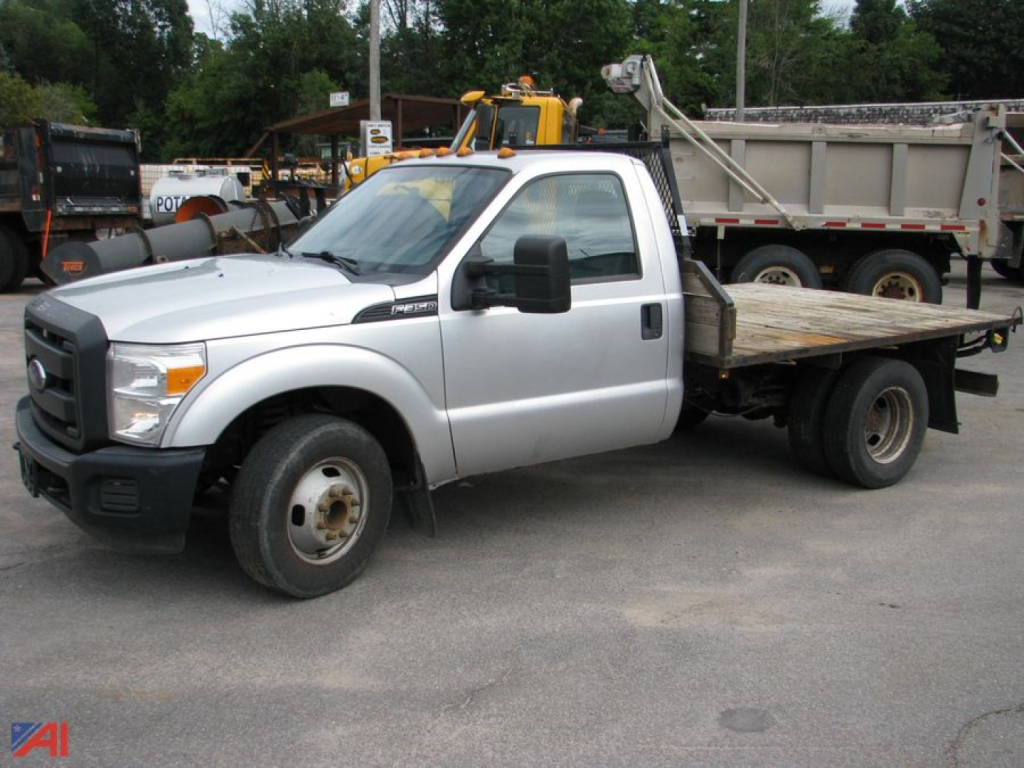
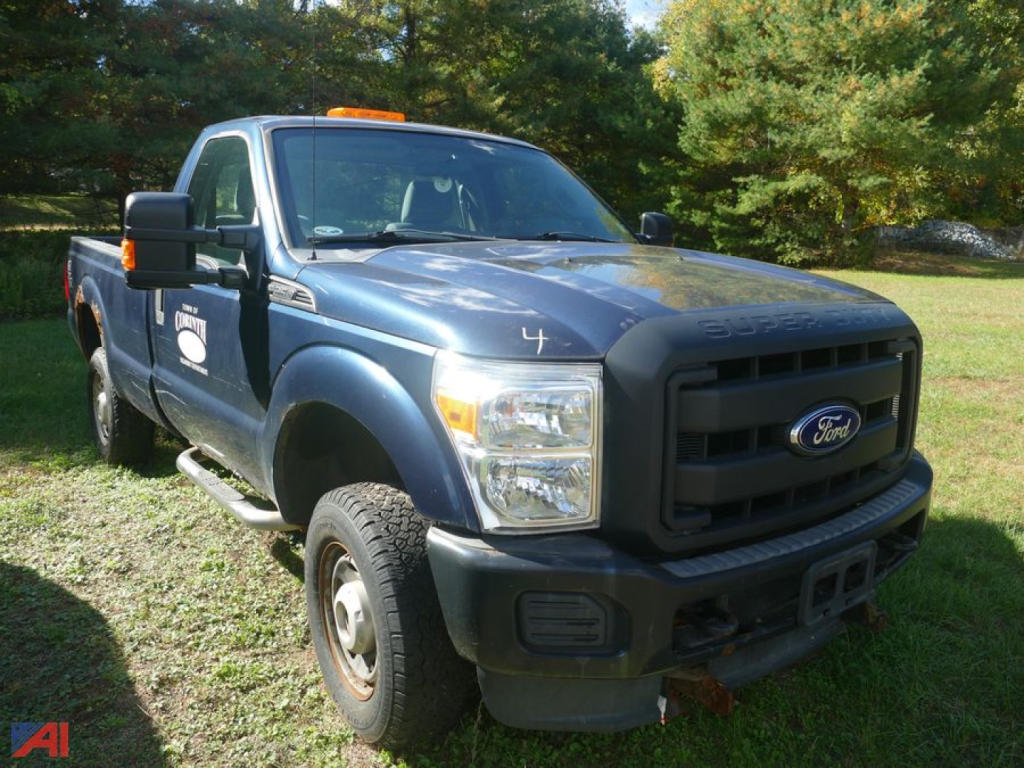
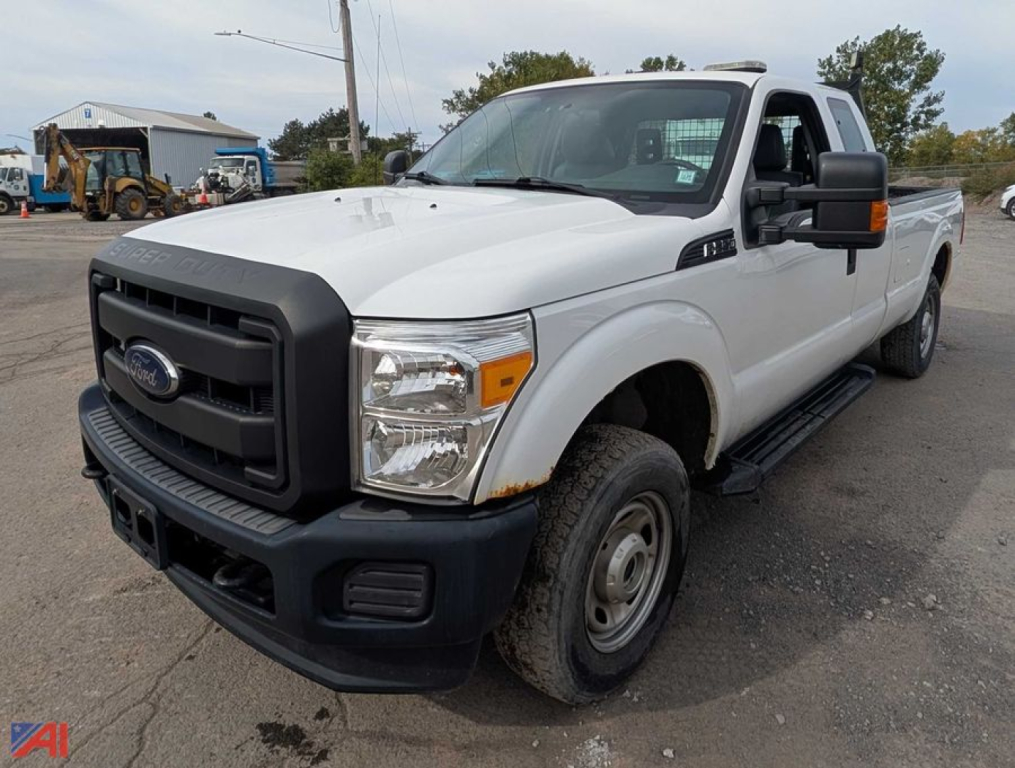
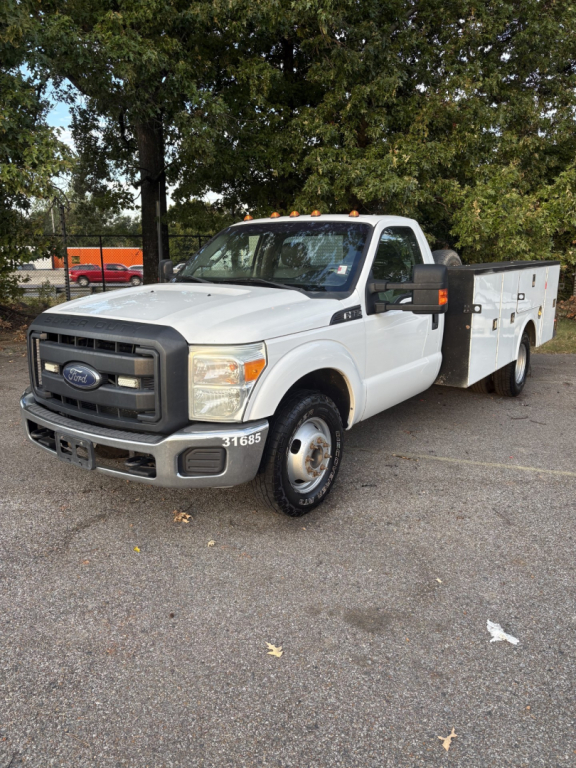

Selling a 2015 ford commercial truck? List your 2015 ford commercial truck for sale and reach thousands of commercial buyers.
2015 Ford Commercial Trucks
Half-ton buyers get a very different value story. The 2015 F-150 introduced the aluminum-intensive body that trimmed hundreds of pounds, improving payload and braking distances while resisting corrosion. Engines include the 2.7L EcoBoost, 3.5L EcoBoost, 3.5L V6, and 5.0L V8, all with a 6-speed automatic. Properly configured 3.5L EcoBoost trucks can tow in the 11k to 12k lb range, but axle ratio, wheelbase, and integrated trailer brake controller matter as much as engine choice. Crew cab vs SuperCab, 5.5 vs 6.5 vs 8.0 ft bed, and 2WD vs 4x4 determine payload, turning radius, and curb weight. Look for Max Tow or Heavy Duty Payload packages if your use case leans hard on tongue weight or frequent grade pulls.
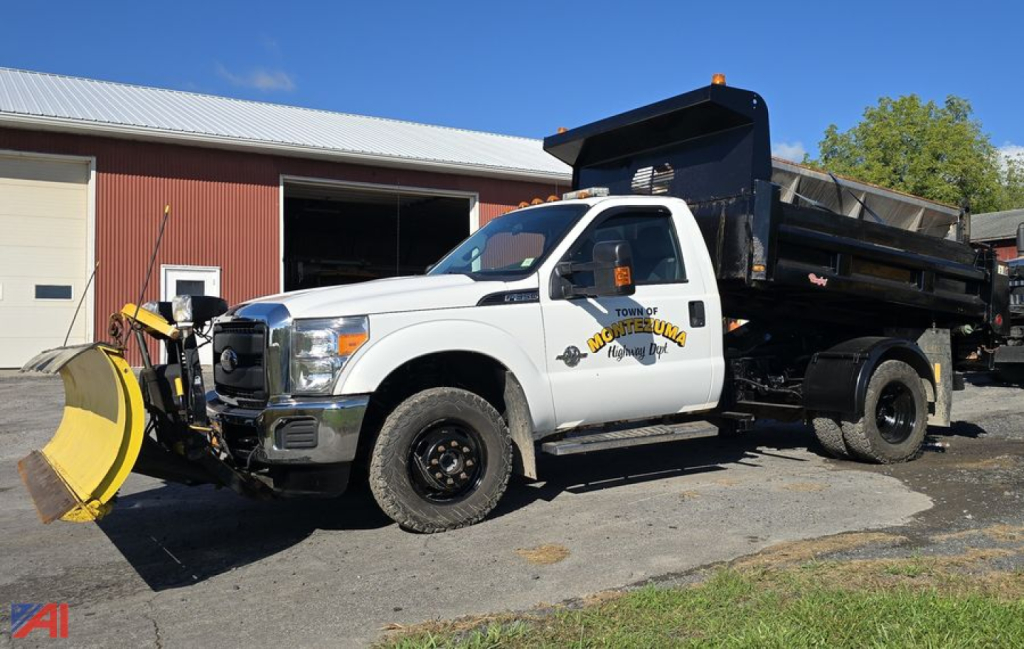
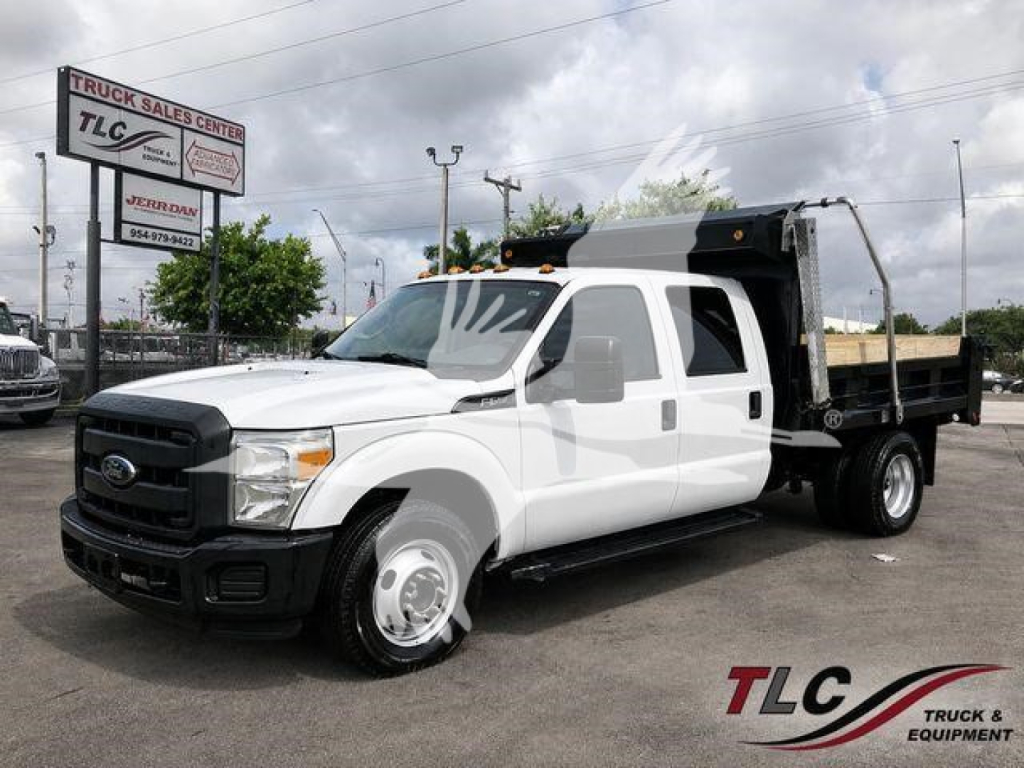
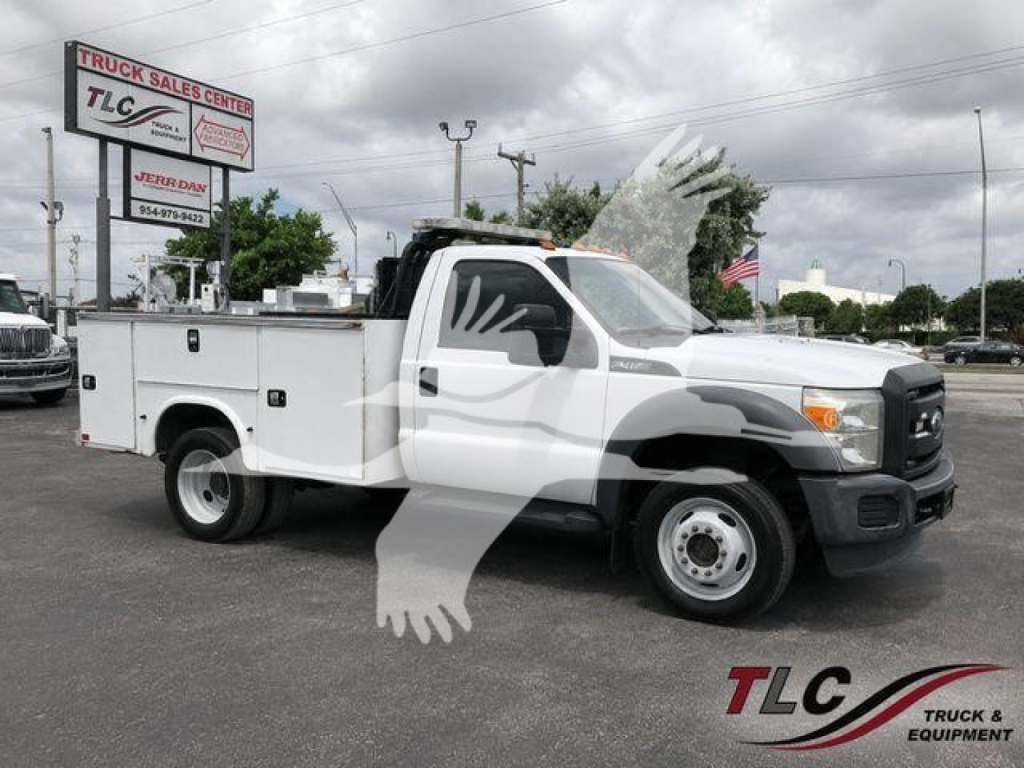
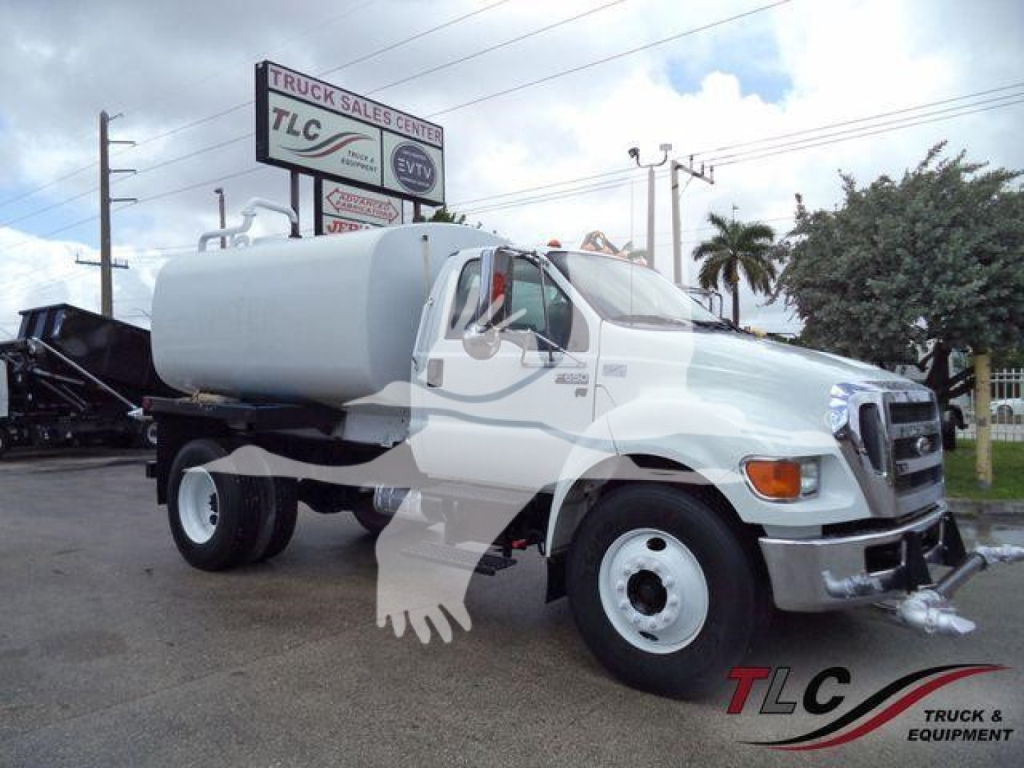
For vocational work, 2015 Super Duty F-350 to F-550 cab-and-chassis units and 2015 F-650 to F-750 cover most upfit needs. Focus on frame RBM and section modulus for bodies like dumps, service, utility, rollback, and box bodies. Wheelbase and CA/CT dimensions must match the intended body length and weight distribution. Air versus hydraulic brakes, spring versus air-ride suspension, 19.5 vs 22.5 tires, dual vs single rear wheel, and PTO provisions on the transmission all affect operating cost and driver comfort. Allison automatics in the medium-duty segment are popular for stop-and-go and towing consistency, while manuals can offer lower upfront cost if your routes are steady-state.
Inspect according to duty cycle. For diesels, review oil and coolant analysis, injector and turbo history, EGR and DPF service, and any derate events. For Super Duty front ends, check ball joints, track bar bushings, and steering gear play. On F-150 aluminum bodies, verify panel repair quality and bed corrosion protection around fasteners. Confirm axle ratio, locker or limited-slip, factory 5th-wheel or gooseneck prep where applicable, and upfit wiring integrity. Regional considerations matter too: cold-climate trucks benefit from block heaters and battery maintenance logs, while hot-climate fleets should show transmission service and cooling system attention. Matching powertrain, gearing, and braking to your actual payload and route profile is the fastest way to control total cost of ownership in this model year range.
Frequently Asked Questions about 2015 Ford Commercial Trucks
Which 2015 Ford truck engine is best for towing and GCWR?
For conventional and 5th-wheel towing, the 6.7L Power Stroke in Super Duty delivers the strongest combination of torque, integrated exhaust brake, and thermal capacity. In half-ton F-150s, the 3.5L EcoBoost outpulls the 5.0L V8 in most grades due to low-end torque, provided the truck has the right axle ratio and tow package. In medium-duty F-650 and F-750, the Cummins ISB 6.7 paired with an Allison 3000 is a proven setup for frequent stop-start and heavy body loads.
What GVWR and axle setup should I look for on a 2015 Ford cab-and-chassis?
Start with the fully outfitted curb weight of your body and tools, then back into payload and axle ratings. F-350 to F-550 typically cover 13k to 19.5k GVWR with 19.5-inch rubber, while F-650 to F-750 step into the mid 20k to mid 30k GVWR range with 22.5-inch tires. Dual rear wheels increase stability and payload for cranes, dumps, and box bodies. Choose axle ratios that balance launch under load with cruise rpm on your primary highway speeds.
What emissions systems are on 2015 Ford diesel trucks and what should I inspect?
2015 diesel F-Series and medium-duty trucks use a combination of EGR, diesel oxidation catalyst, diesel particulate filter, and SCR with DEF injection. Review service records for DPF cleanings, doser and NOx sensor replacements, and any forced regen frequency. Inspect for exhaust leaks ahead of aftertreatment, check DEF tank heaters and level sensors, and scan for stored emissions codes. A clean regen history aligned with route profile is a good reliability indicator.
Are 2015 F-150 aluminum bodies durable and how do repairs affect value?
The aluminum body resists rust and helped increase payload, but repair technique matters. Look for documentation on panel replacement vs pull-and-fill methods, proper isolation of dissimilar metals at fasteners, and factory-like seam sealing. Quality repairs retain value and corrosion resistance, while poor repairs can lead to paint adhesion issues or galvanic corrosion around hardware.
Which transmissions are common on 2015 Ford medium-duty trucks and how do they differ?
Most 2015 F-650 and F-750 units run Allison 2000- or 3000-series automatics that excel in vocational stop-start duty and offer PTO options. Some trucks use Eaton manual gearboxes, which can reduce acquisition cost and suit steady-state routes. In Super Duty, the 6-speed TorqShift automatic is standard and widely supported for PTO and towing applications.