
2013 Ford Commercial Trucks For Sale
Shop 2013 Ford trucks for sale, including pickups, chassis cabs, service trucks, tow trucks, and work-ready commercial Ford models.
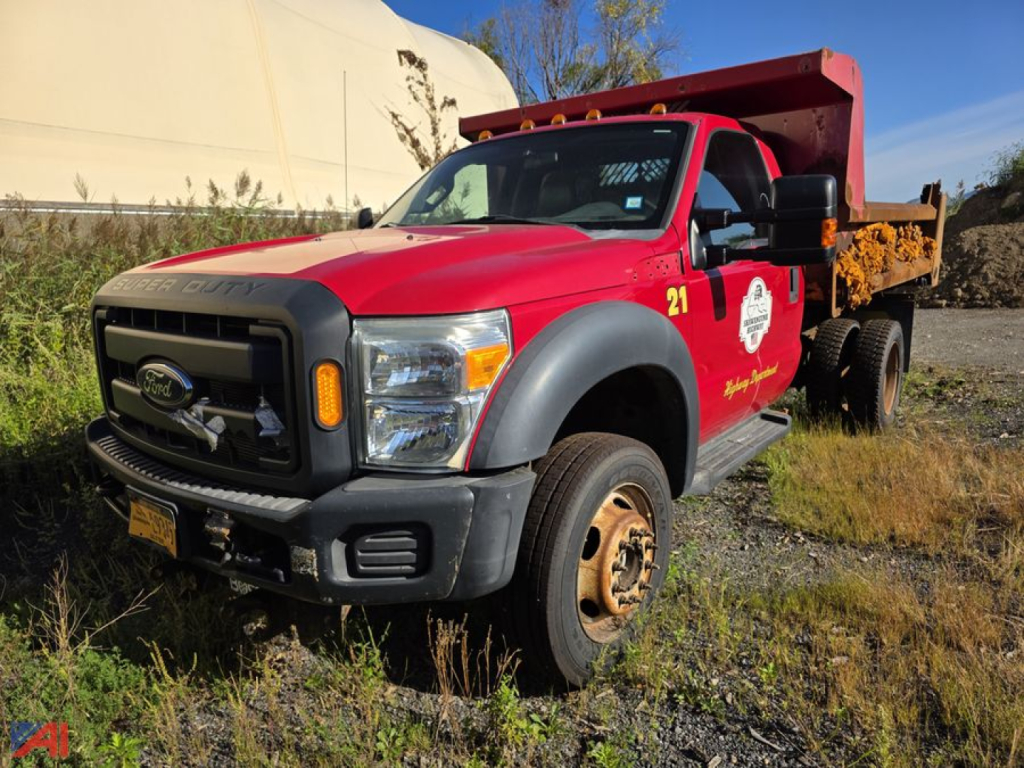
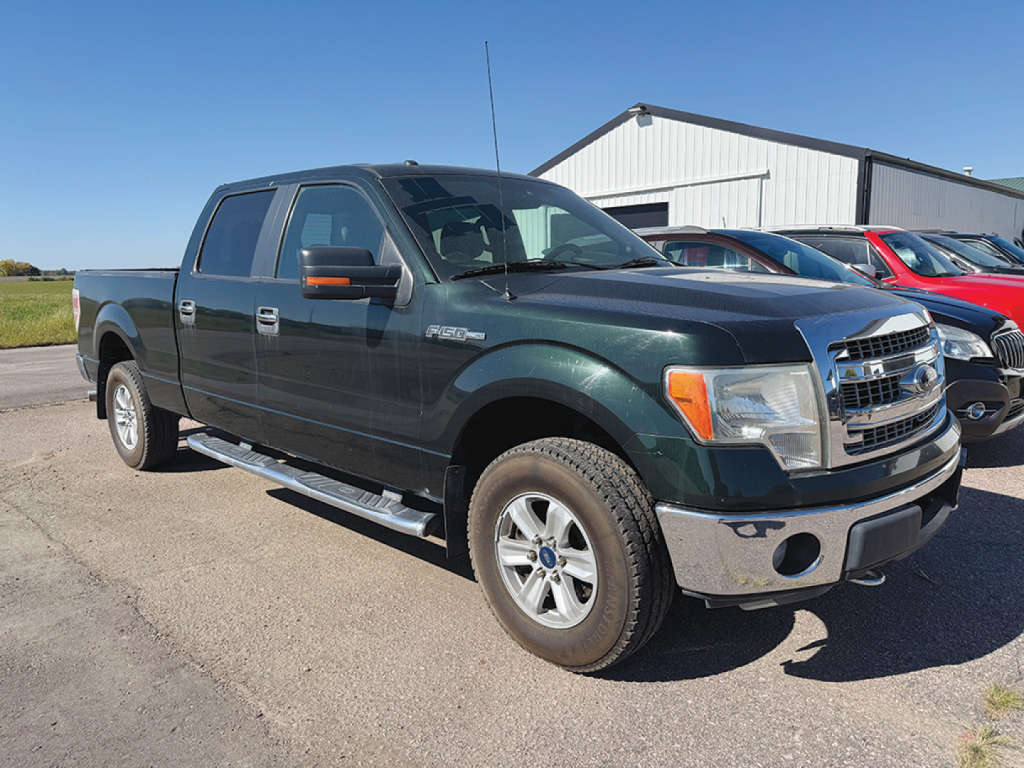
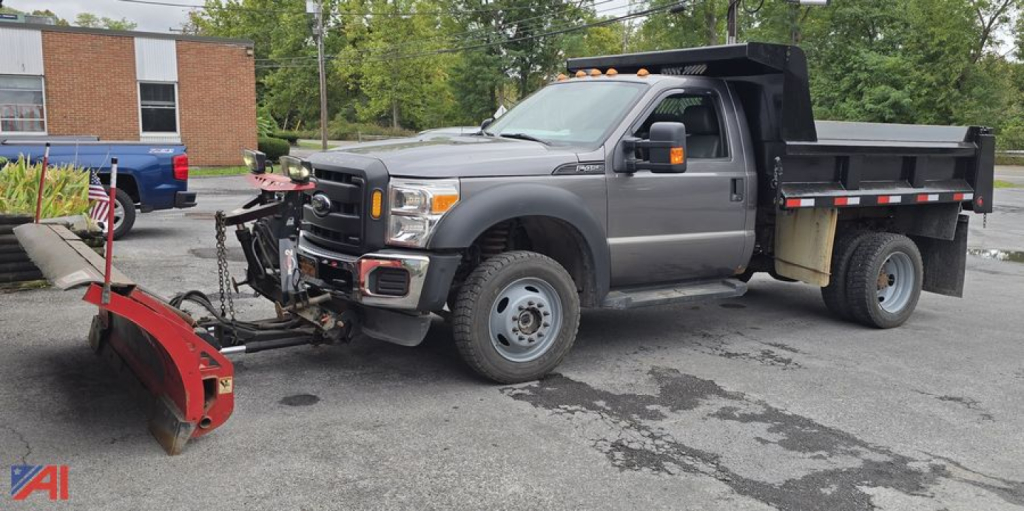
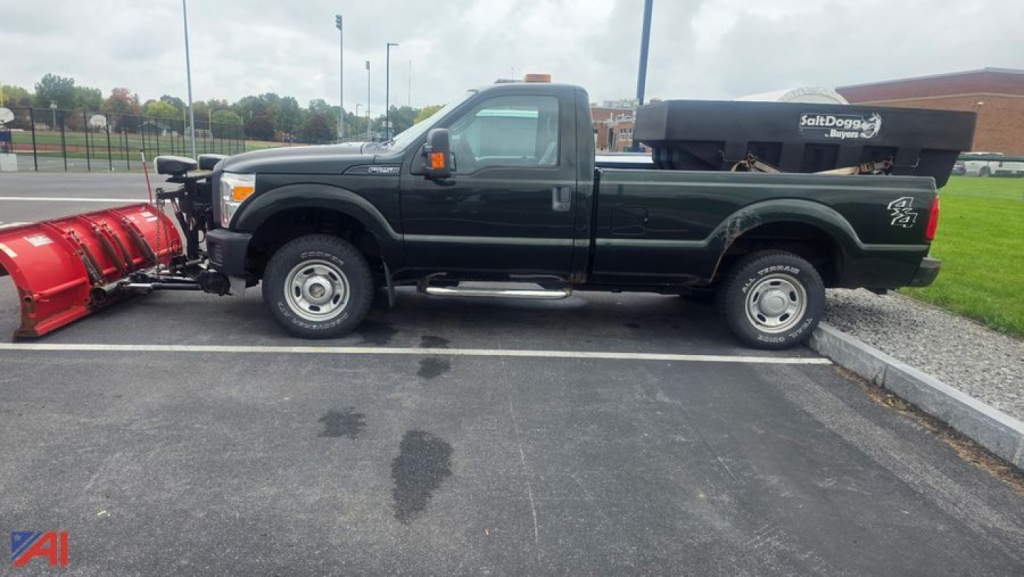
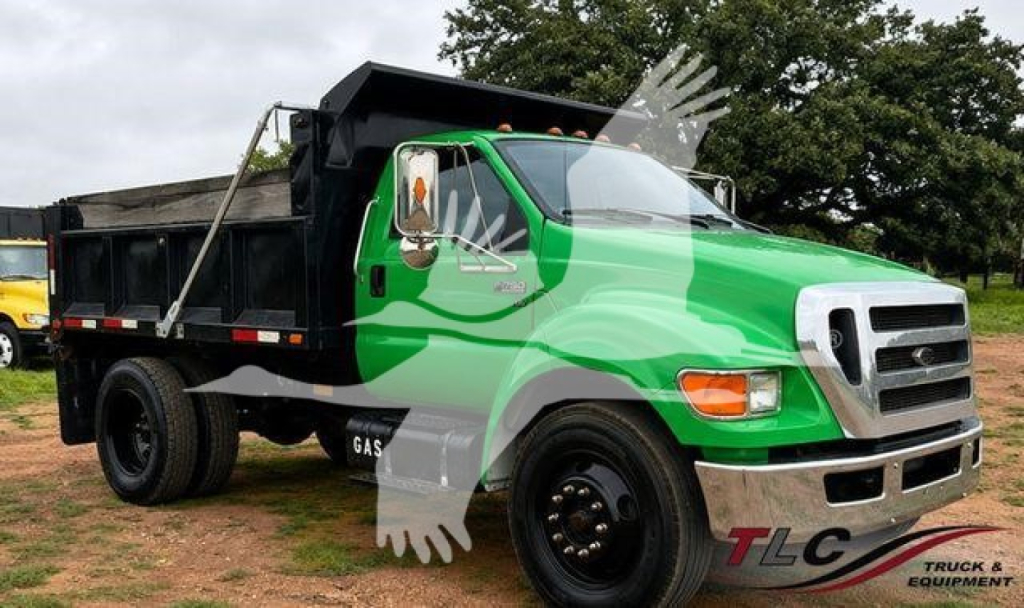
Selling a 2013 ford commercial truck? List your 2013 ford commercial truck for sale and reach thousands of commercial buyers.
2013 Ford Commercial Trucks
On diesel-equipped 2013 Ford Super Duty models, the 6.7L Power Stroke V8 is the engine most buyers focus on. It is widely used in towing, utility, municipal, and contractor applications because it delivers strong low-end torque and good compatibility with heavier GVWR classes. Gas V8 configurations also exist and can make sense for shorter-route work, lighter annual mileage, or fleets that want simpler emissions-related maintenance. Transmission type, rear axle ratio, 4x2 versus 4x4, and cab style all have a direct effect on how the truck performs in real service. Regular cab trucks often show up in chassis cab and fleet roles, while SuperCab and Crew Cab setups are more common when extra passengers, tools, or crew access are part of the job.
Buyers comparing 2013 Ford trucks should pay close attention to how the truck is equipped today, not just what model badge is on the fender. A 2013 Ford F-450 configured as a tow truck, service truck, or flatbed can be a very different asset than a pickup-bodied F-350. Check GVWR class, wheelbase, body length, hitch type, brake controller, auxiliary switches, PTO provisions, suspension condition, and tire date codes. On used commercial units, the upfit itself is just as important as the chassis. Service bodies should be checked for compartment corrosion, latch condition, and inverter or compressor integration. Wreckers should be evaluated for boom ratings, wheel-lift wear, hydraulic operation, and winch condition. Chassis cabs should be reviewed for frame integrity, prior body removal, and any drilling or modifications behind the cab.
A well-matched 2013 Ford truck still fits a broad range of applications including towing, field service, construction support, delivery, municipal work, and general fleet duty. Ford’s Super Duty lineup from this period remains popular because parts availability is strong, body and equipment compatibility is broad, and most technicians are familiar with the platform. For a buyer sorting through multiple listings, the smartest approach is to match the truck’s axle capacity, drivetrain, and existing upfit to the actual job cycle. The right 2013 Ford truck is not just about mileage or appearance. It is about how well the chassis, powertrain, and body are aligned with the work it needs to do.
Frequently Asked Questions about 2013 Ford Commercial Trucks
What are the most common 2013 Ford truck models used in commercial applications?
The most common commercial 2013 Ford trucks are the F-250, F-350, F-450, and F-550 Super Duty models. The F-250 and F-350 are often used as pickups or lighter service units, while the F-450 and F-550 are more commonly found as chassis cabs with utility bodies, tow bodies, flatbeds, dumps, and other vocational upfits. The right model depends on GVWR, payload needs, towing requirements, and the body or equipment mounted on the frame.
Is the 6.7L Power Stroke a common engine in 2013 Ford work trucks?
Yes. The 6.7L Power Stroke diesel is one of the most common and desirable engines in 2013 Ford Super Duty work trucks. It is especially popular in heavier towing and fleet applications because it provides strong torque and good performance under load. Buyers should still review maintenance records, emissions system condition, idle hours if available, and any history of fuel system or turbocharger repairs, since service history matters as much as engine type on a used commercial truck.
What should I inspect on a 2013 Ford chassis cab or upfitted work truck?
Start with the basics of the chassis, including frame condition, rust, spring and suspension wear, brake life, tire condition, steering play, and axle ratings. Then inspect the vocational equipment closely. On service trucks, check compartment floors, door latches, seals, drawer systems, and any onboard compressor or generator. On tow trucks, inspect hydraulic cylinders, hoses, winches, wheel-lift operation, and recovery gear. On any chassis cab, confirm wheelbase, cab-to-axle measurement, and that the upfit was mounted correctly without compromising frame strength.
Are 2013 Ford trucks better suited for pickup use or vocational fleet work?
They can serve both roles, but many 2013 Ford trucks on the market are especially well suited for vocational work because the Super Duty platform was widely used for upfits and commercial bodies. Pickup versions work well for towing, supervisor use, and mixed personal-business duty. Chassis cab versions are a better fit for dedicated commercial applications where body selection, payload capacity, and equipment integration are the priority.
How important is drivetrain choice on a 2013 Ford truck?
Drivetrain choice is a major buying factor. A 4x2 truck usually offers lower weight, less complexity, and can work well in highway or urban service. A 4x4 truck is more useful for construction sites, utility work, snow regions, and off-pavement access. Rear axle ratio, limited-slip setup, and transmission pairing also affect towing response, launch under load, and fuel economy, so the best drivetrain is the one matched to the truck’s actual route and job cycle.