
2009 Ford Commercial Trucks For Sale
Browse 2009 Ford trucks for sale, including Super Duty, medium-duty, service, dump, and flatbed configurations for commercial use.
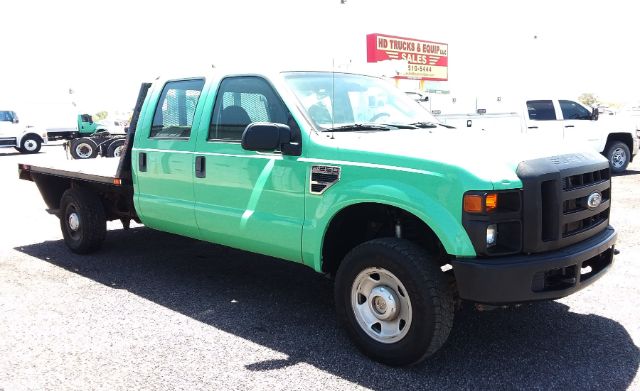

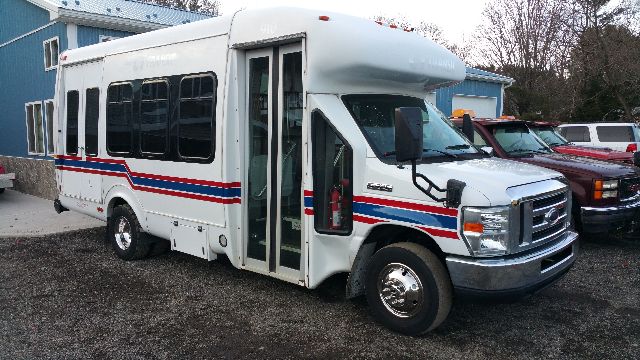
Selling a 2009 ford commercial truck? List your 2009 ford commercial truck for sale and reach thousands of commercial buyers.
2009 Ford Commercial Trucks
On 2009 Ford Super Duty models, buyers often focus first on powertrain. Diesel and gas options both exist in this model year, and each fits a different duty cycle. Diesel trucks are typically preferred for heavier towing, frequent hauling, and applications where low-end torque matters, while gas-powered units can make sense for lower annual mileage, simpler maintenance, or local fleet work. Transmission type, rear axle ratio, 2WD versus 4x4, and suspension condition all have a direct effect on drivability and operating cost. On chassis cab trucks, it is also smart to confirm PTO provisions, brake condition, frame integrity, and whether the upfit was installed to match the truck’s axle and weight ratings.
A used 2009 Ford work truck should be evaluated as both a truck and a vocational package. Body condition, hoist operation, hydraulic leaks, compartment integrity, hitch setup, electrical connections, and signs of overload are just as important as engine hours or odometer miles. Rust is a major buying factor on this generation, especially on frames, cab corners, beds, spring hangers, brake lines, and underbody-mounted equipment in northern climates. If the truck has a utility body, inspect door alignment, latch function, and compartment floor corrosion. If it is a dump or flatbed, check the subframe, hoist mounts, floor thickness, and rear apron area for hard-use damage.
For buyers comparing multiple 2009 Ford trucks for sale, the best value usually comes from matching the truck’s original configuration to the job instead of planning a major conversion after purchase. An F-350 or F-450 may be right for lighter service work or towing, while an F-550 or medium-duty Ford can be a better fit for heavier bodies, plows, dumps, or constant payload demands. A clean title, documented maintenance, working emissions equipment where applicable, and a properly sized body often matter more than cosmetic appearance. The strongest candidates in this category are trucks with clear vocational history, correct GVWR for the job, and specifications that support the payload, trailer weight, and road conditions they will see every day.
Frequently Asked Questions about 2009 Ford Commercial Trucks
What should I look for first on a 2009 Ford truck for commercial use?
Start with the truck’s intended application, then verify the core fitment points: GVWR, wheelbase, cab-to-axle, drivetrain, and body type. A truck that already matches the job is usually a better buy than one that needs major modifications. After that, inspect the engine and transmission operation, frame condition, rust levels, brake system, tires, steering play, and any PTO or hydraulic equipment tied to the body.
Are 2009 Ford diesel trucks better than gas trucks?
Not automatically. A diesel-powered 2009 Ford truck is often the better choice for heavier towing, regular payload, and higher annual mileage because of torque and pulling efficiency. A gas truck can be a practical option for lighter-duty local routes, municipal support work, or fleets that want lower upfront cost and less diesel-specific maintenance. The better choice depends on payload, trailer weight, route length, idle time, and maintenance budget.
Why do wheelbase and cab-to-axle matter on a 2009 Ford chassis cab?
Wheelbase and cab-to-axle dimensions determine what body can be installed and how the truck balances its load. If those measurements are wrong for the intended body, the truck may have poor weight distribution, reduced turning ability, or limited upfit compatibility. Buyers looking at service bodies, flatbeds, dumps, or box bodies should confirm these dimensions before assuming the truck will accept a specific body length.
Are 2009 Ford trucks good for dump, utility, or flatbed applications?
Yes, many 2009 Ford trucks are well suited for vocational work, especially in Super Duty chassis cab configurations. They are commonly used for utility service, contractor flatbeds, small dumps, mechanics bodies, and snow equipment. The key is making sure the front axle, rear axle, frame, suspension, and body installation are rated for the actual work. A truck that has spent its life in severe-duty service should be inspected closely for frame fatigue, corrosion, and hydraulic wear.
What condition issues are most common on older 2009 Ford work trucks?
Common concerns include frame and underbody rust, brake line corrosion, suspension wear, steering component play, hydraulic leaks on vocational bodies, electrical issues tied to aftermarket upfits, and signs of repeated overloading. On service trucks, buyers should also inspect compartment floors, latch hardware, and auxiliary fuel or electrical systems. On dump and flatbed units, pay close attention to hoist mounts, crossmembers, bed structure, and hitch areas.