
2004 Ford Commercial Trucks For Sale

Have 2004 ford commercial truck to sell? List it here to reach thousands of buyers.
2004 Ford Commercial Trucks
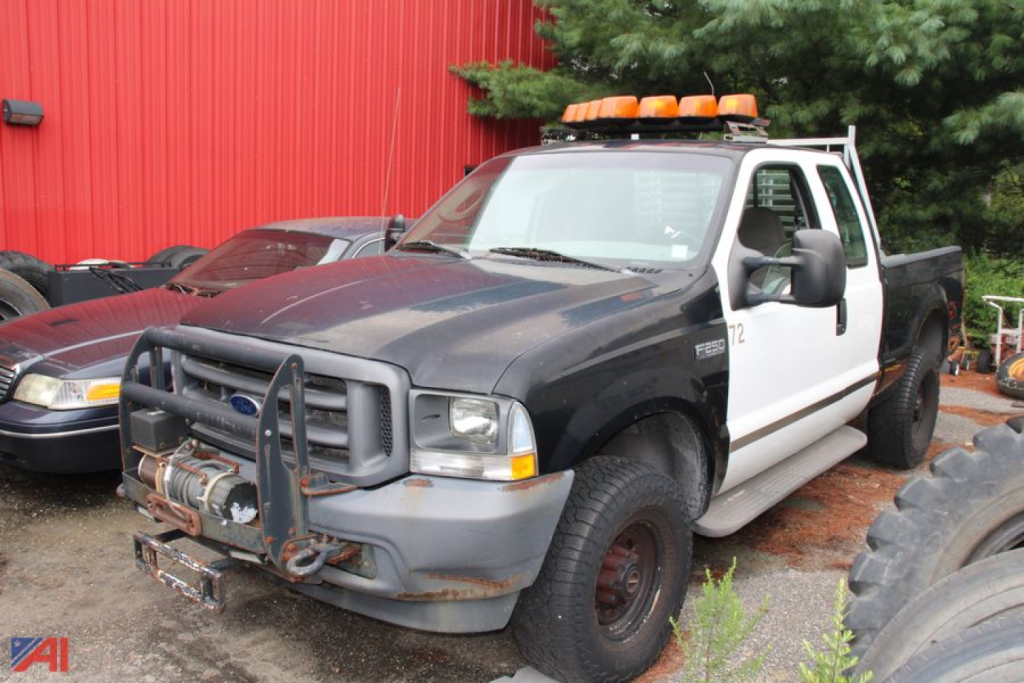
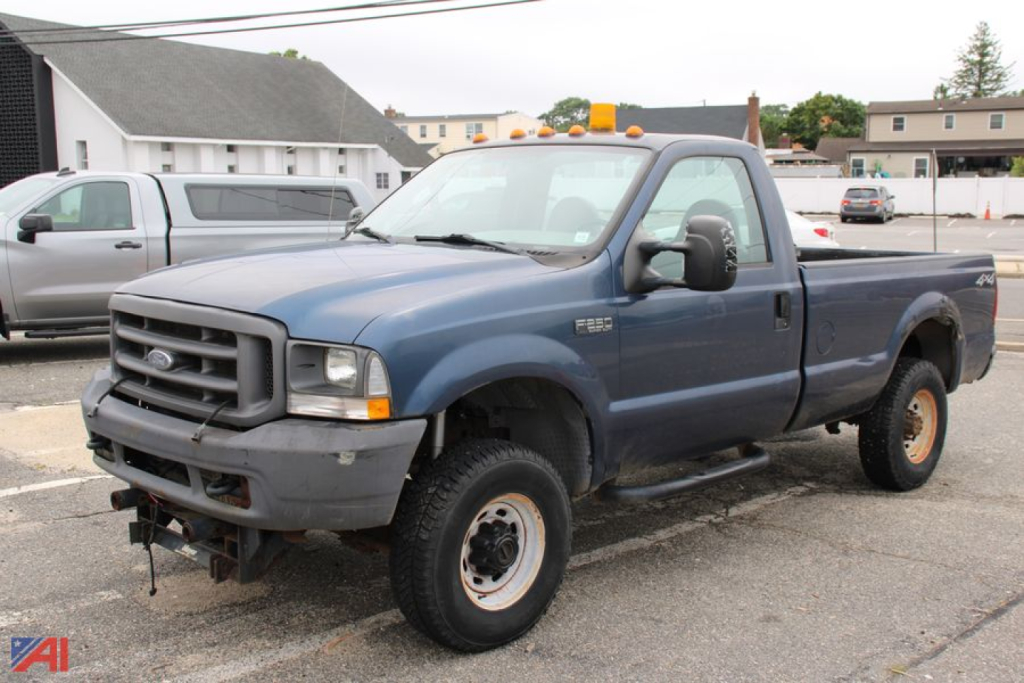
On pickup and chassis cab units, common models include the F-250, F-350, F-450, and F-550 Super Duty. These trucks are often found with regular cab, SuperCab, or crew cab layouts and can be equipped as flatbeds, dumps, utility bodies, or standard pickups. Buyers should pay close attention to engine choice, rear axle ratio, 2WD versus 4x4, and whether the truck was set up for towing, payload, or stationary PTO work. Diesel-powered examples are often favored for torque and heavier commercial use, while gas engines can be simpler and less expensive to maintain in lighter-duty applications. On older vocational trucks, service history, rust at cab corners and frame areas, front end wear, brake condition, and PTO or hydraulic operation are often more important than low mileage alone.
Medium-duty 2004 Ford trucks, including F-650 and F-750 variants, are typically purchased for body-and-chassis flexibility. These are commonly used for box truck service, stake beds, dump bodies, rollback carriers, mechanics trucks, and municipal applications. Key buying points include wheelbase, cab-to-axle measurement, front and rear axle ratings, suspension type, and brake system spec. If the truck already has a vocational body, inspect body condition, hoist operation, crane or compressor function if equipped, and signs of overloading or hard fleet use. If the goal is to rebody the chassis, exact frame dimensions and clear PTO compatibility should be confirmed before purchase.
Because a 2004 Ford truck is now an older commercial asset, value is usually found in a truck that fits the job without requiring major rework. Buyers comparing listings should look beyond paint and trim and focus on driveline configuration, body integrity, electrical condition, tire date codes, and whether the truck’s registration class and GVWR align with operating needs. A well-matched 2004 Ford can still be a practical work truck for local hauling, field service, farm use, or specialty vocational work, especially when the chassis spec is straightforward and parts support remains manageable.
Frequently Asked Questions about 2004 Ford Commercial Trucks
What should I check first when buying a 2004 Ford truck?
Start with the truck’s intended job and confirm the chassis actually fits that application. Check GVWR, axle ratings, wheelbase, cab-to-axle, engine type, transmission, and drive configuration before focusing on cosmetics. On a 2004 model, overall mechanical condition, rust, prior fleet use, and body or equipment functionality usually have a bigger effect on long-term cost than mileage by itself.
Are 2004 Ford trucks good for commercial and vocational use?
They can still be effective work trucks if the chassis was properly spec’d and maintained. Many 2004 Ford trucks were built for service, dump, delivery, towing, and contractor applications, so the platform itself is proven. The real question is condition. Buyers should verify engine performance, transmission operation, brake system health, frame integrity, steering and suspension wear, and any PTO-driven equipment before relying on the truck in daily service.
Which 2004 Ford models are most common in the used work truck market?
The most common 2004 Ford work truck listings are usually from the Super Duty family, including F-250, F-350, F-450, and F-550, along with medium-duty F-650 and F-750 chassis. Super Duty models are common as pickups, flatbeds, dumps, and utility trucks. F-650 and F-750 models are more often found with box bodies, dump bodies, mechanics bodies, or other vocational upfits where higher GVWR and chassis capacity are needed.
Is diesel or gas better on a 2004 Ford truck?
It depends on the duty cycle. Diesel trucks are generally preferred for heavier payloads, towing, and commercial use where low-end torque matters. Gas trucks can make sense for lighter local work, lower annual miles, or buyers looking for a simpler and sometimes less expensive maintenance profile. On a 2004 truck, the better choice is often the powertrain with the stronger service history and fewer unresolved mechanical issues, not just the fuel type.
Why do body specs matter so much on a 2004 Ford vocational truck?
A vocational truck is only useful if the body, chassis, and operating requirements match. A dump body, service body, box body, or flatbed can add value, but only if the hoist, compartments, floor, subframe, hydraulics, and mounting points are in solid condition. Buyers should also confirm that wheelbase, weight distribution, and PTO setup are appropriate for the body installed, because correcting a mismatched build can be expensive.